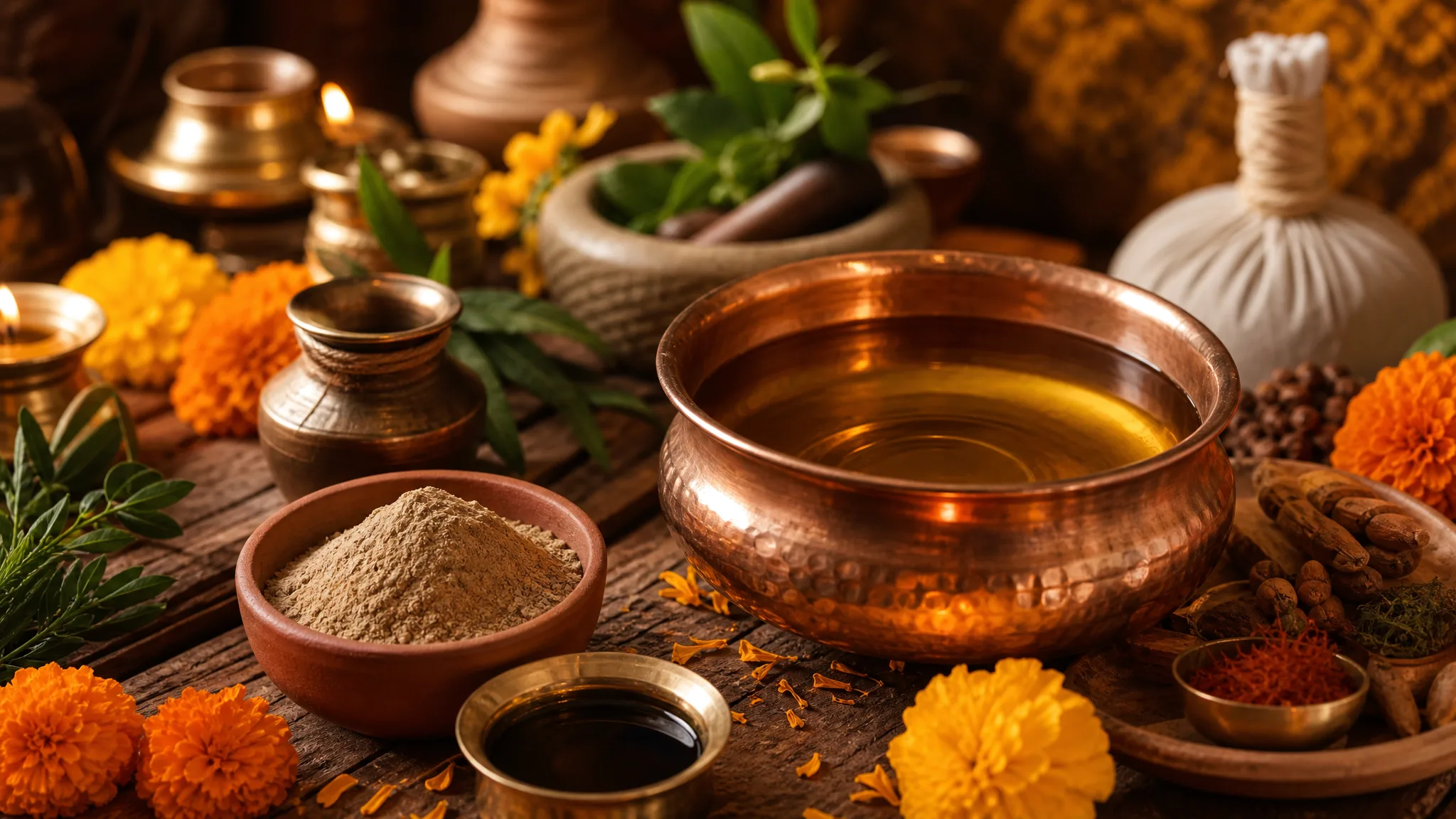
Introduction to Ayurvedic Abhyanga
Abhyanga is one of the most important and revered practices in Ayurveda — the ancient Indian system of medicine that has been practiced for over 5,000 years. The word "Abhyanga" comes from Sanskrit: "abhi" meaning "to apply" and "anga" meaning "limb" or "body part." It is a full-body oil massage that is far more than a simple relaxation treatment — it is a profound therapeutic practice that nourishes the body, calms the mind, and restores balance to the three doshas (Vata, Pitta, and Kapha).
At Raipur SPA, we offer authentic Ayurvedic Abhyanga performed by therapists trained in traditional techniques. We use high-quality, dosha-appropriate oils that are sometimes infused with herbs chosen for your specific constitution and health needs. Our Abhyanga experience honors this ancient tradition while providing the comfort and hygiene standards of a modern spa.
Abhyanga is mentioned in ancient Ayurvedic texts as a daily practice for health and longevity. The Charaka Samhita, one of the oldest Ayurvedic texts, describes Abhyanga as a practice that "nourishes the body, removes fatigue, and pacifies Vata." When performed regularly, Abhyanga can transform your health in ways that are both subtle and profound.
The Philosophy Behind Abhyanga
Ayurveda views health as a state of balance between the three doshas — Vata (air and space), Pitta (fire and water), and Kapha (earth and water). Each person has a unique constitution, or "prakriti," which determines their ideal state of balance. When the doshas become imbalanced due to diet, lifestyle, stress, or environmental factors, disease manifests.
Abhyanga works on multiple levels to restore balance. The warm oil penetrates the skin — the largest organ of the body — and is absorbed into the deeper tissues. The specific massage strokes stimulate energy points (marmas) and move in the direction of circulation and lymphatic flow. The choice of oil is tailored to your dosha, making the treatment uniquely personalized.
The rhythmic, systematic strokes of Abhyanga also have a powerful effect on the nervous system. They stimulate the parasympathetic nervous system, inducing deep relaxation, lowering heart rate and blood pressure, and reducing cortisol levels. This is why Abhyanga is so effective for stress-related conditions.
Therapeutic Benefits of Abhyanga
1. Pacifies Vata Dosha
In Ayurveda, Vata dosha governs movement, the nervous system, and elimination. When Vata is imbalanced, it causes anxiety, insomnia, dry skin, constipation, and joint pain. Abhyanga is the most effective treatment for pacifying Vata. The warm oil provides the lubrication, warmth, and grounding that Vata needs. Regular Abhyanga is recommended for anyone with a Vata-dominant constitution or Vata imbalance.
2. Nourishes the Skin and Tissues
The warm oil used in Abhyanga penetrates deep into the seven dhatus (tissues) — plasma, blood, muscle, fat, bone, marrow, and reproductive tissue. This nourishes the skin, improves complexion, and supports the health of all bodily tissues. Regular practice results in soft, supple, glowing skin that is resilient against aging and environmental damage.
3. Improves Circulation
The massage strokes and the warmth of the oil stimulate blood circulation throughout the body. Improved circulation means more oxygen and nutrients reach your cells, and waste products are removed more efficiently. This supports the function of every organ and system in your body.
4. Promotes Deep, Restful Sleep
Abhyanga is one of the best natural remedies for insomnia and poor sleep quality. The combination of warm oil, gentle massage, and the grounding effect on Vata dosha creates the ideal conditions for deep, restorative sleep. Ayurvedic texts recommend Abhyanga before bed for those who struggle with sleep.
5. Detoxifies the Body
The oil in Abhyanga acts as a medium to draw toxins (ama) out of the tissues and into the circulatory system, where they can be eliminated. The specific massage strokes also stimulate the lymphatic system, which is the body's primary detoxification system. This gentle, Ayurvedic detox is far gentler than extreme cleansing protocols.
6. Lubricates Joints and Improves Mobility
Abhyanga provides deep lubrication to the joints through the absorption of oil into the joint spaces. This is especially beneficial for people with arthritis, joint stiffness, or age-related mobility issues. The gentle, systematic movements also improve the range of motion in all major joints.
7. Strengthens the Immune System
By nourishing the tissues and supporting the body's natural detoxification processes, Abhyanga strengthens the immune system. The oil's herbal properties (when medicated oils are used) provide additional immune support. Regular Abhyanga is recommended in Ayurveda as a preventative health practice.
8. Calms the Mind and Reduces Anxiety
The slow, deliberate, rhythmic strokes of Abhyanga have a meditative quality that quiets the mind. The warmth of the oil and the therapist's intentional touch create a sense of safety and nurturing that allows deep emotional release. Many clients feel a sense of profound peace and groundedness after an Abhyanga session.
Dosha-Specific Oils for Abhyanga
One of the unique aspects of Ayurvedic Abhyanga is that the oil is chosen based on your dosha. At Raipur SPA, our therapists can help determine which oil is best for you.
For Vata Dosha
Vata types benefit from warming, heavy, nourishing oils. The ideal choice is warm sesame oil, which is naturally warming and grounding. Sesame oil is rich in antioxidants and has a natural affinity for deep tissues. It can be infused with herbs like ashwagandha, bala, or dashamoola for additional Vata-pacifying effects.
For Pitta Dosha
Pitta types need cooling, soothing oils. Coconut oil is the traditional choice — it is naturally cooling and calming. Sunflower oil and olive oil are also good options. Pitta-pacifying Abhyanga often uses oils infused with cooling herbs like brahmi, bhringaraj, or sandalwood.
For Kapha Dosha
Kapha types benefit from light, warming, stimulating oils. Mustard oil is traditional for Kapha — it is warming and penetrating. A lighter oil like almond oil can also work well. Kapha Abhyanga may use a slightly more vigorous massage technique and oils infused with stimulating herbs like ginger, cinnamon, or eucalyptus.
The Abhyanga Experience at Raipur SPA
Consultation and Dosha Assessment
Your Abhyanga session begins with a consultation. We will discuss your health goals, any current issues, and perform a brief dosha assessment to determine your constitution and current state of balance. This helps us choose the right oil and customize the treatment.
Warming the Oil
The selected oil is gently warmed to body temperature. Warm oil is essential for effective Abhyanga — cold oil constricts the pores and is not absorbed effectively. The warmth also has a grounding, calming effect on the nervous system.
The Massage
Abhyanga follows a specific sequence of strokes that cover the entire body. The therapist begins with the crown of the head (Sahasrara chakra area) and works down systematically. Each area receives specific strokes — circular movements on the joints, long strokes on the limbs, and clockwise movements on the abdomen. Special attention is given to the marma points (energy points similar to acupuncture points).
The massage is performed at a gentle, measured pace — not too fast, not too slow. The therapist applies enough pressure to feel therapeutic but remains gentle enough to be relaxing. A full-body Abhyanga typically takes 60 to 90 minutes.
Rest and Absorption
After the massage, you are left to rest for 10-15 minutes. This allows the oil to penetrate deeper into your tissues and for the therapeutic effects to settle. This rest period is an essential part of the Abhyanga process.
Post-Treatment Care
After resting, you can take a warm shower or bath. Avoid soap on the areas that were massaged — the oil continues to be absorbed into your skin for several hours. Drink warm water after your session. Avoid cold foods and drinks, strenuous activity, and exposure to cold air or wind for the rest of the day.
Self-Abhyanga: Daily Practice for Longevity
While professional Abhyanga sessions at Raipur SPA are deeply beneficial, Ayurveda also recommends self-Abhyanga as a daily practice. Spending 10-15 minutes massaging warm oil into your own body each morning before your shower can transform your health over time. The practice grounds you, improves body awareness, and sets a calm, centered tone for the day.
We can provide guidance on self-Abhyanga techniques and help you select the right oil for home practice. Many of our clients combine professional monthly sessions with daily self-massage for optimal results.
Who Should Get Abhyanga?
- Anyone with high stress or anxiety
- People with dry skin, joint pain, or Vata-related issues
- Those with poor sleep or insomnia
- Anyone seeking a natural, holistic approach to wellness
- People recovering from illness or exhaustion
- Individuals who feel ungrounded, spaced out, or overwhelmed
- Seniors dealing with age-related stiffness or dryness
- Anyone interested in authentic Ayurvedic therapies
FAQs About Ayurvedic Abhyanga
What is the difference between Abhyanga and regular oil massage?
Regular oil massage focuses primarily on muscle relaxation. Abhyanga is a systematic, therapeutic practice based on Ayurvedic principles. It uses dosha-specific oils, follows a specific sequence of strokes, targets marma points, and is designed to balance the doshas, not just relax muscles. The approach is holistic — addressing body, mind, and spirit.
How often should I get professional Abhyanga?
For general wellness, once a month is excellent. For addressing specific health concerns or during seasonal transitions (which Ayurveda considers important times for balance), once a week for several weeks is recommended. At Raipur SPA, we offer packages that make regular sessions more accessible.
Can I practice Abhyanga at home?
Yes! Self-Abhyanga is encouraged in Ayurveda as a daily practice. We can recommend oils and techniques for home use. However, professional Abhyanga offers benefits that self-massage cannot match — the therapist can work on areas you cannot reach, apply more consistent pressure, and give you a level of relaxation that is difficult to achieve on yourself.
Is Abhyanga suitable for all body types?
Yes, when the oil and technique are properly customized. Ayurvedic Abhyanga is designed to be suitable for everyone, from children to seniors, from athletes to those with chronic illness. The key is proper customization — the right oil, pressure, and duration for each individual.
Should I shower before or after Abhyanga?
Shower after, not before. The oil should be applied to unwashed skin (not freshly showered) for maximum absorption. After the massage and rest period, you can shower with warm water. Avoid using soap on the massaged areas to allow the oil to continue nourishing your skin.
Conclusion
Ayurvedic Abhyanga is one of humanity's oldest and most profound healing practices. It is not merely a massage — it is a complete system of preventive and therapeutic health care that addresses the whole person. The combination of dosha-specific oils, traditional techniques, and the healing power of intentional touch creates a treatment that nourishes you at every level.
At Raipur SPA, we are committed to offering authentic Abhyanga that honors its Ayurvedic roots while meeting the expectations of modern wellness. Our therapists, oils, and environment are all carefully chosen to deliver an experience that is both traditional and exceptional. Whether you are new to Ayurveda or a long-time practitioner, our Abhyanga session will leave you feeling deeply nourished, balanced, and renewed.
Book Your Ayurvedic Abhyanga at Raipur SPA
Step into a 5,000-year-old tradition of healing and self-care. Experience authentic Ayurvedic Abhyanga at Raipur SPA — the ancient art of oil massage, modernized for your deepest well-being. Call us or book online to schedule your session. Let the wisdom of Ayurveda restore your natural balance.
People Also Ask
Related Articles

Ayurvedic & Traditional Indian Therapies
Greeva Basti: Ayurvedic Relief for Cervical Pain
5 min read · 01 May 2026
Ayurvedic & Traditional Indian Therapies
Kati Basti for Lower Back Pain: An Ayurvedic Solution
5 min read · 01 May 2026

Ayurvedic & Traditional Indian Therapies
Ayurvedic Massage for Immunity and Relaxation
1 min read · 21 Apr 2026
Enjoyed This Article?
Stop reading about relaxation — come experience it firsthand at Raipur SPA.
