Why You Keep Taking Painkillers for Back Pain That Always Comes Back
Here is the pattern most people with chronic back pain are living with: the pain gets bad enough, you take an ibuprofen or paracetamol, it dulls enough to function, and then a few days later it is back. Maybe a little worse each time. The painkillers are not fixing anything — they are managing your ability to tolerate a problem that continues to exist and potentially worsen underneath the medication.
This is not a failure of the medication, which is doing exactly what it is designed to do. Ibuprofen and paracetamol are anti-inflammatory and analgesic agents — they reduce the inflammatory response and block pain signals. They are genuinely useful for acute pain management. But they do not address the mechanical reasons that the back hurts in the first place: the postural imbalances, the chronic muscle tension, the fascial restrictions, the trigger points that have accumulated from years of sitting, lifting, and living in a body that is not being maintained.
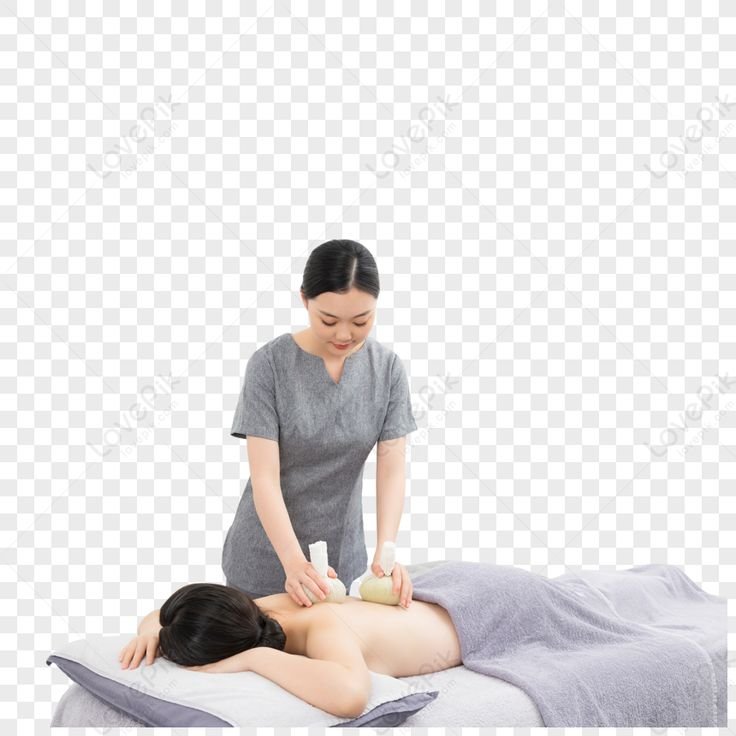
Massage therapy addresses the underlying causes. This is why research consistently finds it more effective than painkillers for chronic back pain specifically — and why people who incorporate regular massage into their back pain management often find they need medication far less.
What the Research Says
Let me be specific about the research, because I think people deserve to know what the evidence actually shows rather than receiving vague wellness claims.
A 2011 study published in the Annals of Internal Medicine — one of the most rigorous medical journals — found that therapeutic massage was superior to both usual care and relaxation massage for chronic low back pain, with benefits lasting through 26 weeks of follow-up. This is significant because the effects of a course of massage treatment continued well past the end of the treatment itself.
A 2017 systematic review and meta-analysis in Scientific Reports analyzed 25 randomized controlled trials on massage for back pain and found consistent evidence of significant pain reduction and functional improvement, with moderate-quality evidence supporting its clinical use.
Research from the American College of Physicians in their 2017 clinical practice guideline update recommended massage as a first-line treatment option for acute and chronic low back pain — placing it alongside exercise and heat therapy as preferred non-pharmacological approaches.
The mechanism is not mysterious. Chronic back pain in most people (not related to structural pathology like disc herniation or fracture) is primarily maintained by chronic muscle tension, fascial restriction, and trigger point activity. Massage directly addresses all three. Painkillers do not.
The Common Back Pain Patterns in Raipur
Having talked with therapists at Raipur SPA about what they see most frequently, a few patterns emerge that are particularly common among Raipur residents.
Desk worker lumbar pain is the most common. Prolonged sitting in suboptimal postures — which describes most office chairs and the way most people actually sit in them — causes the hip flexors to shorten, the lumbar extensors to both weaken and develop chronic tension, and the posterior fascial chain to develop restrictions. The result is the classic lower back pain that gets worse as the day progresses and improves (temporarily) with rest. Deep tissue massage targeting the paraspinals, the quadratus lumborum, and the hip flexors, combined with specific stretching guidance, consistently improves this pattern.
Commuter tension is something specific to Raipur's geography. Significant parts of the city are spread out, commuting distances are real, and much of the commuting is done on bikes in positions that chronically flex the thoracic spine and load the lumbar area. People who commute by bike for an hour or more daily develop a specific pattern of upper and lower back tension that is different from pure desk-worker patterns and requires different treatment emphasis.
Domestic and caregiving strain affects a large proportion of Raipur's population who are not counted as formal workers but whose physical demands are significant: lifting children, carrying loads, bending over low kitchen stoves, the repetitive physical work of household management. The back pain this creates is often bilateral and involves the mid-back as much as the lower back.
How Massage Addresses Back Pain Specifically
Therapeutic massage for back pain works through several mechanisms simultaneously.
Trigger point release addresses the knotted, hypersensitive areas within muscle tissue that are often the proximate cause of chronic back pain. Trigger points in the paraspinal muscles refer pain into characteristic patterns that overlap with the common descriptions of back pain — the dull ache, the occasional sharp catch, the referred pain into the buttocks and down the leg. Sustained pressure techniques release these trigger points, providing immediate pain reduction and, over multiple sessions, a significant decrease in their frequency and intensity.
Fascial release addresses the connective tissue restrictions that develop from chronic postures and injuries. Fascia can become thickened, dehydrated, and adherent to adjacent structures, restricting movement and causing pain. Myofascial release techniques within a massage session specifically target these restrictions and restore normal fascial mobility.
Circulation improvement brings fresh blood, oxygen, and nutrients to muscle and connective tissue that may have become ischemic from chronic tension. This supports the natural healing and remodeling processes that resolve the underlying tissue pathology.
Nervous system regulation through the parasympathetic response of massage reduces the central sensitization that develops with chronic pain — the process by which the pain system becomes hypersensitive over time, making things hurt more than they objectively should. Reducing central sensitization through regular relaxation response induction (which massage consistently produces) is one of the most important and least discussed benefits of massage for chronic pain.
Building a Practical Program
For someone with chronic back pain, a realistic and effective approach involves an initial course of more frequent sessions — perhaps weekly for 4-6 weeks — to make a meaningful change in the accumulated patterns, followed by monthly maintenance to prevent re-accumulation.
At Raipur SPA, the therapists experienced in back pain management will help you identify what your pattern is and what technique approach is most appropriate. Tell them specifically where the pain is, when it is worst, what makes it better or worse, and how long you have had it. The more specific you can be, the more targeted the treatment can be.
This is not an overnight solution. But it is a solution that addresses the actual problem rather than just managing the symptom — which is the meaningful difference between massage therapy and painkillers for chronic back pain.
Related Articles You Might Like
- Why Regular Massage is Better Than Occasional Spa Visits
- Deep Tissue Massage in Raipur for Back Pain Relief
- Office Workers: 7 Body Pain Problems & The Exact Massage to Fix Each One
- Massage for Back Pain in Raipur: Deep Relief at Raipur SPA
- Massage Therapy for Stress Relief in Raipur: Science-Backed Benefits at Raipur SPA
- Deep Tissue Massage in Raipur: Expert Pain Relief & Muscle Recovery at Raipur SPA
Frequently Asked Questions
What causes of back pain respond best to massage?
Massage is most effective for back pain from muscle tension, poor posture, sedentary lifestyle, stress, minor injuries, and muscle imbalances. Lumbar strain, desk work tightness, and everyday tension all respond particularly well to therapeutic massage.
How many sessions are needed for back pain relief?
For acute back pain, 3-5 sessions over 2-3 weeks typically provide significant relief. For chronic back pain (3+ months), 8-12 sessions with ongoing monthly maintenance are recommended. Most clients feel improvement after the first session.
What type of massage is best for lower back pain?
Deep tissue massage targets the muscles and fascia causing lower back pain most effectively. Swedish massage provides relief through improved circulation and relaxation. Hot stone therapy uses heat to release deep-seated tension. We customize the approach to your specific condition.
How does back massage differ from physiotherapy?
Massage therapy focuses on soft tissue manipulation to reduce muscle tension, improve circulation, and promote relaxation. Physiotherapy involves exercises, joint mobilization, and physical rehabilitation for structural problems. Both complement each other for back pain management.
Can back massage help with herniated disc pain?
Gentle massage can benefit herniated disc patients by reducing surrounding muscle spasm and improving circulation. Deep tissue work directly over the herniated area is avoided. Always inform your therapist about any diagnosed spinal conditions before your session.
Can back massage help with sciatica?
Yes, massage can significantly relieve sciatica by releasing the piriformis muscle (which often compresses the sciatic nerve), reducing inflammation, and improving circulation to the affected area. Many clients experience lasting relief with regular treatment.
How much does back massage cost at Raipur SPA?
Our back massage packages range from Rs. 699 (Classic 45-minute session) to Rs. 1,599 (Back and Body Restoration 90-minute premium session). All include consultation, heated table, premium oils, and professional draping.
Book Our Massage Services
Raipur SPA, Samta Colony | Expert therapists from Northeast India | Call to book: +91 98765 43210
People Also Ask
Related Articles
Deep Tissue & Pain Relief Massage
Massage for Arthritis Pain Relief: Natural, Effective and Drug-Free Joint Pain Management
5 min read · 05 May 2026
Deep Tissue & Pain Relief Massage
Knee Pain Massage Raipur: Ghutne Ke Dard Se Relief Ka Complete Guide
4 min read · 01 May 2026

Deep Tissue & Pain Relief Massage
Sciatica Pain Massage Therapy Raipur: Kamar Aur Pair Ke Dard Ka Natural Ilaj
4 min read · 01 May 2026
Enjoyed This Article?
Stop reading about relaxation — come experience it firsthand at Raipur SPA.
 Chat on WhatsApp
Chat with us
Chat on WhatsApp
Chat with us