Cream vs Oil Massage: Why Your Choice Matters More Than You Think
Walk into any massage therapy room in Raipur, and you'll be asked a question that seems simple but isn't: cream or oil? Most people pick based on what smells nicer or what their friend recommended. But the choice between cream-based and oil-based massage actually makes a significant difference to your experience, your skin, and even the effectiveness of the therapy itself.
The difference isn't just about texture. It affects how deep the therapist can work, how your skin feels afterward, how much heat is retained in the tissue, and even which types of massage techniques can be used effectively. Here's what you need to know to make the right choice for your specific needs.
How They Work Differently
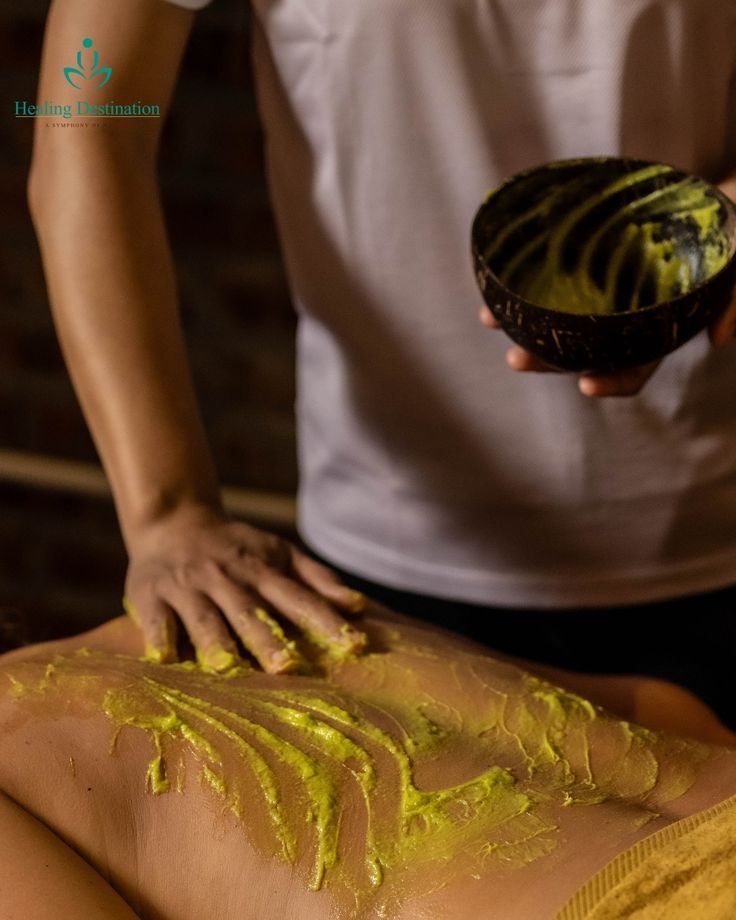
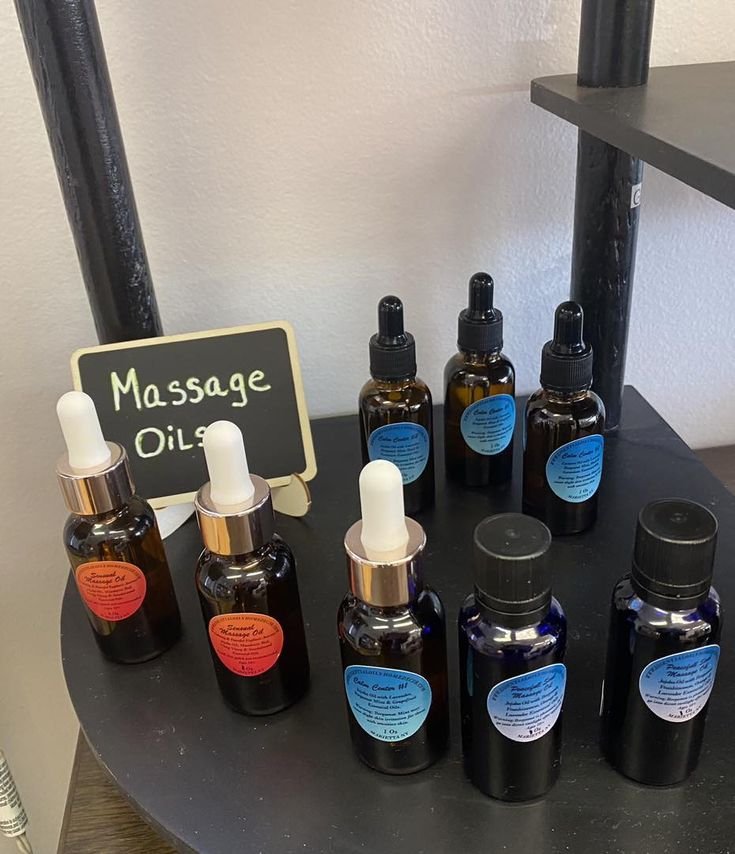
Massage oil is exactly what it sounds like — a pure or blended oil (coconut, sesame, almond, jojoba) applied directly to the skin. Oil creates a thin, continuous lubricating layer that allows the therapist's hands to glide smoothly across the skin with minimal friction. This makes oil ideal for long, flowing strokes like the ones used in Swedish massage. The oil absorbs into the skin over time, providing moisturizing benefits that persist after the session.
Massage cream has a thicker consistency. It's an emulsion of oil and water, often with additional ingredients like shea butter, aloe vera, or herbal extracts. Cream doesn't spread as thinly as oil — it sits more on the surface of the skin, providing more resistance. This extra resistance allows the therapist to work more precisely on specific muscle groups without their hands slipping off the target area.
The practical implication is straightforward: oil is better for broad, relaxing work across large muscle groups, while cream is better for targeted, therapeutic work on specific problem areas.
Temperature and Climate Considerations
In Raipur's climate, the choice between cream and oil takes on additional dimensions. During the summer months, oil can feel heavy and greasy — especially if you're stepping out of an air-conditioned spa into 42-degree heat. The oil on your skin can attract dust and feel unpleasant for the rest of the day. Cream, being lighter and more easily absorbed, is often a better choice for summer sessions. It provides enough lubrication for effective massage without leaving you feeling like you've been basted.
During winter, the equation reverses. Cold weather dries out skin, and oil provides superior moisturization. The warmth of the oil — many therapists warm it before application — feels deeply comforting against cold skin. Oil also retains heat better than cream, which means the therapeutic benefits of warmth persist longer into the session.
For monsoon season, cream is generally the safer choice. The humidity already makes skin feel sticky and clammy, and adding oil to that equation can be unpleasant. A good-quality cream absorbs quickly and doesn't add to the general dampness that comes with Raipur's rainy months.
Skin Type Matters
Your individual skin type should influence your choice. If you have dry skin — and many people in Raipur do, despite the humidity, because of constant exposure to air conditioning — oil is the better choice. It provides deep moisturization that cream can't match. If you have oily or acne-prone skin, cream is almost always the better option. Oil can clog pores and exacerbate breakouts, especially on the back and shoulders where many people are prone to acne. Cream provides adequate lubrication without the pore-clogging risk.
Sensitive skin requires extra consideration. Pure oils like coconut and almond are generally well-tolerated, but some people react to specific oils. If you know you have sensitivities, ask about hypoallergenic cream options. Most spas carry fragrance-free, dermatologist-tested cream for clients with reactive skin.
Therapeutic Depth and Technique
For deep tissue work — the kind that targets chronic muscle tension and knots — cream gives the therapist better control. The increased friction means the therapist can apply sustained pressure to a specific point without their hands slipping off. This is why most sports massage therapists prefer cream for athletic clients who need focused work on tight muscle groups.
For relaxation-focused Swedish massage, oil is the superior choice. The long, flowing strokes that characterize Swedish technique require a lubricated surface to be effective. Oil provides that glide, allowing the therapist to maintain a consistent rhythm that gradually lulls the nervous system into a relaxed state.
For aromatherapy massage, oil is non-negotiable. Essential oils need a carrier oil to be properly diluted and absorbed through the skin. Cream-based products don't blend well with essential oils and can reduce their therapeutic efficacy. If you're specifically seeking the benefits of aromatherapy, make sure your therapist is using an oil-based carrier.
Practical Considerations
Oil will stain your clothes. This is unavoidable. Even if you shower after your session, some residue will remain in your clothing fibers. If you're heading somewhere after your massage where appearance matters — a meeting, a dinner, a social event — cream is the more practical choice. It absorbs fully into the skin within minutes, leaving no visible residue.
Conversely, if you have the luxury of going home after your session, oil's residue becomes an advantage. It continues moisturizing your skin for hours after the massage, and the lingering scent of the oil can extend the relaxation experience.
Hair is another factor. If you're getting a back massage and have longer hair, oil can get into your hair and leave it looking greasy. Cream is less likely to migrate into your hair during the session. This is a small consideration, but one that matters to enough clients that it's worth mentioning.
The Middle Ground
Some spas now offer hybrid products — oil-infused creams that combine the glide of oil with the control of cream. These are an excellent option if you're unsure which direction to go. They provide enough slip for flowing techniques while offering enough resistance for targeted work. Ask your therapist if they carry a hybrid option.
Making Your Choice
Here's a simple decision framework. If you want deep relaxation, if your skin tends to be dry, if you're visiting in winter, or if you specifically want aromatherapy — choose oil. If you need therapeutic work on specific problem areas, if you have oily or acne-prone skin, if you're visiting in summer or monsoon, or if you need to look presentable immediately after — choose cream. If you're still unsure, ask your therapist. A good therapist can assess your skin type and treatment goals within thirty seconds of starting work and adjust their product choice accordingly.
The right choice can elevate a massage from pleasant to genuinely effective. The wrong choice won't ruin your experience, but it will leave you wondering why the massage didn't quite deliver what you were hoping for. Now you know the difference. Make your next choice an informed one.
At Raipur SPA, we carry both premium massage oils and therapeutic creams. Your therapist will recommend the right option based on your skin type, the season, and your treatment goals. Book your session to experience the difference.
Cream Massage vs Oil Massage: Making the Right Choice for Your Skin Type
The choice between cream and oil massage is not just about personal preference — it should be based on your skin type, the season, and your massage goals. Cream massage uses a rich, emollient product that provides glide without the residue of oil. It is ideal for dry or sensitive skin types, especially during Raipur's dry winter months when skin needs extra moisture. Cream also absorbs more quickly into the skin, making it a good choice for clients who need to dress and go shortly after their session. Oil massage uses traditional oils like coconut, sesame, or almond that provide superior glide for deeper techniques. Oil penetrates more deeply into the skin and provides longer-lasting moisturisation. For deep tissue work and Ayurvedic treatments like Abhyanga, oil is the traditional and preferred medium. Many of our clients at Raipur SPA choose based on the season — cream for winter and oil for summer, enjoying the benefits of both throughout the year.
FAQ: Can I Get a Cream Massage and Then Switch to Oil?
Yes, absolutely. Many of our clients switch between cream and oil based on the season or their current skin condition. There is no requirement to commit to one product permanently. Your therapist can also use a combination — for example, cream on drier areas like the elbows and knees, and oil on the larger muscle groups. Discuss your preferences during the consultation.
Understanding Massage Mediums: A Complete Comparison
The medium used in massage — whether cream, oil, gel, or lotion — significantly affects the experience and benefits. Cream is thicker than lotion but lighter than oil, providing good glide with moderate absorption. It is ideal for dry skin and cooler months. Oil provides the best glide for deep techniques and is essential for Ayurvedic treatments. It absorbs at different rates depending on the oil type — coconut absorbs quickly while sesame takes longer. Gel provides cooling effects and absorbs fastest, making it ideal for summer and oily skin types. Lotion is the lightest option with the fastest absorption, best for quick sessions or when minimal residue is desired. At Raipur SPA, we stock all four medium types and select based on your skin type, the treatment being performed, the season, and your personal preference. The choice is not just about comfort — it affects how well the treatment achieves its intended therapeutic goals.
People Also Ask
Related Articles
Enjoyed This Article?
Stop reading about relaxation — come experience it firsthand at Raipur SPA.