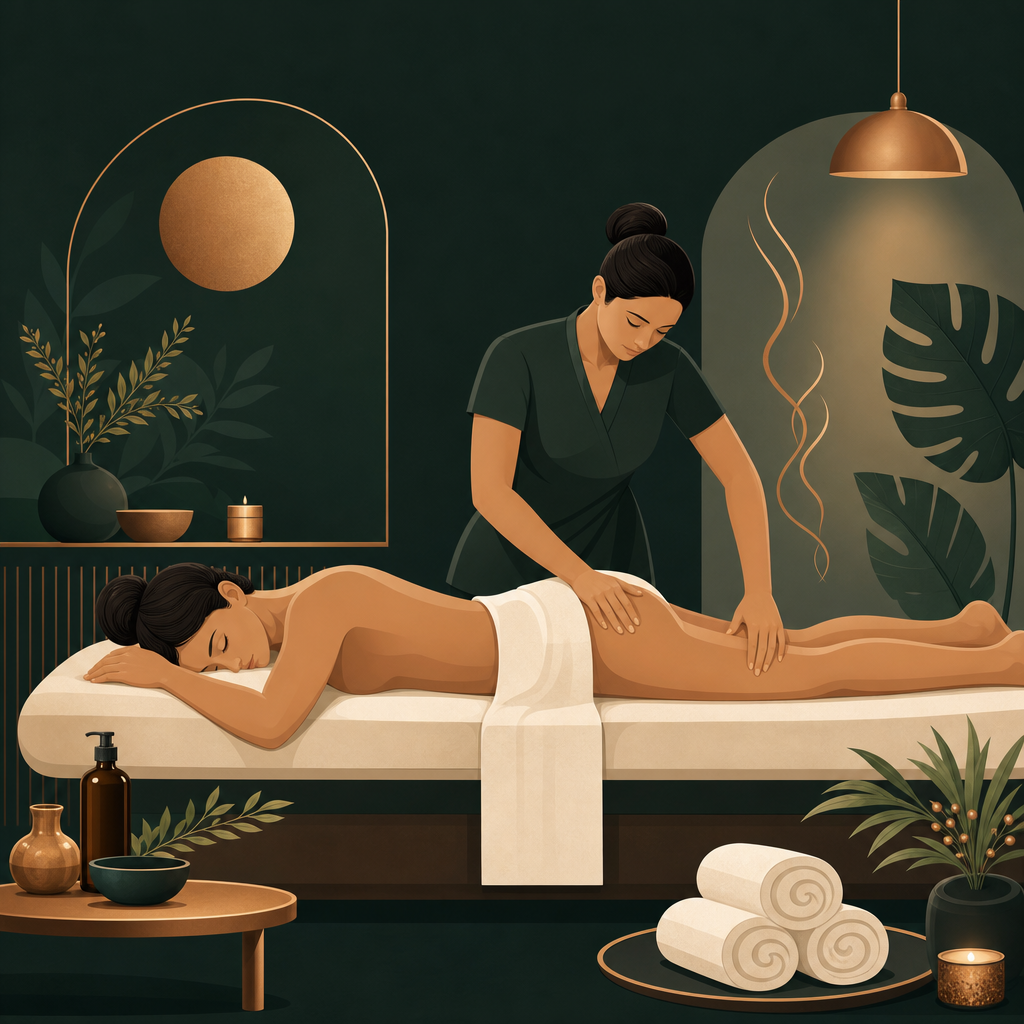
Fitness Recovery at Raipur Gyms: Why You Need Post-Workout Massage
I have watched Raipur's fitness culture transform over the last decade. When I started my practice near Samta Colony, there were maybe a handful of decent gyms in the entire city. Now they are everywhere — from budget-friendly functional training centers near Agrasen Chowk to premium fitness studios in the newer colonies. More people are lifting weights, running, doing CrossFit, practicing yoga, and pushing their physical limits than ever before. And that is genuinely exciting.
But there is a gap I see in almost every gym-goer who walks into our center. They train hard. They watch their diet. They track their macros and their step counts. But they treat recovery as an afterthought — something to fit in if they have time. And then they wonder why they hit plateaus, why they keep getting minor injuries, or why they feel perpetually sore and fatigued.
Here is the truth that every serious athlete knows but most casual gym-goers have not yet learned: training breaks your body down. Recovery builds it back up stronger. And massage therapy is one of the most effective recovery tools available. If you are serious about your fitness journey in Raipur, a post-workout massage should be as non-negotiable as your pre-workout meal.
This guide will explain exactly why post-workout massage in Raipur is essential for anyone who trains, what specific techniques work best for different types of exercise, and how to integrate massage into your fitness routine for maximum results.
The Science of Muscle Recovery: Why Massage Works
Let me explain what happens to your muscles when you work out, because understanding the process makes the need for massage obvious.
When you lift weights or perform intense exercise, you create microscopic tears in your muscle fibers. This is not a bad thing — it is the mechanism by which muscles grow stronger. Your body repairs these tears by laying down new protein strands, which makes the muscle thicker and more resilient. This repair process takes about 24 to 72 hours, depending on the intensity of your workout.
During this repair window, a few things happen. First, inflammation increases in the damaged area — this is your body sending repair cells to the site. Second, metabolic waste products like lactic acid build up in the muscle tissue. Third, the muscle fibers themselves tighten up as part of the protective response, which is why you feel stiff the day after a hard workout.
Massage accelerates every part of this recovery process. The mechanical pressure of massage increases blood flow to the affected muscles by a significant margin. More blood means more oxygen and nutrients for repair, and more efficient removal of waste products like lactic acid. One study published in the Journal of Athletic Training found that massage performed one hour after intense exercise reduced muscle soreness by approximately 30 percent compared to no treatment.
But the benefits go beyond just feeling less sore. Massage also reduces cortisol (the stress hormone) and increases serotonin and dopamine levels, which improves your mood and sleep quality. Better sleep means better recovery. It is a virtuous cycle.
The Specific Benefits for Different Types of Training
Not all workouts are the same, and neither should your recovery massage be. Here is how massage benefits different training styles:
| Training Type | Primary Issue | Best Massage Approach |
|---|---|---|
| Heavy Weightlifting (powerlifting, bodybuilding) | Deep muscle micro-tears, joint stress, central nervous system fatigue | Deep tissue with focus on worked muscle groups, joint mobilization, gentle stretching |
| Running & Cardio | Lower leg tightness, IT band issues, shin splints, calf strain | Sports massage focusing on calves, hamstrings, quads, and feet. Foam roller alternatives. |
| CrossFit & HIIT | Full body fatigue, shoulder strain, lower back tightness | Full body deep tissue with extra time on shoulders, hips, and lower back |
| Yoga & Flexibility Training | Overstretched muscles, joint instability, sacroiliac issues | Gentle myofascial release, targeted work on overstretched areas |
| Sports (cricket, football, badminton) | Sport-specific repetitive strain, asymmetrical muscle development | Sport-specific corrective massage, balancing dominant side with non-dominant |
This table is not theoretical. Every month, I work with gym-goers from across Raipur who have specific training goals and specific recovery needs. The most common mistake I see is people getting a generic "full body massage" that does not target the areas that actually need work. A runner needs different treatment than a powerlifter. A yoga practitioner needs something different than a CrossFit athlete. The best recovery happens when your massage is tailored to your training.
When Should You Get a Post-Workout Massage?
Timing matters more than most people realize. Here is what I tell my fitness clients about scheduling massage around their training:
Immediately after workout (within 30 minutes): Light, gentle massage or assisted stretching. This is not the time for deep tissue work. The muscles are still warm and blood is already flowing, so gentle techniques help move metabolic waste out without causing additional trauma. Many gyms near Samta Colony are starting to offer post-workout stretching services, and I strongly recommend taking advantage of them.
2 to 6 hours after workout: This is the ideal window for a full therapeutic massage if your schedule allows. The muscles have cooled down but the inflammation process is in full swing. A skilled therapist can work with the inflammation rather than against it, using techniques that promote drainage and reduce the severity of DOMS (delayed onset muscle soreness).
24 to 48 hours after workout: This is the most common timing for most people, and it works well. The soreness has peaked, and massage at this stage provides the most noticeable relief. Deep tissue work is appropriate here, as the muscle fibers are ready to release and reset.
Before a workout (as pre-event prep): This is a different category, but worth mentioning. A pre-workout massage — done 30 to 60 minutes before training — can improve blood flow, increase range of motion, and reduce injury risk. The technique should be lighter and more stimulating than a recovery massage. Think fast strokes and gentle mobilization rather than deep pressure.
Stories from Our Practice: Real Results
I want to share a story that illustrates the impact of regular post-workout massage better than any scientific explanation.
Last year, a competitive amateur boxer started coming to our center near Samta Colony. He was training five days a week — heavy bag work, sparring, conditioning, running. He was in his late twenties, in excellent shape, but he was stuck. His progress had plateaued. He was not getting faster, his punches did not feel as sharp, and he was dealing with persistent shoulder pain that no amount of rest seemed to fix.
We started him on a weekly recovery protocol. Every Saturday morning, after his last hard training session of the week, he would come in for a 75-minute session. We focused on his shoulders, his back, and his legs — the areas that take the most punishment in boxing. We used a combination of deep tissue, myofascial release, and active stretching.
Within three weeks, the shoulder pain was gone. Within six weeks, he told me he was hitting harder and moving faster in the ring. Within three months, he had broken through his plateau and was performing at a level he had not reached in two years. He now considers massage an essential part of his training, not an optional add-on.
Stories like his are common in our practice, not exceptional. The pattern is always the same: people who train hard reach a point where more training without proper recovery stops producing results. Massage provides the recovery that allows continued progress.
Sports Massage vs. Regular Massage: What's the Difference?
If you are serious about fitness, you need to understand the difference between a relaxation massage and a sports massage. They are not the same thing, and choosing the wrong one for your needs will give you disappointing results.
A sports massage is specifically designed for active individuals. The therapist focuses on the muscles and joints that are most stressed by your particular sport or training style. The pressure is often deeper, and the techniques include active stretching, trigger point therapy, and muscle energy techniques. A good sports massage therapist will ask about your training routine, identify problem areas, and work on them methodically. It is not always comfortable — sometimes it hurts during the session — but the relief afterward is significant.
A regular relaxation massage (Swedish massage) uses lighter pressure, longer strokes, and is designed for general stress relief rather than specific muscle recovery. It feels wonderful and has its place in a wellness routine, but it will not provide the deep tissue release that a serious gym-goer needs.
For fitness massage in Raipur, you want a therapist who understands anatomy, knows how to work with athletes, and is comfortable with deeper pressure. Do not be shy about asking a spa or massage center about their therapists' experience with sports and fitness clients. A good center will be happy to tell you.
Beyond Massage: A Complete Recovery Strategy
Massage is powerful, but it works best as part of a complete recovery strategy. Here is what I recommend to my fitness clients:
Nutrition timing matters. Protein within 30 minutes of training. Carbohydrates to replenish glycogen. Adequate hydration throughout the day. Your muscles cannot repair themselves without the right building blocks.
Sleep is non-negotiable. Seven to nine hours of quality sleep per night. This is when your body produces growth hormone and carries out most of its repair work. No amount of massage can compensate for chronic sleep deprivation.
Active recovery days. A light walk, gentle stretching, or a yoga session on your rest days keeps blood flowing without adding stress to your muscles. Complete inactivity is actually worse than light activity for recovery.
Foam rolling and self-massage. A good sports massage once a week is ideal, but foam rolling on the other days helps maintain the benefits. I teach all my fitness clients basic self-massage techniques they can use at home.
Listen to your body. This is the most important rule of all. If you feel unusual pain — sharp, localized, persistent — stop and get it checked. Do not push through it. Massage is for recovery, not for masking injuries.
How Often Should Gym-Goers Get Massage?
The frequency depends on your training intensity. Here is my practical guide:
- Casual exercisers (3 to 4 days per week, moderate intensity): Once every two to three weeks.
- Regular gym-goers (4 to 5 days per week, moderate to high intensity): Once per week.
- Athletes and serious trainers (5 to 6 days per week, high intensity): One to two times per week.
- Competitive athletes in training season: Two to three times per week, with lighter sessions between deeper treatments.
These are guidelines, not rules. Some people need more recovery, some need less. Pay attention to how your body responds. If you feel consistently sore, tight, or fatigued, increase the frequency. If you feel well-recovered between sessions, you can stretch the intervals.
Finding the Right Massage Partner for Your Fitness Journey
If you are training at a gym near Samta Colony or near Agrasen Chowk, you have options for sports massage in Raipur. But not all options are equal. Here is what to look for:
Experience with athletes. Ask how many fitness or sports clients the therapist works with regularly. A therapist who primarily does relaxation massage may not have the skillset for deep tissue sports work.
Willingness to communicate. A good sports massage therapist will check in with you throughout the session — "Is this pressure okay?", "Can you feel this in your glute?", "Does this referral pattern match what you feel during training?" If your therapist works in silence, find someone else.
Post-session advice. After a good sports massage session, the therapist should give you some guidance — stretches to do, activities to avoid, hydration tips. This advice is as valuable as the massage itself.
Conclusion: Train Hard, Recover Smarter
Raipur's fitness community is growing, and with growth comes knowledge. The days of "no pain, no gain" being the only philosophy are over. Smart training means knowing that recovery is where the gains actually happen. You do not get stronger in the gym — you get stronger in the 48 hours after the gym, when your body repairs and rebuilds.
Massage therapy is one of the most effective tools for accelerating and improving that recovery process. It reduces soreness, improves range of motion, lowers injury risk, and helps you train more consistently. And consistency is the real secret to fitness progress — not any single workout or diet, but showing up day after day, week after week.
If you are a gym-goer in Raipur and you have not yet added regular post-workout massage to your fitness routine, I encourage you to try it. Book a sports massage session after your next heavy training day. Pay attention to how your body feels over the next 48 hours compared to your usual recovery. I am confident you will notice the difference.
Optimize Your Fitness Recovery
Looking for professional gym recovery massage in Raipur? Our center near Samta Colony specializes in sports massage for athletes and fitness enthusiasts. Book your post-workout recovery session and unlock your true training potential.
People Also Ask
Related Articles

Spa Near Me - Raipur Locality Guides
Spa Date Night: Best Places in Raipur for Couples
10 min read · 12 May 2026

Spa Near Me - Raipur Locality Guides
How to Stay Cool in Raipur Summer: Ayurvedic Body Care Tips
9 min read · 12 May 2026

Spa Near Me - Raipur Locality Guides
Monsoon Health Guide for Raipur: Why Massage is a Must During Rains
11 min read · 12 May 2026
Enjoyed This Article?
Stop reading about relaxation — come experience it firsthand at Raipur SPA.