When Your Head Becomes the Enemy: Understanding Migraine and Tension Headaches
If you have ever experienced a migraine attack, you know that "headache" is an entirely inadequate word for what you endured. The throbbing, pulsating pain — often concentrated on one side of the head — accompanied by nausea, sensitivity to light and sound, and visual disturbances that can include flashing lights, blind spots, or temporary vision loss, is not a headache in any ordinary sense. It is a complex neurological event that can incapacitate you for hours or even days.
At Raipur SPA in Samta Colony, we have worked with hundreds of clients who struggle with chronic headaches and migraines. Many have tried everything — over-the-counter painkillers, prescription medications with side effects, expensive neurologist consultations, dietary changes, elaborate lifestyle modifications. And a surprising number report that the single most effective intervention they have found is therapeutic massage.
The Anatomy of a Headache: Why Your Neck and Shoulders Hold the Key
The vast majority of tension headaches — and a significant proportion of migraines — have their origins not in the head itself but in the muscles and nerves of the neck, shoulders, and upper back. The key structure is the trigeminocervical complex, a region in the upper cervical spine where nerves that supply sensation to your face and head converge with nerves that supply your neck and shoulders. This convergence means that tension anywhere in the neck and shoulder region can produce pain signals that your brain interprets as originating in your head.
Several specific muscle groups are implicated in headache generation:
The Suboccipital Muscles: Four small, deep muscles at the base of your skull. These are among the most densely innervated muscles in your body. When tight — from hunching over a computer or sleeping awkwardly — they can refer pain directly into your head, producing a headache that starts at the base of the skull and radiates upward.
The Upper Trapezius: The large diamond-shaped muscle from your skull across your shoulders. Trigger points in the upper trapezius commonly refer pain to the temple, the side of the head, and behind the eye — pain patterns migraine sufferers recognize immediately.
The Sternocleidomastoid (SCM): The prominent muscle on each side of your neck. Trigger points here produce pain referred to the forehead, temple, ear, and back of the head. The SCM's proximity to the vagus nerve means tension here can contribute to migraine-associated nausea and dizziness.
Temporalis and Masseter Muscles: Your jaw muscles are intimately connected to headache through the trigeminal nerve. Clenching your jaw or grinding your teeth produces headaches concentrated around the temples and jaw joint.
How Massage Addresses the Root Causes of Headaches
Mechanical Release of Trigger Points: A skilled therapist uses sustained pressure to locate and deactivate trigger points in hypertonic muscles. The process involves applying gradually increasing pressure while the client breathes deeply, holding until the therapist feels the muscle fibers release.
Improved Blood Flow: Tight neck and shoulder muscles compress blood vessels supplying the head. The vertebral arteries can be substantially compressed by tight suboccipital muscles. Releasing these muscles restores normal blood flow to the brain.
Craniosacral Modulation: Cranial massage techniques, performed with very light touch on the head and upper spine, help normalize the rhythm of the membranes surrounding the brain and spinal cord, reducing intracranial pressure.
Parasympathetic Activation: Regular massage reduces baseline stress levels, making the nervous system less reactive to migraine triggers.
Reduction of Inflammation: Research shows massage reduces pro-inflammatory cytokines that are elevated during migraine attacks. A study in the Journal of Alternative and Complementary Medicine found a single 45-minute massage session significantly reduced TNF-alpha and IL-6 levels.
The Raipur SPA Headache Relief Protocol
Phase 1: Assessment (10 min) — Your therapist asks about headache pattern, location, triggers, aura, medications, and any diagnosed conditions.
Phase 2: Neck and Shoulder Release (25 min) — Face-down, the therapist systematically releases the upper trapezius, levator scapulae, rhomboids, and spinal erectors using deep tissue techniques. Particular attention to the C1-C2 junction and occipital ridge.
Phase 3: Suboccipital and Cranial Work (20 min) — The therapist supports your head with one hand while using fingertips to access the suboccipital muscles. This often produces an immediate sense of lightness in the head. Cranial techniques with very light touch follow.
Phase 4: TMJ and Facial Release (10 min) — If jaw tension is contributing, the therapist works on the masseter and temporalis muscles, including gentle jaw stretching and pressure point work on the temples, forehead, and sinuses.
Phase 5: Integration (5 min) — Gentle, flowing strokes across the head, neck, and shoulders to signal the nervous system that the session is complete.
Types of Headaches Massage Can Help With
Cervicogenic Headaches: Originating from neck problems, starting at the base of the skull and spreading to one side. Respond exceptionally well to massage. Clients often experience 50-70 percent reduction in headache frequency and intensity after four to six weekly sessions.
Tension-Type Headaches: The most common type, characterized by a dull, aching sensation all over the head. Massage is widely considered one of the most effective treatments, addressing the underlying muscular dysfunction rather than masking the pain.
Migraine: Massage helps reduce migraine frequency and severity by reducing baseline stress, improving blood flow, reducing inflammation, and providing relief during the prodromal phase. Many migraine clients learn to recognize early signs and book an immediate session to abort or reduce the severity of the attack.
Sinus Headaches: Massage techniques focusing on sinus drainage points, facial muscles, and lymphatic drainage of the head and neck provide significant relief, especially during allergy season.
When to Seek Massage During a Migraine Attack
Prodrome phase (before pain begins): Optimal time for massage — can often prevent or reduce the severity of the upcoming attack.
Acute attack phase (peak pain): Most clients find any touch unbearable. Priority should be a dark, quiet room and prescribed medication.
Postdrome phase (the "migraine hangover"): Excellent window for a gentle, restorative massage focusing on the neck, shoulders, and head to help your body recover.
Frequently Asked Questions
How many sessions do I need? For chronic headaches, a series of six to eight weekly sessions. Most clients notice significant improvement after two to three sessions.
Can massage completely eliminate migraines? Massage is a powerful tool for reducing frequency and severity, but migraine is a complex neurological condition often requiring a multi-modal approach.
Is it safe to get a massage during a headache? For mild to moderate tension headaches, gentle massage can provide immediate relief. For acute migraines, wait until the peak phase passes.
Find Relief at Raipur SPA
You do not have to accept chronic headaches as an inevitable part of life. The manual therapy techniques available at Raipur SPA — informed by both traditional wisdom and modern neuroscience — can help you break the cycle of chronic head pain. Our expert therapists are experienced in treating all major headache types. Open seven days a week from 10 AM to 10 PM, with no advance payment required. Book your headache relief session today.
Migraine Triggers and How Massage Helps Break the Cycle
Understanding what triggers your migraines is an essential part of any management plan. While triggers vary significantly between individuals, there are several common categories:
Muscular Tension as a Trigger: For many migraine sufferers, the attack is preceded by a period of increasing muscle tension in the neck, shoulders, and jaw. This tension builds gradually during periods of stress, poor posture, or inadequate sleep. By the time the headache phase begins, the muscular tension has already established a pain loop: tight muscles compress nerves and blood vessels, which triggers pain signals, which causes more muscle tightening. Regular massage breaks this loop by mechanically releasing the tension before it reaches the threshold that triggers the migraine cascade.
Stress as a Trigger: Emotional stress is the most commonly reported migraine trigger, cited by approximately 80 percent of migraine sufferers. Stress activates the HPA axis, leading to increased cortisol and inflammatory cytokines, which lower the threshold for migraine activation. By consistently reducing baseline cortisol, regular massage effectively raises your migraine threshold.
Sleep Disruption as a Trigger: Poor sleep is both a trigger for and a consequence of migraines. Massage interrupts this cycle by promoting the deep sleep that is most restorative for the nervous system.
Weather Changes as a Trigger: Barometric pressure changes are a well-documented migraine trigger. While massage cannot change the weather, it can reduce the nervous system's sensitivity to environmental triggers by modulating the autonomic nervous system.
Self-Care Techniques Between Massage Sessions
Self-Acupressure: LI-4 point in the web between thumb and index finger — apply firm sustained pressure for 30-60 seconds. GB-20 at the base of the skull — press both points simultaneously. The temples (Taiyang) can be gently massaged in small circles.
Hot and Cold Therapy: For tension headaches, apply a warm compress to the back of the neck for 10-15 minutes. For migraines with throbbing, a cold pack on the forehead can constrict dilated blood vessels.
Posture Awareness: Forward head posture is the most significant postural contributor to chronic headaches. Set reminders to check your posture throughout the day. Ears aligned with shoulders, shoulders aligned with hips.
Deep Breathing: The 4-7-8 technique (inhale 4, hold 7, exhale 8) activates the parasympathetic nervous system. Practicing for two minutes, three times daily, significantly reduces headache frequency.
When to See a Doctor: Red Flags
Seek immediate medical attention if you experience: a sudden severe headache unlike any before; headache with fever, stiff neck, confusion, or vision changes; headache after head injury; chronic headache that is worsening; headache that wakes you from sleep; or headache with persistent vomiting.
Massage is a safe and effective complementary treatment, but certain symptoms require immediate medical evaluation.
People Also Ask
Related Articles
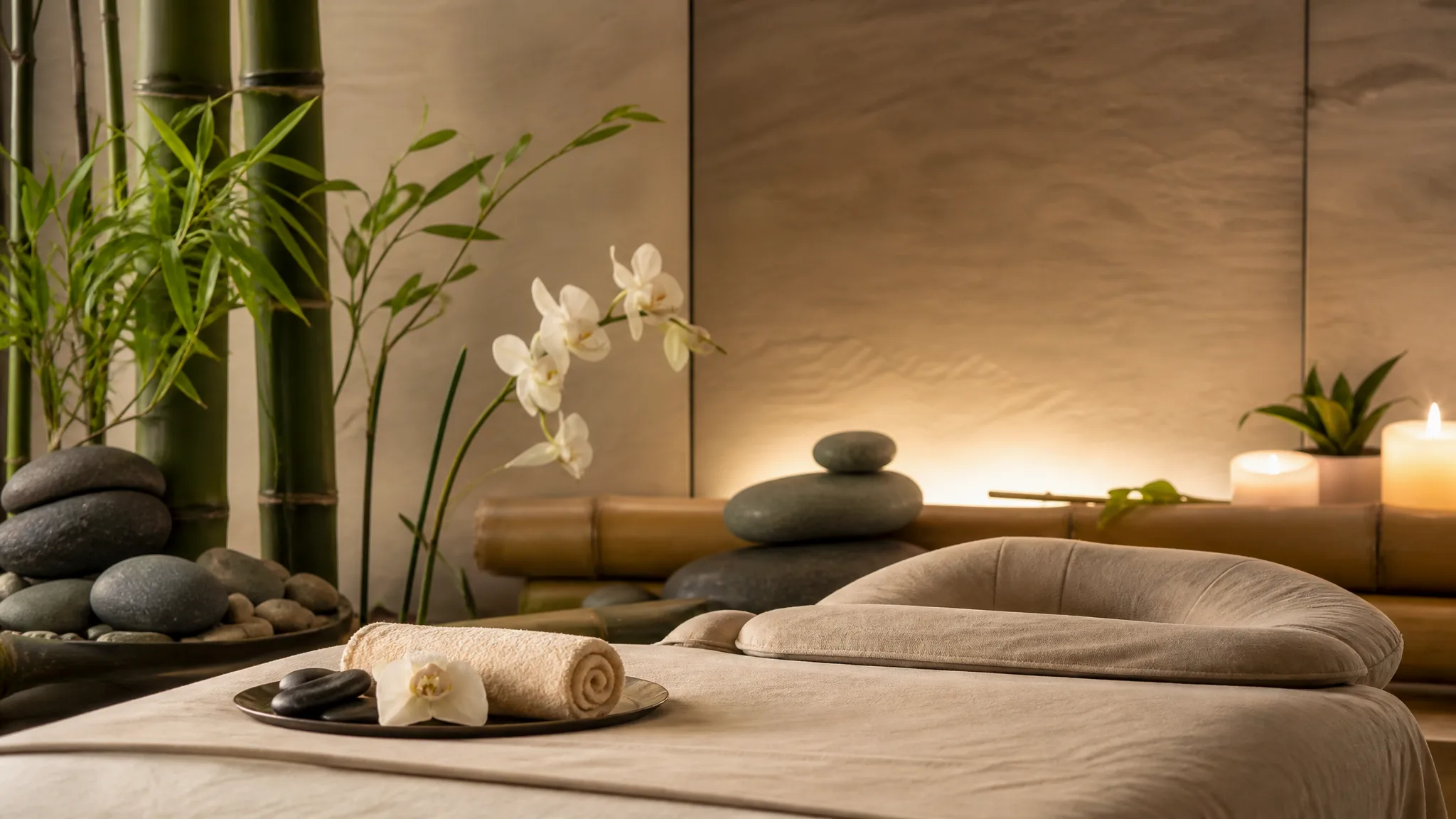
Head, Scalp, Neck & Cervical Massage
Head Massage (Champi): Stress Relief and Hair Health – Traditional Indian Wisdom
7 min read · 05 May 2026
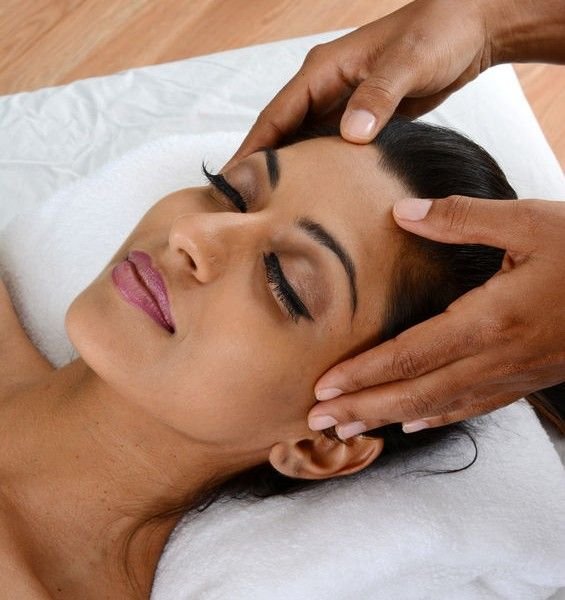
Head, Scalp, Neck & Cervical Massage
Scalp Massage For Hair Growth Raipur: Baalon Ka Jharna Rokein Naturally
4 min read · 01 May 2026
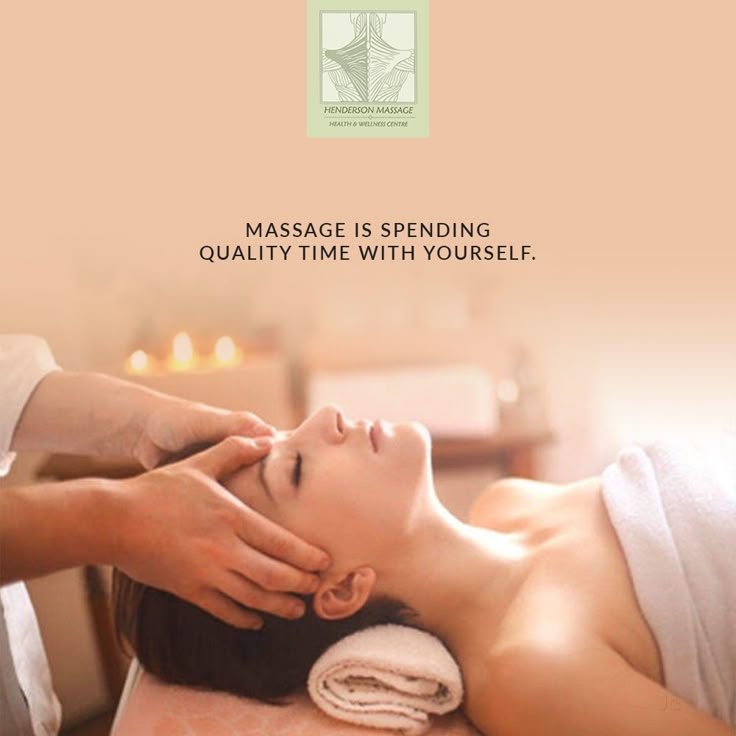
Head, Scalp, Neck & Cervical Massage
Head Massage for Migraine Relief: Practical Guide
1 min read · 21 Apr 2026
Enjoyed This Article?
Stop reading about relaxation — come experience it firsthand at Raipur SPA.
