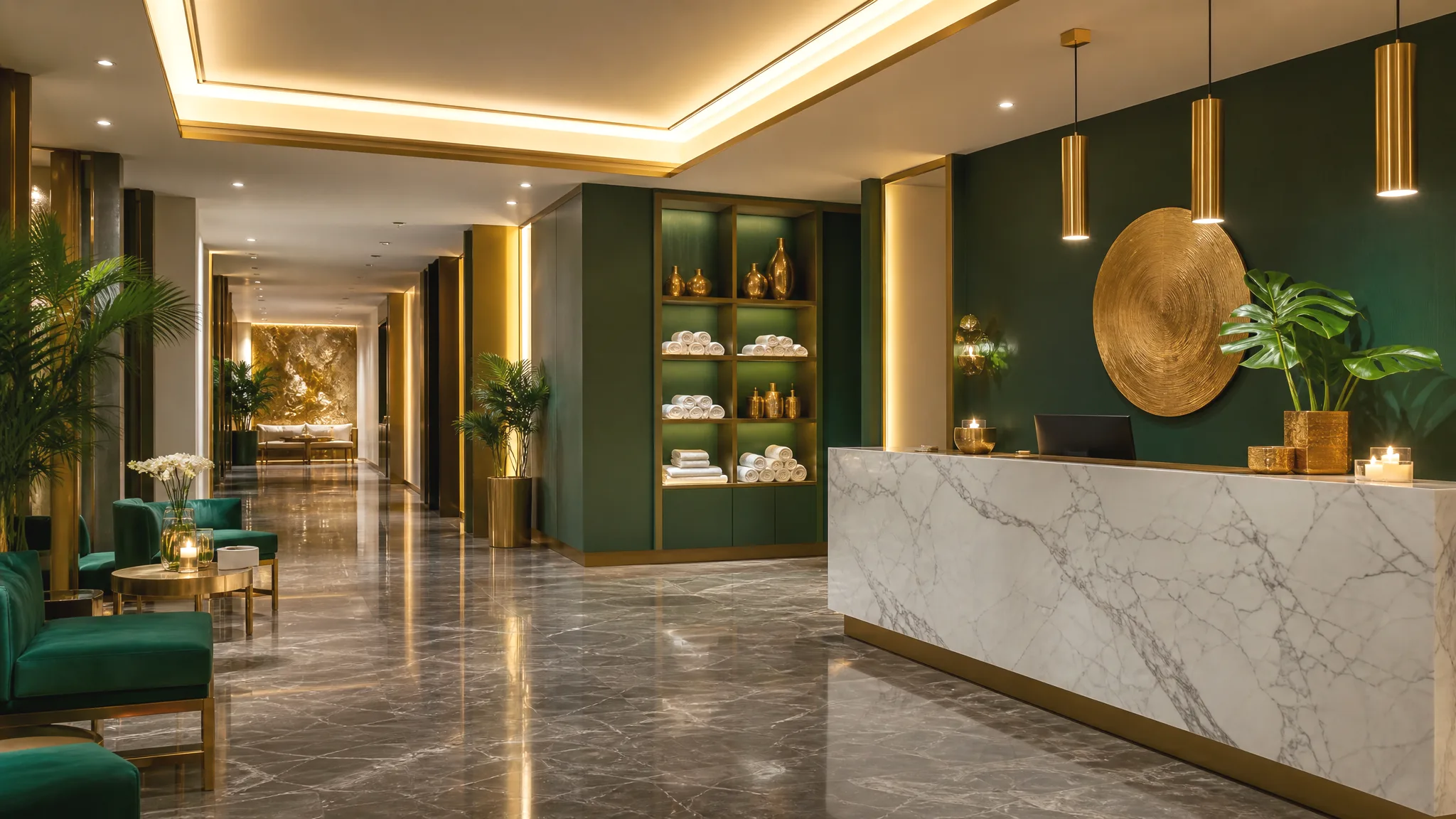

One of the most frequently asked questions from new clients at Raipur SPA is a simple but important one: does massage actually improve blood circulation, or is that just a marketing claim? The short answer is yes, massage therapy does improve blood circulation through several well-documented physiological mechanisms. But the fuller answer is more interesting and more nuanced than most people expect.
Understanding how massage affects circulation can help you choose the right therapies, set realistic expectations, and maximise the circulatory benefits of every session. This guide explains the science in accessible terms, maps each massage technique to its specific circulatory effects, and provides practical guidance for anyone looking to improve their vascular health through regular massage therapy.
The Circulatory System: A Quick Overview
Your circulatory system, consisting of the heart, blood vessels, and blood, is your body delivery and waste removal network. Arteries carry oxygen-rich blood from the heart to tissues throughout the body. Veins return oxygen-depleted blood and waste products back to the heart and lungs for refreshment. Capillaries, the tiniest blood vessels, facilitate the exchange of oxygen, nutrients, and waste between blood and tissues.
For this system to function optimally, blood needs to flow freely. Factors like physical inactivity, stress, tight muscles, dehydration, and certain medical conditions can impair circulation, leading to symptoms like cold hands and feet, muscle fatigue, slow healing, brain fog, and increased cardiovascular risk. Massage therapy addresses circulation at multiple levels simultaneously.
Mechanical Mechanisms: How Massage Physically Moves Blood
The most direct way massage improves circulation is through mechanical pressure and movement. When a therapist applies strokes and compression to your muscles and soft tissues, several things happen simultaneously.
Venous Return Enhancement: Veins rely on muscle contractions and one-way valves to push blood back toward the heart. Massage strokes, particularly the long, flowing movements used in Swedish massage, physically compress veins and push blood in the direction of venous flow. This is especially beneficial for the legs, where gravity makes venous return more challenging. Clients who sit for long hours or have jobs that require prolonged standing often notice improved leg circulation after massage sessions.
Vasodilation: The pressure and heat generated during massage cause blood vessels to dilate. This vasodilation reduces peripheral resistance, meaning the heart can pump blood more easily through the circulatory system. The result is improved blood flow to muscles, skin, and organs. Many clients notice their skin appears pinker and feels warmer after a massage, which is a visible sign of vasodilation.
Lymphatic Stimulation: The lymphatic system, which runs parallel to the circulatory system, is responsible for removing waste products from tissues. Unlike the cardiovascular system, the lymphatic system has no central pump, it relies entirely on muscle movement and manual stimulation. Massage techniques, particularly effleurage and manual lymphatic drainage, physically move lymph fluid, helping the body eliminate metabolic waste and reduce swelling.
Biochemical Mechanisms: The Body Chemical Response
Beyond the mechanical effects, massage triggers biochemical changes that support circulation. Massage reduces cortisol levels, which is significant because elevated cortisol constricts blood vessels and impairs circulation. By lowering cortisol, massage allows blood vessels to relax and dilate more freely. Massage also stimulates the release of nitric oxide, a molecule produced by the inner lining of blood vessels. Nitric oxide is a potent vasodilator, it signals blood vessel walls to relax and widen, improving blood flow and reducing blood pressure.
Massage Techniques Most Effective for Circulation
Not all massage techniques affect circulation equally. Here are the most effective approaches for improving blood flow.
Swedish Massage
Swedish massage is the gold standard for circulatory benefits. Its characteristic long, flowing strokes in the direction of blood flow toward the heart directly enhance venous return. The five basic strokes of Swedish massage, effleurage, petrissage, tapotement, friction, and vibration, each contribute to circulation in slightly different ways. Effleurage warms up tissues and promotes blood flow directionally. Petrissage compresses and releases muscles, pumping blood through tissues.
Deep Tissue Massage
Deep tissue massage targets the deeper layers of muscle and fascia. While its primary purpose is breaking down adhesions and releasing chronic tension, the circulatory benefits are substantial. The sustained pressure used in deep tissue work compresses deeper blood vessels, and when the pressure is released, fresh blood rushes into the area, a phenomenon called reactive hyperaemia. This flush of oxygenated blood helps clear metabolic waste and delivers nutrients to tissues that may have been chronically deprived.
Manual Lymphatic Drainage
Manual lymphatic drainage is a specialised technique using light, rhythmic, circular movements to stimulate lymph flow. While distinct from standard massage, it is often incorporated into spa treatments for clients with swelling, post-surgical recovery needs, or a desire to boost immune function.
Foot Massage and Reflexology
The feet contain an extensive network of blood vessels and nerve endings. Foot massage mechanically improves circulation in the lower extremities, particularly beneficial for people who stand or sit for long hours. Many Raipur SPA clients who work desk jobs report noticeable relief from cold feet and leg heaviness after foot massage sessions.
Who Benefits Most from Circulation-Focused Massage?
While everyone benefits from improved circulation, certain groups experience particularly noticeable results: office workers and IT professionals who sit for extended periods, athletes and fitness enthusiasts, older adults who frequently experience reduced circulation with age, individuals with sedentary lifestyles, and people with conditions like diabetes or peripheral artery disease.
What the Research Says
Scientific evidence supporting massage circulatory benefits continues to grow. A 2014 study published in the Journal of Alternative and Complementary Medicine found that a single session of Swedish massage produced significant increases in blood flow in the brachial artery. A 2018 review in the International Journal of Therapeutic Massage and Bodywork examined multiple studies and concluded that massage therapy consistently increases local blood circulation, with the magnitude of improvement varying based on technique, pressure, and session duration.
Complementary Practices for Optimal Circulation
To maximise circulatory benefits, combine massage with these lifestyle practices: stay hydrated before and after sessions; engage in regular physical activity like walking; practice deep breathing; elevate your legs when resting; and avoid prolonged sitting by standing and stretching every thirty to forty-five minutes during work.
Experience Circulation-Boosting Massage at Raipur SPA
Raipur SPA therapists are trained to optimise massage techniques for circulatory benefits. Whether you choose a relaxing Swedish massage for general flow enhancement or deep tissue work for targeted circulation improvement, our team will tailor the session to your needs. Book your appointment today and discover how professional massage can transform your circulation and overall wellbeing. Call +91 79873 03127 to speak with our team.
People Also Ask
Related Articles
Wellness Guides, Pricing & FAQs
Benefits of Monthly Massage: Why Consistency Matters More Than You Think
5 min read · 05 May 2026
Wellness Guides, Pricing & FAQs
Massage for Diabetes Management: How Therapeutic Massage Supports Blood Sugar Control and Wellness
5 min read · 05 May 2026
Wellness Guides, Pricing & FAQs
Why Raipur SPA Is the Top-Rated Spa in Chhattisgarh: The Untold Story of Excellence
5 min read · 05 May 2026
Enjoyed This Article?
Stop reading about relaxation — come experience it firsthand at Raipur SPA.
