Monsoon Wellness Plan with Body Therapies — A Conversation with Our Lead Therapist
Interviewer: Monsoon season in Raipur can be intense — humidity, sudden temperature drops, constant dampness. How does this affect our bodies?
Lead Therapist (Anita): Look, Raipur ki monsoon is specific. We get that heavy, muggy humidity that seeps into everything. Our clients feel it in their bones. Literally. The body reacts to this weather change in very predictable ways — joint stiffness, digestive sluggishness, skin issues, and a general feeling of lethargy. I call it "monsoon body." It's not a medical term, but every therapist here knows exactly what clients mean when they say it.
Interviewer: Monsoon body — that's an interesting term. Can you break down what you mean?
Anita: Of course. When the weather shifts from summer heat to monsoon humidity, the barometric pressure drops. For people with any kind of joint sensitivity — and that's more people than you'd think — this pressure change causes tissues to expand slightly, putting pressure on nerves. That's why you hear clients say, "I can feel the rain coming in my knees." They're not being poetic. They're describing a real physiological phenomenon.
Add to that the fact that humidity slows down your body's natural cooling mechanisms. Your body has to work harder to regulate temperature, which drains energy. Combine all of that with seasonal viruses floating around — colds, flus, sinus infections — and you've got a recipe for feeling terrible for three months straight.
Interviewer: So what can body therapies actually do about it?
Anita: This is where I get excited, because people underestimate how powerful the right therapy can be during monsoon. Most people think spa therapies are just for winters or post-summer recovery. But monsoon is actually the season where body therapies can make the biggest difference.
The Ayurvedic Perspective on Monsoon Wellness
Anita: In Ayurveda, monsoon is considered "Vata season" — the time when Vata dosha becomes aggravated. The cold, damp, windy qualities of monsoon increase Vata in the body. When Vata is out of balance, you get dry skin, joint pain, irregular digestion, anxiety, and disturbed sleep.
The traditional Ayurvedic recommendation during monsoon is "Snehana" (oleation therapy) — applying medicated oils to the body to counteract the drying and destabilizing effects of Vata. This isn't some ancient superstition. The logic is sound: in humid weather, people tend to avoid oil because they feel sticky already. But that's counterproductive. Your skin actually needs more oil in monsoon because the humidity causes you to sweat, and that sweat washes away the skin's natural protective oils.
Interviewer: So you're saying we need more oil in monsoon, not less?
Anita: Exactly right. But the trick is using the right oils. Not heavy, greasy oils that sit on top of the skin, but penetrating oils like sesame or specific herbal blends that absorb quickly and nourish the deeper tissues. At Raipur SPA, we use a special monsoon oil blend with warming herbs like ginger, eucalyptus, and camphor that cut through the dampness without making you feel greasy.
Specific Body Therapies for Monsoon Season
Interviewer: Let's get specific. What treatments should someone book during monsoon?
Anita: I'll give you my top recommendations based on what I've seen work best over the years:
1. Abhyanga (Full Body Oil Massage with Warming Oils)
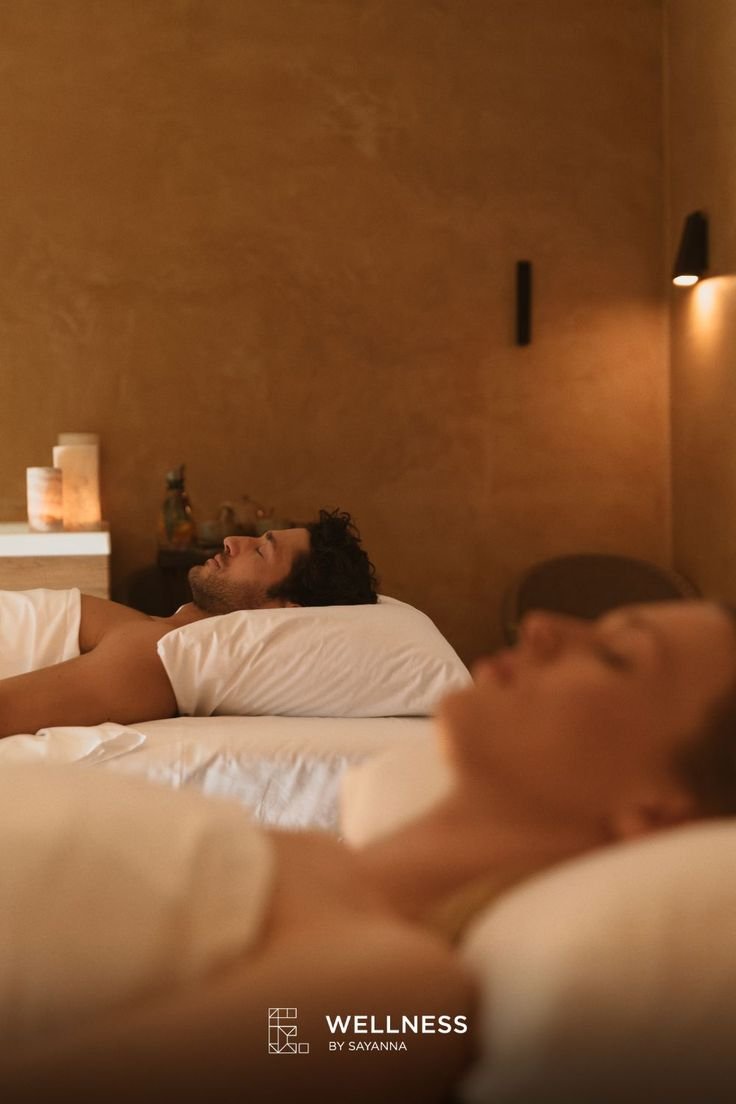
This is the gold standard for monsoon. A full body massage using warm herbal oils that are specifically chosen to balance Vata dosha. The rhythmic, long strokes help calm the nervous system, which is particularly important in monsoon when the dampness can make people feel lethargic and low. I recommend this once every 10-14 days during the season. Our clients who maintain this schedule through July-September report significantly less joint stiffness and better sleep.
2. Steam Therapy Before Massage
Monsoon lowers your body's core temperature. Before a massage, 10-15 minutes in a steam room opens the pores, relaxes the muscles, and warms the deep tissue. This makes the subsequent massage twice as effective because the muscles are already pliable. The steam also helps clear sinuses — a common monsoon complaint.
3. Foot Reflexology for Sinus Relief
The connection between congestion in the body and congestion in the head is well-documented in reflexology. Specific pressure points on the feet correspond to sinus passages and lymphatic drainage areas. I've seen clients come in with heavy heads and blocked sinuses, and after a 45-minute reflexology session, they can breathe freely for the first time in days. It's not magic — it's pressure point physiology.
4. Herbal Compress Therapy (Pinda Sweda)
This is a traditional treatment where medicated herbal pouches are heated and applied to specific body areas with gentle pressure. The herbs used — typically a blend of rice, turmeric, neem, and other anti-inflammatory botanicals — help with the muscle stiffness and joint discomfort that monsoon amplifies. The heat from the compresses penetrates deeply and provides sustained relief that lasts for days.
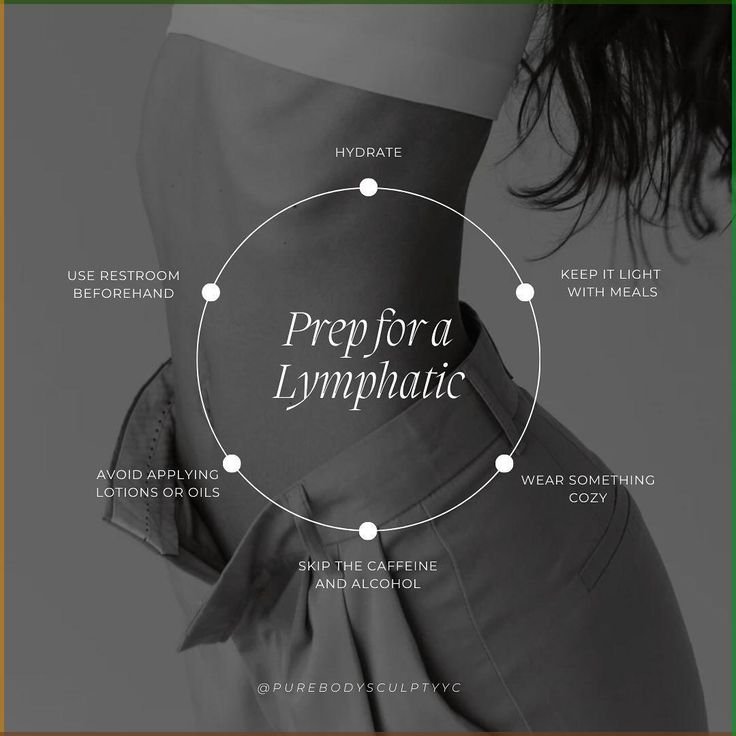
5. Lymphatic Drainage Massage
Monsoon's humidity and reduced activity levels can slow down your lymphatic system — the body's waste removal network. When lymph flow is sluggish, you feel bloated, heavy, and congested. A gentle lymphatic drainage massage uses light, rhythmic strokes in the direction of lymph flow to stimulate your body's natural detoxification. Many clients tell me they feel noticeably lighter after a session.
6. Nasya Therapy (Nasal Oil Application)
This is a simple but incredibly effective Ayurvedic treatment for monsoon-related sinus issues. A few drops of medicated oil are applied to the nostrils. It sounds basic, but the results are remarkable. The oil creates a protective barrier in the nasal passages, preventing allergens and pathogens from entering the respiratory system. It's like using a humidifier for your sinuses, but more targeted.
A Sample Monsoon Wellness Plan
Interviewer: If someone wants to build a monsoon wellness routine, what would you recommend?
Anita: Here's a sample 4-week plan that I've given to dozens of clients in Raipur:
Week 1: Full body Abhyanga with hot oil + steam therapy. This marks the start of your seasonal adjustment. Your body recalibrates to the changing weather.
Week 2: Foot reflexology + herbal compress therapy. By week two, any sinus or joint issues are becoming apparent. This session targets both.
Week 3: Lymphatic drainage massage. You're now in the middle of monsoon. Your lymphatic system needs a boost to handle the increased toxin load from humidity.
Week 4: Repeat full body Abhyanga + Nasya treatment. Close out the month with a full reset. The cumulative effect of monthly treatments during monsoon season is remarkable — you won't just feel better after each session, you'll notice that your overall wellness baseline has shifted upward.
Interviewer: And what about self-care between sessions?
Anita: Excellent question. Don't just rely on spa visits. Self-care is essential during monsoon:
- Warm oil self-massage (Abhyanga at home): Spend 5-10 minutes massaging warm sesame oil into your feet, joints, and scalp before your morning shower. It takes two minutes but changes your entire day.
- Eat warm, cooked foods: Avoid cold salads and raw vegetables during monsoon. Your digestive fire (Agni) is weaker. Warm soups, stews, and khichdi support digestion and prevent the bloated feeling that monsoon brings.
- Drink ginger tea: A simple cup of fresh ginger tea with honey and lemon, twice a day. It keeps the respiratory system clear and supports digestion.
- Protect yourself from getting wet: If you get caught in the rain, dry yourself immediately and change into dry clothes. Sitting in damp clothes is one of the fastest ways to aggravate Vata and invite joint stiffness.
- Keep your feet clean and dry: Feet are especially vulnerable to fungal infections in monsoon. A quick foot soak with warm water and salt, followed by drying thoroughly between toes, prevents most issues.
Common Monsoon Wellness Myths
Interviewer: Are there myths about monsoon and body therapies that you frequently encounter?
Anita: Oh, several. Let me address the most common ones:
Myth 1: "Massage is only for cold weather." Wrong. Cold weather increases Vata too, but different. Hot weather is Pitta season. Each season needs different therapies. Monsoon massage with the right oils and techniques is actually more important than winter massage for overall well-being because the seasonal transition is more extreme.
Myth 2: "Oil massage will make me feel sticky in the humidity." Not if you use the right oil and technique. Our monsoon blend absorbs quickly and doesn't leave a greasy residue. Plus, the oils used during massage are washed off properly. You leave feeling nourished, not oily.
Myth 3: "Steam will make me feel more tired." Actually, the opposite is true. A short steam session before massage invigorates the body by increasing circulation and loosening stiff joints. The fatigue people feel in monsoon comes from the body working harder to regulate temperature. Steam helps the body acclimatize.
Myth 4: "I should avoid spa completely during monsoon because I might catch a cold." Spas are temperature-controlled and hygienic. Staying at home and not addressing monsoon-related body issues is what makes you more susceptible to colds. A healthy, well-maintained body has a stronger immune system. Regular therapy during monsoon supports your body's natural defenses.
Final Advice for Monsoon Wellness
Interviewer: Is there a final piece of advice you'd give to someone reading this?
Anita: Yes. Don't wait until you feel terrible to start your monsoon wellness routine. The mistake most people make is reactive wellness — they wait until the joint pain is unbearable or the sinuses are fully blocked before seeking help. The most effective approach is preventive: start your monsoon wellness routine at the beginning of July, before the season worsens. A consistent monthly body therapy schedule through monsoon will keep your body balanced, your energy stable, and your mood lifted through the entire season. Your body will thank you when the sun comes back in October.
At Raipur SPA, we've developed specific monsoon wellness packages that combine the therapies I've discussed. They've been refined over years of observing what works best in Raipur's specific climate. Our therapists are trained to customize each session based on what your body is telling us that day — because monsoon affects everyone differently.
People Also Ask
Related Articles


Enjoyed This Article?
Stop reading about relaxation — come experience it firsthand at Raipur SPA.