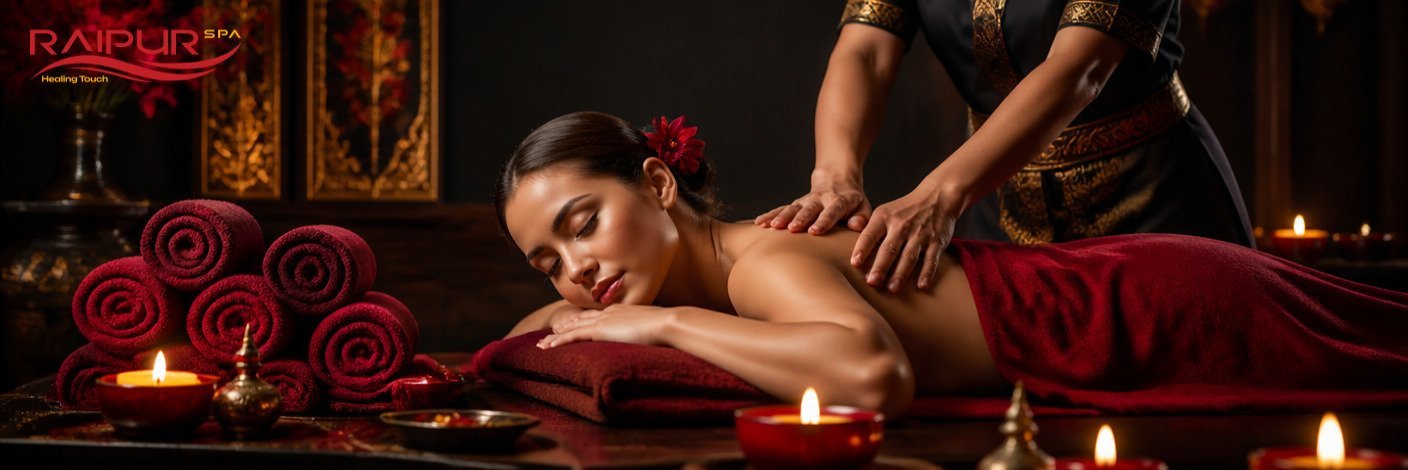
What is an Abhyanga Ayurvedic massage and what should you expect during a session in Raipur?
Abhyanga is a traditional Ayurvedic full-body massage using warm herbal oil, applied in rhythmic strokes along the body's energy channels. A session in Raipur typically lasts 45 to 90 minutes and includes a brief consultation, warm oil application, and a relaxing massage, followed by rest and advice to avoid cold exposure. It is generally described as calming and is often chosen for relaxation and stress relief.
Key Takeaways
- • Abhyanga is a traditional Ayurvedic full-body massage performed with warm herbal oil.
- • Sessions usually last 45 to 90 minutes, including a short consultation.
- • The massage uses rhythmic strokes intended to promote relaxation and calm.
- • Wear or bring disposable or old clothing, as oil may stain fabrics.
- • Plan to rest briefly after the session and avoid cold exposure immediately afterward.
- • Choose a licensed spa in Raipur and inform the therapist of any health conditions.
Abhyanga is a traditional Ayurvedic full-body massage where warm herbal oil is worked into the skin with long, rhythmic strokes. In Raipur, it is offered as a deeply relaxing therapy that supports circulation, eases stiffness, calms the nervous system and nourishes dry skin. A session usually lasts 60 to 90 minutes and includes a warm oil massage followed by rest and a bath.
Key Takeaways
- Abhyanga is a warm-oil Ayurvedic massage that works on the whole body using dosha-specific herbal oils.
- Regular sessions may help with muscle stiffness, poor circulation, dry skin, stress and disturbed sleep.
- A standard session runs 60 to 90 minutes, including consultation, massage, steam and a warm shower.
- Oils are chosen after a short assessment — sesame, coconut, mustard or medicated blends depending on your body type and season.
- It is generally safe for most adults, but avoid it during fever, acute illness, pregnancy without medical clearance, or right after a heavy meal.
- At Raipur SPA in Samta Colony, therapies start from ₹999 and the spa is open daily from 11:00 AM to 09:00 PM.
What Exactly Is Abhyanga?
The word comes from Sanskrit — abhyanga loosely means "to rub with oil." It is one of the oldest therapies in Ayurveda, described in classical texts as a daily ritual for maintaining health rather than a treatment for illness alone. The Charaka Samhita, one of the foundational Ayurvedic texts, lists abhyanga as a daily practice (dinacharya) for longevity and vitality.
What makes it different from a regular spa massage is the oil. It is warmed to a comfortable temperature and often infused with herbs like ashwagandha, brahmi, dashmool or sandalwood. The strokes are firm but slow, always moving toward the heart, and the therapist works systematically from scalp to soles. The oil is not just a lubricant; it is considered a carrier for the herbs' therapeutic properties, which are absorbed through the skin.
There is also an intention behind it. Abhyanga is designed to balance the doshas — vata, pitta and kapha — and to settle the nervous system. Most people describe the after-effect as feeling grounded rather than just "relaxed." The therapy is often part of a broader Ayurvedic regimen that includes diet, yoga and herbal supplements, but it can be enjoyed on its own as a restorative treatment.
Why Abhyanga Ayurvedic Massage in Raipur Is Worth Trying
Raipur's climate swings between dry, dusty summers and humid monsoons. That mix takes a toll on skin and joints. A warm-oil therapy suits this environment well — it counters dryness during winter and the harsh pre-monsoon months, and it helps with the heaviness many people feel during the humid season. For example, in the peak of summer when the loo (hot wind) blows, the skin loses moisture rapidly; a sesame oil abhyanga can restore hydration and soothe sun-exposed skin. During the monsoon, when kapha dosha increases, lighter oils like mustard or medicated blends with warming herbs can prevent sluggishness and joint stiffness.
There is also the pace of the city itself. Long commutes, desk work and irregular sleep are common complaints. Abhyanga is one of the few therapies that works on circulation and the nervous system at the same time, which is why people often book it when they feel run-down rather than injured. Many IT professionals and business owners in Raipur use it as a monthly reset to counteract the effects of prolonged sitting and screen time.
Moreover, Raipur has a growing wellness scene, but authentic Ayurvedic therapies are still relatively few. Raipur SPA stands out by offering traditional abhyanga with trained therapists who understand the nuances of dosha-based oil selection and stroke techniques. It's not just a massage; it's a piece of Ayurvedic wisdom adapted for modern urban life.
Benefits You Can Realistically Expect
1. Relief from stiffness and muscle tension
The sustained, warming strokes increase blood flow to muscles and connective tissue. If you sit at a desk all day or drive long distances, the neck, shoulders and lower back usually feel noticeably looser by the end of the session. The therapist pays special attention to the cervical and lumbar regions, using circular strokes and gentle traction to release knots. For chronic stiffness, a series of weekly sessions can yield cumulative benefits, as the oil penetrates deeper and the muscles learn to relax.
2. Better sleep and a calmer mind
Abhyanga stimulates the parasympathetic nervous system — the "rest and digest" side. Many clients report sleeping more deeply on the night of their massage. The scalp and foot work in particular has a strong settling effect. In Ayurveda, the feet are considered a microcosm of the body, and massaging them with warm oil helps draw energy downward, reducing mental chatter. If you struggle with insomnia or anxiety, an evening abhyanga session can be particularly beneficial.
3. Improved skin texture and hydration
Herbal oils penetrate the outer skin layer and help seal in moisture. With regular sessions, dryness, flakiness and that dull winter look tend to improve. It is not a facial, but people often notice their skin feels softer and looks less tired. Oils like coconut and brahmi have cooling properties, while sesame and almond are nourishing for dry skin. The massage also stimulates lymphatic drainage, which can reduce puffiness and give the skin a subtle glow.
4. Support for circulation and lymph flow
The directional strokes assist venous return and lymphatic movement. You may feel lighter and less puffy, especially in the legs and ankles. This is particularly helpful for people who stand for long hours or have mild edema. The gentle pressure on the abdomen also aids digestion and can relieve bloating.
5. A reset for stress-related fatigue
This is the benefit most clients come back for. Abhyanga does not just relax you for an hour — it gives the body a chance to downshift after weeks of accumulated stress. The rhythmic strokes synchronize with the breath, inducing a meditative state. Many regular clients describe it as "a reset button for the nervous system."
6. Enhanced joint mobility and flexibility
Warm oil combined with gentle stretching and firm strokes can improve joint lubrication and reduce stiffness, especially in the knees, shoulders and hips. For those with mild arthritis or age-related stiffness, abhyanga can complement other treatments. The therapist may incorporate passive movements to enhance range of motion.
7. Hormonal balance and menstrual health
In Ayurveda, abhyanga is sometimes recommended for regulating menstrual cycles and alleviating menstrual discomfort (though not during menstruation itself). The oil and strokes help balance vata and pitta, which are often involved in hormonal irregularities. Many women report more regular cycles and reduced PMS symptoms after consistent practice.
What Happens During a Session at Raipur SPA
Knowing the sequence takes the uncertainty out of a first visit. Here is how a typical Abhyanga appointment unfolds.
Consultation
Your therapist asks about your sleep, digestion, skin type, stress levels and any areas of pain. This short conversation decides the oil blend and the pressure level. Be honest about injuries or medical conditions — it changes how the session is planned. You'll also be asked about your dosha constitution if you know it, but don't worry if you don't; the therapist can assess it through simple questions and observation.
Preparation
You change into disposable spa wear and lie on a massage table. The oil is warmed and often tested on your forearm first so you know exactly what to expect. The room is kept warm and dimly lit, with calming music playing softly. The therapist will ensure you are comfortable and draped appropriately throughout the session.
The massage
The therapist begins at the scalp, moves to the face and neck, then works down the arms, chest, abdomen, back, legs and feet. Strokes are long and consistent, with extra attention to tight areas. Expect a fair amount of oil — that is part of the therapy, not a mistake. The therapist may use palms, thumbs, and sometimes forearms to apply pressure. The sequence follows a specific pattern to move lymph and blood toward the heart, and to balance the doshas. For example, for vata types, the strokes are slower and more grounding; for pitta, they are moderate and cooling; for kapha, they are more vigorous and stimulating.
Rest and steam
After the massage you rest for a few minutes, often under a warm towel. Some sessions include a light steam, which helps the oil absorb and deepens the relaxation. The steam is usually infused with eucalyptus or other herbs to clear the respiratory passages. This is a good time to practice deep breathing and let the effects settle in.
Shower and aftercare
You rinse off with warm water and a mild cleanser. Your therapist will usually suggest resting for 20 to 30 minutes, drinking warm water and avoiding cold drinks or air-conditioned rooms immediately afterward. It's also advisable to avoid strenuous activity for the rest of the day to allow the oil's benefits to percolate. Some therapists provide a herbal tea to sip post-massage, which aids digestion and detoxification.
How to Choose the Right Oil and Pressure
You do not need to know your dosha before booking — the therapist will guide you. Still, a little background helps.
- Vata types (dry skin, light sleep, tendency to feel cold) usually do well with warm sesame oil and slow, firm strokes. Ashwagandha-infused oil is excellent for grounding vata.
- Pitta types (warm body, sensitive skin, sharp appetite) often prefer cooling coconut or brahmi oil with moderate pressure. Sandalwood oil is also calming for pitta.
- Kapha types (heavier build, oily skin, sluggishness) benefit from lighter oils like mustard or medicated blends with more vigorous strokes. Herbs like ginger and black pepper can be added to stimulate circulation.
If you are unsure, say so. A good therapist will adjust based on how your skin and muscles respond. They may also consider the season: in winter, heavier oils like sesame are preferred; in summer, coconut or sunflower; in monsoon, mustard or medicated oils to counter dampness. The pressure can also be tailored: if you are sensitive or have a low pain threshold, ask for gentle pressure; if you prefer deep tissue work, the therapist can apply firmer strokes.
Who Should Avoid or Postpone Abhyanga
Abhyanga is gentle, but it is not for everyone at every moment. Skip it if you have fever, an acute infection, open wounds, or a recent fracture. People with uncontrolled hypertension, active skin infections or blood-clotting disorders should consult a doctor first. Those with contagious skin conditions like scabies or fungal infections should avoid it to prevent spread.
Pregnant women should only book with clearance from their gynecologist and inform the therapist in advance. Also avoid a session on a full stomach — leave at least two hours after a meal. It's also best to avoid abhyanga immediately after strenuous exercise or when you are overly fatigued; rest first. If you have a history of blood clots or are on blood-thinning medication, consult your physician.
How Often Should You Get One?
For general wellness, once or twice a month works well for most people. If you are recovering from chronic stiffness or high stress, a short series of weekly sessions over four to six weeks often gives better results than a single appointment. Think of it like exercise: consistency matters.
During winter, when dryness and joint stiffness peak in Chhattisgarh, many clients increase frequency. In the humid months, a lighter oil and slightly longer gap between sessions usually feels better. Some people also do a seasonal detox (ritucharya) with daily abhyanga for a week or two, which is believed to reset the body. Listen to your body: if you feel more relaxed and mobile, you're on the right track.
Abhyanga vs. a Regular Spa Massage
Both feel good, but they aim at different things. A Swedish or deep tissue massage focuses on muscular tension and structural release. Abhyanga is broader — it works on circulation, skin, sleep and stress together, guided by Ayurvedic principles. The oils used in abhyanga are medicinal, whereas regular massage oils are often just for lubrication. The strokes in abhyanga are also more rhythmic and synchronized with the breath, and the session often includes a scalp and foot massage that are not standard in Western massages.
If you have a specific sports injury, a targeted massage may suit you better. If you feel generally depleted, dry, stiff or overstimulated, Abhyanga is often the more fitting choice. Many people combine both: abhyanga for overall wellness and deep tissue for specific issues.
Booking Abhyanga in Raipur
Raipur SPA is located in Samta Colony, Raipur, and runs therapies starting from ₹999. The spa is open daily from 11:00 AM to 09:00 PM, so evening slots after work are easy to find. The spa offers a serene environment with trained therapists who specialize in Ayurvedic therapies. You can choose from a range of oils and add-ons like steam or herbal tea.
Book ahead on weekends and during festival periods — Abhyanga sessions take longer than standard massages, and popular slots fill up quickly. Tell the team if it is your first time so they can allow extra time for the consultation. You can book via phone or WhatsApp at +91 7987 303 127. Payment options include cash, cards, and digital wallets. The spa also offers gift vouchers, which make a thoughtful present for loved ones.
Frequently Asked Questions
What is Abhyanga massage?
It is a traditional Ayurvedic full-body massage using warm herbal oil, applied with long rhythmic strokes from scalp to feet. The aim is to balance the doshas, improve circulation and calm the nervous system.
How long does an Abhyanga session take?
Most sessions run 60 to 90 minutes, including consultation, massage, rest and a warm shower. First-time visits may take slightly longer because of the initial assessment.
Is Abhyanga painful?
No. Pressure is firm but comfortable, and you can ask the therapist to adjust it at any point. Some tenderness in tight areas is normal, but it should never feel sharp or bruising.
Do I need to shower after Abhyanga?
Yes, you rinse off with warm water and a mild cleanser after resting. Leaving the oil on for a short while helps absorption, but you should not stay oily for hours afterward.
Can I get Abhyanga during periods or pregnancy?
It is usually avoided during menstruation. Pregnant women should only book with medical clearance and must inform the therapist so the oils and pressure can be adjusted.
How much does Abhyanga cost in Raipur?
At Raipur SPA, therapies start from ₹999. Final pricing depends on session duration and the oil blend chosen during your consultation.
What should I wear during an Abhyanga session?
You will be provided with disposable spa wear (usually a paper thong and bra for women, and shorts for men). You can undress to your comfort level; the therapist will ensure you are properly draped at all times.
Can I eat before an Abhyanga massage?
It is best to avoid a heavy meal at least two hours before the session. A light snack an hour prior is okay. Massage on a full stomach can cause discomfort.
Are there any side effects of Abhyanga?
Abhyanga is generally safe and side effects are rare. Some people may experience mild soreness the next day, similar to after a workout. Allergic reactions to oils are possible but uncommon; always inform the therapist of any allergies.
Final Thoughts
Abhyanga is one of those therapies that rewards consistency. One session feels wonderful; a short series changes how you sleep, move and handle stress. If you have been meaning to try it, start with a single appointment and see how your body responds. The ancient wisdom of Ayurveda combined with modern comfort makes it a truly holistic experience.
To book an Abhyanga session at Raipur SPA, call or message us on WhatsApp at +91 7987 303 127. We will help you pick a time and answer any questions before you arrive.
Frequently Asked Questions
How long does an Abhyanga massage take?
Most Abhyanga sessions last between 45 and 90 minutes, depending on the spa and the treatment plan. The time includes a brief consultation and post-massage rest. Confirm the duration when booking in Raipur.
What oil is used in Abhyanga?
Abhyanga traditionally uses warm herbal oil, often sesame or coconut based, selected according to individual needs. Spas may offer different oil blends. Ask the therapist about the oil used if you have sensitivities.
Should I shower after an Abhyanga massage?
Many practitioners recommend waiting at least an hour before bathing to let the oil absorb. Follow the spa's specific aftercare guidance. Avoid cold showers immediately after the session.
Is Abhyanga suitable for everyone?
Abhyanga is generally considered gentle, but suitability varies by individual. People with skin conditions, injuries, or pregnancy should consult a qualified professional first. Inform your therapist of any health concerns before booking.
What should I wear or bring to an Abhyanga session?
Spas typically provide disposable underwear or towels during the massage. Bring loose, comfortable clothing to wear afterward, since oil may remain on the skin. Avoid wearing clothing you do not want exposed to oil.
How will I feel after an Abhyanga massage?
Many people report feeling relaxed and calm after the session. Some experience mild drowsiness or oiliness on the skin. Rest, hydrate, and avoid strenuous activity for a short period afterward.
Book Your Session
Book Your SessionPeople Also Ask
Related Articles

Massage Therapy
Hot Stone Massage in Raipur (2027 Guide): Warm Therapy for Deep Relaxation
13 min read · 22 Nov 2026
Massage Therapy
Head and Shoulder Massage in Raipur: Instant Relief for Desk Job Tension (2027 Guide)
15 min read · 22 Nov 2026
Massage Therapy
Aromatherapy Massage in Raipur 2027: Scents That Calm Body and Mind
7 min read · 22 Nov 2026
Enjoyed This Article?
Stop reading about relaxation — come experience it firsthand at Raipur SPA.