
What is an Abhyanga massage and what are its benefits?
Abhyanga is a traditional Ayurvedic full-body massage performed with warm herbal oil, typically using long, rhythmic strokes along the body's energy channels. It is valued for promoting relaxation, supporting circulation, easing muscle stiffness, and nourishing the skin. Sessions usually last 45 to 60 minutes and are often followed by a warm bath or steam to help the oil absorb.
Key Takeaways
- • Abhyanga is a classical Ayurvedic full-body massage using warm herbal oil.
- • Long, rhythmic strokes are applied along the body's energy channels and muscles.
- • It is commonly used to encourage relaxation and support healthy circulation.
- • The therapy may help ease muscle stiffness and nourish dry skin.
- • Sessions typically run 45 to 60 minutes and are often followed by steam or a warm bath.
- • Choosing a qualified therapist and appropriate herbal oil is important for a good experience.
Abhyanga Massage Explained: Benefits of This Classic Ayurvedic Therapy
Abhyanga massage is a traditional Ayurvedic full-body therapy where warm herbal oil is applied in rhythmic, synchronized strokes to balance the doshas, nourish the skin, and calm the nervous system. It is one of Ayurveda's most trusted daily rituals, valued for improving circulation, easing stiffness, and promoting deep relaxation. Unlike the quick, surface-level rubdown many of us associate with massage, Abhyanga is a slow, deliberate practice—one that treats the skin as a living organ and the body as an interconnected system rather than a collection of sore muscles. In this guide, we'll unpack what Abhyanga actually is, how it works according to Ayurvedic principles, the science-backed and tradition-backed benefits, what a real session feels like, and how to get the most out of it.
Key Takeaways
- Abhyanga is a warm-oil Ayurvedic massage designed to balance Vata, Pitta, and Kapha doshas.
- Regular sessions support circulation, joint comfort, skin health, and better sleep quality.
- The therapy uses medicated oils chosen for your body type and current imbalances.
- Strokes follow the direction of hair follicles and lymph flow, aiding gentle detoxification.
- Sessions typically last 45–60 minutes, followed by a warm steam or bath.
- Raipur SPA in Samta Colony, Raipur offers authentic Abhyanga therapies starting from ₹999.
What Is Abhyanga Massage?
The word "Abhyanga" comes from Sanskrit—abhi meaning "towards" and anga meaning "limb." So it literally means massaging the limbs, though a proper session covers the entire body, including the scalp, ears, and feet. The practice appears in classical Ayurvedic texts dating back more than two thousand years, and it has been passed down through generations of practitioners as both a preventive health measure and a treatment for specific imbalances.
Unlike a spa massage that focuses mainly on muscle relaxation, Abhyanga is a therapeutic system. The therapist selects an oil—sesame, coconut, mustard, or a medicated blend—based on your Prakriti (constitution) and current imbalances. The oil is warmed to a comfortable temperature and applied using long, firm strokes along the body's energy channels.
This isn't a formulaic routine. A good therapist adjusts pressure, speed, and oil quantity as they move through the body, reading subtle cues from your tissues. They may spend longer on a tight lower back, use gentler pressure around the abdomen, or work more deeply into the soles of the feet. That's what makes an authentic Abhyanga session feel deeply personal—and why two sessions with two different therapists can feel quite different even when the underlying technique is the same.
It's also worth distinguishing Abhyanga from related Ayurvedic treatments. Padabhyanga is a foot-only massage, Shiroabhyanga focuses on the head and scalp, and Kati Basti is a localized oil-pooling treatment for the lower back. Abhyanga is the full-body umbrella that incorporates elements of all of these.
The Ayurvedic Philosophy Behind the Warm-Oil Massage
Ayurveda views the body as a network of channels called srotas. When these channels get blocked by stress, poor diet, or environmental toxins, imbalances show up as stiffness, fatigue, dull skin, or restless sleep. Think of the body like a river system: when the current flows freely, everything downstream thrives; when debris accumulates, the water stagnates and the surrounding land suffers.
Warm oil is believed to dissolve these blockages. The heat penetrates the tissues, loosening accumulated Ama (metabolic waste) while the herbal properties of the oil nourish the deeper layers. Regular Abhyanga is considered a form of Snehana—oleation therapy—which prepares the body for deeper detoxification practices like Panchakarma. In this sense, Abhyanga isn't just a standalone treatment; it's often the first step in a longer therapeutic journey.
Ayurvedic texts describe the benefits of a daily oil massage in remarkable detail. The Charaka Samhita mentions that regular Abhyanga promotes longevity, improves complexion, and pacifies Vata dosha, which governs movement and the nervous system. The Ashtanga Hridaya adds that it strengthens the body, improves sleep, and wards off the effects of aging and fatigue. These aren't just poetic claims—many of them map neatly onto what modern physiology tells us about touch, circulation, and the nervous system.
Each dosha responds to Abhyanga differently. Vata types (air and space) benefit most from warm, heavy oils like sesame, which ground and stabilize. Pitta types (fire and water) do better with cooling oils like coconut or sunflower, especially in summer. Kapha types (earth and water) need lighter, warming oils like mustard or a blend with stimulating herbs to avoid feeling sluggish. A skilled therapist considers all of this before a single drop of oil is poured.
Health Benefits of Abhyanga Massage
1. Deep Nervous System Relaxation
The slow, rhythmic strokes stimulate the parasympathetic nervous system—the "rest and digest" mode. Cortisol levels drop, heart rate settles, and the mind quiets down. Many clients describe the sensation as being "held" rather than just massaged. This is partly why Abhyanga feels so different from a brisk Swedish massage: the pace is deliberately unhurried, giving the nervous system time to downshift.
If you carry stress in your shoulders, jaw, or lower back, this therapy works on those tension patterns without the jarring pressure of deep tissue work. The warmth of the oil alone is soothing—researchers have found that warm touch activates thermoreceptors that signal safety to the brain. For people who find deep tissue massage too intense or even re-traumatizing, Abhyanga offers a gentler alternative that still delivers profound relaxation.
2. Improved Circulation and Lymphatic Flow
Strokes in Abhyanga follow the direction of lymph movement toward the heart. This encourages better blood circulation and supports the body's natural detox processes. You may notice warmer skin and a lighter feeling afterward. The lymphatic system doesn't have a pump of its own—it relies on muscle movement and manual pressure to move fluid—so a full-body massage acts like a gentle assist for a system that can easily stagnate during long hours at a desk.
Over time, regular sessions may help reduce that heavy, puffy feeling many people experience in their legs and ankles, especially after travel or prolonged sitting. It's not a replacement for movement, but it's a supportive complement.
3. Joint and Muscle Comfort
Warm sesame oil is particularly effective for stiff joints and dry, tight muscles—especially in winter or for people with Vata-dominant constitutions. The oil penetrates the skin and lubricates the tissues, reducing that creaky, restricted feeling. Ayurveda calls this quality snigdha—unctuous or oily—and considers it essential for keeping joints supple.
If you wake up stiff, work at a computer all day, or have a physically demanding job, a weekly Abhyanga session can make a noticeable difference in how your body feels by the end of the week. Many regular clients report that they move more freely for days after a session.
4. Nourished, Glowing Skin
Abhyanga is essentially a deep moisturizing treatment for the entire body. The herbal oils deliver antioxidants and fatty acids that soften the skin, improve elasticity, and add a natural glow. Regular sessions can help with dryness, flakiness, and dullness. Sesame oil, in particular, is rich in vitamin E and linoleic acid, both of which support the skin barrier.
Because the massage also increases blood flow to the skin's surface, it can help with that tired, grayish look that comes from poor sleep or stress. Many people notice a visible difference in skin tone and texture after a few consistent sessions—not just immediately after the massage.
5. Better Sleep Quality
An evening Abhyanga session followed by a warm shower is one of the most effective natural sleep aids in Ayurveda. The calming effect on the nervous system helps you fall asleep faster and stay asleep longer. Ayurveda specifically recommends a foot massage with warm oil before bed for people who struggle with insomnia—and a full-body Abhyanga amplifies that effect.
If you're someone who lies awake replaying the day's conversations, this therapy gives your body a physical signal that the day is over. That's often more effective than trying to reason your mind into calmness.
6. Hormonal and Menstrual Support
Gentle Abhyanga on the lower abdomen and back is traditionally used to ease menstrual discomfort and balance hormones. Many women find it helpful for PMS-related tension and mood swings. The warmth and gentle pressure can ease cramping, while the calming effect on the nervous system helps with the irritability that often accompanies hormonal shifts.
It's important to note that during heavy menstrual days, many practitioners recommend avoiding vigorous abdominal massage—lighter, soothing strokes are preferred. Always communicate with your therapist about where you are in your cycle so they can adapt.
7. Mental Clarity and Mood Balance
The therapy's effect on Vata dosha—which Ayurveda associates with anxiety and scattered thinking—often translates to a clearer mind and steadier mood. It's not just physical relaxation; it's a reset for the whole system. Many clients describe a kind of mental spaciousness after a session, as though the background noise has been turned down.
This is partly why Abhyanga is often recommended during periods of transition—changing jobs, moving homes, recovering from illness—when the nervous system is most taxed. It doesn't solve the external problem, but it gives you a calmer baseline from which to handle it.
8. Support for Recovery and Fatigue
If you've been traveling, recovering from intense exercise, or simply running on empty, Abhyanga can help restore a sense of energy without stimulation. Unlike a cup of coffee that borrows energy from later, this therapy works by removing the friction that makes you feel tired—stiffness, poor circulation, and a tense nervous system. Many people report feeling both relaxed and more energized after a session, which sounds contradictory until you experience it.
What to Expect During a Session
A typical Abhyanga session at a professional spa runs about 45 to 60 minutes. Here's how it usually flows:
- Consultation: The therapist asks about your health, constitution, and any areas of concern. Be honest about injuries, allergies, and medications—this isn't the time to be polite.
- Oil selection: A suitable warm herbal oil is chosen for your needs. Some spas warm the oil in a small pot and keep it at a consistent temperature throughout the session.
- Full-body massage: Systematic strokes cover the scalp, face, neck, shoulders, arms, back, abdomen, legs, and feet. The therapist typically works from the extremities toward the heart, following lymph flow.
- Rest period: You rest for a few minutes so the oil can absorb.
- Steam or bath: Many spas follow the massage with a warm steam or shower to help the oil penetrate and to cleanse the skin.
Wear comfortable clothing you don't mind getting oily, or ask the spa for disposable garments. Avoid eating a heavy meal for at least an hour before your session. It's also a good idea to arrive a few minutes early so you're not rushing in—the whole point is to slow down, and that starts before you lie on the table.
During the massage, communicate. If the pressure is too light or too firm, say so. If you're cold, ask for an extra blanket. A good therapist wants this feedback; it's not an imposition.
Practical Tips to Get the Most Out of Abhyanga
- Schedule it wisely: Book your session for a time when you don't have to rush afterward. The benefits deepen if you can rest or take it easy for an hour or two.
- Hydrate beforehand: Drink water in the hours leading up to your appointment. Warm oil massage supports circulation, and good hydration helps your body make the most of it.
- Skip the heavy meal and alcohol: Eat something light an hour or two before, and avoid alcohol entirely that day.
- Wear loose clothing: You'll leave with oil still on your skin, so choose something comfortable and easy to put back on.
- Let the oil absorb: Don't rush to shower immediately. Waiting 30–60 minutes allows the herbs and fatty acids to do their work.
- Keep a simple log: Note how you sleep and feel in the days after a session. Patterns emerge quickly and help you and your therapist fine-tune the approach.
Who Should Consider Abhyanga?
Abhyanga suits most healthy adults. It's especially beneficial if you:
- Feel constantly stressed or mentally fatigued
- Have dry skin or joint stiffness
- Struggle with sleep
- Are recovering from physical exertion or travel
- Want a natural, holistic approach to wellness
- Sit or stand for long hours and feel chronically tight
- Are going through a period of change or emotional strain
Pregnant women, people with active skin infections, fever, or certain medical conditions should consult a doctor first. Always inform your therapist about allergies or health issues during the consultation. People with open wounds, recent fractures, or uncontrolled blood pressure should also seek medical clearance before booking.
If you're new to Ayurveda, start with a single session rather than committing to a package. See how your body responds, and use that experience to decide whether a regular routine makes sense for you.
Abhyanga vs. Regular Spa Massage: What's the Difference?
A standard spa massage focuses on muscular relaxation and stress relief. Abhyanga goes further—it's rooted in Ayurvedic diagnosis and aims to correct dosha imbalances over time. The oil isn't just a lubricant; it's a therapeutic medium carrying herbs into the body.
Also, Abhyanga includes the scalp and feet as essential parts of the treatment, whereas many spa massages treat these as optional add-ons. The scalp massage in particular is considered vital because it calms the mind and supports sleep. And the foot work isn't an afterthought—Ayurveda considers the feet a map of the whole body, with nerve endings connected to every major system.
Another difference is the pace. A Swedish or deep tissue massage often moves relatively quickly through the body, targeting specific muscle groups. Abhyanga is slower and more meditative, with long, continuous strokes that cover the whole body in a deliberate sequence. If you're looking for intense pressure on a specific knot, a sports massage may suit you better. If you want a full-system reset, Abhyanga is the more appropriate choice.
How Often Should You Get Abhyanga?
Ayurveda traditionally recommends daily self-massage, but for professional sessions, once a week or once every two weeks is a practical routine for most people. If you're dealing with a specific concern—chronic stiffness, poor sleep, high stress—a short series of weekly sessions can help establish momentum before spacing them out.
Seasonal changes are a good time to book. Many Ayurvedic practitioners suggest more frequent Abhyanga during the dry, cold months when Vata is high, and lighter, less frequent sessions in summer when Pitta dominates. Your therapist can suggest a frequency based on your health goals, lifestyle, and constitution.
Where to Experience Authentic Abhyanga in Raipur
If you're looking for a genuine Abhyanga experience in Chhattisgarh, Raipur SPA in Samta Colony, Raipur offers traditional Ayurvedic therapies performed by trained therapists. The spa uses quality herbal oils, maintains a calm and hygienic environment, and tailors each session to your needs.
Raipur SPA is open daily from 11:00 AM to 09:00 PM, and therapies start from just ₹999. Whether you're new to Ayurvedic massage or a regular, the team can guide you toward the right treatment for your body. If you're unsure which oil or pressure level suits you, the consultation before your session is the perfect time to ask—good therapists welcome questions and will explain their choices as they go.
Frequently Asked Questions
What is Abhyanga massage good for?
Abhyanga massage improves circulation, relieves muscle and joint stiffness, nourishes the skin, calms the nervous system, and supports better sleep. It's also used in Ayurveda to balance doshas and prepare the body for deeper detox therapies.
How long does an Abhyanga session take?
A standard session lasts 45 to 60 minutes, including consultation and oil application. Some spas include a steam or rest period, which can extend the total visit to about 75–90 minutes.
Is Abhyanga massage painful?
No, it's generally gentle and relaxing. The pressure is adjusted to your comfort level, and the warm oil makes strokes smooth. You may feel mild tenderness in tight areas, but it shouldn't be painful. If anything feels sharp or uncomfortable, tell your therapist immediately.
How often should you get an Abhyanga massage?
Ayurveda traditionally recommends daily self-massage, but for professional sessions, once a week or once every two weeks is a practical routine for most people. Your therapist can suggest a frequency based on your health goals.
Which oil is used in Abhyanga?
The oil depends on your dosha and needs. Sesame oil is common for Vata types, coconut or sunflower for Pitta, and lighter oils like mustard for Kapha. Medicated herbal blends are also used for specific conditions.
Can I take a shower after Abhyanga?
Yes, but wait at least 30–60 minutes after the massage so the oil can absorb. Use warm water and a mild soap to remove excess oil without stripping the skin.
Can I do Abhyanga at home?
Yes, self-Abhyanga is a traditional daily practice. Warm a small amount of suitable oil, apply it in long strokes toward the heart, and let it absorb for 15–20 minutes before bathing. It won't replace a professional session, but it's a valuable habit between appointments.
Is Abhyanga safe during pregnancy?
Gentle massage can be beneficial during pregnancy, but certain oils and pressure points should be avoided. Always consult your doctor and choose a therapist experienced in prenatal Ayurvedic care before booking.
Final Thoughts
Abhyanga massage is more than a luxury—it's a centuries-old practice with real, measurable benefits for body and mind. Whether you're dealing with stress, stiffness, or simply need a reset, this classic Ayurvedic therapy offers a gentle, nourishing path back to balance. The real magic isn't in any single session but in the consistency: a weekly or biweekly ritual that teaches your body what calm feels like, so it can find its way back there more easily on its own.
Ready to experience it yourself? Book your Abhyanga session at Raipur SPA by calling or messaging +91 7987 303 127 on WhatsApp. Therapies start from ₹999, and the team is available daily from 11:00 AM to 09:00 PM.
Frequently Asked Questions
How long does an Abhyanga massage take?
A standard Abhyanga session usually lasts between 45 and 60 minutes. Some spas offer shorter or extended versions depending on the oils used and whether steam or bath follows.
What oil is used in Abhyanga massage?
Warm herbal oils such as sesame, coconut, or specially prepared Ayurvedic blends are commonly used. The choice depends on skin type, season, and the therapist's assessment.
Is Abhyanga massage suitable for everyone?
Many people enjoy Abhyanga, but those with certain skin conditions, allergies, or medical concerns should consult a healthcare professional first. Inform your therapist about any sensitivities before the session.
Should I shower after an Abhyanga massage?
Many practitioners recommend waiting 30 to 60 minutes before bathing so the oil can absorb. A warm bath or steam after the massage is often part of the traditional routine.
How often can I get an Abhyanga massage?
Frequency depends on individual needs and preferences. Some people book sessions weekly or monthly for relaxation, while others choose occasional treatments.
What should I expect during my first Abhyanga session?
Expect a consultation, warm oil application with rhythmic strokes, and a calm environment. Communicate your comfort preferences, such as pressure and areas to avoid, with your therapist.
Book Your Session
Book Your SessionPeople Also Ask
Related Articles
Massage Therapy
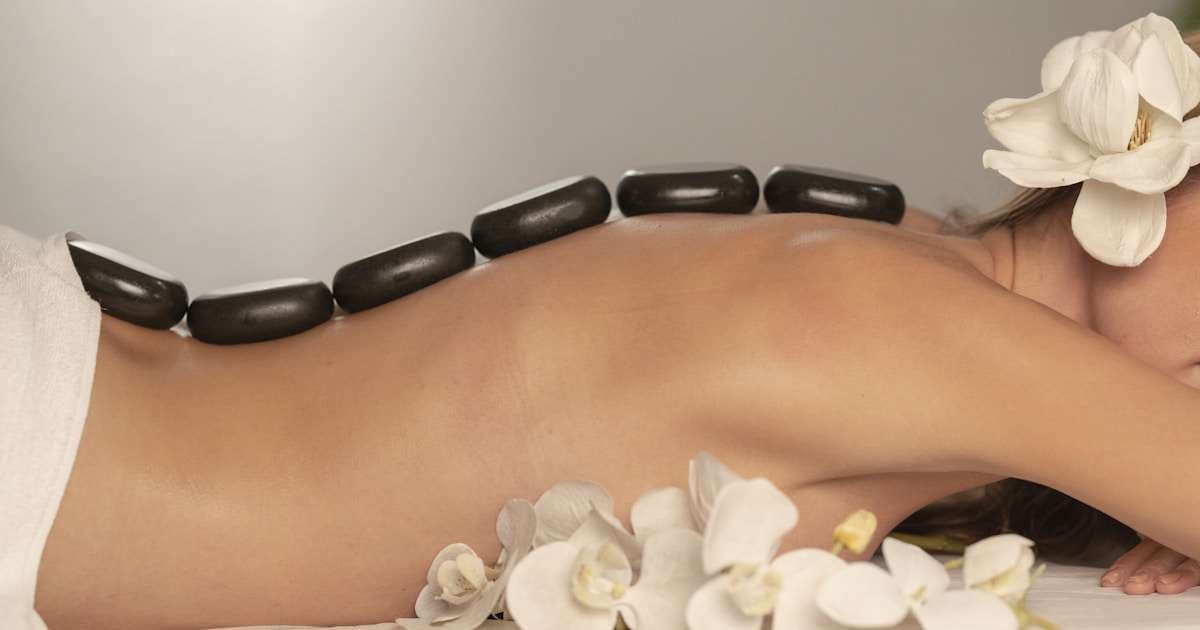
Full Body Massage Benefits: What Happens to Your Body After 60 Minutes of Relaxation
15 min read · 27 Oct 2026
Massage Therapy
Aromatherapy Massage in Raipur: Essential Oils That Calm Your Mind and Body
11 min read · 27 Oct 2026
Massage Therapy
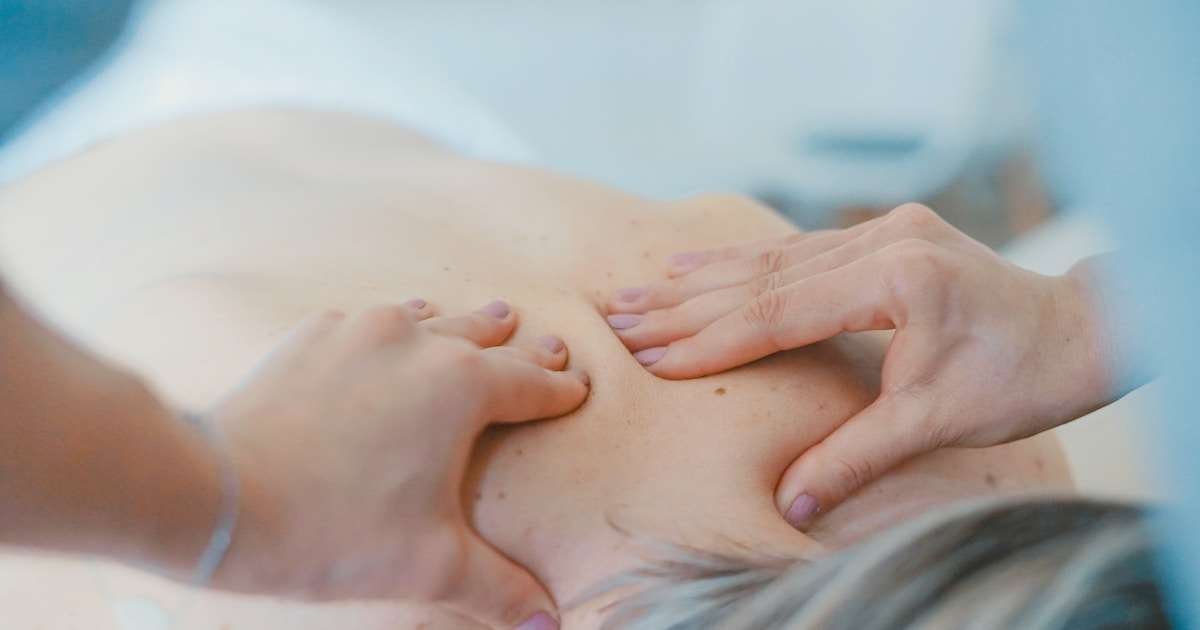
The Science of Pain Relief: How Therapeutic Massage Helps Back, Neck, and Joint Pain
7 min read · 27 Oct 2026
Enjoyed This Article?
Stop reading about relaxation — come experience it firsthand at Raipur SPA.