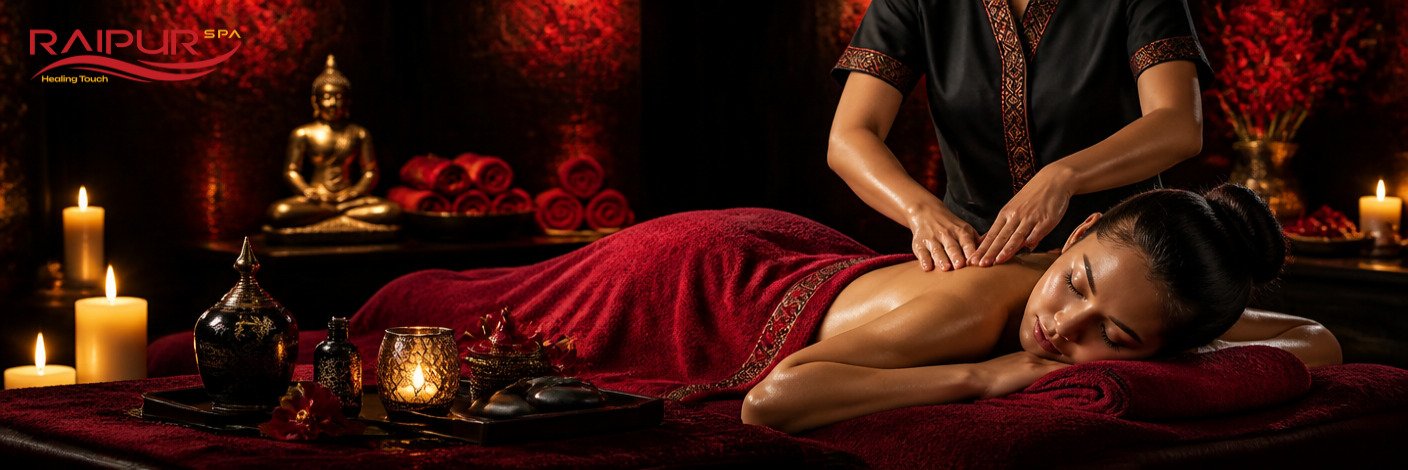
How is Ayurveda used in modern wellness spa treatments in Raipur?
Ayurveda is used in modern wellness spas through traditional practices such as Abhyanga oil massage, Shirodhara, herbal steam therapy, and dosha-based consultations. Raipur spa specialists combine these time-tested techniques with contemporary hygiene, comfort, and personalization, offering guests structured sessions focused on relaxation, stress reduction, and overall lifestyle balance rather than medical treatment.
Key Takeaways
- • Ayurveda in modern spas focuses on relaxation and balance, not medical treatment.
- • Common therapies include Abhyanga massage, Shirodhara, and herbal steam.
- • Dosha-based consultations help personalize massage oils and treatment choices.
- • Raipur spa specialists blend traditional Ayurvedic methods with modern hygiene and comfort standards.
- • Ayurvedic spa sessions are typically used for stress relief and general well-being.
- • Guests should share health conditions with therapists before booking any treatment.
Ayurveda's role in modern wellness is simple to state: it offers a 5,000-year-old framework for balancing the body, mind, and daily routine that fits neatly alongside contemporary science. At Raipur SPA, our therapists use Ayurvedic principles like dosha awareness, herbal oils, and mindful touch to make each treatment more personal, preventive, and restorative rather than a one-time indulgence.
Key Takeaways
- Ayurveda in modern wellness focuses on balance and prevention, not just symptom relief.
- Dosha-based assessment helps therapists choose the right oils, pressure, and heat for your body.
- Ayurvedic therapies like Abhyanga, Shirodhara, and Swedana blend well with modern massage and stress care.
- Herbal oils such as sesame, brahmi, and ashwagandha support relaxation, skin health, and recovery.
- Raipur SPA in Samta Colony, Raipur offers Ayurvedic-inspired sessions starting from ₹999.
- Consistency matters more than intensity — regular, shorter sessions often beat rare long ones.
Why Ayurveda Still Matters in Modern Wellness
Most people walk into a spa carrying the same things: screen fatigue, stiff shoulders, irregular sleep, and a mind that won't switch off. Ayurveda speaks to all of it, but not by promising a quick fix.
Its core idea is that health comes from balance — between movement and rest, heat and coolness, effort and recovery. Modern wellness has slowly arrived at the same conclusion through sleep science, stress research, and physiotherapy. Ayurveda simply got there earlier.
What makes it useful today is that it's practical. It doesn't ask you to overhaul your life. It asks you to notice patterns and correct them gently, often through touch, warmth, and routine.
Consider how modern life quietly pushes almost everyone toward the same imbalance. We sit for long hours, stare at screens late into the night, eat at odd times, and treat rest as something to earn rather than something the body needs. Ayurveda would call this a Vata-aggravating pattern — too much movement, dryness, coldness, and irregularity. You don't need to believe in ancient texts to recognise the symptoms: cracked skin, restless sleep, a scattered mind, and joints that ache in the morning.
The appeal of Ayurveda in 2024 and beyond is that it responds to these patterns with simple, sensory corrections. Warm oil on dry skin. Slow pressure on a tense back. A regular hour of quiet. These aren't exotic remedies; they're the opposite. They're the things modern life has stripped out, restored deliberately.
There's also a growing appetite for wellness that feels personal rather than packaged. Generic gym memberships and one-size-fits-all fitness apps are losing ground to approaches that ask, "What does your body actually need right now?" Ayurveda has been asking that question for millennia, and its answer — assess the person, not just the symptom — is exactly what modern consumers are starting to demand.
How Ayurveda Fits Into Modern Spa Practice
At Raipur SPA, we don't present Ayurveda as an alternative to modern care. We treat it as a companion. A therapist might combine classic Abhyanga strokes with modern trigger-point work, or pair a Shirodhara session with guided breathing.
This blended approach suits urban clients well. They want results they can feel — looser muscles, calmer nerves, better sleep — without giving up the comfort and hygiene standards of a modern spa.
In practice, that means a few deliberate choices. We use single-use linens and sanitised equipment, because tradition is no excuse for shortcuts on hygiene. We keep treatment rooms at a comfortable temperature and control humidity, since Ayurvedic warmth should feel soothing rather than stifling. And we train therapists to read the body in real time — adjusting pressure when a muscle guards, slowing the pace when breathing gets shallow — rather than following a fixed script.
The result is a session that feels rooted in tradition but behaves like good modern bodywork. You get the depth of Ayurvedic technique with the predictability and cleanliness of a contemporary spa.
The Dosha Conversation
Every session begins with a short consultation. We ask about digestion, sleep, energy levels, skin type, and how you handle stress. From there, we get a rough sense of your dominant dosha — Vata, Pitta, or Kapha.
This isn't diagnosis. It's a way to personalise the experience. A Vata-dominant guest usually needs warmth, slow strokes, and grounding oils. Someone with Pitta tendencies often responds better to cooling oils and a gentler pace. Kapha types benefit from firmer pressure and stimulating techniques.
You'll notice the difference in how the treatment feels, not just in a chart.
To make this concrete, here's how the three doshas typically show up in a spa setting:
- Vata (air and space): Often light-framed, creative, quick-thinking, but prone to dry skin, cold hands and feet, irregular digestion, and anxious energy. They respond best to warm sesame oil, slow and steady strokes, covered areas to retain heat, and a quiet room. A short guided breathing exercise at the end helps them land.
- Pitta (fire and water): Often medium-built, driven, sharp, and prone to heat, irritation, acidity, and skin sensitivity. They do well with cooling oils like coconut or brahmi, moderate pressure, and a calmer, less stimulating environment. Avoid overly hot rooms or aggressive deep-tissue work.
- Kapha (earth and water): Often solidly built, calm, steady, but prone to sluggishness, congestion, and heaviness. They benefit from firmer pressure, stimulating strokes, warmer rooms, and invigorating oils. A shorter, more energetic session often suits them better than a long, slow one.
Most people are a blend of two doshas, and the balance shifts with season, stress, and lifestyle. That's why we ask questions every visit rather than relying on a one-time label. A guest who felt Kapha-heavy in winter may feel Vata-agitated after a stressful work month. The treatment should follow the person, not the file.
Herbal Oils That Do Real Work
Ayurvedic massage lives or dies by its oils. Sesame oil, warmed and applied slowly, is deeply nourishing and suits most body types. Brahmi and bhringraj are traditionally used for the head and scalp, which is why they show up in Shirodhara and head massages.
Ashwagandha and dashmula oils are popular for fatigue and stiffness. None of these are magic — but used consistently and correctly, they support circulation, calm the nervous system, and leave skin softer.
It helps to know what each oil is doing so you can ask for the right one:
- Sesame oil: The workhorse of Ayurvedic massage. Warming, deeply penetrating, and rich in fatty acids. Excellent for dry skin, stiffness, and Vata-type coldness. Most people tolerate it well.
- Coconut oil: Cooling and light. A good match for Pitta types, sensitive skin, and hot climates. In Raipur's summers, it's often the more comfortable choice.
- Brahmi oil: Traditionally used for the scalp and mind. Popular in head massages and Shirodhara for its calming, grounding reputation.
- Bhringraj oil: A classic for hair and scalp health, often paired with brahmi in head treatments.
- Ashwagandha oil: Used for fatigue, muscle weakness, and recovery. Warming and nourishing, it suits people who feel drained.
- Dashmula oil: A blend of ten herbs, traditionally used for stiffness and joint comfort. Often chosen for lower-back and leg work.
A quick patch test on the inner arm is always wise if you have sensitive skin or known allergies. Tell your therapist about any reactions, and we'll adjust the oil or skip it entirely.
Signature Ayurvedic Therapies You Can Try
You don't need to understand Ayurveda deeply to benefit from it. A few treatments carry most of the value.
Abhyanga
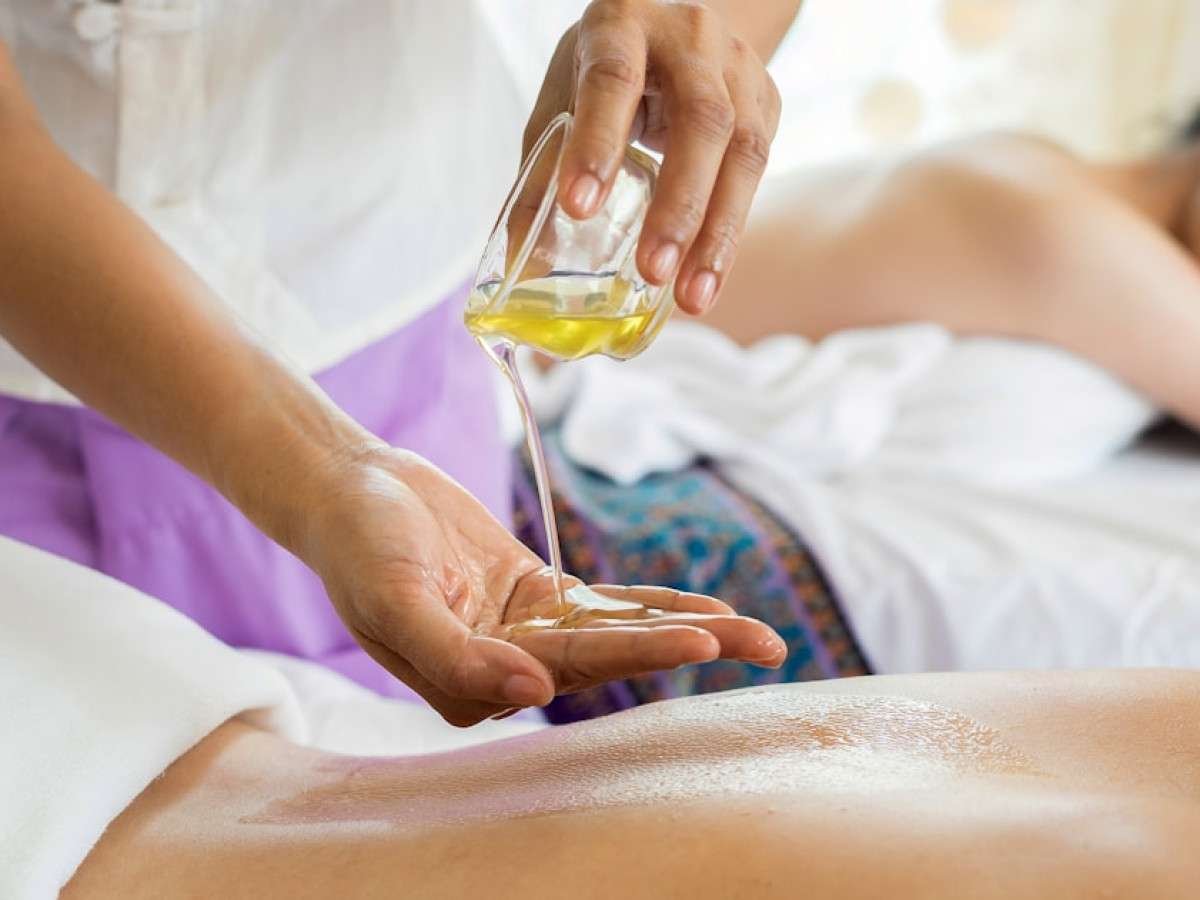
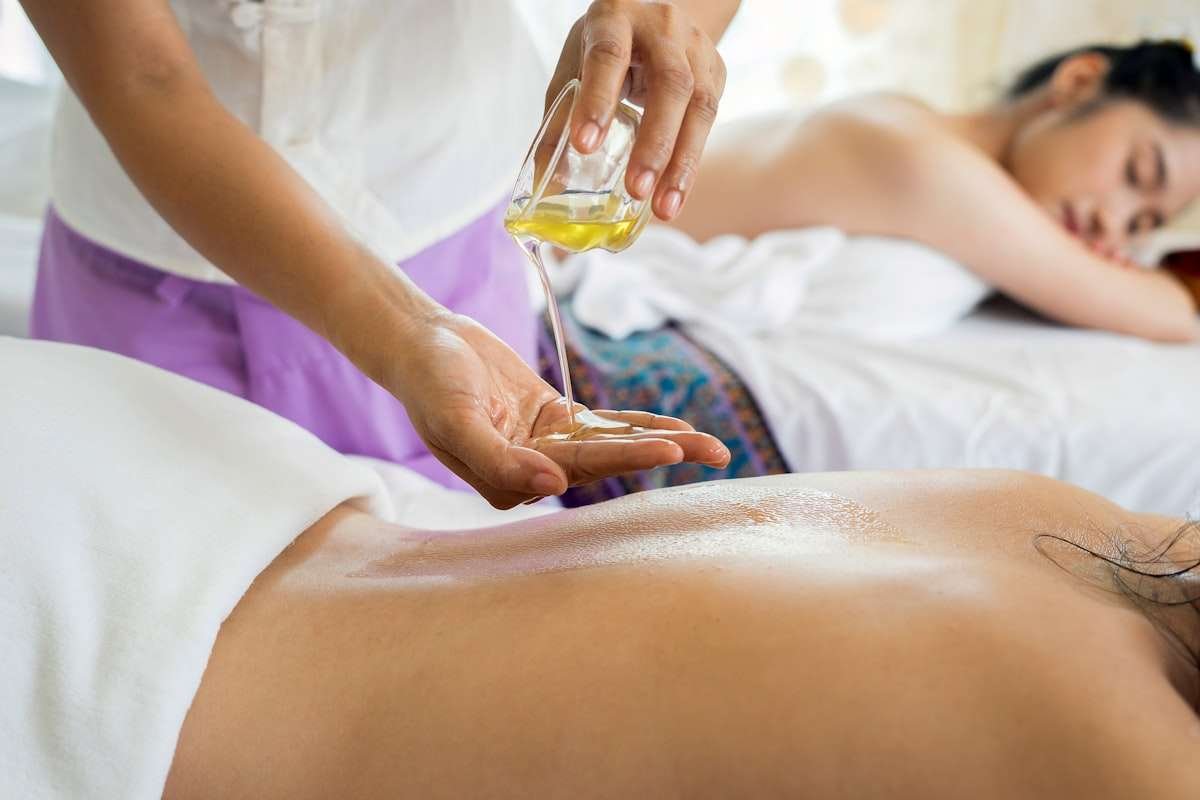
This is the classic full-body warm oil massage. Long, rhythmic strokes follow the direction of hair growth and lymph flow. It's excellent for stiffness, dry skin, and general fatigue. Most people leave feeling heavier in a good way — grounded and quiet.
A typical session runs 45 to 60 minutes. The therapist warms the oil, applies it generously, and works systematically from the scalp and face down to the feet. Pressure is moderate by default, but it can be lightened for sensitive guests or deepened for stubborn knots. Many people find the scalp and foot portions unexpectedly relaxing — the head because it releases jaw and brow tension, the feet because they hold so much of the day's standing and walking.
Afterward, you'll usually be advised to rest for 15 to 20 minutes before showering. That pause lets the oil absorb and the nervous system settle. Rushing straight back into traffic undoes half the benefit.
Shirodhara
A thin, steady stream of warm oil is poured onto the forehead. It sounds unusual, but the effect is striking. Many guests describe it as the deepest mental rest they've had in months. It's a strong pick for insomnia, anxiety, and mental overload.
The oil is poured from a suspended vessel that swings gently, creating a continuous, rhythmic flow. The forehead point it targets is traditionally associated with calming the mind. Whether or not you subscribe to that framing, the sensory effect is real: the steady warmth and rhythm give an overactive brain something simple to follow, and many guests drift into a drowsy, meditative state within minutes.
Shirodhara is usually done lying down, fully clothed in a wrap, with the head supported. It's a good first Ayurvedic treatment for anyone nervous about oil massage, because it requires no physical manipulation. Sessions typically run 30 to 45 minutes, and the calming effect often lingers into the evening.
Swedana
Herbal steam therapy follows massage in traditional practice. It opens pores, eases joint stiffness, and helps the body release what the massage loosened. In Raipur's climate, we keep sessions short and adjust temperature carefully so it feels soothing, not draining.
Swedana is best treated as a finisher rather than a standalone treatment. After oil massage, the steam helps the oil penetrate and the muscles relax further. Ten to fifteen minutes is usually enough. Drink water afterward, and avoid it if you're pregnant, have uncontrolled blood pressure, or feel faint in heat.
Padabhyanga
This focused foot and lower-leg massage is underrated. It improves circulation, relieves tiredness after long standing hours, and is deeply calming because of the nerve endings concentrated in the feet.
It's a practical choice for people who can't commit to a full-body session. A 20- to 30-minute foot treatment fits into a lunch break and still delivers noticeable relief. It's also a good entry point for anyone new to Ayurveda and unsure about oil on the whole body.
Mukhabhyanga (Facial Oil Massage)
Less famous but increasingly popular, this is a gentle facial massage using warm herbal oils suited to your skin type. It supports circulation, eases jaw tension, and leaves skin supple. It's a good add-on to a body session or a standalone treat for anyone who spends long hours at a screen.
Ayurveda and Stress: What the Research Suggests
Modern research on Ayurvedic therapies is still growing, but the early findings align with what therapists observe daily. Warm oil massage has been linked to reduced cortisol levels and improved sleep quality in several small studies.
Shirodhara, in particular, has been studied for its calming effect on the nervous system. Participants often report lower anxiety and better sleep after a course of sessions.
We're careful not to overstate this. Ayurveda isn't a treatment for medical conditions. But as a stress-management tool, it has a solid foundation — both traditional and increasingly scientific.
It's worth understanding why touch and warmth have this effect at all. The skin is the body's largest sensory organ, and slow, predictable pressure activates nerve fibres that calm the sympathetic nervous system — the "fight or flight" branch. This is the same mechanism behind many modern relaxation techniques, from weighted blankets to gentle massage. Ayurveda arrived at it through experience rather than experiment, but the underlying physiology is shared.
What the research doesn't yet tell us is how much of the benefit comes from the oil, the technique, the quiet environment, or simply the decision to stop and rest for an hour. In practice, it's probably all of them working together. That's fine. The point isn't to isolate a single active ingredient; it's to give the body a reliable way to downshift.
Making Ayurveda Part of Your Routine
The biggest mistake people make is treating Ayurveda as an occasional luxury. It works best as a rhythm.
A monthly Abhyanga session, a fortnightly foot massage, and a few minutes of daily self-massage with warm oil at home can do more than one long session every few months. Small, repeatable habits are where the real benefit lives.
Diet and sleep matter too. Ayurveda doesn't separate them from bodywork — it sees them as one system. You don't need to be strict. Just paying attention to when you eat, how late you sleep, and how much you move is a genuine Ayurvedic practice.
Here are a few simple habits that fit real life:
- Morning self-massage (abhyanga): Two to five minutes with warm sesame oil on the limbs and torso before a shower. It's the single highest-value Ayurvedic habit for most people.
- Regular meal times: Eating at roughly the same hours each day supports digestion more than any supplement.
- A screen curfew: Turning off bright screens 45 minutes before bed is a modern version of Ayurveda's advice to wind down before sleep.
- Warm water through the day: Especially in cooler months, it's gentler on digestion than constant cold drinks.
- A short walk after meals: Ten minutes of easy movement helps more than a hard workout straight after eating.
None of this requires belief in ancient cosmology. It requires only that you notice how you feel when you do it consistently — which is, in the end, the most Ayurvedic test of all.
Why Choose a Specialist Spa Over a General One
Not every massage centre understands Ayurveda. The difference shows in the consultation, the oils, the pressure, and the sequence of treatments.
At Raipur SPA, our therapists are trained to adapt classical techniques to modern bodies and modern schedules. A desk worker with tight hips gets a different session than an athlete with sore calves — even if both book the same treatment.
Location matters too. Being in Samta Colony, Raipur makes it easy for residents across the city to fit a session into a normal day rather than saving it for a special occasion.
Our therapies start from ₹999, and we're open daily from 11:00 AM to 09:00 PM.
When you're comparing spas, a few questions will tell you a lot. Ask whether the therapist does a consultation before the massage. Ask which oils are used and whether they're warmed. Ask how the session is adapted for your body type or any injuries. A spa that can answer these specifics is likely to give you a more thoughtful experience than one that simply offers a menu of durations and prices.
Common Myths About Ayurveda, Cleared Up
Ayurveda carries a lot of baggage in popular conversation. A few clarifications help separate the useful from the exaggerated.
- Myth: Ayurveda is only about herbs and supplements. In spa practice, it's mostly about touch, warmth, oil, and routine. Herbs are one part of a much larger picture.
- Myth: You have to change your whole lifestyle. Small, consistent adjustments matter more than dramatic overhauls. A monthly massage and a morning oil routine are a legitimate starting point.
- Myth: Ayurveda is anti-science. Good practitioners treat it as complementary. It supports relaxation and circulation; it doesn't replace medical care.
- Myth: One session is enough. Ayurveda is built around rhythm. A single session feels good; a routine changes how you feel week to week.
Frequently Asked Questions
What is the role of Ayurveda in modern wellness?
Ayurveda provides a preventive, personalised framework for health that complements modern science. It focuses on balancing the body and mind through diet, routine, herbal oils, and therapeutic touch, rather than treating illness after it appears.
Is Ayurvedic massage safe for everyone?
Generally yes, but it depends on your health status. Pregnant women, people with recent injuries, skin infections, or certain medical conditions should consult a doctor first. Always share your medical history during the spa consultation.
How is Ayurvedic massage different from a regular spa massage?
Ayurvedic massage uses warm herbal oils, dosha-based assessment, and specific stroke directions rooted in tradition. Regular spa massage tends to focus on relaxation or muscular relief without the constitutional assessment.
How often should I get an Ayurvedic treatment?
Once a month is a good starting rhythm for most people. If you're dealing with high stress or poor sleep, a short series of weekly sessions may help more. Consistency matters more than duration.
Does Ayurveda work alongside modern medicine?
Yes, it's best viewed as complementary. Ayurvedic therapies support relaxation, circulation, and stress management. They don't replace medical treatment, and you should always inform your doctor about any complementary practices.
What should I expect during my first Ayurvedic session?
Expect a short consultation about your sleep, digestion, and stress levels, followed by a treatment tailored to your body type. Wear comfortable clothing you don't mind getting oil on, and avoid a heavy meal right before your appointment.
Do I need to know my dosha before booking?
No. The therapist will ask a few simple questions at the start of your session to get a rough sense of your dominant dosha. You don't need to read anything or prepare in advance.
Will the oil stain my clothes or leave me greasy?
You'll be given disposable garments or a wrap during the session, and most spas provide a shower afterward. Bring clothes you don't mind getting a little oil on, and plan a little extra time to shower and settle before heading out.
Final Thoughts
Ayurveda hasn't survived thousands of years by being fashionable. It has survived because it works — quietly, steadily, and on the body's own terms. In a city like Raipur, where work and family demands rarely slow down, that kind of balance is worth making time for.
If you'd like to experience it for yourself, Raipur SPA welcomes you for a consultation and a session tailored to your body. Call or message us on WhatsApp at +91 7987 303 127 to book your slot.
Frequently Asked Questions
What is Ayurveda-based spa therapy?
Ayurveda-based spa therapy applies traditional practices such as herbal oil massage, Shirodhara, and steam therapy in a wellness setting. It is intended for relaxation and lifestyle balance, not as a substitute for medical care.
What Ayurvedic treatments are common in Raipur spas?
Popular options include Abhyanga oil massage, Shirodhara, herbal steam, and dosha-based consultations. Availability varies by spa, so confirm the treatment menu before booking.
Is Ayurvedic massage safe for everyone?
Most people tolerate Ayurvedic massage well, but those with skin conditions, injuries, or pregnancy should consult a doctor first. Always inform the therapist about health conditions and medications.
How long does an Ayurvedic spa session take?
Sessions typically range from 60 to 90 minutes, including consultation and relaxation time. Exact duration depends on the specific therapy and the spa's format.
Do I need a dosha consultation before an Ayurvedic massage?
A brief consultation is recommended because it helps therapists select suitable oils and techniques. Some Raipur spas include it in the session, while others offer it separately.
Can Ayurvedic spa treatments replace medical treatment?
No. Ayurvedic spa therapies are wellness practices for relaxation and stress relief and should not replace diagnosis or treatment by a qualified medical professional.
Book Your Session
Book Your SessionPeople Also Ask
Related Articles
Health & Wellness
Why Prenatal Massage Is Gaining Popularity Among Expectant Mothers in Raipur
15 min read · 25 Oct 2026
Health & Wellness
How Ayurvedic Detox Therapies Can Improve Your Digestion and Immunity
12 min read · 24 Oct 2026
Health & Wellness
Why Raipur Locals Are Choosing Premium Spas for Weekend Relaxation
14 min read · 24 Oct 2026
Enjoyed This Article?
Stop reading about relaxation — come experience it firsthand at Raipur SPA.