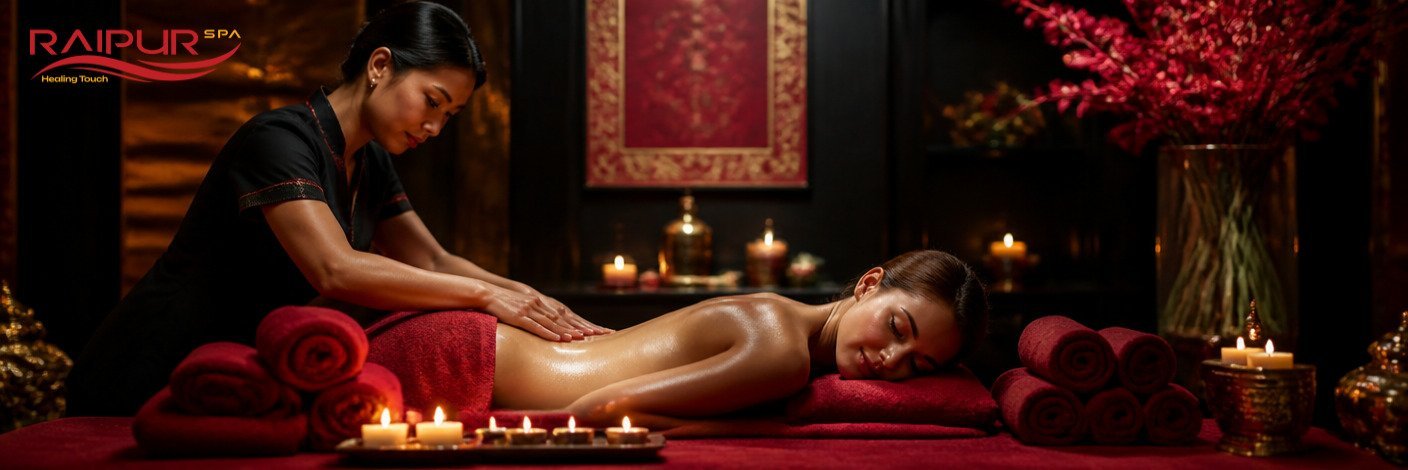
What is an Ayurvedic Abhyanga massage and what should you expect during a session in Raipur?
Abhyanga is a traditional Ayurvedic full-body massage performed with warm herbal oil, using long rhythmic strokes over the body. A session in Raipur typically lasts 45 to 90 minutes and includes a brief consultation, oil selection based on your needs, the massage itself, and a short rest period afterward. Loose comfortable clothing and light eating beforehand are recommended.
Key Takeaways
- • Abhyanga is a warm herbal-oil full-body massage rooted in Ayurvedic tradition.
- • Sessions usually run 45 to 90 minutes, including consultation and rest time.
- • The therapist selects oil based on your dosha or stated preferences.
- • Long, rhythmic strokes are used rather than deep targeted pressure.
- • Arrive with light eating and plan a relaxed schedule afterward.
- • Many people report feeling relaxed and moisturized skin after a session.
An Ayurvedic Abhyanga massage in Raipur is a warm, full-body oil therapy rooted in classical Ayurveda. Trained therapists use herbal oils in rhythmic strokes to ease muscle stiffness, improve circulation, calm the nervous system, and restore balance. A session typically lasts 60 minutes and follows a clear sequence: consultation, warm oil application, massage, and a relaxed rest period. But there is far more to this ancient practice than a single hour on a massage table — from the specific oils chosen for your body type to the way you feel two days later, Abhyanga is a complete ritual with roots stretching back thousands of years. This guide walks you through everything: the history, the science, the benefits, what actually happens during a session in Raipur, and how to get the most out of it.
Key Takeaways
- Abhyanga is a traditional Ayurvedic full-body massage using warm, dosha-specific herbal oils.
- Sessions at Raipur SPA start from ₹999 and last roughly 60 minutes, depending on the therapy chosen.
- It helps with muscle tension, poor sleep, stress, dry skin, and general fatigue.
- You do not need to be unwell to book one — it works as preventive wellness too.
- Expect a short consultation, oil application, rhythmic massage, and a rest period after.
- Avoid eating heavily before your slot, and keep the evening free to let the effects settle.
- The oil is chosen based on your body type (dosha) and current complaints, so no two sessions are identical.
- Consistency matters more than intensity — monthly sessions deliver better results than occasional indulgence.
What Ayurvedic Abhyanga Actually Is
Abhyanga means "massage with oil" in Sanskrit, but the practice is more specific than that. The oil is warmed, often medicated with herbs like sesame, ashwagandha, or brahmi, and applied in long, steady strokes along the body's energy channels.
The direction of strokes matters. Therapists move toward the heart in most areas, following the natural flow of circulation and lymph. Joints get circular movements. The scalp and feet receive focused attention because Ayurveda treats both as key entry points for balancing the body.
Unlike a deep tissue session where pressure is the main tool, Abhyanga relies on warmth, rhythm, and oil. The pressure is moderate — firm enough to reach muscle layers, gentle enough that you can relax into it.
What separates Abhyanga from a standard spa oil massage is intention. In classical Ayurveda, the therapy is prescribed, not just chosen. The therapist considers your constitution (prakriti), your current imbalance (vikriti), the season, and even the time of day before selecting an oil and adjusting the strokes. A vata-dominant person with dry skin and restless sleep might receive a heavy sesame base with warming herbs, while a pitta type with sensitive skin and irritability might get cooler coconut or sunflower oil with calming herbs like brahmi.
The practice appears in the Charaka Samhita and Sushruta Samhita, two foundational Ayurvedic texts compiled over two thousand years ago. Both describe oil massage as part of the daily routine (dinacharya), recommended not only for the sick but for healthy people seeking longevity, sound sleep, and resilient skin. That preventive framing is important — Abhyanga was never designed as a luxury, but as maintenance, the way you would service a car or water a plant.
In modern terms, the therapy combines several mechanisms that researchers have studied separately: gentle mechanical pressure on soft tissue, thermotherapy from the warm oil, transdermal absorption of herbal compounds, and the neurological effect of slow, predictable touch. None of these alone explains the full experience, but together they account for why people leave feeling lighter, calmer, and unusually well-rested.
Why People in Raipur Are Choosing Abhyanga
Raipur's climate swings between dry heat and humid monsoon months, and both take a toll on the skin and joints. Add desk work, long commutes, and the usual city stress, and it is easy to see why oil-based therapies have found a steady audience here.
At our Samta Colony location, we see a mix of clients — IT professionals with stiff shoulders, homemakers managing constant physical load, gym-goers recovering from training, and older adults dealing with joint stiffness. Abhyanga suits all of them because it is adaptable.
Consider a few real patterns we notice. During the peak summer weeks, when temperatures cross 40°C and air conditioning dries out skin indoors, clients often ask for lighter coconut-based oils that cool rather than trap heat. In the monsoon, when humidity makes the body feel heavy and sluggish, therapists lean toward warming sesame blends that counter stiffness and joint achiness. And in the brief Raipur winter, when dry air cracks heels and leaves skin flaky, heavier medicated oils with ashwagandha become the default.
There is also a practical local reason: Raipur has a growing number of people in sedentary jobs. A software engineer who spends nine hours at a desk, drives forty minutes each way, and then scrolls on the phone until midnight is a textbook candidate. Their shoulders are locked, their sleep is shallow, and their skin looks tired. A monthly Abhyanga does not fix the lifestyle, but it interrupts the pattern long enough for the body to reset — and that reset is often what motivates people to make other small changes.
Older clients come for a different reason. Joint stiffness that used to be brushed off as "age" responds well to regular oil massage, especially in the knees and lower back. We often pair Abhyanga with gentle stretching advice so the benefits hold between sessions.
Benefits of Ayurvedic Abhyanga Massage
1. Relief from muscle tightness and joint stiffness
Warm oil penetrates the outer layers of muscle and softens tension that builds up over weeks. Regular sessions help with chronic neck and lower back tightness, especially for people who sit for long hours.
The mechanism is straightforward: heat relaxes muscle fibers, and the rhythmic strokes encourage blood flow into areas that have been starved of movement. If you have ever noticed how much easier your shoulders feel after a hot shower, Abhyanga takes that same effect and extends it for hours. Clients with desk-related neck pain often describe a "loosening" sensation that lasts two to three days after a session — long enough to remind them to stretch and correct their posture.
For gym-goers, the therapy works as active recovery. After heavy leg training, a focused session on the thighs and calves reduces the heavy, tight feeling that usually lingers for days. It is not a replacement for proper rest and nutrition, but it makes the recovery window more comfortable.
2. Better sleep quality
Many clients report sleeping more deeply on the night of their session. The slow, rhythmic strokes activate the parasympathetic nervous system, which is the body's rest-and-recover mode. If you struggle to switch off at night, this is often the first change you notice.
There is a reason Ayurveda places Abhyanga in the evening routine. The therapy lowers cortisol-driven alertness and gives the nervous system a clear signal that the day is over. Clients who normally wake up two or three times a night often report sleeping through until morning after a session. For people dealing with mild insomnia rooted in stress, a monthly or fortnightly appointment can become a reliable anchor for better sleep.
One practical tip: if sleep is your main goal, book an evening slot and go straight home afterward. Do not schedule a session and then head to a noisy dinner. The whole point is to let the calm carry into the night.
3. Improved circulation and skin health
The strokes push blood flow toward the surface, and the oil itself nourishes dry skin. Over a few sessions, skin tends to look softer and less dull. This is one reason Abhyanga is popular as a standalone skincare ritual, not just a muscle treatment.
Raipur's dry months are particularly hard on skin. Between air conditioning indoors and dust outdoors, many people notice flakiness on the arms and legs, cracked heels, and a generally tired complexion. The oils used in Abhyanga — sesame, coconut, and herbal blends — are rich in fatty acids that support the skin barrier. Therapists apply them generously, and the residual oil left on the skin after your shower continues working for hours.
Clients often ask whether Abhyanga can replace a facial or body scrub. It is not the same thing, but it complements them well. Think of it as deep nourishment rather than exfoliation.
4. Stress reduction
Abhyanga lowers the sense of mental clutter that builds through a working week. It is not a substitute for medical care for anxiety, but as a relaxation practice it is remarkably effective. The combination of touch, warmth, and quiet does more than most people expect.
Part of the effect is environmental. A dim room, warm oil, and a therapist who works quietly without small talk creates a rare space where your brain is not being asked to do anything. In a city where notifications, traffic, and deadlines compete for attention, that hour of deliberate stillness is itself therapeutic. Many clients say the mental benefit matches the physical one — they leave feeling less reactive, more patient, and better able to handle the rest of the week.
5. Support for recovery and fatigue
If you train hard, travel often, or simply feel drained, an oil massage helps flush out the heaviness. Ayurveda describes this as clearing excess vata, which shows up as dryness, restlessness, and fatigue.
Frequent travellers often book a session after a long trip, when the body feels stiff from sitting and the sleep cycle is out of sync. The warmth and rhythm help re-establish a sense of groundedness. Similarly, people recovering from a busy festival season or a stretch of late nights find that one session restores more energy than a full weekend of lying on the couch.
6. A gentle routine for older adults
Abhyanga is one of the few therapies that works well for people who cannot tolerate strong pressure. The strokes are moderate, the oil is warming, and the pace is slow. Older clients with mild arthritis or general stiffness often find it easier than a conventional deep massage. We recommend consulting a doctor first if there are specific medical conditions, but for general age-related stiffness, it is a comfortable option.
What to Expect During Your Session at Raipur SPA
Before the massage
You will fill a short health form and speak briefly with the therapist about any injuries, skin conditions, or areas you want focused on. This is also when you can mention pressure preferences.
Arrive at least ten minutes early. Rushing in straight from traffic defeats the purpose of a calming therapy.
Wear something you do not mind getting a little oil on, or ask ahead about what the spa provides. Most clients come in comfortable clothing and change into disposable garments at the venue. Avoid heavy meals for at least an hour before your appointment — a full stomach makes lying face-down uncomfortable and can leave you feeling sluggish. A light snack is fine. If you have long hair, tie it loosely; the therapist will work on the scalp, and loose hair is easier to manage afterward.
It also helps to arrive with a clear idea of what you want. Are you here for relaxation, for a stiff shoulder, or for general wellness? Telling the therapist upfront saves time and makes the session more targeted.
During the massage
You will be draped with towels throughout, and only the area being worked on is exposed. The therapist warms the oil and begins with the back, then moves to the limbs, abdomen, and finally the head and feet.
Most people drift in and out of sleep. That is normal and welcome. Speak up if the pressure feels too light or too firm — good therapists adjust without fuss.
The sequence usually follows a logical order. The back and shoulders come first because they carry the most tension and benefit from the freshest, warmest oil. Limbs follow, with long strokes toward the heart and circular work around the joints. The abdomen gets gentle clockwise movements, which some clients find surprisingly relaxing. The session closes with the scalp and feet, both of which Ayurveda considers gateway areas for calming the nervous system.
You may hear soft music or nothing at all. Some spas offer a choice; others keep the room quiet by default. If silence makes you restless, ask for gentle instrumental music. If you prefer complete quiet, say so. The session should feel tailored, not assembly-line.
One thing to know: the oil is warm, but not hot. If it ever feels uncomfortable, tell the therapist immediately. A good therapist will test the temperature on their own wrist before applying it to you.
After the massage
You will be given time to rest before showering. Some oil is left on the skin deliberately, so a warm shower after 20–30 minutes is ideal. Drink water, and try to keep the rest of the evening calm.
Do not rush out. Sit for a few minutes, sip water, and let your body settle. Many clients feel slightly lightheaded if they stand up too quickly after deep relaxation, so take your time. The shower should be warm, not hot, and gentle soap is enough — you do not need to scrub the oil off aggressively. Leaving a thin film on the skin is fine and even beneficial.
For the rest of the day, avoid heavy workouts, alcohol, and very late nights if possible. The therapy works best when the body is allowed to continue relaxing. A light dinner and an early bedtime amplify the effect.
How to Choose the Right Oil and Therapy
Not all Abhyanga sessions are identical. The oil matters as much as the technique, and choosing well makes a noticeable difference.
Sesame oil is the classical base for most Abhyanga. It is warming, heavy, and excellent for dry skin, stiffness, and vata-type complaints. If you feel cold often, have cracked skin, or struggle with restless sleep, a sesame-based blend is usually the right start.
Coconut oil is cooling and lighter. It suits pitta types — people who run warm, have sensitive skin, and feel irritable in heat. In Raipur's summer months, coconut-based blends are often the more comfortable choice.
Herbal medicated oils like brahmi, ashwagandha, and mahanarayan are chosen for specific concerns. Brahmi supports calm and sleep, ashwagandha is used for fatigue and strength, and mahanarayan is popular for joint stiffness. Your therapist can recommend one after the consultation.
If you are unsure, do not guess. Describe how you feel — your sleep, your energy, your skin, your stress — and let the therapist match the oil. That conversation is part of the therapy.
How Often Should You Book One?
For general wellness, once or twice a month works well. If you are dealing with specific stiffness or recovery needs, a short series of weekly sessions gives better results. Your therapist can suggest a rhythm after the first visit.
Think of it like exercise. One session feels good, but the real change comes from consistency. Clients who book monthly over three or four months notice cumulative benefits: skin that stays softer between visits, shoulders that do not lock up as quickly, and sleep that is more reliable. Those dealing with a specific issue — say, a chronically tight lower back — often do better with four weekly sessions followed by monthly maintenance.
Seasonal timing also helps. Many regulars book more frequently during the dry summer and the monsoon, when the body is most affected by the climate, and scale back during the milder months.
Who Should Avoid It
Skip Abhyanga during fever, acute illness, or active skin infections. People with certain heart conditions or who are pregnant should consult a doctor first. Always disclose medical history on the form — it exists for a reason.
Other situations to mention during consultation include recent fractures or surgeries, uncontrolled blood pressure, severe varicose veins, and any open wounds. None of these automatically rules out the therapy, but they change how it is done — sometimes with lighter pressure, sometimes with a different oil, and sometimes with a recommendation to wait. Being honest is not a formality; it is what keeps the session safe and effective.
Practical Details
Therapies at Raipur SPA start from ₹999, and we are open daily from 11:00 AM to 09:00 PM. Booking ahead is recommended, especially on weekends, since slots fill quickly.
Payment can be made at the venue, and we are happy to help you choose a therapy over the phone if you are unsure which one fits your needs. If you are booking for the first time, mention it — we will allow a little extra time for the consultation so nothing feels rushed.
Frequently Asked Questions
What is Abhyanga massage good for?
It is primarily used for muscle stiffness, stress relief, improved sleep, and skin nourishment. Many people also use it as a regular wellness routine rather than a treatment for a specific problem.
How long does an Abhyanga session take?
A standard session runs about 60 minutes, including the brief consultation. Allow extra time for rest and showering afterward.
Is Abhyanga painful?
No. The pressure is moderate and rhythmic, not deep tissue. You may feel mild tenderness in tight areas, but it should never be sharp or uncomfortable.
Which oil is used in Abhyanga?
Therapists choose based on your body type and needs — commonly sesame, coconut, or herbal blends. You can ask which oil will be used before your session begins.
Can I book Abhyanga for couples?
Yes, couples sessions can be arranged with advance notice. Mention it while booking so the room and therapists are scheduled accordingly.
Do I need to shower after the massage?
Yes, ideally after 20–30 minutes of rest. Leaving some oil on the skin briefly is fine and even beneficial, but a warm shower afterward helps you feel fresh.
Is Abhyanga suitable for first-time massage clients?
Yes, it is one of the gentlest full-body therapies available. The pressure is moderate, the pace is slow, and the therapist checks in with you throughout. If you have never had a professional massage, Abhyanga is a comfortable place to start.
Can I book Abhyanga if I have a busy day ahead?
You can, but it is not ideal. The therapy is designed to relax the nervous system, and rushing into meetings immediately afterward undercuts the benefit. If possible, book for the evening or a lighter day.
Final Word
Abhyanga is one of those therapies that sounds simple and turns out to be far more effective than expected. If you have been carrying stiffness, poor sleep, or plain tiredness, a single session is enough to tell the difference.
The real value, though, comes from making it part of your routine. A monthly appointment is a small investment of time that pays back in better sleep, easier movement, and a calmer mind — benefits that quietly shape the rest of your month. Whether you are in Raipur for work, family, or simply looking after yourself, this ancient practice fits neatly into modern life.
To book your Ayurvedic Abhyanga massage in Raipur, call or WhatsApp +91 7987 303 127. We will help you pick a slot and a therapy that fits your needs.
Frequently Asked Questions
How long does an Abhyanga massage take?
Most Abhyanga sessions last between 45 and 90 minutes. The total time includes a short consultation, the massage, and a brief rest period. Confirm the duration when booking.
What should I wear or bring to an Abhyanga session?
You will be draped with towels or sheets during the massage, so only loose comfortable clothing is needed for before and after. The spa typically provides disposable garments and shower facilities.
Is Abhyanga suitable for everyone?
Abhyanga is generally considered a relaxation treatment, but it may not suit people with certain skin conditions, open wounds, or specific health concerns. Consult a qualified practitioner or your doctor if you are unsure.
Should I eat before an Abhyanga massage?
It is best to avoid a heavy meal within about an hour or two of the session. A light snack beforehand is usually fine, and drinking water afterward is commonly recommended.
Will the oil leave my skin greasy?
Warm oil is applied generously during Abhyanga, so some residue is normal. Most spas offer a shower or towel-off afterward, and many people find their skin feels soft and moisturized following the treatment.
How often can I get an Abhyanga massage?
Frequency depends on personal preference and comfort. Some people book occasionally for relaxation, while others prefer regular sessions. A therapist can suggest a suitable schedule during your consultation.
Book Your Session
Book Your SessionPeople Also Ask
Related Articles

Massage Therapy
Hot Stone Massage in Raipur (2027 Guide): Warm Therapy for Deep Relaxation
13 min read · 22 Nov 2026
Massage Therapy
Head and Shoulder Massage in Raipur: Instant Relief for Desk Job Tension (2027 Guide)
15 min read · 22 Nov 2026
Massage Therapy
Aromatherapy Massage in Raipur 2027: Scents That Calm Body and Mind
7 min read · 22 Nov 2026
Enjoyed This Article?
Stop reading about relaxation — come experience it firsthand at Raipur SPA.