What is Ayurvedic detox and Panchakarma, and where can you get it in Raipur?
Ayurvedic detox uses traditional cleansing therapies, often grouped under Panchakarma, to support the body's natural elimination processes. Panchakarma typically includes oil massage, steam therapy, herbal treatments, and dietary guidance tailored by a practitioner. In Raipur, premium spas and wellness centres offer supervised Panchakarma and cleansing programmes, usually after a consultation to assess suitability and customize the sessions.
Key Takeaways
- • Panchakarma is a set of traditional Ayurvedic cleansing therapies, not a single treatment.
- • Sessions are typically personalized after a consultation with a practitioner.
- • Common components include Abhyanga oil massage, steam therapy, and herbal preparations.
- • Detox programmes usually pair therapies with dietary and lifestyle guidance.
- • Raipur has premium spas offering supervised Ayurvedic detox and Panchakarma packages.
- • Anyone with health conditions should consult a qualified practitioner before starting.
Ayurvedic Detox in Raipur combines traditional Panchakarma therapies, herbal oil massages, steam, and dietary guidance to help the body release accumulated toxins. At Raipur SPA in Samta Colony, these cleansing rituals are adapted to modern lifestyles, starting from ₹999, so you can reset digestion, energy, and skin without travelling to a faraway retreat.
Key Takeaways
- Panchakarma is Ayurveda's structured detox system, not a single massage — it includes oleation, steam, and guided elimination therapies.
- Abhyanga, Swedana, and Udvartana are the most accessible cleansing therapies for first-timers.
- A proper detox plan is personalised by body constitution (dosha), season, and current health.
- Sessions at Raipur SPA start from ₹999 and run daily between 11:00 AM and 09:00 PM.
- Hydration, light food, and rest after therapy matter as much as the treatment itself.
- Anyone with chronic illness, pregnancy, or recent surgery should consult a doctor before booking.
What Ayurvedic Detox Really Means
In Ayurveda, detox is not about drinking green juice for a week. It is a systematic process of loosening toxins (ama) that build up in tissues, moving them toward the digestive tract, and then eliminating them safely. The classical texts describe ama as undigested residue that clings to the body's channels, slowing everything down the way sediment clogs a drain. When those channels stay blocked for months, you feel it as sluggishness, dull skin, and a body that seems to work harder than it should.
This is why authentic Panchakarma is done in stages. Skipping steps can leave you feeling drained instead of refreshed. A good therapist will always ask about your digestion, sleep, and medical history before starting. The logic is simple: first soften the toxins with oil, then liquefy them with heat, then move them toward the gut, and only then eliminate. Jump straight to the elimination step and the body is not ready — which is exactly why so many people who try a random "detox massage" walk away disappointed.
There are three stages worth knowing by name. Purvakarma is preparation, where oil and heat are applied. Pradhanakarma is the main cleansing action. Paschatkarma is the aftercare — diet, rest, and routine — that protects the results. Most spa-level programmes focus on Purvakarma and Paschatkarma, which is precisely why they are safe for healthy people to book without a doctor's prescription.
At Raipur SPA, we keep this logic intact while fitting therapies into a working person's schedule. You do not need to disappear for 21 days to feel a difference. A well-paced short series, repeated a few times a year, often works better than an intense one-off marathon that leaves you unable to keep up with work.
The Five Core Panchakarma Therapies, Explained Simply
Panchakarma literally means "five actions." Here is what each one does, in plain language.
1. Vamana (Therapeutic Emesis)
This is a controlled cleansing of the upper digestive tract, mainly for excess kapha. It is done under supervision, usually in a clinical setting, and is not part of a standard spa visit. It is reserved for specific conditions like chronic respiratory congestion or certain skin disorders, and always follows days of preparatory oleation.
2. Virechana (Purgation Therapy)
Herbal purgation clears excess pitta from the small intestine and liver. Again, this needs a qualified Ayurvedic doctor's guidance. People often confuse this with a laxative — it is not. The herbs, dose, and timing are calibrated to the individual, and the follow-up diet is as important as the procedure.
3. Basti (Medicated Enema)
Basti is considered Ayurveda's most powerful therapy for vata disorders — joint pain, constipation, and nervous system imbalance. It is a clinical procedure. Classical texts call it half of all treatment because vata governs movement throughout the body, and calming it has wide-reaching effects.
4. Nasya (Nasal Therapy)
Herbal oils are administered through the nostrils to clear the head and sinuses. A gentler version is often offered as part of spa-level detox for headaches and sinus heaviness. It is especially useful for people who spend long hours in air-conditioned rooms or in Raipur's dusty summer air.
5. Raktamokshana (Blood Cleansing)
This is a specialised procedure performed only by trained practitioners for specific skin and blood conditions. It is the least commonly offered of the five and should never be attempted outside a clinical setting.
Most people visiting a premium spa for the first time will benefit from the preparatory and supportive therapies below, which are safe, relaxing, and genuinely effective. Think of them as the foundation that makes deeper cleansing possible — and, for many people, as enough on their own.
Cleansing Therapies You Can Book at a Spa
Abhyanga — Herbal Oil Massage
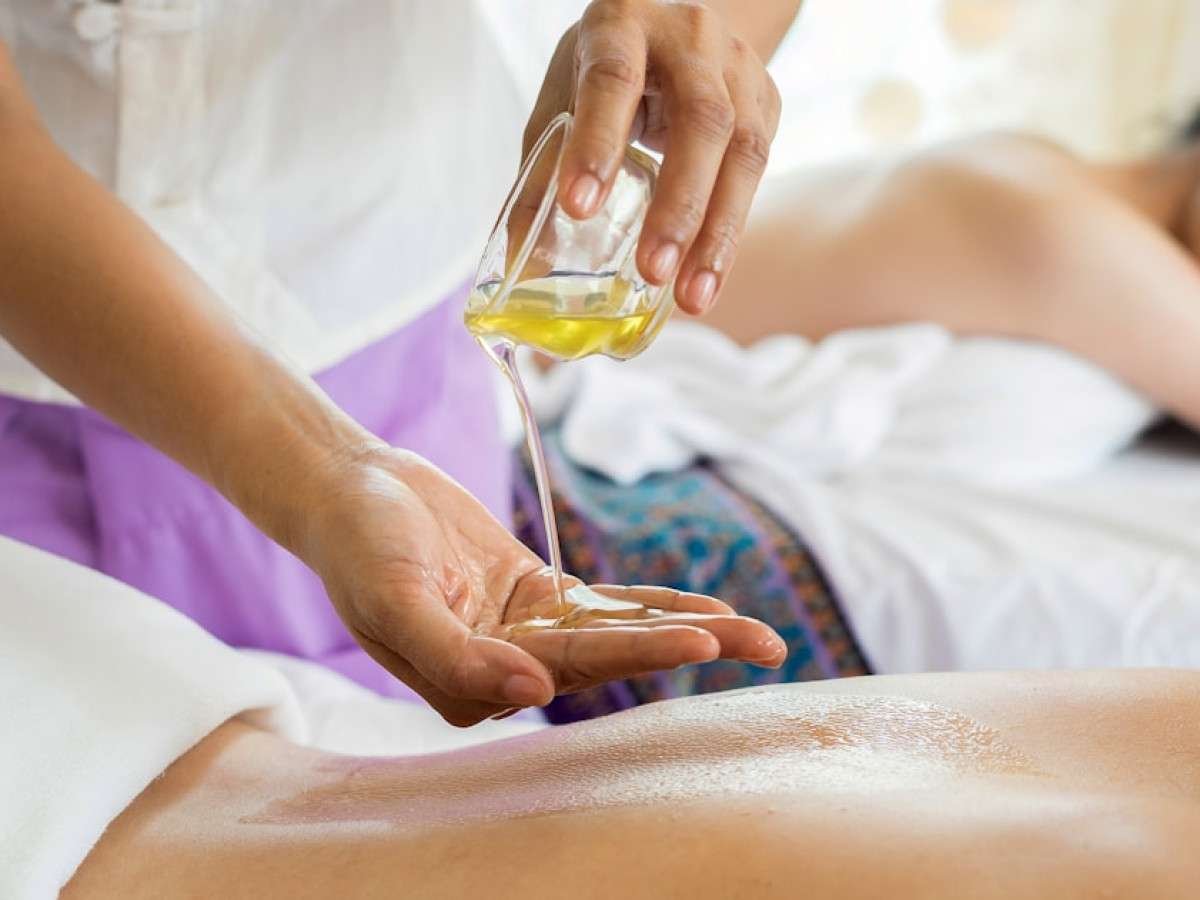
Warm, dosha-specific oil is worked into the body in long, rhythmic strokes. Abhyanga loosens deep-seated tension, improves circulation, and prepares tissues for further detox. It is the foundation of almost every Ayurvedic programme. The strokes follow the direction of hair growth and lymph flow, moving outward from the centre of the body toward the extremities. A vata-predominant person usually receives a heavier, slower massage with sesame-based oil, while a pitta type gets cooling coconut or brahmi oil, and kapha types benefit from lighter, warmer oils with stimulating strokes.
First-timers often ask whether the oil is washed off. Yes — after the massage you typically take a warm shower with a mild herbal soap or gram flour, which leaves the skin soft rather than greasy. Expect to feel deeply relaxed for the rest of the day; many clients schedule Abhyanga for an evening slot for exactly this reason.
Swedana — Herbal Steam
After oil application, herbal steam opens the pores and helps the body sweat out what it does not need. Twenty minutes of Swedana can leave you lighter and clearer-headed than an hour of ordinary rest. The steam is usually infused with herbs like eucalyptus, tulsi, or dashamoola, and the head is kept cool with a damp cloth so you do not overheat.
Swedana is not recommended immediately after a heavy meal, and it is skipped for anyone with uncontrolled blood pressure or a fever. A good therapist will check with you before switching on the steam — a small detail that separates a thoughtful spa from a rushed one.
Udvartana — Herbal Powder Scrub
Dry herbal powders are rubbed against the skin in upward strokes. This stimulates lymph flow, reduces heaviness, and is popular with clients working on body contouring and dull skin. The powders — often a blend of chickpea flour, triphala, and calamus — create friction that warms the skin and encourages circulation without the slipperiness of oil.
Udvartana is particularly good for people who feel heavy and lethargic, especially in humid weather. It is usually followed by a light oil application so the skin does not feel dry, and it pairs well with Swedana for a complete "scrub and steam" session.
Shirodhara — Oil Stream on the Forehead
A continuous thread of warm oil is poured over the forehead. It calms the nervous system and is one of the most requested therapies for stress, insomnia, and mental fatigue. The oil is poured in a slow, steady stream from a hanging vessel, and the therapist keeps the temperature constant throughout — usually around body temperature, adjusted by a degree or two for comfort.
Most people describe Shirodhara as the deepest rest they have had in months. It is especially helpful for anyone who lies awake replaying the day, or who wakes up tired despite a full night's sleep. A 30 to 45-minute session is typical, and it is often combined with a short head and shoulder massage.
Kati Basti and Janu Basti
Warm oil is pooled over the lower back or knees using a dough ring. Excellent for desk workers with stiffness and for older clients with joint discomfort. The oil is kept warm for 20 to 30 minutes while you lie still, and the dough ring is made fresh for each session. Many regular clients book Kati Basti once a month as maintenance for long sitting hours.
Pada Abhyanga — Foot Therapy
A focused foot massage with warm oil that targets tired legs, poor circulation, and disturbed sleep. It is a small therapy with a surprisingly large effect, especially for people who stand all day or travel frequently. It is often added to the end of a longer session as a calming finish.
Who Should Consider an Ayurvedic Detox?
You do not need to be unwell to benefit. Common reasons people book a cleansing programme include:
- Constant fatigue despite adequate sleep
- Bloating, irregular digestion, or heaviness after meals
- Dull skin, breakouts, or a tired complexion
- Stiffness in the neck, back, or knees from long sitting hours
- Poor sleep and a mind that will not switch off
- A recent phase of heavy eating, travel, or celebration
- Recurring headaches or a heavy-headed feeling, especially after screen-heavy weeks
- Feeling "stuck" — low motivation, low energy, or a body that feels older than it should
If you recognise two or three of these, a short detox series usually makes a noticeable difference. The key is to be honest with the therapist about what you are experiencing, so the right combination of therapies can be chosen rather than a generic package.
How Ayurveda Personalises a Detox by Dosha
Ayurveda does not treat everyone the same way. Your dominant dosha — vata, pitta, or kapha — shapes which oils, temperatures, and pressures suit you best. Here is a practical guide to how that plays out in a spa setting.
Vata Types
Vata-dominant people tend to be light-framed, quick-moving, and prone to dry skin, cold hands, anxiety, and irregular digestion. They benefit from warm, heavy oils like sesame, slow and steady strokes, and generous Swedana. They should avoid long dry scrubs and very cold or very hot extremes.
Pitta Types
Pitta types often run hot — literally and figuratively. They may have sensitive skin, strong digestion that tips into acidity, and a tendency toward irritability when overheated. Cooling oils such as coconut or brahmi, moderate steam, and gentle pressure work best. Shirodhara is especially calming for a pitta mind that runs hot.
Kapha Types
Kapha-dominant people are sturdy, calm, and prone to heaviness, congestion, and sluggishness. They respond well to Udvartana, lighter oils, warmer steam, and more vigorous strokes. A kapha-focused detox often emphasises stimulation and movement rather than deep rest.
Most people are a mix of two doshas, and the balance shifts with season and lifestyle. A therapist who asks the right questions can usually identify your pattern within a short consultation — no lengthy questionnaire required.
What a Session at Raipur SPA Looks Like
Every visit begins with a short consultation. We ask about your routine, digestion, sleep, and any medical conditions. Based on that, the therapist recommends a combination — for example, Abhyanga followed by Swedana, or Udvartana with a Shirodhara finish.
You are then guided to a private therapy room. Oils are warmed to body temperature, and pressure is adjusted to your comfort throughout. Most sessions run 60 to 90 minutes. Rooms are kept dim and quiet, phones are silenced, and the therapist checks in at intervals without breaking the flow of the treatment.
Afterward, you rest briefly with a warm herbal drink. We advise avoiding cold food and heavy meals for a few hours. This aftercare is not an add-on; it is part of how detox works. Rushing straight back into a heavy lunch or a stressful meeting can undo much of the benefit, so if you can, leave a buffer of an hour or two after your session.
Raipur SPA is located in Samta Colony, Raipur, and stays open daily from 11:00 AM to 09:00 PM. Therapies start from ₹999, making a regular wellness routine realistic rather than a once-a-year splurge. Weekend slots fill quickly, so booking a day or two in advance is wise.
Sample Detox Plans for Different Goals
To make this practical, here are a few combinations clients commonly choose. These are starting points, not fixed prescriptions — your therapist will adjust them after the consultation.
The One-Session Reset
Abhyanga followed by Swedana, 90 minutes. Best for a first visit, a stressful week, or a quick physical reset before an event. You leave relaxed, lighter, and with noticeably softer skin.
The Three-Session Starter
Three sessions across one week — for example, Abhyanga with Swedana, then Udvartana with Swedana, then Shirodhara. This is a popular structure for people dealing with fatigue, poor sleep, and heaviness. Most clients notice better sleep after the second session.
The Five-Session Cleanse
A fuller series spread across one to two weeks, combining oil therapies, steam, powder scrubs, and Shirodhara, with dietary guidance alongside. This suits people who want a genuine reset of digestion and energy rather than a single treat.
The Desk Worker's Maintenance Plan
Kati Basti plus Pada Abhyanga once or twice a month, with an occasional Shirodhara. Designed for people who sit for long hours and feel stiffness in the lower back, neck, and legs.
Simple Home Habits That Support the Detox
Therapy does half the work; the rest happens at home. A few basics go a long way.
- Warm water in the morning — supports elimination and digestion. Sip it slowly rather than gulping a large glass at once.
- Light dinners — khichdi, soups, or steamed vegetables for a few days after therapy. Aim to finish eating at least two hours before bed.
- Fixed sleep timing — Ayurveda treats consistent sleep as medicine. Going to bed and waking at roughly the same time matters more than total hours alone.
- Less cold and packaged food — especially during and after a detox series. Cold drinks with meals are a common culprit behind sluggish digestion.
- Gentle movement — walking or simple stretching, not intense workouts. A 20-minute walk after dinner is enough.
- Oil pulling or tongue scraping — a small morning habit that supports oral hygiene and, in Ayurvedic terms, helps clear ama from the head and mouth.
- Mindful meals — eating without screens, chewing properly, and stopping before you feel completely full.
Safety First: When to Skip or Postpone
Ayurvedic therapies are gentle but not universally suitable. Avoid or postpone detox treatments if you are pregnant, have an active infection or fever, have recently had surgery, or are managing uncontrolled hypertension or diabetes. Anyone with a history of heart conditions, bleeding disorders, or serious skin infections should also check with their doctor first.
Always share your medical history with the therapist. A responsible spa will never push a therapy that does not suit you. If a therapist suggests skipping a particular treatment or shortening a session, take that as a good sign — it means they are paying attention.
It is also worth being realistic about expectations. Detox therapies are supportive and restorative, not a substitute for medical treatment. If you have a persistent symptom, see a doctor first and treat the spa session as complementary care.
Frequently Asked Questions
What is Ayurvedic detox and how does Panchakarma work?
Ayurvedic detox clears accumulated toxins from the body using herbal oils, steam, and guided elimination therapies. Panchakarma is the classical five-step system behind it, and spa-level versions focus on the preparatory and supportive stages.
How many sessions do I need to feel a difference?
Most clients notice better sleep and lighter digestion after two to three sessions. A fuller cleansing series usually runs five to seven sessions, spread across one or two weeks.
Is Panchakarma painful?
No. The therapies offered at a spa are gentle and relaxing. Pressure and oil temperature are adjusted to your comfort, and you can ask the therapist to modify anything at any point.
Can I book an Ayurvedic detox in Raipur on a weekend?
Yes. Raipur SPA is open daily from 11:00 AM to 09:00 PM, including weekends, so a Saturday or Sunday slot is easy to arrange.
What should I do before and after a detox session?
Eat something light about two hours before your appointment and avoid alcohol the previous night. Afterward, rest, drink warm water, and keep meals simple for the remainder of the day.
How much does an Ayurvedic detox cost in Raipur?
At Raipur SPA, cleansing therapies start from ₹999, with final pricing depending on the therapy combination and session length you choose.
Do I need to fast before an Ayurvedic therapy?
No. Fasting is not required for spa-level therapies and can actually make you feel lightheaded during a session. A light meal about two hours before is ideal. Deeper clinical procedures may have different rules, but those are always supervised by a doctor.
Can I combine Ayurvedic detox with my regular gym routine?
Yes, with a small adjustment. On therapy days, keep exercise gentle — a walk or light stretching rather than an intense workout. Save heavy training for non-therapy days, especially during a multi-session series.
A Final Word
Detox in Ayurveda is not a quick fix — it is a reset. Done properly, with the right therapies and sensible aftercare, it can improve how you digest, sleep, move, and feel in your own skin.
If you have been meaning to start, keep it simple. Book one session, see how your body responds, and build from there. To reserve a slot at Raipur SPA, call or WhatsApp +91 7987 303 127 — our team will help you pick the right therapy for your body and schedule.
Frequently Asked Questions
What does Panchakarma involve?
Panchakarma is a group of traditional Ayurvedic cleansing procedures that may include oil massage, steam therapy, herbal treatments, and guided diet. A practitioner selects and sequences therapies based on individual assessment. Programmes vary by centre and are usually supervised.
How long does an Ayurvedic detox programme take?
Duration varies by programme and individual needs, ranging from a few days to a couple of weeks. Many Raipur spas offer short introductory packages as well as longer supervised programmes. A consultation helps determine an appropriate length.
Is Ayurvedic detox safe for everyone?
Not necessarily. Suitability depends on age, health status, and medical history, so a consultation is important. People with chronic conditions, pregnancy, or on medication should seek medical advice first. Qualified practitioners screen clients before recommending therapies.
What should I expect during a Panchakarma session in Raipur?
Sessions typically begin with an assessment, followed by therapies such as warm oil massage, steam, or herbal applications in a calm spa setting. Practitioners may also give dietary and lifestyle guidance. Expect a structured, supervised experience rather than a single standalone treatment.
Do I need to follow a special diet during detox?
Many programmes include dietary guidance, often light, warm, and easily digestible foods, to complement the therapies. Specific recommendations are set by the practitioner. Follow their advice and disclose any dietary restrictions or medical conditions beforehand.
How do I choose a Panchakarma centre in Raipur?
Look for qualified Ayurvedic practitioners, clear consultation processes, hygiene standards, and transparent programme details. Ask about supervision, therapist qualifications, and customization. Reading reviews and visiting the facility can help you decide.
Book Your Session
Book Your SessionPeople Also Ask
Related Articles

Health & Wellness
Corporate Wellness in Raipur: Why Spa Days Are the Ultimate Team Stress Buster
13 min read · 28 Oct 2026
Health & Wellness
Shirodhara Therapy in Raipur: Benefits of the Ancient Ayurvedic Oil Pouring Treatment
10 min read · 27 Oct 2026
Health & Wellness
Why Prenatal Massage Is Gaining Popularity Among Expectant Mothers in Raipur
15 min read · 25 Oct 2026
Enjoyed This Article?
Stop reading about relaxation — come experience it firsthand at Raipur SPA.