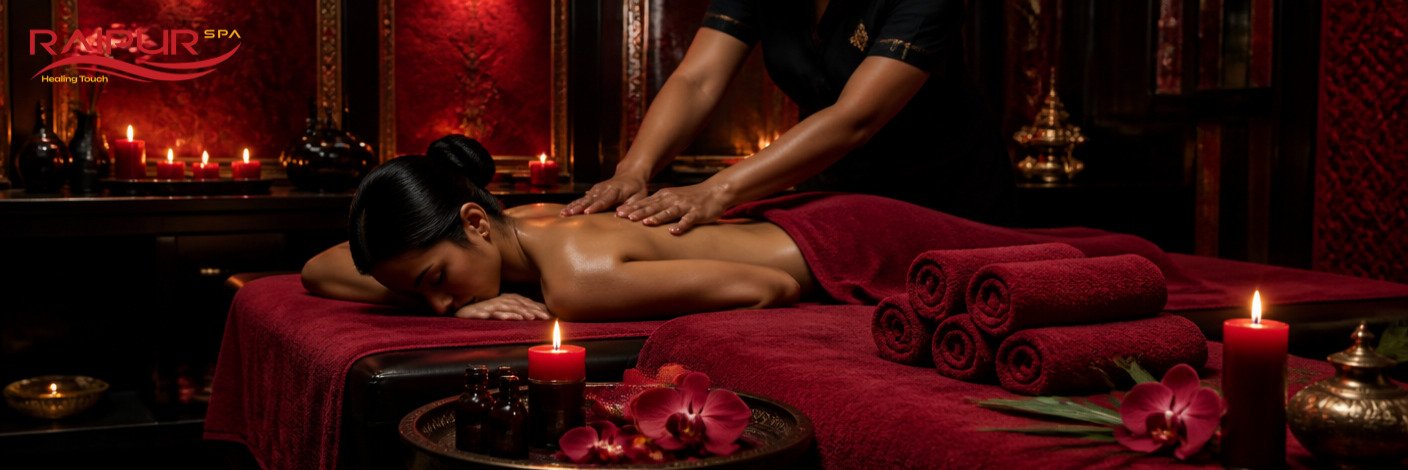
What is Panchakarma and where can you get an Ayurvedic detox in Raipur?
Panchakarma is a traditional Ayurvedic cleansing program that typically includes five therapeutic procedures such as oil massage, steam therapy, and guided dietary routines, delivered over several days under practitioner supervision. In Raipur, several wellness centers and spas offer Panchakarma-style detox packages and short wellness retreats, usually combining abhyanga massage, herbal steam, and consultation-based lifestyle guidance.
Key Takeaways
- • Panchakarma is a multi-day Ayurvedic cleansing program, not a single treatment.
- • Most Raipur packages combine oil massage, herbal steam, and diet guidance.
- • Sessions are typically supervised by Ayurvedic practitioners or trained therapists.
- • Short 3-7 day retreat formats are common for first-time guests.
- • Consultation before booking helps match the program to your routine and goals.
- • Detox programs are wellness experiences, not substitutes for medical care.
Ayurvedic detox in Raipur means using time-tested Panchakarma therapies — like Abhyanga, Swedana, and Nasya — to help your body clear built-up toxins, calm the nervous system, and restore digestive balance. Local wellness retreats and spas such as Raipur SPA in Samta Colony offer these treatments as guided, multi-session resets rather than one-off massages. But what does that actually look like day to day, who is it for, and how do you avoid wasting money on something that is really just a fancy oil rub? This guide walks through the full picture — the philosophy, the therapies, the practical logistics, the aftercare, and the honest limits — so you can decide whether a reset makes sense for you right now.
Key Takeaways
- Panchakarma is a structured Ayurvedic cleansing process, not a single massage; it works best over several sessions.
- Common therapies include Abhyanga (oil massage), Swedana (herbal steam), Nasya (nasal therapy), and Udvartana (herbal scrub).
- A proper detox starts with a short consultation so the therapist can match oils, heat, and pressure to your body type.
- Raipur SPA in Samta Colony offers Ayurvedic therapies starting from ₹999, open daily 11:00 AM to 09:00 PM.
- Drink water, eat light meals, and rest after a session — the recovery window matters as much as the treatment.
- Detox is supportive wellness, not a replacement for medical care; consult a doctor for diagnosed conditions.
- Results depend as much on what you do between sessions — sleep, food, hydration — as on the therapy itself.
What Ayurvedic Detox Really Means (and What It Doesn't)
The word "detox" gets thrown around loosely. In Ayurveda, it has a specific meaning: helping the body process and eliminate ama — the sticky residue of incomplete digestion that Ayurvedic practitioners believe accumulates in the body over time. The idea is that when digestion is weak or irregular, food isn't fully transformed into usable energy. What's left over becomes ama, which is described as heavy, cloudy, and obstructive. Over months and years, it's thought to settle in the gut, the joints, the skin, and the mind, showing up as fatigue, bloating, dull complexion, brain fog, and a general sense of being weighed down.
Panchakarma is the classical method for addressing this. Traditionally it involves five cleansing actions, though most modern spa settings adapt a gentler version focused on oil therapies, herbal steam, and dietary guidance. The full classical protocol is intense and is typically done under the supervision of a qualified Ayurvedic physician, often in a residential setting. What you'll find at a Raipur wellness retreat or spa is usually a modified, comfort-focused version — sometimes called Purvakarma-led detox, meaning the preparatory oil and heat therapies are the main event rather than the more aggressive elimination procedures.
What it isn't: a magic cure, a weight-loss shortcut, or a replacement for medical treatment. It won't reverse a thyroid condition, fix a structural back problem, or substitute for antibiotics. Think of it as deep maintenance — the kind your body rarely gets from a rushed weekend. The best way to hold expectations is to think in terms of how you feel: lighter, calmer, sleeping better, digesting more comfortably. Those are realistic outcomes. Dramatic transformations in a single session are not.
It's also worth understanding the Ayurvedic logic of doshas — vata (air and movement), pitta (heat and transformation), and kapha (earth and water). A practitioner uses your dominant patterns to decide which oils, temperatures, and pressures suit you. A vata-dominant person who runs cold and anxious might get warm, grounding sesame oil and gentle pressure. A pitta-dominant person who runs hot and irritable might get cooling oils like coconut and less steam. A kapha-dominant person who feels heavy and sluggish might get vigorous scrubs and more stimulation. This individualization is the whole point — and it's why a one-size-fits-all spa menu is a red flag.
Why Raipur Residents Are Turning to Panchakarma
Raipur's climate swings hard — dry summers, humid monsoons, cool winters. Add desk jobs, long commutes, outside food, and irregular sleep, and you get the classic Ayurvedic picture of sluggish digestion and accumulated fatigue. In summer, the heat and dust leave people dehydrated and irritable; in monsoon, humidity and waterborne infections strain the gut; in winter, heavier food and less movement slow everything down. Each season nudges the body in a different direction, and without periodic resets, the effects compound.
People here are also becoming more careful about what they put into their bodies. That shift has made Ayurvedic detox in Raipur more mainstream, especially among professionals in their 30s and 40s who want something more substantial than a monthly massage. Many have tried gym-only approaches, crash diets, or generic "spa days" and found them unsatisfying — either too superficial or too punishing. Panchakarma appeals because it's structured but gentle, and because it treats the body as a system rather than a collection of problems.
There's a social dimension too. Word travels in neighborhoods like Samta Colony, Shankar Nagar, and Civil Lines. When a colleague comes back from a weekend reset looking rested and talking about better sleep, others get curious. That organic, referral-driven interest has done more to popularize Ayurvedic wellness in Raipur than any advertising.
The appeal is simple: a structured reset that addresses sleep, digestion, stress, and skin together instead of treating each in isolation. If you've been to a dermatologist for dull skin, a gastroenterologist for bloating, and a sleep clinic for insomnia — and each gave you a separate prescription — the idea of one coordinated approach feels refreshing.
The Core Panchakarma Therapies You'll Encounter
Understanding what each therapy does helps you choose sensibly and ask better questions at the consultation. Here's a practical breakdown of the treatments most Raipur retreats and spas offer.
Abhyanga — Warm Herbal Oil Massage
Warm, medicated oil is applied in long, rhythmic strokes along the body's energy channels. It loosens stiffness, improves circulation, and settles the nervous system. Most people describe the after-feeling as "lighter" — that's the point. The strokes are typically slow and deliberate, following the direction of hair growth and lymph flow, and the pressure is adjusted to your comfort. Sessions usually run 45 to 60 minutes.
Practical tips: don't eat a heavy meal for at least an hour before; wear clothes you don't mind getting oily; and expect to leave with oil still on your skin — most spas advise waiting an hour before showering so the herbs can absorb. If you have very sensitive skin, ask for a patch test or a lighter oil like sunflower or coconut instead of sesame.
Swedana — Herbal Steam Therapy
Usually paired with Abhyanga, Swedana uses herbal steam to open pores and encourage sweating. It helps release what the oil massage has loosened. The steam is infused with herbs like eucalyptus, tulsi, or dashamula, depending on the spa. Sessions are short — often 10 to 20 minutes — because the goal is gentle perspiration, not exhaustion.
If you run hot or have low blood pressure, tell your therapist — the intensity gets adjusted. The same goes for anyone with asthma or heart conditions; steam therapy isn't for everyone, and a good therapist will screen for this. Drink water before and after, and sit quietly for a few minutes once you step out rather than rushing to dress.
Nasya — Nasal Therapy
A few drops of medicated oil in each nostril. Sounds odd, feels surprisingly clearing. It's traditionally used for sinus congestion, headaches, and mental fog. The therapist typically warms the face and neck first, then administers the drops, and you rest for a few minutes while the oil works. Some people experience mild tearing or a strong smell of herbs — both normal.
Not recommended during pregnancy or with active sinus infections. If you have a cold with a fever, postpone. And don't blow your nose forcefully for a while afterward; the point is to let the oil do its work.
Udvartana — Herbal Powder Scrub
A dry herbal powder massage that exfoliates and stimulates circulation. Popular for dull skin and water retention. It's more vigorous than an oil massage, so it suits kapha-dominant body types best — people who feel heavy, sluggish, or prone to puffiness. The powder is usually a blend of chickpea flour, turmeric, and other herbs, rubbed in upward strokes.
Because it's exfoliating, skip it if you have active eczema, sunburn, or broken skin. And don't schedule a waxing appointment right after — your skin will be sensitive for a day.
Shirodhara — The Continuous Oil Stream
Warm oil poured in a steady stream over the forehead. Deeply calming, and one of the most requested therapies for insomnia and anxiety. The sensation is unlike anything else — a constant, rhythmic warmth that many people find puts them into a near-meditative state within minutes. Many guests book Shirodhara alone, without a full Panchakarma cycle, especially during stressful work periods.
Bring a hair tie or accept that your hair will be oily; most spas provide a towel and a light head massage afterward. Avoid scheduling it right before an important meeting.
Kati Basti and Janu Basti — Localized Oil Therapy
Less talked about but very common: a dough ring is placed on the lower back (Kati Basti) or knee (Janu Basti), and warm oil is pooled inside it for 20 to 30 minutes. It's a targeted therapy for stiffness, desk-job back pain, and joint discomfort. If you spend eight hours a day at a computer, this is often the most immediately satisfying treatment on the menu.
How a Wellness Retreat Reset Typically Unfolds
A proper reset has phases, and skipping them is why some people feel worse instead of better. The classical sequence is preparation (Purvakarma), main therapy (Pradhanakarma), and recovery (Paschatkarma). Here's how that translates into a realistic modern schedule.
- Consultation: A short assessment of your body type, digestion, sleep, and health history. Expect questions about bowel habits, energy patterns, and stress — answer honestly, because the plan depends on it.
- Preparation: Light dietary adjustments and oil application in the days before deeper therapies. This might mean skipping cold drinks and fried food, and applying oil at home for a day or two.
- Main therapies: The core Panchakarma sessions, spaced across several visits. A typical light reset might be three to five sessions over one to two weeks.
- Recovery: Rest, hydration, and simple food for a day or two afterward. This is not the time for a late-night party or a gym session.
- Follow-up: Gentle maintenance therapies and home routines to hold the results — perhaps one session a month and a simple morning routine.
A weekend version exists for busy schedules, but the traditional cycle runs longer. Be honest with yourself about what you can commit to. A rushed three-day version squeezed between meetings often delivers less than a well-spaced five-session plan over two weeks. If your schedule is genuinely tight, ask for a lighter, shorter protocol rather than trying to compress a full one.
It also helps to plan the calendar around the reset. Avoid booking it right before a major deadline or travel. The point is to give your body a low-stress window to respond.
Choosing a Wellness Retreat or Spa in Raipur
Not every spa offering "Ayurvedic massage" runs authentic protocols. Look for a few things before you book.
Ask about the oils. Genuine Ayurvedic therapy uses medicated oils, not generic lotion. A good spa will tell you exactly what's being used — sesame, coconut, ksheerabala, or a specific herbal blend — and why. If the answer is vague, that tells you something.
Check the consultation process. If there's no intake conversation, it's a massage, not a detox. The intake doesn't need to be an hour-long examination, but it should cover your health history, current complaints, and goals.
Look at hygiene and therapist training. Steam rooms, linens, and therapist credentials matter more than fancy interiors. Ask whether the steam room is cleaned between guests, whether oils are stored properly, and whether therapists have formal Ayurvedic training. A quick tour before booking is entirely reasonable.
Be clear about pricing. Ayurvedic therapies at Raipur SPA start from ₹999, with transparent rates for longer Panchakarma-style packages. Ask what's included in a package — number of sessions, therapy types, consultation, and aftercare guidance — so there are no surprises.
Check the environment. A calm, quiet space with soft lighting and minimal noise is not just aesthetic; it's part of the therapy. If the treatment room feels like a busy salon, the nervous system won't settle the way it should.
Ask what happens after. A good spa gives you simple aftercare instructions — what to eat, when to shower, what to avoid. If you leave with no guidance, the reset is incomplete.
Who Should Consider Ayurvedic Detox — and Who Shouldn't
If you deal with chronic fatigue, irregular digestion, poor sleep, or stress that never quite lifts, a structured reset can genuinely help. It's also useful seasonally — many people do a lighter version at the change of seasons, especially at the transition from monsoon to winter or winter to summer, when the body is adjusting to new conditions. People recovering from a period of heavy travel, erratic eating, or intense work stress often find a short reset helps them re-establish routines.
Skip it, or get medical clearance first, if you're pregnant, recovering from surgery, managing a chronic illness, or on significant medication. This includes diabetes, hypertension, heart conditions, and autoimmune disorders. Ayurvedic detox is complementary wellness, not a substitute for diagnosis or treatment. If you're unsure, a quick call to your doctor is worth more than a guess.
It's also worth being honest about motivation. If you're booking a detox primarily to lose weight quickly, you'll likely be disappointed, and you may push yourself into an overly restrictive plan that backfires. If you're booking it because you feel run down and want a structured way to reset habits, you're in the right frame of mind.
Making the Reset Stick After You Leave
The therapies do part of the work. The rest happens in your kitchen and your sleep schedule. This is where most people either consolidate their results or lose them within a week.
Keep it simple: warm water in the morning, freshly cooked meals where possible, a consistent bedtime, and a few minutes of quiet breathing before sleep. Nothing exotic. The point is to protect what the sessions opened up. If you go straight back to late-night dinners and three cups of coffee, the reset fades fast — not because the therapy failed, but because the conditions that created the problem returned.
Practical additions that help without overwhelming you:
- Anchor one meal. Make lunch your main, home-cooked meal most days. It's the easiest single change with the biggest digestive payoff.
- Set a caffeine cutoff. No coffee after 3 PM for two weeks after your reset. Notice how sleep changes.
- Walk after dinner. Ten to fifteen minutes, not a workout. It helps digestion and signals the body that the day is winding down.
- Keep a water bottle visible. Hydration is the most underrated part of aftercare, especially in Raipur's heat.
- Schedule one maintenance session. Booking your next appointment before you leave makes follow-through far more likely.
Most people who get lasting results from Ayurvedic detox in Raipur don't overhaul their lives — they make three or four small changes and hold them for a few months. The reset creates a window; the small changes keep it open.
Common Mistakes That Undermine a Detox
Even well-intentioned resets go sideways. Here are the patterns worth avoiding.
Booking too much too fast. Jumping into an intense protocol without preparation often leaves people exhausted or lightheaded. Start lighter than you think you need.
Skipping meals entirely. Detox is not fasting. Most Ayurvedic protocols emphasize light, warm, cooked food — not starvation. Undereating during a reset can leave you weak and irritable.
Treating it as a one-off. A single session is a massage. A reset is a sequence. If you can only do one session, call it what it is and enjoy it, but don't expect deep change.
Ignoring aftercare. The day after matters. Alcohol, heavy food, and intense exercise in the 24 hours after a session can undo much of the benefit.
Not disclosing health conditions. Therapists can only adjust what they know about. Be upfront about medications, past surgeries, and current symptoms.
Booking a Reset in Raipur
If you're ready to try a proper Panchakarma-style reset, Raipur SPA in Samta Colony offers Ayurvedic therapies from ₹999, open daily from 11:00 AM to 09:00 PM. The team will walk you through options based on your schedule and goals — no pressure, no upsell. Whether you want a single Shirodhara session to decompress or a multi-visit reset with consultation and aftercare, the conversation starts with what you actually need.
Call or WhatsApp +91 7987 303 127 to check availability and book your consultation. If you're unsure which therapy suits you, mention your main concern — sleep, digestion, stress, or stiffness — and the team can suggest a starting point.
Frequently Asked Questions
What is Panchakarma and how is it different from a regular massage?
Panchakarma is a structured Ayurvedic cleansing protocol with preparation, core therapies, and recovery phases. A regular massage is a single relaxation session; Panchakarma is a multi-session process aimed at deeper balance.
How many sessions does an Ayurvedic detox need?
It depends on your goals and health. A light reset might be three to five sessions, while a fuller Panchakarma cycle runs longer. A consultation helps set realistic expectations.
Is Ayurvedic detox safe for everyone?
Most therapies are gentle, but not universal. Pregnant women, people recovering from surgery, and those with chronic conditions should consult a doctor first. Always disclose medications during consultation.
How much does Ayurvedic detox cost in Raipur?
Therapies at Raipur SPA start from ₹999, with package pricing depending on the therapies and number of sessions. Ask for a clear breakdown before booking.
What should I do after a Panchakarma session?
Rest, drink warm water, and eat light, freshly cooked food. Avoid alcohol, heavy meals, and intense workouts for at least a day so your body can process the treatment.
Do I need to change my diet before a detox?
Not drastically. Most practitioners suggest lighter meals and reduced caffeine or alcohol a day or two before. Your therapist will give specific guidance during the consultation.
Can I do Ayurvedic detox during my period?
Most practitioners advise postponing deeper therapies like steam and vigorous scrubs during menstruation. Gentle oil massage and rest may still be fine, but check with your therapist and adjust the schedule.
How will I feel after a session?
Most people feel relaxed, lighter, and sleepy. Some feel mildly tired or emotional for a few hours. Occasional mild headache or thirst is normal. If you feel dizzy or unwell, tell the therapist immediately and rest before leaving.
The Bottom Line
An Ayurvedic detox isn't about punishing your body — it's about giving it the conditions to reset. If you've been running on caffeine and six hours of sleep, a structured Panchakarma-style retreat is a reasonable place to start again. Go in with clear expectations, choose a spa that asks questions before it sells packages, and treat the days after your session as part of the treatment, not an afterthought.
Book a session at Raipur SPA and see how your body responds.
Frequently Asked Questions
How long does a Panchakarma detox usually take?
Traditional Panchakarma programs run from about 7 to 21 days, though many Raipur wellness centers offer shortened 3-7 day versions. The ideal length depends on your schedule and the practitioner's assessment.
What treatments are included in an Ayurvedic detox package in Raipur?
Most packages include abhyanga (oil massage), herbal steam therapy, and guided diet or lifestyle recommendations. Some centers add shirodhara, nasya, or gentle yoga sessions depending on the program.
Do I need a consultation before booking a detox retreat?
Yes, most reputable centers recommend a short consultation first. It helps practitioners review your routine, preferences, and any health considerations before suggesting a program.
Is Panchakarma suitable for beginners?
Many Raipur centers offer gentler introductory versions suited to first-time guests. Beginners should mention any health conditions so the program can be adjusted or a simpler option recommended.
What should I expect during a detox session?
Sessions usually involve warm herbal oil massage, steam, and rest periods in a calm setting. Guests are often advised on light meals and hydration between visits.
Can I book a single detox session instead of a full retreat?
Yes, many spas in Raipur offer standalone abhyanga or steam sessions. A full retreat is better suited if you want a structured, multi-day reset.
Book Your Session
Book Your SessionPeople Also Ask
Related Articles
Health & Wellness
Why Local Raipur Businesses and Professionals Choose Premium Spa Memberships
15 min read · 01 Nov 2026

Health & Wellness
How to Relieve Desk Job Back Pain: Massage and Wellness Tips for Raipur Professionals
11 min read · 31 Oct 2026

Health & Wellness
Corporate Wellness in Raipur: Why Spa Days Are the Ultimate Team Stress Buster
13 min read · 28 Oct 2026
Enjoyed This Article?
Stop reading about relaxation — come experience it firsthand at Raipur SPA.