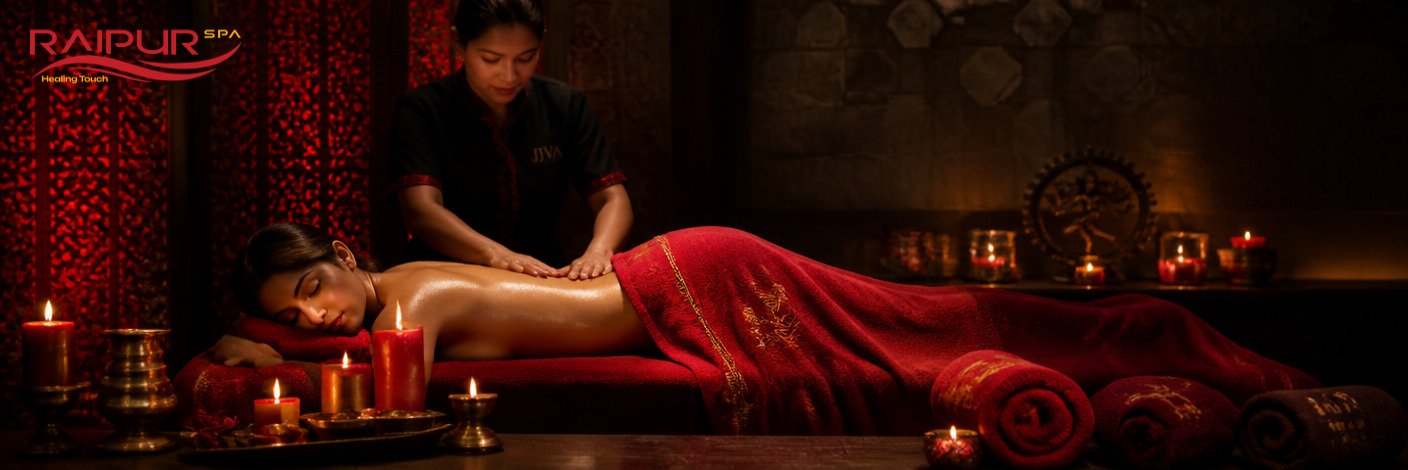
What is the best natural pain relief massage in Raipur?
Ayurvedic massage is widely considered the best natural pain relief option in Raipur. It uses warm herbal oils and traditional techniques like Abhyanga and Kati Basti to relax muscles, improve circulation, and ease stiffness in the back, neck, and joints. Many Raipur spas offer these therapies, and regular sessions are commonly used alongside rest and gentle movement for everyday discomfort.
Key Takeaways
- • Ayurvedic massage uses warm herbal oils tailored to individual body types and concerns.
- • Techniques like Abhyanga and Kati Basti target muscle stiffness and joint discomfort.
- • Improved circulation and muscle relaxation are the main reported benefits of these therapies.
- • Ayurvedic massage is a complementary wellness practice, not a replacement for medical treatment.
- • Raipur spas offer trained therapists who customize pressure and oils to your needs.
- • Consistency matters: regular sessions tend to support better mobility than one-off visits.
Ayurvedic massage is the best natural pain relief in Raipur because it treats pain at its root — balancing Vata dosha, improving circulation and releasing deep muscle tension — using warm herbal oils and time-tested techniques instead of painkillers. At Raipur SPA in Samta Colony, trained therapists tailor each session to your specific pain points, helping you move freely again without pills or side effects. Whether you are a desk-bound professional in Shankar Nagar, a shop owner on a busy main road, or a homemaker managing a full household, the daily grind of the city leaves its mark on your body — and this therapy offers a way to undo that damage naturally.
Key Takeaways
- Ayurvedic massage targets the root cause of pain by balancing doshas and improving blood flow, not just masking symptoms.
- Warm medicated oils like Mahanarayan and Dhanwantharam penetrate deep tissue to ease joint, back and nerve pain.
- Regular sessions can reduce stiffness, improve mobility and lower stress-related muscle tension.
- It is a safe, drug-free option for people who want to avoid long-term painkiller use.
- Raipur SPA offers authentic Ayurvedic therapies starting from just ₹999, open daily from 11:00 AM to 09:00 PM.
- Consistency matters — most people feel noticeable relief after two to four sessions.
- The right therapist matches the technique and oil to your specific pain — back, joints, nerves or headaches — rather than applying one standard routine.
- Simple daily habits like hydration, posture correction and short walks make each massage more effective and the relief longer-lasting.
Why Pain Is So Common in Raipur — and Why Pills Aren't the Answer
Raipur's daily rhythm takes a toll on the body. Long hours at desks, two-wheeler commutes on uneven roads, and the physical demands of business or household work leave many people with chronic back pain, stiff necks and aching knees. Think about the average working day here: a young IT professional sits at a screen for nine hours, drives home through traffic with shoulders hunched over the handlebars, then spends the evening on a sofa with a phone. A shopkeeper stands behind a counter for most of the day, lifting stock and bending repeatedly. A mother carries children, groceries and water, often with one hip bearing more load than the other. None of these are dramatic injuries — they are small, repeated stresses that accumulate quietly over months and years.
The usual response is a painkiller. It works for a few hours, then the pain returns. Over months, regular use of NSAIDs can upset the stomach, strain the kidneys and hide the real problem — muscles that are tight, joints that are undernourished and circulation that has slowed down. Many people in Raipur have been taking the same tablet for years without ever asking why the pain keeps coming back. The tablet does not loosen a knotted muscle, does not restore blood flow to a stiff joint, and does not teach a stressed nervous system to relax. It simply turns down the volume on the alarm.
There is also a practical cost. Painkillers are cheap per strip but expensive over a lifetime — in pharmacy bills, in stomach medicines taken to counter their side effects, and in the reduced quality of life that comes from moving cautiously, avoiding exercise and sleeping poorly. Ayurvedic massage takes a different route. Instead of silencing the signal, it addresses what is causing it. It is not a magic cure, and it does not replace medical care for serious conditions, but for the everyday, recurring aches that most people live with, it is a genuinely different approach — one that works with the body rather than against it.
How Ayurvedic Massage Works on Pain
Ayurveda views pain largely as a Vata imbalance — dryness, stiffness, coldness and blocked movement in the body. Vata governs all movement, including the flow of blood, nerve signals and joint fluids. When Vata is aggravated by cold weather, long sitting, dehydration, irregular meals or chronic stress, the result is exactly what many Raipur residents describe: stiffness in the morning, joints that creak, muscles that feel tight and a dull ache that never fully goes away. Abhyanga and other Ayurvedic techniques counter this with warmth, oil and rhythm — the three things Vata responds to best.
Warm herbal oils that go deep
Medicated oils such as Mahanarayan, Dhanwantharam and Ksheerabala are warmed before use. The heat opens pores and lets the herbs reach muscle and joint tissue, calming inflammation and nourishing dry, stiff areas. Each oil has a specific personality. Mahanarayan is the classic choice for joints and muscles — it is deeply nourishing and often used for arthritis, back pain and general stiffness. Dhanwantharam is lighter and is favoured for nerve-related discomfort and post-natal recovery. Ksheerabala, made with milk, is soothing and calming, often chosen for headaches, insomnia and stress-related tension. The oil is not a cosmetic add-on; in Ayurveda it is the medicine, and the massage is the delivery system that carries it into tissue.
Strokes that follow your body's lines
Therapists work along marma points and muscle fibers with consistent pressure. This loosens adhesions, releases trigger points and encourages fresh blood to flow into oxygen-starved tissue. Marma points are Ayurveda's vital junctions — similar in concept to acupressure points — where nerves, muscles and blood vessels meet. Working them in the right sequence is a skill, not a random rub. A trained therapist can feel where tissue is dense and guarded, and adjust pressure and direction accordingly. This is why two massages of the same duration can feel completely different depending on who is giving them.
A nervous system reset
Slow, rhythmic pressure signals the parasympathetic nervous system to switch on. Heart rate settles, cortisol drops and muscles that have been clenched for weeks finally let go. Much of the pain people carry is stress held in the shoulders, neck and lower back. If you have ever noticed that your shoulders are up near your ears during a stressful phone call, you understand how emotion becomes physical tension. Ayurvedic massage interrupts that loop physically — the hands persuade the muscles to release, and the nervous system follows.
Improved circulation and lymphatic flow
Pain and stiffness are often accompanied by poor local circulation. When blood flow is sluggish, waste products build up, tissue receives less oxygen and healing slows. The stroking movements of Abhyanga push blood and lymph along, helping the body clear metabolic waste and deliver fresh nutrients. Many people notice warmer hands and feet, less puffiness and a general feeling of lightness after a session — signs that circulation has improved.
Which Types of Pain Does It Help Most?
Ayurvedic massage is not a single treatment — it is a family of therapies. A good therapist matches the technique to your condition. Here is how the main types of pain are typically addressed.
- Lower back and neck pain: deep-tissue and Abhyanga work on the paraspinal muscles and posture-related tension. Therapists often combine long gliding strokes with focused pressure on the knots beside the spine, then finish with gentle stretches.
- Joint stiffness and arthritis: warm oil therapies like Pizhichil and Janu Basti ease knee and shoulder discomfort. Pizhichil involves a continuous stream of warm oil poured over the body, while Janu Basti uses a dough ring filled with warm oil placed over the knee joint to bathe it deeply.
- Sciatica and nerve pain: gentle, targeted strokes along the affected pathway reduce compression and numbness. Nerve pain needs a lighter touch than muscle pain — aggressive deep work can aggravate it, so experience matters here.
- Headaches and migraines: Shirodhara and head massage calm the nervous system and relieve tension headaches. Shirodhara, the slow pouring of warm oil onto the forehead, is one of Ayurveda's most relaxing therapies and is especially helpful for stress-driven headaches and insomnia.
- Sports and workout recovery: faster clearance of lactic acid and reduced next-day soreness. Gym-goers and runners in Raipur increasingly use massage as part of recovery rather than treating it as a luxury.
- Frozen shoulder and restricted movement: gradual, assisted stretching combined with warm oil can improve range of motion over a course of sessions.
- Menstrual cramps and lower abdominal tension: gentle abdominal and lower-back massage with suitable oils can ease monthly discomfort for many women.
If you have a diagnosed condition, mention it during consultation so your therapist can adapt pressure and oil choice. Bring any recent reports or prescriptions if you have them — it helps the therapist understand your history and avoid techniques that might not suit you.
Ayurvedic Massage vs. Painkillers: A Practical Comparison
Painkillers act in 30 to 60 minutes and wear off in a few hours. They suppress inflammation chemically but do nothing for tight muscles or poor circulation. For acute situations — a fresh injury, a fever, post-surgical pain — they are invaluable and should not be avoided. The problem is chronic, everyday use for pain that is not going away because its cause is not being addressed.
Ayurvedic massage takes longer to show results — usually two to four sessions — but the relief tends to last because the underlying tissue has changed. You are not just feeling better; your muscles are actually looser and better supplied with blood. Think of the difference between turning off a smoke alarm and putting out the fire. The tablet turns off the alarm; the massage helps put out the fire.
There is also the question of what you gain alongside pain relief. A painkiller offers nothing but the absence of pain, and often a side effect or two. A good massage session also improves sleep, reduces stress, lifts mood and gives you an hour of genuine rest — benefits that compound over time. For acute injuries, medical care comes first. For the everyday, recurring pain that most Raipur residents live with, natural therapy is often the smarter long-term choice.
What a Session at Raipur SPA Looks Like
A good Ayurvedic session starts with a short consultation. Your therapist asks where it hurts, how long it has been there, your sleep and stress levels, and your daily routine. This conversation is not a formality — it decides which oil is used, how much pressure is applied and which areas get extra attention. Be specific: instead of saying "my back hurts," point to the spot, describe whether it is sharp or dull, and mention what makes it worse (sitting, bending, cold weather).
Then comes the treatment itself — warm oil applied in steady, deliberate strokes, with extra attention to the painful area. Sessions typically run 60 to 90 minutes. Afterwards, a warm towel or steam helps the oil absorb and keeps the muscles relaxed. You will usually be advised to rest for a short while, drink warm water and avoid cold drinks or air-conditioning immediately after.
At Raipur SPA in Samta Colony, Raipur, therapies start from ₹999, and the team is open daily from 11:00 AM to 09:00 PM, so you can book around work or family commitments. The space is kept clean and calm, hygiene is taken seriously, and therapists are trained to work with first-timers who may be nervous about deep pressure. If it is your first Ayurvedic massage, say so — the therapist will explain each step and keep the pressure comfortable.
Simple Habits That Make the Massage Work Better
Treatment works best when your daily life supports it. A few small changes make a real difference.
- Drink warm water through the day — hydration helps tissue recovery and keeps Vata in check.
- Avoid heavy meals right before a session; light food is better. Leave at least an hour after eating.
- Take a short walk after your massage to keep circulation moving, but avoid intense exercise for the rest of the day.
- Adjust your desk and chair height to reduce recurring strain. Your screen should be at eye level and your feet flat on the floor.
- Book sessions consistently rather than only when pain flares up. A monthly maintenance session prevents small problems from becoming big ones.
- Keep the treated area warm afterwards — a light scarf or shawl in winter, and avoid direct cold air from fans or AC on oiled skin.
- Sleep on a supportive mattress and use a pillow that keeps your neck neutral, especially if you have neck or shoulder pain.
- Do the simple stretches your therapist suggests. Five minutes of gentle movement in the morning is often more effective than an hour of stretching once a week.
Who Should Be Careful?
Ayurvedic massage is generally safe, but tell your therapist if you are pregnant, have a fever, skin infection, uncontrolled blood pressure or a recent fracture. In those cases, a gentler therapy or a modified approach may be recommended. People with bleeding disorders, those on blood thinners, or anyone recovering from surgery should consult their doctor first. If you have a skin condition, the therapist may choose a lighter oil or avoid the affected area.
Honesty during consultation is what makes the treatment both safe and effective. There is no benefit in downplaying pain or hiding a medical condition — the therapist can only adapt to what they know. A good therapist will never pressure you to continue if a technique does not feel right, and you should always speak up if the pressure is too strong or too light.
How Ayurvedic Massage Fits Into a Modern Raipur Lifestyle
One reason Ayurvedic massage works so well in a city like Raipur is that it addresses the exact stresses of modern urban life. Air-conditioned offices dry out the skin and stiffen muscles; long commutes compress the spine; late nights and irregular meals disturb the body's natural rhythms. Ayurveda has always treated lifestyle as part of medicine, which is why a massage session often comes with advice about sleep, food and movement.
It also fits practically. You do not need special equipment, a long break from work or a change of diet to begin. A 60-minute session can be scheduled after office hours or on a weekend morning, and the benefits carry into the rest of the week. For busy professionals, this is one of the few health routines that is both effective and easy to keep.
Couples and families often book sessions together — one for back pain, another for stress relief — turning it into a shared wellness habit rather than a one-off indulgence. Athletes, dancers and gym regulars use it to recover faster, while older adults use it to stay mobile and independent. The therapy adapts to the person, which is precisely the Ayurvedic idea: there is no single prescription for everyone.
Frequently Asked Questions
How many Ayurvedic massage sessions do I need for pain relief?
Most people notice improvement after two to four sessions. Chronic conditions may need a longer course of six to ten sessions, spaced a week apart, along with home care. Your therapist can suggest a realistic schedule after the first consultation.
Is Ayurvedic massage painful?
No. Pressure is adjusted to your comfort level. You may feel mild soreness the next day, similar to after exercise, but it usually fades within 24 hours. Tell your therapist immediately if any stroke feels too intense.
Can Ayurvedic massage replace my pain medication?
Never stop prescribed medication without consulting your doctor. Many people gradually reduce painkiller dependence as their pain improves, but that decision belongs to you and your physician.
Which oil is best for back and joint pain?
Mahanarayan and Dhanwantharam oils are commonly used for joint and back pain. Your therapist chooses based on your condition, skin type and dosha balance.
How long does one session take?
A typical full-body Ayurvedic massage takes 60 to 90 minutes. Focused treatments for a specific area may take 30 to 45 minutes.
Do I need an appointment at Raipur SPA?
Booking ahead is recommended, especially on weekends. You can reserve a slot by calling or messaging +91 7987 303 127.
Is it safe to get an Ayurvedic massage during pregnancy?
Some gentle therapies are safe after the first trimester, but only with a therapist experienced in prenatal care and with your doctor's approval. Always inform the therapist before booking.
Can I combine Ayurvedic massage with physiotherapy or medication?
Yes, in most cases. Massage complements physiotherapy and prescribed medication well. Just inform both your therapist and your doctor so everyone is working from the same information.
Final Thoughts
Pain that keeps returning is a message from your body, not something to silence with a tablet every few hours. Ayurvedic massage answers that message with warmth, skilled hands and herbal oils that nourish rather than suppress. It is not a quick fix, and it asks for consistency — but the relief it offers tends to stay because it changes the tissue, not just the signal.
If you have been living with nagging back pain, stiff joints or stress-tight shoulders, give natural therapy a fair chance. Book your session at Raipur SPA today — call or WhatsApp +91 7987 303 127 and let your body do what it does best: heal.
Frequently Asked Questions
Is Ayurvedic massage effective for back pain?
Many people report reduced stiffness and tension after Ayurvedic massage, especially with techniques like Kati Basti that focus on the lower back. It supports relaxation and circulation but is not a medical cure. Persistent or severe back pain should be checked by a doctor.
How often should I get an Ayurvedic massage in Raipur?
A common approach is one session per week or fortnight for ongoing stiffness, or occasional sessions for relaxation. Your therapist can suggest a schedule based on your comfort and goals. More frequent sessions are not automatically better.
What oils are used in Ayurvedic pain relief massage?
Warm sesame, mustard, or medicated herbal oils are commonly used, often chosen based on your body type and concern. Oils are warmed before application to help muscles relax. Tell your therapist about allergies or skin sensitivities beforehand.
How long does an Ayurvedic massage session last?
Most sessions in Raipur run between 45 and 90 minutes, depending on the technique and areas treated. Abhyanga full-body sessions usually take about an hour. Arrive a few minutes early so the therapist can discuss your needs.
Is Ayurvedic massage safe for everyone?
It is generally considered safe for healthy adults, but pregnant women, people with skin infections, fractures, or certain medical conditions should consult a doctor first. Inform your therapist about any health issues or medications. Choose a spa with trained, experienced therapists.
Can Ayurvedic massage replace physiotherapy or medication?
No. Ayurvedic massage is a complementary wellness therapy and should not replace physiotherapy, medication, or medical advice. It can be used alongside conventional care if your doctor approves. Always seek professional treatment for diagnosed conditions.
Book Your Session
Book Your SessionPeople Also Ask
Related Articles
Massage Therapy
Full Body Massage in Raipur: Swedish vs Deep Tissue vs Aroma Therapy Compared
12 min read · 20 Oct 2026
Massage Therapy
Pain Relief Massage in Raipur: How Deep Tissue Therapy Helps Back and Neck Pain
13 min read · 20 Oct 2026
Massage Therapy
Hot Stone and Aroma Therapy Massage in Raipur: A Complete Guide
11 min read · 19 Oct 2026
Enjoyed This Article?
Stop reading about relaxation — come experience it firsthand at Raipur SPA.