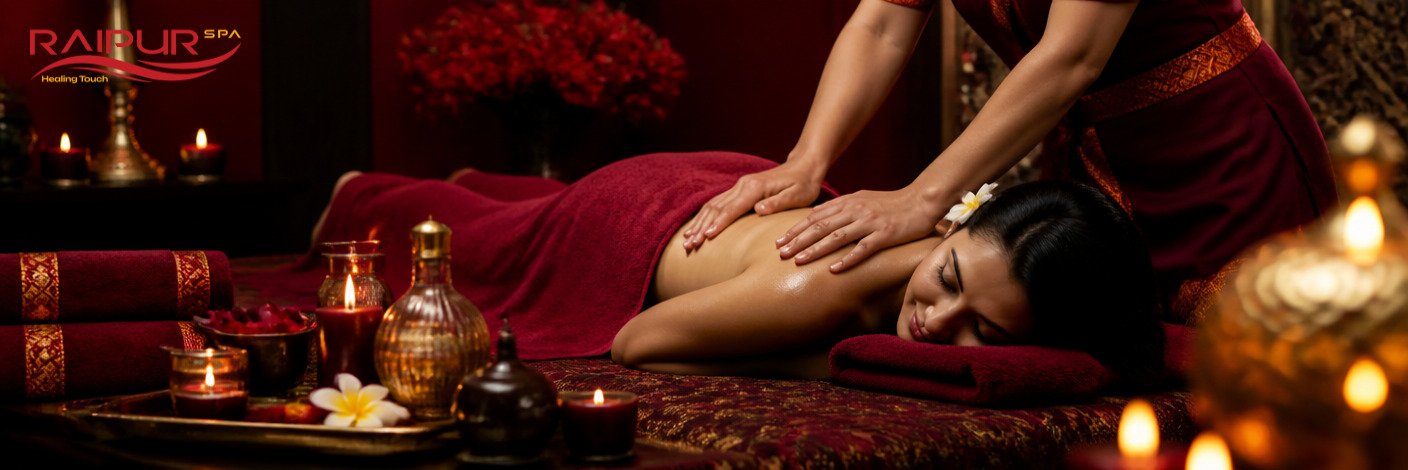
What is deep tissue massage and who benefits most in Raipur?
Deep tissue massage targets inner muscle layers and fascia using slow, firm strokes and sustained pressure. In Raipur, it benefits athletes with muscle tension or sports recovery needs, and desk workers with neck, shoulder, and lower back stiffness from prolonged sitting. Sessions typically last 60–90 minutes and may cause mild soreness for a day.
Key Takeaways
- • Deep tissue massage applies firm, sustained pressure to reach deeper muscle and fascia layers.
- • Athletes use it to ease muscle tightness and support recovery after intense training.
- • Desk workers benefit from relief of neck, shoulder, and lower back tension caused by prolonged sitting.
- • Sessions usually last 60–90 minutes and may cause temporary soreness.
- • It is not a substitute for medical treatment; consult a doctor for persistent pain.
- • Choosing a qualified therapist in Raipur ensures safe and effective pressure levels.
Deep tissue massage in Raipur is a therapeutic technique that targets the inner layers of your muscles and connective tissue. It uses slow, firm strokes and sustained pressure to break down adhesions and relieve chronic tension. For athletes, it speeds recovery; for desk workers, it reverses postural damage. At Raipur SPA in Samta Colony, this therapy starts at just ₹999. But beyond the price and the promise, there is a lot you should know before you book your first session—or your tenth. This guide covers everything: what deep tissue massage actually does to your body, why it works so well for both gym-goers and laptop warriors, how to prepare, what to expect, and how to make the benefits last.
Key Takeaways
- Deep tissue massage releases chronic muscle knots and improves mobility for both athletes and desk workers.
- Athletes benefit from faster recovery, reduced soreness, and injury prevention.
- Desk workers get relief from neck, shoulder, and lower back pain caused by prolonged sitting.
- Raipur SPA offers deep tissue massage from ₹999, open daily 11 AM to 9 PM.
- Book a session at Samta Colony, Raipur, by calling or WhatsApp +91 7987 303 127.
- Consistency matters: regular sessions yield the best long-term results.
- Communicate with your therapist during the session—pressure should feel intense but never unbearable.
- Hydration, rest, and light movement after your massage maximize the benefits.
What Exactly Is Deep Tissue Massage?
Unlike a relaxing Swedish massage, deep tissue massage works on the deeper muscle layers and fascia. Therapists use elbows, forearms, and knuckles to apply sustained pressure. The goal is to break up scar tissue and adhesions that cause pain and limit movement. Adhesions are bands of tough, fibrous tissue that form when muscles are injured, overused, or held in the same position for too long. They stick muscle fibers together, preventing them from sliding smoothly. When that happens, you feel stiffness, pain, and a loss of range of motion.
It's not just a harder massage. It's a targeted approach based on your body's specific problem areas. A skilled therapist will assess your posture, ask about your daily habits, and then work through the layers of muscle systematically. They may spend more time on one side of your back than the other, or focus on the hip flexors if you sit all day. You might feel some soreness afterward, but the payoff is worth it.
Deep tissue massage also affects your nervous system. The slow, sustained pressure stimulates receptors that calm the sympathetic nervous system—your fight-or-flight response—and activate the parasympathetic system, which governs rest and recovery. That's why many people feel not just looser but also mentally calmer after a session.
Why Athletes in Raipur Need Deep Tissue Massage
Raipur has a growing sports culture—from cricket academies to gyms and running clubs. Whether you're a weekend warrior or a competitive athlete, your muscles take a beating. Deep tissue massage helps in several key ways.
Faster Muscle Recovery
Intense training creates micro-tears in muscle fibers. Deep tissue massage increases blood flow to these areas, delivering oxygen and nutrients that speed up repair. It also flushes out metabolic waste like lactic acid, reducing that heavy, achy feeling. A 2018 study in Frontiers in Physiology found that massage reduces inflammation and promotes mitochondrial function in muscle cells—meaning your muscles literally produce energy more efficiently after treatment.
For athletes in Raipur who train in the heat, recovery is even more critical. Dehydration and heat stress slow down the healing process. A deep tissue session helps restore circulation and fluid balance, so you bounce back faster.
Reduced Delayed Onset Muscle Soreness (DOMS)
DOMS can sideline you for days. Studies show that deep tissue massage significantly reduces soreness and improves range of motion. For athletes, that means getting back to training sooner. Instead of taking three days off after leg day, you might be ready to go in one or two.
The mechanism is partly mechanical and partly neurological. The pressure helps disperse swelling and break up knots, while the stimulation of nerve endings reduces the perception of pain. It's not just in your head—your muscles really do feel better.
Injury Prevention and Management
Overuse injuries are common in sports. Deep tissue massage breaks down scar tissue and realigns muscle fibers, reducing the risk of strains and tears. If you're already nursing an injury, it can complement physiotherapy. For example, a cricketer with a recurring hamstring strain might find that deep tissue work on the glutes and lower back reduces the load on the hamstring, preventing future pulls.
However, deep tissue massage is not a substitute for medical care. If you have an acute injury—sharp pain, swelling, or bruising—wait until the acute phase passes and consult a doctor first. Once you're in the rehabilitation stage, massage can be a powerful ally.
Improved Flexibility and Performance
Tight muscles restrict movement. By releasing chronic tension, deep tissue massage restores flexibility. Better flexibility translates to better performance—whether you're sprinting, lifting, or swinging a bat. A flexible muscle can generate more force over a greater range of motion, and it's less likely to tear.
Many athletes in Raipur notice that after a few sessions, their squat depth improves, their shoulders rotate more freely, and their stride feels smoother. These small gains add up to measurable performance improvements.
Mental Edge and Focus
Sports are as much mental as physical. Deep tissue massage reduces cortisol, the stress hormone, and boosts endorphins and serotonin. Athletes often report better sleep, sharper focus, and a more positive mindset after regular sessions. In a competitive environment, that mental edge can be the difference between winning and losing.
How Deep Tissue Massage Helps Desk Workers
If you spend 8+ hours a day at a desk, your body pays the price. Poor posture, repetitive strain, and lack of movement create a cascade of problems. Deep tissue massage addresses them head-on.
Relief from Neck and Shoulder Tension
Staring at a screen pulls your head forward, straining your neck and shoulders. This is called forward head posture, and for every inch your head moves forward, the load on your neck muscles increases by about 10 pounds. Over time, this leads to trigger points in the upper trapezius and levator scapulae—those hard, tender knots that cause headaches and restricted movement.
Deep tissue massage releases these trigger points, restoring normal muscle length and reducing pain. Many desk workers in Raipur report that after a session, they can turn their head fully without wincing.
Lower Back Pain Relief
Sitting puts pressure on your lumbar spine and tightens your hip flexors. When your hip flexors are tight, they pull your pelvis forward, increasing the curve in your lower back and causing pain. Deep tissue massage targets the lower back, glutes, and psoas muscle to relieve pain and restore alignment.
The psoas is a deep hip flexor that connects your spine to your femur. It's notoriously difficult to stretch, but a skilled therapist can access it through the abdomen or by working on the surrounding muscles. Releasing the psoas can dramatically reduce lower back pain and improve posture.
Better Posture
When tight muscles pull your body out of alignment, posture suffers. Deep tissue massage loosens those muscles, allowing your skeleton to find its natural position. You'll stand taller and feel more balanced. Over time, better posture reduces wear and tear on your joints and lowers your risk of degenerative conditions.
Combining massage with ergonomic adjustments—like raising your monitor to eye level and taking breaks every 30 minutes—can accelerate your progress. Massage alone helps, but it works best as part of a broader self-care strategy.
Reduced Stress and Mental Clarity
Physical tension feeds mental stress. Deep tissue massage triggers the release of endorphins and lowers cortisol levels. Desk workers often report improved focus and better sleep after a session. When your body is relaxed, your mind follows.
In Raipur's fast-paced work environment, taking an hour for a massage isn't a luxury—it's maintenance. Think of it as tuning up your body so you can perform at your best.
Relief from Repetitive Strain Injuries
Typing, using a mouse, and scrolling on your phone can cause repetitive strain injuries like carpal tunnel syndrome and tennis elbow. Deep tissue massage on the forearms, wrists, and shoulders can alleviate symptoms by reducing tension and improving circulation. It's not a cure-all, but it's a valuable part of a treatment plan.
What to Expect During Your Session at Raipur SPA
At Raipur SPA in Samta Colony, your deep tissue massage begins with a brief consultation. Your therapist will ask about your pain points, lifestyle, and goals. This ensures the session is tailored to you.
You'll lie on a comfortable massage table in a calm, private room. The therapist will use oil or lotion to reduce friction and work through your muscle layers systematically. Communication is key—let them know if the pressure is too much or too little. A good therapist will check in periodically, but don't hesitate to speak up.
Sessions typically last 60 or 90 minutes. Afterward, you may feel some soreness, similar to after a workout. Drinking plenty of water helps flush out toxins. Avoid intense activity for the rest of the day.
Here's a quick breakdown of what happens before, during, and after:
- Before: Arrive 10 minutes early, wear comfortable clothing, and avoid a heavy meal for at least an hour.
- During: Breathe deeply, relax your muscles, and communicate about pressure and comfort.
- After: Drink water, rest, and avoid strenuous exercise. A warm bath or heating pad can help with lingering soreness.
Deep Tissue vs. Other Massage Types
Not all massages are created equal. Here's how deep tissue compares to common alternatives.
- Swedish Massage: Gentle, relaxing, focuses on superficial muscles. Great for stress relief but not for chronic pain.
- Sports Massage: Similar to deep tissue but often done before or after athletic events. Focuses on performance and recovery.
- Thai Massage: Involves stretching and acupressure. Good for flexibility but less targeted for specific muscle knots.
- Aromatherapy Massage: Uses essential oils for relaxation. Not designed for deep muscle work.
- Trigger Point Therapy: Focuses on specific knots that refer pain to other areas. Often combined with deep tissue work.
- Myofascial Release: Targets the fascia, the connective tissue around muscles. Similar goals but different techniques.
If you have specific pain or tightness, deep tissue is usually the best choice. If you just want to unwind, Swedish or aromatherapy might be more appropriate. Many therapists blend techniques, so don't be afraid to ask for a customized approach.
How Often Should You Get Deep Tissue Massage?
Frequency depends on your goals and lifestyle. Athletes in heavy training might benefit from weekly sessions. Desk workers with chronic pain may need twice a month. For general maintenance, once a month is sufficient.
Listen to your body. If you're sore for more than a day or two, space out your sessions. Your therapist at Raipur SPA can recommend a schedule that works for you. Here are some general guidelines:
- Acute pain or injury recovery: 1–2 sessions per week for 3–4 weeks, then reassess.
- Chronic tension: Every 2 weeks until symptoms improve, then monthly.
- Maintenance: Once a month to keep muscles healthy and prevent issues.
- Pre-event (athletes): 2–3 days before a competition, lighter pressure.
- Post-event (athletes): 1–2 days after, moderate to deep pressure.
Consistency is more important than intensity. A regular monthly massage is better than one intense session every six months.
How to Prepare for Your Deep Tissue Massage
Preparation can make or break your experience. Here are practical tips to get the most out of your session:
- Hydrate: Drink water before and after. Well-hydrated muscles are more pliable and less likely to feel sore.
- Avoid heavy meals: Give yourself at least an hour to digest. Lying on a full stomach is uncomfortable.
- Arrive early: Rushing increases tension. Give yourself time to relax before the session begins.
- Wear comfortable clothing: You'll undress to your comfort level, but loose clothing makes it easier to change afterward.
- Communicate your needs: Tell your therapist about injuries, surgeries, or areas of sensitivity.
- Skip alcohol and caffeine: Both can increase sensitivity and dehydration.
Aftercare: What to Do After a Deep Tissue Massage
The hours after your massage are just as important as the session itself. Proper aftercare enhances results and prevents unnecessary soreness.
- Drink plenty of water: Massage releases metabolic waste, and hydration helps flush it out.
- Rest: Avoid intense exercise for 24 hours. Light walking or stretching is fine.
- Apply heat: A warm bath or heating pad can soothe sore muscles.
- Stretch gently: Gentle stretching helps maintain the gains from your session.
- Listen to your body: If something hurts, don't push through it. Give yourself time to recover.
Common Myths About Deep Tissue Massage
There are many misconceptions about deep tissue massage. Let's clear them up.
- Myth: It's always painful. Truth: It can be intense, but it should never be unbearable. Pain is not the goal.
- Myth: It's only for athletes. Truth: Anyone with chronic tension or pain can benefit, including desk workers, seniors, and pregnant women (with modifications).
- Myth: You need to be bruised to get results. Truth: Bruising is not a sign of effectiveness. It means the pressure was too aggressive.
- Myth: One session fixes everything. Truth: Deep tissue massage is cumulative. Regular sessions yield lasting results.
- Myth: It's just a harder Swedish massage. Truth: It uses different techniques and targets deeper layers of muscle and fascia.
Why Choose Raipur SPA for Deep Tissue Massage?
Raipur SPA is a premium wellness destination in Samta Colony, Raipur. We combine skilled therapists, a serene environment, and affordable pricing. Our deep tissue massage starts at ₹999, making professional therapy accessible.
We're open daily from 11:00 AM to 09:00 PM, so you can book a session that fits your schedule. Whether you're an athlete or a desk worker, our team is trained to address your specific needs.
Here's what sets us apart:
- Expert therapists: Trained in deep tissue, sports, and therapeutic massage techniques.
- Personalized sessions: We tailor every massage to your body and goals.
- Clean, calming environment: Private rooms, fresh linens, and a relaxing atmosphere.
- Affordable pricing: Starting at ₹999, with packages available for regular clients.
- Convenient location: Samta Colony, Raipur—easy to reach from anywhere in the city.
- Flexible hours: Open daily 11 AM to 9 PM, including weekends.
Frequently Asked Questions
What is deep tissue massage good for?
Deep tissue massage is effective for chronic muscle pain, sports recovery, postural problems, and stress relief. It targets deep muscle layers and fascia to release tension and improve mobility.
Is deep tissue massage painful?
It can be uncomfortable during the session, especially on tight areas. However, the pressure should never be unbearable. Communicate with your therapist to adjust the intensity.
How long does a deep tissue massage session last?
At Raipur SPA, sessions typically last 60 or 90 minutes. Your therapist will recommend a duration based on your needs and goals.
Can desk workers benefit from deep tissue massage?
Absolutely. Desk workers often suffer from neck, shoulder, and lower back pain due to prolonged sitting. Deep tissue massage relieves this tension and corrects postural imbalances.
How often should athletes get deep tissue massage?
Athletes in intense training may benefit from weekly sessions. For maintenance, once or twice a month is usually enough. Your therapist can create a personalized schedule.
What should I do after a deep tissue massage?
Drink plenty of water, avoid strenuous activity, and apply heat if needed. Listen to your body and rest. You may feel sore for a day, similar to after a workout.
Is deep tissue massage safe for everyone?
Deep tissue massage is generally safe, but it's not recommended for people with certain conditions such as blood clots, severe osteoporosis, or active infections. Pregnant women should consult their doctor first. Always inform your therapist about your health history.
Can deep tissue massage help with headaches?
Yes. Many headaches, especially tension headaches, originate from tight muscles in the neck and shoulders. Deep tissue massage releases these trigger points, often providing significant relief.
Final Thoughts
Deep tissue massage is a game-changer for athletes and desk workers alike. It addresses the root cause of pain and tension, not just the symptoms. Whether you're recovering from a tough workout or a long week at the office, your body deserves expert care.
Ready to feel better? Book your deep tissue massage at Raipur SPA today. Call or WhatsApp us at +91 7987 303 127. We're open daily from 11 AM to 9 PM. Your body will thank you.
Frequently Asked Questions
How is deep tissue massage different from Swedish massage?
Deep tissue massage uses slower, firmer strokes and sustained pressure to target deeper muscle layers and fascia. Swedish massage is lighter and more relaxing, focusing on superficial muscles and circulation.
Can deep tissue massage help with desk-related back pain?
It can help relieve muscle tightness and tension associated with prolonged sitting. However, it does not treat underlying medical conditions, so persistent pain should be evaluated by a healthcare professional.
Is deep tissue massage suitable for athletes?
Yes, athletes often use it to address muscle tightness and support recovery after training. It is best scheduled outside immediate pre-competition periods and with guidance from a coach or therapist.
What should I expect after a deep tissue massage?
Mild soreness or tenderness in the treated areas is common for 24–48 hours. Drinking water and gentle stretching may help; severe or lasting pain should be checked by a doctor.
How often should I get a deep tissue massage in Raipur?
Frequency depends on your goals, activity level, and therapist advice. Many people choose every 2–4 weeks for maintenance, while athletes may need more frequent sessions during heavy training.
Are there any risks or people who should avoid deep tissue massage?
People with certain medical conditions, recent injuries, or skin infections should consult a doctor first. Pregnant individuals and those with circulatory issues should also seek medical clearance before booking.
Book Your Session
Book Your SessionPeople Also Ask
Related Articles
Massage Therapy
Hot Stone Massage in Raipur: Warm Relief for Tension and Body Aches
14 min read · 22 Sep 2026
Massage Therapy
Pain Relief Massage in Raipur: Sciatica, Back Pain & Neck Stiffness Solutions
15 min read · 21 Sep 2026
Massage Therapy
Best Massage in Raipur: 10 Reasons Our Premium Spa Stands Out
12 min read · 21 Sep 2026
Enjoyed This Article?
Stop reading about relaxation — come experience it firsthand at Raipur SPA.