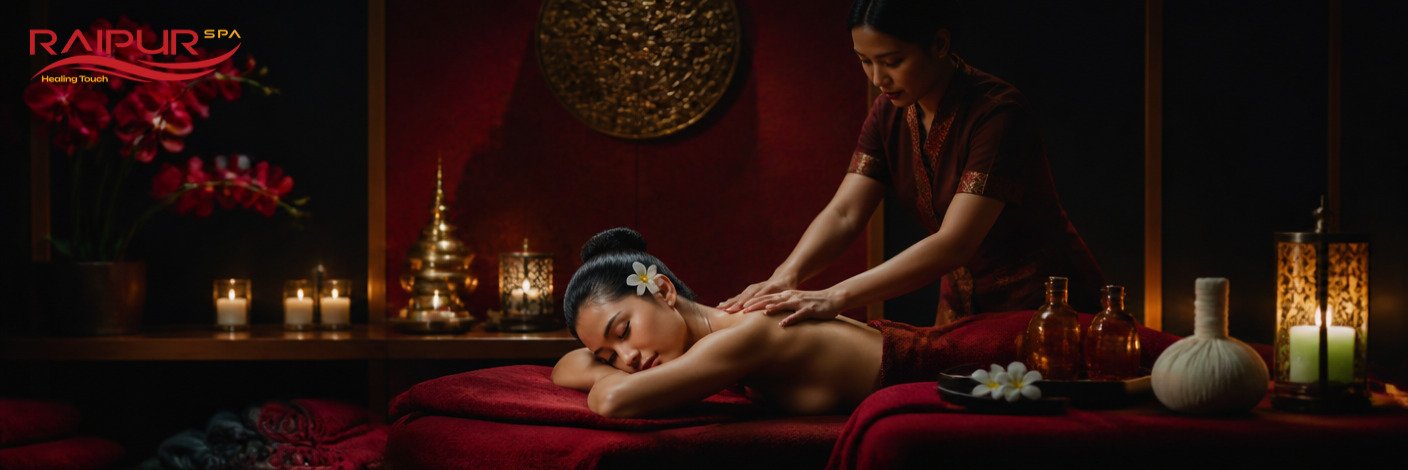
Why is deep tissue massage popular among fitness enthusiasts in Raipur?
Deep tissue massage is popular among Raipur's fitness enthusiasts because it targets deeper muscle layers and fascia to relieve chronic tension, improve mobility, and aid post-workout recovery. It helps break down adhesions and increase blood flow, which can reduce soreness and enhance performance. Many athletes in Raipur use it as part of their regular recovery routine.
Key Takeaways
- • Deep tissue massage relieves chronic muscle tension and knots that can hinder athletic performance.
- • It improves flexibility and range of motion by releasing fascial restrictions.
- • Increased blood circulation from deep tissue massage helps speed up post-exercise recovery.
- • It is effective for common fitness-related issues like lower back pain, tight hamstrings, and shoulder tension.
- • Regular sessions can complement training by reducing injury risk and enhancing overall muscle function.
- • Raipur's fitness community values deep tissue massage for its targeted, results-oriented approach.
Deep tissue massage is the go-to therapy for Raipur's fitness enthusiasts because it targets chronic muscle tension, speeds up recovery, and improves mobility. Unlike lighter massages, it uses slow, firm strokes and sustained pressure to reach deeper muscle layers and fascia—exactly what active bodies need after intense workouts, long runs, or hours at the gym. In a city where fitness culture is exploding—from early-morning runners circling Telibandha Lake to packed strength-training floors in Samta Colony and Shankar Nagar—recovery is no longer an afterthought. It's part of the training plan. And deep tissue massage has become the recovery tool of choice for people who take their bodies seriously.
Key Takeaways
- Deep tissue massage relieves stubborn knots and muscle tightness that regular stretching can't fix.
- It boosts blood flow, reduces inflammation, and helps you recover faster between workouts.
- Ideal for runners, gym-goers, cyclists, and anyone with a physically demanding routine.
- At Raipur SPA, sessions start from just ₹999, open daily 11 AM–9 PM.
- Best results come from consistent sessions—every 2–4 weeks—paired with hydration and rest.
- Always choose a trained therapist who adjusts pressure to your comfort level.
- Deep tissue work is clinical, not just "harder"—it targets specific muscles, fascia, and adhesions.
- Communicate openly during your session; pressure should feel intense but never unbearable.
What Exactly Is Deep Tissue Massage?
Deep tissue massage is a therapeutic technique that focuses on the inner layers of your muscles and the connective tissue (fascia) around them. The therapist uses slow, deliberate strokes and firm pressure—often with fingers, knuckles, elbows, or forearms—to break down adhesions and scar tissue that cause pain and limit movement. Unlike a relaxing spa massage, deep tissue work is purposeful and anatomical. Your therapist isn't just working on the surface; they're reaching the muscle groups that carry the most load in your training.
It's not just a "harder" Swedish massage. The approach is more clinical: your therapist works with your body's anatomy, targeting specific problem areas like the lower back, shoulders, neck, and hamstrings. For fitness enthusiasts, that precision is what makes it so effective. A Swedish massage might help you unwind, but a deep tissue session is designed to change how your muscles function.
Here's what makes it different at a technical level:
- Direction of strokes: Deep tissue strokes often go across the muscle fibers (cross-fiber friction) rather than only along them, which helps break up adhesions.
- Speed: The strokes are slow—sometimes just an inch per second—because slow pressure allows tissue to actually release rather than tense up in defense.
- Depth: Therapists use body weight and specialized tools (elbows, forearms, knuckles) to sink into deeper layers without causing injury.
- Focus: Sessions are usually targeted. You might spend 20 minutes on one stubborn shoulder or hamstring rather than spreading time evenly.
Understanding this distinction matters because many people book a deep tissue massage expecting a relaxing experience and are surprised by the intensity. The goal isn't relaxation—it's restoration. That said, a skilled therapist can make even deep work feel manageable by warming up the tissue first and adjusting pressure as they go.
Why Raipur's Fitness Enthusiasts Swear By It
Raipur has a growing fitness culture—from early-morning runners at Telibandha Lake to packed gyms across Samta Colony and Shankar Nagar. With that activity comes muscle fatigue, tightness, and the risk of injury. Deep tissue massage addresses these issues head-on. But it's not just about feeling better after a workout. It's about maintaining a body that can keep up with the demands of consistent training.
Think about the typical week of a Raipur fitness enthusiast: strength training four or five days, a couple of runs or cycling sessions, maybe a yoga class or a game of badminton on the weekend. That's a lot of repetitive strain on the same muscle groups. Without proper recovery, that strain accumulates. Deep tissue massage is one of the few tools that directly addresses that accumulation.
1. Faster Muscle Recovery
After a heavy leg day or a long run, your muscles are filled with metabolic waste and micro-tears. Deep tissue massage increases blood circulation, delivering oxygen and nutrients while flushing out toxins. This can significantly reduce soreness and get you back to training sooner. Studies on massage therapy consistently show reduced levels of creatine kinase (a marker of muscle damage) and lower perceived soreness after intense exercise.
But the benefit isn't just chemical—it's mechanical. When your therapist applies sustained pressure to a fatigued muscle, it helps realign muscle fibers that have become disorganized from strain. That means your next workout starts from a better baseline. You're not fighting through leftover tightness from last week's session.
For Raipur athletes training in the heat, recovery is even more critical. Higher temperatures increase fluid loss and cardiovascular strain, so giving your muscles a dedicated recovery session can make a noticeable difference in how you feel day to day.
2. Breaks Down Stubborn Knots
Those painful knots in your back or shoulders? They're often adhesions—bands of tight tissue that form from repetitive strain. Deep tissue techniques manually break these down, restoring smooth muscle function and relieving pain that stretching alone can't touch. If you've ever rolled on a foam roller for ten minutes and still felt that hard lump in your upper back, you know the frustration.
Adhesions form when muscle fibers get stuck together, often after periods of overuse or poor recovery. They restrict movement and can refer pain to other areas. A deep tissue therapist uses cross-fiber friction and sustained pressure to separate these stuck fibers, allowing them to glide properly again. It's not a one-session fix for chronic knots, but even a single session can make a noticeable difference in how freely you move.
3. Improves Flexibility and Range of Motion
Tight fascia limits how far you can move. By releasing tension in the fascia and deeper muscle layers, deep tissue massage helps you squat deeper, reach further, and move more freely—key for athletes in any sport. Flexibility isn't just about stretching; it's about whether your tissue is healthy enough to lengthen under load.
Consider the squat. If your hip flexors and calves are tight from running, your depth suffers. If your thoracic spine is locked up from hours at a desk, your overhead press feels stiff. Deep tissue massage addresses these restrictions at the tissue level, complementing your mobility work in the gym. Many Raipur lifters report hitting new personal records after a few consistent deep tissue sessions simply because their joints can finally move through a full range of motion.
4. Reduces Injury Risk
When muscles are tight and imbalanced, your joints compensate, leading to strains and sprains. Regular deep tissue work keeps your muscles supple and balanced, lowering the chance of overuse injuries. Think of it as preventive maintenance for your body—the same way you'd change the oil in your car before the engine seizes.
Common overuse injuries in fitness enthusiasts include runner's knee, shin splints, tennis elbow, and lower back pain. Each of these often starts with a muscle imbalance or chronic tightness that alters movement patterns. Deep tissue massage can catch these issues early, before they become full-blown injuries that sideline you for weeks.
5. Manages Chronic Pain
Many fitness enthusiasts deal with nagging pain—lower back ache, tennis elbow, runner's knee. Deep tissue massage targets the root cause, not just the symptom, offering lasting relief. If you've been popping painkillers before every leg day, that's a sign your body needs more than rest. It needs targeted tissue work.
Chronic pain often stems from trigger points—hyperirritable spots in tight muscle bands that refer pain to other areas. A deep tissue therapist is trained to identify and release these trigger points, which can provide relief that lasts far longer than a surface-level massage. For Raipur residents who spend long hours sitting in traffic or at desks, this can be especially transformative.
6. Supports Mental Focus
Intense training stresses the nervous system. A deep tissue session triggers the relaxation response, lowering cortisol and helping you sleep better. Better recovery means better performance—and a clearer mind. Many athletes underestimate the mental toll of constant training. When your body is always "on," your nervous system never fully recovers, which can lead to irritability, poor sleep, and decreased motivation.
Deep tissue massage activates the parasympathetic nervous system—the "rest and digest" mode—which is exactly what you need after weeks of hard training. Clients often report sleeping better for several nights after a session, and that sleep is when your body actually repairs itself. So the benefits compound: better sleep leads to better recovery, which leads to better training, which leads to better results.
Who Should Get a Deep Tissue Massage?
This therapy is excellent for:
- Gym-goers and weightlifters
- Runners, cyclists, and swimmers
- Yoga and CrossFit enthusiasts
- Anyone with a physically demanding job
- People with chronic muscle tension or old injuries
- Desk workers who train hard after hours
- Athletes preparing for or recovering from competitions
If you're new to deep tissue, start with a 60-minute session and communicate openly with your therapist about pressure. It's normal to feel some soreness for a day or two afterward—that's the tissue healing. But if the soreness lasts more than 48 hours or feels sharp rather than dull, let your therapist know next time so they can adjust their approach.
Deep tissue massage isn't for everyone. If you have a bleeding disorder, are on blood thinners, have active infections, or have recently had surgery, consult your doctor first. Pregnant women should seek a therapist trained in prenatal massage. And if you're looking for pure relaxation, a Swedish or aromatherapy massage might be a better fit.
What to Expect During Your Session at Raipur SPA
At Raipur SPA, your deep tissue massage begins with a brief consultation. We ask about your fitness routine, problem areas, and pressure preferences. You'll then lie on a comfortable table while your therapist works systematically through tight zones. The room is kept warm, lighting is soft, and you can request music or silence—whatever helps you relax into the work.
Expect firm pressure, but never unbearable pain. Breathe through intense spots—tensing up works against the therapy. A good rule of thumb: if you're holding your breath or clenching your fists, the pressure is too much. Speak up. Your therapist can adjust in seconds, and the session will be far more effective if you stay relaxed.
Afterward, drink plenty of water to help flush out released toxins. Many clients feel lighter and more mobile immediately. Some feel a bit sore the next day, similar to how you feel after a good workout. That's normal and usually fades within 24–48 hours.
Here's a quick timeline of what a typical 60-minute session looks like:
- 0–5 minutes: Consultation and goal-setting.
- 5–15 minutes: Warm-up strokes to prepare tissue.
- 15–45 minutes: Focused deep tissue work on problem areas.
- 45–55 minutes: Integration and lighter strokes to calm the nervous system.
- 55–60 minutes: Gentle stretching and aftercare advice.
How Often Should You Get One?
For general maintenance, once every 3–4 weeks works well. If you're training hard for an event or dealing with a specific injury, weekly sessions for a few weeks can help. Listen to your body—if you're consistently sore or tight, your muscles are asking for attention.
A good way to think about it: schedule your deep tissue massage the way you schedule your rest days. It's part of your training plan, not an optional extra. Many Raipur athletes book a session right after a deload week or at the end of a training block, when their body needs the most support.
If you're new to deep tissue, start with one session and see how your body responds. Some people feel great after a single session and want to book again the following week. Others need a few days to recover and prefer a monthly cadence. There's no single right answer—your therapist can help you find a rhythm that works for your training load and recovery capacity.
Deep Tissue vs. Other Massages: What's the Difference?
Swedish massage is relaxing and gentle, great for stress relief. Sports massage is similar to deep tissue but often done before or after events. Deep tissue sits in the middle—therapeutic, focused, and ideal for ongoing muscle health. For fitness enthusiasts, it's the sweet spot between relaxation and repair.
Here's a quick comparison to help you choose:
- Swedish massage: Light to medium pressure, full-body relaxation, best for stress relief and general wellness.
- Deep tissue massage: Firm, sustained pressure, targeted at chronic tension and adhesions, best for recovery and mobility.
- Sports massage: Similar intensity to deep tissue but often timed around competitions—pre-event to stimulate, post-event to recover.
- Aromatherapy massage: Gentle, oil-based, focused on relaxation and mood, not structural change.
If your goal is to feel pampered, go Swedish. If your goal is to move better and recover faster, go deep tissue. And if you're training for a specific event, sports massage might be the most targeted choice. At Raipur SPA, our therapists can help you decide based on your goals and current condition.
Practical Tips to Get the Most Out of Your Deep Tissue Massage
Getting a deep tissue massage is only half the equation. How you prepare and recover around the session determines how much benefit you actually get. Here are some practical tips we share with every client at Raipur SPA:
- Hydrate before and after: Drink water in the hours leading up to your session and keep sipping afterward. Hydrated tissue responds better to pressure and flushes waste more efficiently.
- Don't eat a heavy meal right before: A light snack an hour or two before is fine, but a full meal can make lying face-down uncomfortable.
- Arrive early: Give yourself a few minutes to settle in, use the restroom, and mentally shift into recovery mode.
- Communicate constantly: Tell your therapist if pressure is too light, too deep, or if you feel any sharp pain. Good communication makes the session safer and more effective.
- Avoid intense workouts immediately after: Give your muscles 24 hours to recover from the massage itself before you train hard again.
- Use heat, not ice: A warm bath or heating pad the evening after your session can help tissue stay relaxed. Ice is for acute injuries, not post-massage recovery.
- Stretch gently the next day: Light mobility work can enhance the benefits, but don't push into deep stretches while your tissue is still releasing.
- Track your results: Note how you feel 24, 48, and 72 hours after each session. Over time, you'll learn what works best for your body.
Why Choose Raipur SPA in Samta Colony?
We're located in the heart of Samta Colony, Raipur, easily accessible from major gyms and residential areas. Our therapists are trained in deep tissue techniques and customize every session to your needs. Therapies start from just ₹999, and we're open daily from 11:00 AM to 09:00 PM—perfect for post-workout slots.
What sets us apart is our focus on understanding your training. We don't just ask where it hurts—we ask what you've been doing, how often you train, and what your goals are. That context shapes every stroke. Whether you're a powerlifter dealing with shoulder tightness, a marathon runner with IT band issues, or a weekend warrior with lower back pain, we tailor the session to you.
We also prioritize hygiene, comfort, and a calm environment. Clean linens, professional-grade oils, and therapists who respect your boundaries are non-negotiable. If you've had a bad massage experience elsewhere—too much pressure, too little communication, or a rushed session—we invite you to try Raipur SPA and feel the difference.
Frequently Asked Questions
Is deep tissue massage painful?
It can feel intense, but it shouldn't be unbearable. A good therapist adjusts pressure to your comfort level. Some soreness afterward is normal and usually fades within 24–48 hours. If you're grimacing or holding your breath, speak up—the therapist can ease off without losing the therapeutic benefit.
How soon after a workout can I get a deep tissue massage?
Ideally, wait 24–48 hours after intense training to let acute inflammation settle. For light workouts, a few hours is fine. Always hydrate before and after. If you've just finished a race or a max-effort session, give your body a day before scheduling deep tissue work.
Can deep tissue massage help with muscle knots?
Yes, it's one of the most effective ways to break down adhesions and knots. The sustained pressure releases tight bands of tissue that cause pain and restrict movement. For chronic knots, consistent sessions every few weeks tend to produce the best results.
How long does a deep tissue session last?
Most sessions run 60 or 90 minutes. At Raipur SPA, we recommend 60 minutes for focused areas and 90 minutes for full-body work. Your therapist will advise based on your needs and how much ground you need to cover.
Do I need to book in advance?
We recommend booking ahead, especially on weekends. You can easily book via WhatsApp or call at +91 7987 303 127 to secure your preferred time. Evening slots tend to fill up quickly, so plan ahead if you prefer post-work sessions.
What should I do after a deep tissue massage?
Drink plenty of water, avoid heavy workouts for the rest of the day, and apply heat if needed. Gentle stretching the next day can enhance the benefits. Skip alcohol and caffeine for a few hours to help your body process the release.
Can deep tissue massage help with sports injuries?
It can support recovery from many overuse injuries, but it's not a substitute for medical care. If you have a diagnosed injury, talk to your doctor or physiotherapist first. Deep tissue massage works best as part of a broader recovery plan that includes rest, mobility work, and proper nutrition.
Is it normal to feel sore after a deep tissue massage?
Yes. Mild soreness similar to post-workout fatigue is common and usually fades within a day or two. It's a sign that tissue was worked. However, sharp pain, swelling, or soreness lasting more than 48 hours should be mentioned to your therapist and, if persistent, checked by a doctor.
Final Thoughts
For Raipur's fitness enthusiasts, deep tissue massage isn't a luxury—it's a smart recovery tool. It keeps your muscles healthy, your performance high, and your body ready for whatever workout comes next. If you're training hard, your body deserves this level of care. The best athletes in the world treat recovery as seriously as training, and there's no reason you shouldn't do the same.
Whether you're chasing a new personal record, training for your first marathon, or simply want to move without nagging pain, deep tissue massage can help. It's not a magic fix—it works best alongside good sleep, proper nutrition, and smart programming—but it's one of the most effective tools you can add to your recovery routine.
Ready to recover like a pro? Book your deep tissue massage at Raipur SPA today. Call or WhatsApp us at +91 7987 303 127. We're open daily from 11:00 AM to 09:00 PM. Therapies start at just ₹999.
Frequently Asked Questions
Is deep tissue massage safe for athletes?
Yes, deep tissue massage is generally safe for athletes when performed by a trained therapist. It can help with recovery and performance, but should be avoided over acute injuries or inflamed areas. Always inform your therapist about any specific conditions.
How often should fitness enthusiasts get deep tissue massage?
Frequency depends on training intensity and individual needs. Many athletes opt for a session every 2-4 weeks, while those in heavy training might get one weekly. It's best to consult with a therapist to create a personalized schedule.
What should I expect during a deep tissue massage?
You may feel intense pressure and some discomfort as the therapist works on deeper muscle layers. Communication is key—let them know if pressure is too much. Afterward, you might experience soreness similar to post-workout, which usually subsides in a day or two.
Can deep tissue massage help with muscle soreness after a workout?
Yes, deep tissue massage can reduce delayed onset muscle soreness (DOMS) by increasing blood flow and reducing inflammation. It also helps flush out metabolic waste products. However, it should not replace proper nutrition and rest.
Is deep tissue massage better than sports massage?
Both are beneficial, but they have different focuses. Sports massage is often more dynamic and tailored to specific sports, while deep tissue targets chronic tension and adhesions. Many athletes combine both for optimal results.
Where can I find deep tissue massage in Raipur?
Many spas and wellness centers in Raipur offer deep tissue massage. Look for certified therapists with experience in sports or therapeutic massage. Raipur SPA is one option that provides this service.
Book Your Session
Book Your SessionPeople Also Ask
Related Articles
Massage Therapy
Top 10 Massage Therapies to Try at a Premium Spa in Raipur
16 min read · 25 Oct 2026
Massage Therapy
Pain Relief Through Deep Tissue Massage: A Raipur Spa Therapist's Perspective
13 min read · 24 Oct 2026
Massage Therapy
Head, Neck, and Shoulder Massage in Raipur: Relief for Desk Job Stress
11 min read · 24 Oct 2026
Enjoyed This Article?
Stop reading about relaxation — come experience it firsthand at Raipur SPA.