Deep Tissue vs Swedish Massage: Key Differences Explained
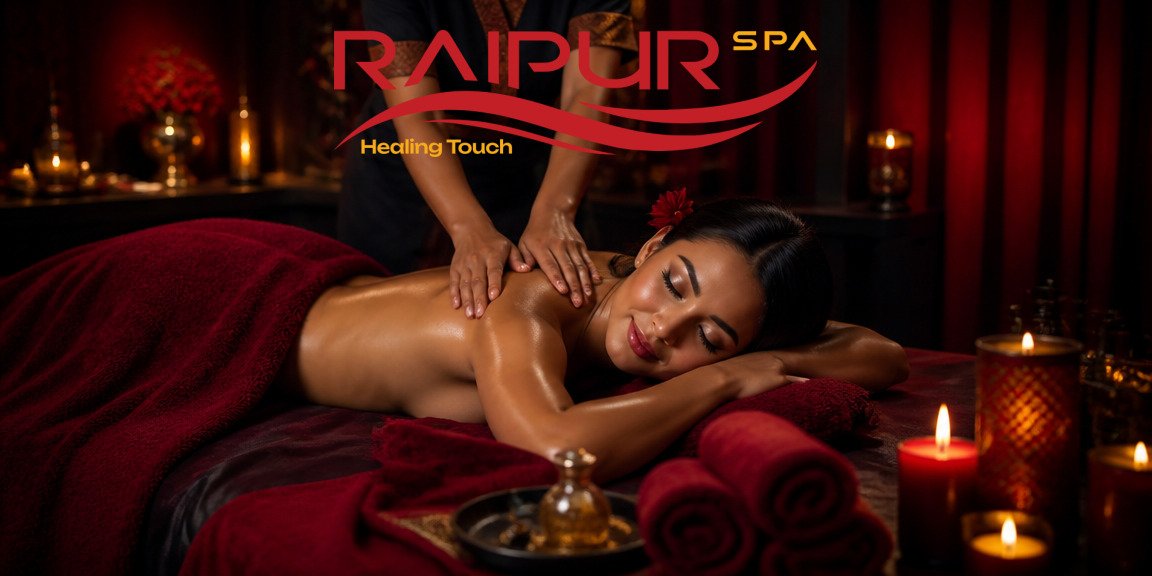
When it comes to massage therapy, two of the most popular modalities are deep tissue and Swedish massage. While both offer incredible benefits, they are fundamentally different in technique, pressure, and purpose. Deep tissue massage focuses on releasing chronic tension in deeper muscle layers, while Swedish massage uses long, flowing strokes to relax the whole body. If you're wondering which one suits your needs, this comprehensive guide breaks down their techniques, benefits, and ideal use cases—so you can choose wisely. Here, we'll also share how Raipur SPA in Samta Colony, Raipur tailors these therapies to your preferences.
Key Takeaways
- Technique: Swedish uses gentle, gliding strokes; deep tissue applies intense pressure on specific problem areas.
- Purpose: Swedish is for relaxation and stress relief; deep tissue targets chronic pain and muscle knots.
- Pressure: Swedish is light to medium; deep tissue is firm to intense, often requiring communication.
- Best for: Swedish suits massage beginners or those seeking tranquility; deep tissue benefits athletes and those with persistent aches.
- Post-massage: Both may cause mild soreness, but deep tissue can lead to more pronounced discomfort for a day or two.
- Duration: Sessions typically last 60–90 minutes for both, but deep tissue may require more time for thorough work.
What Is Swedish Massage?
Swedish massage is the classic, most popular massage style worldwide. Developed in the 19th century by Per Henrik Ling, a Swedish physiologist, it is designed to relax the entire body. The technique uses five main strokes: effleurage (long, gliding strokes), petrissage (kneading and rolling), tapotement (rhythmic tapping), friction (deep circular movements), and vibration (shaking or trembling). These movements are performed in a flowing sequence, often with the use of massage oil or lotion to reduce friction and allow the therapist's hands to glide smoothly over the skin.
The pressure in Swedish massage is typically light to medium, making it ideal for first-timers or those who prefer a gentler touch. It is not just a physical treatment; it is a holistic experience that calms the mind and body. The rhythmic strokes stimulate the parasympathetic nervous system, which is responsible for rest and digestion, thereby reducing stress hormones like cortisol and increasing feel-good hormones like serotonin and dopamine.
Key Benefits of Swedish Massage
- Reduces stress and anxiety: By activating the parasympathetic nervous system, Swedish massage lowers heart rate and blood pressure, promoting a state of deep relaxation.
- Improves blood flow and lymphatic drainage: The strokes encourage blood circulation, which delivers oxygen and nutrients to tissues and helps remove metabolic waste. Better lymphatic drainage boosts the immune system.
- Relieves mild muscle tension and stiffness: If you have everyday stress-related tightness in your neck, shoulders, or back, Swedish massage can ease that discomfort.
- Enhances flexibility and joint mobility: By loosening muscles and connective tissues, Swedish massage can improve range of motion in joints.
- Promotes better sleep quality: The relaxation response triggered by Swedish massage often leads to deeper, more restorative sleep.
For example, a client who spends long hours at a desk might experience tight shoulders and a stiff neck. A Swedish massage can help release that tension, improve blood flow to the area, and leave them feeling more energized and less fatigued.
What Is Deep Tissue Massage?
Deep tissue massage is a targeted therapy that focuses on realigning deeper layers of muscles, fascia, and connective tissue. Unlike Swedish massage, which is primarily for relaxation, deep tissue massage is therapeutic and corrective. It uses slow, firm strokes and deep finger pressure to break down adhesions (knots) and relieve chronic tension. The therapist may use forearms, elbows, or knuckles to apply sustained pressure on specific areas like the lower back, shoulders, or neck. This technique is not about brute force; it's about precise, controlled pressure to reach the underlying muscle layers and release tension patterns.
Deep tissue massage is particularly effective for individuals who have chronic pain, muscle tightness, or restricted movement due to injury, poor posture, or repetitive stress. It works by stretching and breaking down scar tissue and adhesions, which can restrict movement and cause pain. The therapist will often work slowly, allowing the muscle to release gradually, and will communicate with you to ensure the pressure is within your tolerance.
Key Benefits of Deep Tissue Massage
- Alleviates chronic pain: Conditions like lower back pain, sciatica, and fibromyalgia can benefit from deep tissue massage, as it targets the underlying muscle and fascial restrictions.
- Releases trigger points and muscle knots: By applying focused pressure, deep tissue massage can deactivate trigger points that cause referred pain.
- Improves posture: By correcting muscle imbalances, deep tissue massage can help align the body and improve posture.
- Speeds up recovery from injuries or intense workouts: It helps reduce inflammation, increase blood flow, and promote healing in damaged tissues.
- Reduces inflammation and improves mobility: By breaking down adhesions, deep tissue massage can increase range of motion and reduce stiffness.
For instance, an athlete who has tight quadriceps and IT bands might benefit from deep tissue massage to prevent injuries and improve performance. Similarly, someone with chronic tension headaches from clenching their jaw might find relief through deep tissue work on the neck and shoulders.
Deep Tissue vs Swedish: Side-by-Side Comparison
Now, let's put them head-to-head across several factors to help you decide.
Pressure Level
Swedish massage uses gentle to medium pressure, which feels soothing and relaxing. It is designed to be comfortable and enjoyable. Deep tissue, on the other hand, uses firm to intense pressure, often requiring you to breathe through the sensations. If you're not comfortable with strong pressure, Swedish is safer. However, deep tissue pressure should never be unbearable; a skilled therapist will adjust based on your feedback.
Techniques Used
Swedish relies on long, flowing strokes that cover large muscle groups, often in the direction of blood flow. These strokes are rhythmic and can be performed with varying speed. Deep tissue uses slower, more focused strokes, sometimes with cross-fiber friction to break down scar tissue. The movements are less rhythmic and more deliberate, targeting specific areas of tension.
Primary Goals
Swedish aims to relax the entire body and mind, reducing stress and promoting a sense of well-being. It is a holistic treatment that addresses overall relaxation. Deep tissue aims to correct specific issues like chronic pain, muscle tightness, or limited range of motion. It is more therapeutic than purely relaxing, though it can also induce a sense of calm.
Who It's Best For
Swedish is perfect for anyone new to massage, those with mild tension, or anyone who wants a calming experience. It is also great for those who are pregnant (after the first trimester) or have sensitive skin. Deep tissue is ideal for athletes, individuals with chronic pain, or those who sit at a desk all day and develop tight shoulders and back. It is also beneficial for people recovering from injuries.
Post-Massage Effects
Swedish leaves you feeling light, relaxed, and often sleepy. You may feel a slight increase in energy after the initial relaxation. Deep tissue may leave you sore for 24-48 hours, similar to a good workout. This soreness is normal and indicates that the muscles are healing. Drinking water after a deep tissue session is crucial to flush out toxins released from the muscles.
When to Choose Swedish Massage
Choose Swedish massage if you're experiencing high stress, anxiety, or general fatigue. It's also a fantastic introduction to massage therapy, especially if you've never had one. If you're pregnant (after the first trimester), a prenatal Swedish massage is a gentle and safe option. Additionally, if you have a low pain tolerance or are looking for a purely relaxing experience, Swedish is the way to go.
At Raipur SPA, our therapists often recommend Swedish for clients who want to unwind after a long week. The calming environment, soft lighting, and warm oils enhance the experience, leaving you feeling renewed and refreshed. For example, a busy professional who is constantly on the go might choose Swedish to decompress and escape the daily grind.
When to Choose Deep Tissue Massage
Opt for deep tissue massage if you have specific pain points, muscle tension from repetitive activities, or you're recovering from an injury. It's also excellent for athletes to prevent injuries and improve performance. If you work long hours at a computer, deep tissue can target the neck, shoulders, and upper back—areas that commonly hold stress. Remember to communicate with your therapist about your pain tolerance and goals; a good therapist will adjust accordingly.
For instance, a runner with tight calf muscles and plantar fasciitis might benefit from deep tissue massage to break down adhesions and improve flexibility. Similarly, someone who has suffered a whiplash injury may find relief through deep tissue work on the neck and upper back.
Can You Combine Both?
Absolutely! Many spas offer combination massages that blend Swedish and deep tissue techniques. This allows you to enjoy the relaxing benefits of Swedish while also addressing specific problem areas with deep tissue. It's a balanced approach that many clients appreciate.
During a combination session, the therapist might start with Swedish to warm up the muscles, then switch to deep tissue on areas that need more attention, and finish with soothing Swedish strokes to calm the nervous system. This approach is particularly beneficial for those who want to relax but also have specific tension they want to address. For example, you might enjoy a full-body Swedish massage but request extra deep tissue work on your lower back.
How to Prepare for Your Massage
Whichever you choose, preparation is key. Arrive a few minutes early to relax and fill out any necessary forms. Hydrate well before and after your session. Avoid heavy meals right before, but don't come starving either. Wear comfortable clothing and remove jewelry. If you have any health conditions, allergies, or are pregnant, inform your therapist in advance.
Communication is crucial. Before the session, discuss your goals and any problem areas with your therapist. During the massage, speak up if the pressure is too much or too little, or if you need more attention on a specific area. A good therapist will adjust to ensure you get the most benefit.
After the massage, take it easy. Drink plenty of water to help flush out toxins. If you had a deep tissue massage, you may experience some soreness; gentle stretching and a warm bath can help. Avoid strenuous activity for the rest of the day to allow your muscles to recover.
Frequently Asked Questions
Which massage is better for back pain: deep tissue or Swedish?
Deep tissue is generally more effective for chronic back pain because it targets deep muscle layers and adhesions. Swedish can provide temporary relief and relaxation but may not address the root cause. Always consult with a professional to determine the best approach. At Raipur SPA, our therapists can assess your condition and recommend the most suitable therapy.
Does deep tissue massage hurt?
Deep tissue massage can be uncomfortable at times, especially when working on tight areas. However, it shouldn't be excruciating. A skilled therapist will work within your tolerance, and you should always speak up if the pressure is too intense. The discomfort is often described as a "good hurt" that leads to relief.
Can I have a Swedish massage if I'm pregnant?
Yes, Swedish massage is safe during pregnancy, especially after the first trimester, when performed by a certified prenatal massage therapist. It helps reduce swelling, back pain, and stress. Always inform your therapist about your pregnancy and obtain your doctor's approval. Avoid deep tissue massage during pregnancy, as it may be too intense.
How often should I get a deep tissue massage?
For chronic issues, weekly sessions may be needed initially, then taper off to bi-weekly or monthly maintenance. For general wellness, once a month is often sufficient. Your therapist can recommend a schedule based on your specific condition. For example, an athlete might need weekly sessions during intense training, while someone with mild tension might only need monthly maintenance.
Which massage is better for relaxation?
Swedish massage is the clear winner for relaxation due to its gentle, flowing strokes and calming effect on the nervous system. It's perfect for reducing stress and promoting overall well-being. Deep tissue can be relaxing too, but its primary focus is therapeutic. If you're looking to unwind, Swedish is the way to go.
What is the difference in cost between the two?
Typically, deep tissue massage may cost slightly more than Swedish due to the increased skill and pressure required. However, at Raipur SPA, both are affordably priced, starting from ₹999, making it easy to choose based on your needs.
Conclusion
In summary, Swedish massage is your go-to for a soothing, full-body relaxation experience, while deep tissue is your ally in tackling stubborn muscle tension and pain. Both have unique benefits, and the right choice depends on your individual needs and preferences. If you're still unsure, consult with a professional therapist who can assess your condition and recommend the best option.
At Raipur SPA in Samta Colony, Raipur, we offer both therapies starting from ₹999, with sessions available daily from 11:00 AM to 09:00 PM. Our experienced therapists are here to guide you. Ready to unwind? Call or WhatsApp us at +91 7987 303 127 to book your session today! Remember, whether you choose Swedish or deep tissue, regular massage can significantly improve your physical and mental health. So treat yourself to the benefits of professional massage therapy.
Book Your Session
Book Your SessionPeople Also Ask
Related Articles

Massage Therapy
Massage for Back Pain in Raipur: Ayurvedic and Therapeutic Options
15 min read · 21 Oct 2026

Massage Therapy
Foot Reflexology in Raipur: Why It Works for Full-Body Relaxation
13 min read · 21 Oct 2026

Massage Therapy
Sports Massage in Raipur: Recovery Therapy for Gym-Goers and Athletes
13 min read · 21 Oct 2026
Enjoyed This Article?
Stop reading about relaxation — come experience it firsthand at Raipur SPA.