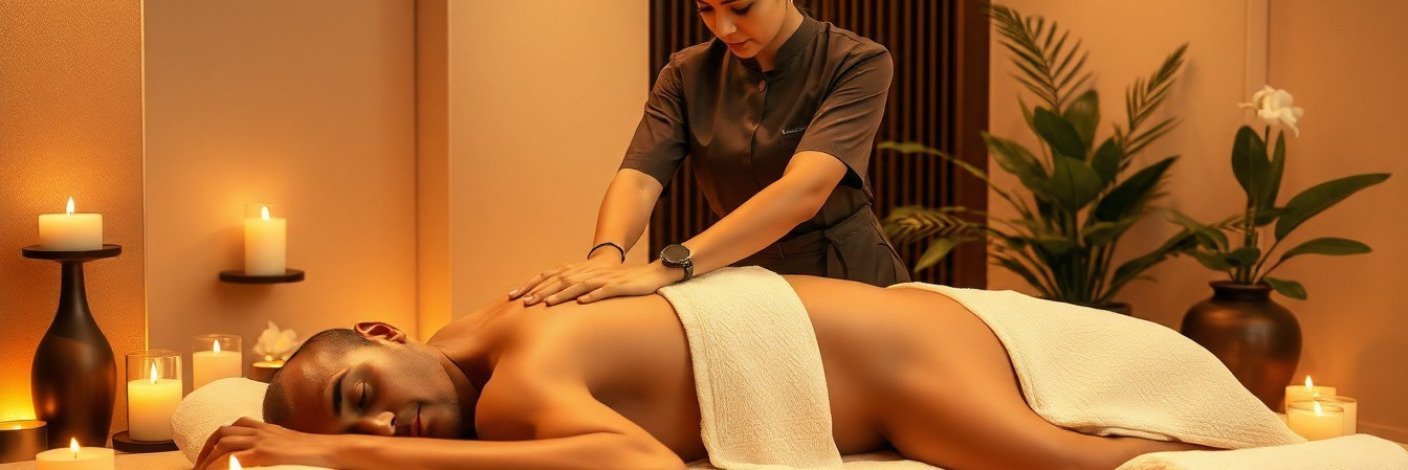
What is the difference between deep tissue and Swedish massage?
Swedish massage uses light-to-medium pressure with long, flowing strokes to relax muscles and improve circulation. Deep tissue massage applies firmer pressure and slower strokes to target deeper muscle layers and tight areas. Swedish suits general relaxation and first-time clients, while deep tissue suits people with persistent tension or physically demanding routines. In Raipur, both are offered at premium spas, and the right choice depends on your comfort level and goals.
Key Takeaways
- • Swedish massage focuses on relaxation using light-to-medium pressure and flowing strokes.
- • Deep tissue massage uses firmer pressure to reach deeper muscle layers and tight spots.
- • First-time spa clients usually find Swedish massage more comfortable.
- • Deep tissue is often chosen by people with ongoing muscle tension or active lifestyles.
- • Pressure intensity and session focus are the main differences between the two styles.
- • A brief consultation before booking helps match the massage style to your needs.
Deep Tissue vs Swedish Massage in Raipur 2027: Which One Is Right for You?
If you are choosing between deep tissue and Swedish massage in Raipur in 2027, here is the short answer: pick deep tissue if you carry stubborn knots, desk-job stiffness or sports soreness, and pick Swedish if you want gentle, full-body relaxation and better sleep. Both are safe, both are popular, and the right one depends on what your body is asking for.
That one-line answer is useful, but it is not the whole story. In practice, most people walk into a spa with a vague feeling — "I am tense" or "my back is acting up" — and then have to make a decision in the reception area while a therapist waits politely. This guide exists so you can make that decision before you arrive, with a clear idea of what each style does, what it feels like, who it suits, and how to get the most out of your session in 2027's Raipur spa landscape.
Key Takeaways
- Deep tissue massage uses slow, firm pressure on deeper muscle layers — best for chronic tightness, back and neck pain, and post-workout recovery.
- Swedish massage uses light-to-medium flowing strokes — best for stress relief, relaxation, circulation and first-time spa visitors.
- Deep tissue can feel mildly sore for a day; Swedish usually leaves you feeling light and sleepy.
- Your therapist should adjust pressure throughout — discomfort is not the same as pain.
- At Raipur SPA, therapies start from ₹999 and both styles are available daily from 11:00 AM to 09:00 PM.
- If you are unsure, book a consultation first — most people benefit from a mix of both over time.
- Session length matters: 60 minutes suits relaxation, while 90 minutes is usually better for targeted deep tissue work.
- Pressure is a conversation, not a setting — you are allowed to ask for more or less at any point.
What Is Deep Tissue Massage, Really?
Deep tissue massage is not just "harder Swedish." It works on the deeper layers of muscle and the connective tissue around them. Therapists use slower strokes, knuckles, forearms and sustained pressure on specific points.
The goal is to release adhesions — those tight bands you feel when you press a sore spot on your shoulder or lower back. It is a focused, almost clinical style of bodywork. Where Swedish massage is designed to sweep across the whole body, deep tissue is designed to slow down, find the problem area, and stay there until the tissue softens.
In Raipur, deep tissue is a favourite among IT professionals, gym-goers and anyone who spends long hours driving or sitting at a desk. If your shoulders feel like stone by Friday evening, this is usually the style that helps.
Here is what actually happens in a typical session. The therapist begins with lighter strokes to warm the surface tissue, then gradually increases pressure as the muscle accepts it. They may ask you to breathe out as they work into a knot, and they may use their forearm or elbow on large areas like the upper back and glutes. The pace is deliberately slow — roughly half the speed of a Swedish routine — because deeper pressure needs time to be absorbed rather than fought against.
Who Deep Tissue Works Best For
- People with chronic neck, shoulder or lower back tightness
- Athletes and gym members recovering from training
- Anyone with poor posture from desk or laptop work
- Those who feel "nothing happened" after a light massage
- Drivers and delivery workers who hold tension in the lower back and hips
- People who have had the same stiff spot for weeks or months, not days
A useful rule of thumb: if you can point to the exact spot that bothers you, deep tissue is probably the better fit. If the tension feels like a general cloud over your whole body, Swedish is likely enough.
What Is Swedish Massage?
Swedish massage is the classic relaxation massage. It uses long, gliding strokes, kneading, gentle circular movements and light tapping — always in the direction of blood flow toward the heart.
Pressure is light to medium. The rhythm is smooth and predictable, which is exactly why it calms the nervous system so effectively. Many guests fall asleep within fifteen minutes, and that is a compliment to the therapist.
It is also the safest starting point for first-timers, elderly guests and anyone who simply wants to switch off after a long week. The strokes are designed to move fluid, warm the skin and signal safety to the body — which is why people often describe the after-effect as "light" rather than "loose."
Swedish massage is not weak. It is simply working at a different depth and with a different intention. A skilled therapist can make a Swedish session feel deeply satisfying without ever digging into a knot, and for many guests that is exactly what they need after a stressful month.
Who Swedish Works Best For
- First-time spa visitors who feel nervous about pressure
- Anyone dealing with stress, anxiety or poor sleep
- Guests who want full-body relaxation rather than targeted work
- People recovering from illness who need gentle circulation support
- Office workers who want to unwind rather than "fix" a specific spot
- Anyone who finds deep pressure distracting or uncomfortable
Deep Tissue vs Swedish Massage: A Side-by-Side Comparison
Here is the practical difference, without the jargon.
- Pressure: Deep tissue is firm and sustained. Swedish is light to medium and flowing.
- Focus: Deep tissue targets specific problem areas. Swedish covers the whole body evenly.
- Feel during the session: Deep tissue can feel intense but should never be sharp or unbearable. Swedish feels soothing throughout.
- After-effects: Deep tissue may leave mild soreness for 24 hours. Swedish usually leaves you relaxed and sleepy.
- Best for: Deep tissue for pain and tightness. Swedish for stress and calm.
- Pace: Deep tissue is slow and deliberate. Swedish is rhythmic and continuous.
- Session length: Deep tissue often benefits from 90 minutes. Swedish works well in 60.
- Recovery advice: Deep tissue benefits from water and light movement afterwards. Swedish needs nothing more than a quiet evening.
Neither is "better." They solve different problems, and many regulars alternate between the two depending on how their body feels that month. A useful pattern many Raipur guests follow is deep tissue once a month for maintenance and Swedish in between when they simply want to decompress.
How to Choose in 2027: A Simple Checklist
Ask yourself these questions before you book.
- Do you have a specific sore spot? Choose deep tissue.
- Do you just feel tired and wired? Choose Swedish.
- Is this your first massage? Start with Swedish, then move up.
- Are you training for a run or gym goal? Deep tissue helps recovery.
- Do you have an injury or medical condition? Speak to your therapist first — they may suggest a gentler approach.
- Is your tension new or old? New tension responds well to Swedish; old, stubborn tension usually needs deep tissue.
- Do you have an important event tomorrow? Choose Swedish — deep tissue soreness is real and best avoided before big days.
A good spa will never push you into the stronger option. At Raipur SPA in Samta Colony, the team asks about your problem areas, sleep and stress levels before recommending a style — because the right match matters more than the price tag.
One more practical tip: describe your day, not just your pain. Saying "I sit for nine hours and drive home in traffic" gives a therapist far more to work with than "my back hurts." The more context you share, the better the recommendation.
What to Expect at a Raipur Spa in 2027
Raipur's spa scene has matured. Guests now expect clean rooms, trained therapists, proper consultation and transparent pricing — not just oil and background music.
At Raipur SPA, therapies start from ₹999, and the spa is open daily from 11:00 AM to 09:00 PM, which suits both office-goers and weekend visitors. Sessions typically run 60 or 90 minutes, and you can request pressure adjustments at any point.
One tip: book ahead on weekends. Deep tissue slots fill quickly because they take more therapist energy and are usually capped per day.
In 2027, guests also ask better questions than they used to — about hygiene, therapist training, oil quality and whether the room is private. These are fair questions, and a good spa answers them without hesitation. If you are comparing options in Raipur, ask about consultation time, whether pressure is adjusted during the session, and what happens if you feel uncomfortable. The answers tell you more about a spa than its décor.
How to Prepare for Your Session
Small preparations make a noticeable difference, whichever style you choose.
- Arrive ten minutes early. Rushing in stressed defeats the purpose of a relaxation massage.
- Eat light beforehand. A heavy meal and deep pressure are an uncomfortable combination.
- Skip alcohol. It dulls your ability to give feedback on pressure and dehydrates you further.
- Wear comfortable clothing. You will change into spa attire, but loose clothes are easier afterwards.
- Mention medications or recent injuries. Blood thinners, recent surgeries and skin conditions all change how a therapist works.
- Leave your phone outside the room. A single notification can undo twenty minutes of relaxation.
After the session, drink water, avoid heavy lifting for a few hours, and give yourself a quiet evening if you can. Deep tissue especially benefits from a warm shower later in the day rather than an immediate cold one.
Common Mistakes to Avoid
- Toughing out pain: Deep tissue should feel like productive pressure, not injury. Speak up.
- Skipping water afterwards: Both styles benefit from hydration to flush out metabolic waste.
- Booking deep tissue after a heavy meal: Give yourself at least 90 minutes to digest.
- Expecting one session to fix years of posture: Consistency matters more than intensity.
- Choosing deep tissue before a big event: Soreness the next morning is normal and worth planning around.
- Staying silent about discomfort: A therapist cannot adjust what they do not know about.
- Ignoring aftercare: A massage is a nudge, not a cure — sleep, hydration and movement do the rest.
Frequently Asked Questions
Which is better, deep tissue or Swedish massage?
Neither is universally better. Deep tissue suits chronic tightness and recovery, while Swedish suits stress relief and relaxation. Choose based on your main complaint, not on which sounds stronger.
Is deep tissue massage painful?
It can feel intense, but it should never be sharply painful. A good therapist works within your comfort zone and adjusts pressure as needed. Mild soreness the next day is normal.
Can I get a Swedish massage if I have back pain?
Yes, in many cases. Swedish massage can ease muscular tension and improve circulation. However, if the pain is sharp, recent or undiagnosed, consult a doctor first and inform your therapist.
How long should a massage session be?
Sixty minutes works for general relaxation, while 90 minutes gives a therapist time to address specific problem areas properly. For deep tissue, 90 minutes is often the better choice.
How often should I book a massage?
Once a month suits most people for maintenance. If you are managing chronic tightness or training hard, every two to three weeks can help. Your therapist can suggest a rhythm.
Do I need to book in advance in Raipur?
Weekday slots are usually easy to get, but weekends and evenings fill fast, especially for deep tissue. Calling a day ahead is a smart habit in 2027.
Can I switch styles mid-session?
Yes. If deep tissue feels like too much, ask your therapist to ease into a lighter Swedish-style flow for the remainder. Good therapists adjust without making it awkward, and you should never feel obliged to endure a style that is not working for you.
Which massage is better after a gym workout?
Deep tissue is generally the better choice for post-workout recovery because it targets specific muscle groups and helps release tightness. Swedish is better on rest days when your goal is recovery of the nervous system rather than the muscles.
Final Word
Deep tissue and Swedish massage are not rivals — they are two tools for two different needs. If your body feels tight and specific, go deep tissue. If your mind feels loud and your body just wants rest, go Swedish.
Still unsure? Call Raipur SPA at +91 7987 303 127 or message on WhatsApp, describe how your body feels, and the team will guide you to the right therapy. Book your session and let the right hands do the rest.
Frequently Asked Questions
Which massage is better for relaxation, deep tissue or Swedish?
Swedish massage is generally better for relaxation because it uses gentler pressure and smooth, continuous strokes. Deep tissue can also relieve tension but is more intense and focused on specific tight areas.
Is deep tissue massage painful?
Deep tissue massage involves firm pressure that may feel uncomfortable in tight areas, but it should not be painful. A trained therapist adjusts pressure to your comfort level throughout the session.
How long does a Swedish or deep tissue massage session last?
Most sessions run 60 to 90 minutes, depending on the spa and your preference. Deep tissue sessions may focus on specific problem areas, while Swedish sessions typically cover the full body.
How often should I get a deep tissue massage?
Frequency depends on your lifestyle and tension levels, with many people choosing sessions every two to four weeks. A therapist can recommend a suitable schedule after assessing your needs.
Can I choose the massage style when booking at a spa in Raipur?
Yes, most premium spas in Raipur let you select between Swedish and deep tissue massage when booking. A short consultation before the session helps confirm the right choice.
Which massage is suitable for first-time spa visitors?
Swedish massage is usually recommended for first-time visitors because its gentle pressure is easy to adjust to. Those who prefer firmer pressure can discuss deep tissue with the therapist.
Book Your Session
Book Your SessionPeople Also Ask
Related Articles
Massage Therapy
Hot Stone Massage in Raipur 2027: Benefits and Where to Book
16 min read · 24 Nov 2026
Massage Therapy
Aromatherapy Massage in Raipur 2027: Benefits, Prices and Best Spas
14 min read · 24 Nov 2026
Massage Therapy
Pain Relief Massage in Raipur 2027: Best Therapies for Back and Joint Pain
12 min read · 23 Nov 2026
Enjoyed This Article?
Stop reading about relaxation — come experience it firsthand at Raipur SPA.