
What is Abhyanga Ayurvedic oil massage and where can I get it in Raipur?
Abhyanga is a traditional Ayurvedic full-body massage using warm herbal oils. It involves synchronized strokes along energy channels to promote relaxation, improve circulation, and balance doshas. In Raipur, several wellness centers and spas offer authentic Abhyanga therapy performed by trained therapists.
Key Takeaways
- • Abhyanga is a classical Ayurvedic oil massage that uses warm herbal oils.
- • It is designed to balance the doshas and support overall well-being.
- • The massage involves rhythmic strokes along the body's energy channels.
- • Benefits may include relaxation, improved circulation, and stress reduction.
- • Sessions typically last 60–90 minutes and are customized to individual needs.
- • Raipur has multiple spas and Ayurvedic centers offering Abhyanga therapy.
Abhyanga is a traditional Ayurvedic oil massage where warm herbal oils are applied to the body in synchronized strokes to detoxify, relax, and rejuvenate. In Raipur, you can experience authentic Abhyanga at Raipur SPA in Samta Colony, where trained therapists use classical techniques to restore balance and vitality. But this is far more than a spa treatment—it is a centuries-old practice rooted in the belief that the skin is the body's largest organ of absorption and that oil, when applied with intention, can nourish not just the surface but the entire system. Whether you are dealing with chronic stress, joint stiffness, poor sleep, or simply the wear and tear of modern life, Abhyanga offers a pathway back to balance that is both deeply relaxing and clinically meaningful.
Key Takeaways
- Abhyanga is a full-body Ayurvedic oil massage that uses warm herbal oils to improve circulation, release toxins, and calm the mind.
- It balances the doshas (Vata, Pitta, Kapha) and is especially grounding for Vata types.
- Regular sessions can reduce stress, improve sleep, nourish the skin, ease joint pain, and support hormonal balance.
- In Raipur, Raipur SPA offers authentic Abhyanga starting from ₹999, open daily 11 AM to 9 PM.
- Best enjoyed as a 60- or 90-minute session; avoid heavy meals right before and stay hydrated.
- The experience includes a dosha consultation, warm oil application in seven classical positions, and a guided rest period.
- Book via WhatsApp or call +91 7987 303 127 for a personalized consultation.
What Is Abhyanga and Why Is It So Healing?
Abhyanga is more than a massage—it's a ritual. The word comes from Sanskrit: abhi (toward) and anga (limb), meaning to move oil over the limbs. The oils are typically sesame, coconut, or herbal blends, chosen based on your dosha and season. The strokes are deliberate, warm, and rhythmic, following the direction of hair follicles and lymphatic flow. In classical Ayurvedic texts like the Charaka Samhita, Abhyanga is described as one of the most important daily practices for maintaining health, comparable in importance to brushing your teeth or eating well. It is not an indulgence; it is preventative medicine.
Unlike a standard spa massage that focuses on muscles, Abhyanga works on the subtle energy channels (srotas) to dislodge ama (toxins) and move them toward elimination. The warmth of the oil penetrates deep, relaxing the nervous system and nourishing the tissues. The Sanskrit term snehana refers to this oleation process—literally, the act of making something soft and loving. When oil is applied with care, it does more than lubricate; it saturates the body with a sense of safety and grounding that many people rarely experience in their daily lives.
One of the reasons Abhyanga feels so different from a conventional massage is its rhythm. The therapist moves in long, continuous strokes that mimic the flow of a river. There is no abrupt stopping or starting. This rhythm entrains the brainwaves, often shifting the client from beta (active thinking) to alpha or even theta (meditative) states. It is this nervous system shift that accounts for the profound sense of calm that lingers long after the session ends.
Additionally, Abhyanga is deeply personal. Your therapist will assess your pulse (nadi pariksha), observe your skin and body type, and ask about your sleep, digestion, and stress levels. The oil is then selected and often warmed to a specific temperature. For Vata types, heavier oils like sesame are used; for Pitta, cooling coconut or sunflower; for Kapha, lighter oils like mustard or a dry herbal blend. This customization is what makes Abhyanga a truly holistic therapy rather than a one-size-fits-all treatment.
The Science Behind the Oil: How Abhyanga Works
Modern research validates what Ayurveda has known for centuries. The mechanical action of massage increases blood flow, reduces cortisol, and boosts serotonin. The oils themselves—especially sesame—are rich in linoleic acid and vitamin E, which reduce inflammation and protect the skin barrier. A 2018 study published in the Journal of Ayurveda and Integrative Medicine found that Abhyanga significantly reduced heart rate and blood pressure, indicating a shift toward parasympathetic dominance. Another study on breast cancer patients showed that Abhyanga reduced fatigue and improved quality of life.
When the oil is warm, it expands the pores and allows the herbal molecules to enter the bloodstream. This is why Abhyanga is often prescribed for joint stiffness, anxiety, and insomnia. It's not just relaxation; it's medicine. The herbs infused in the oil—ashwagandha for stress, brahmi for mental clarity, dashamoola for inflammation—are chosen for their specific pharmacological actions. Unlike oral medications, which must pass through the digestive system, these herbal molecules are absorbed transdermally, bypassing the liver's first-pass metabolism and entering the bloodstream directly.
Furthermore, the lymphatic system, which lacks a central pump, relies on movement and pressure to circulate lymph fluid. Abhyanga's strokes follow the direction of lymph flow toward the heart, effectively acting as a manual pump. This helps clear metabolic waste, reduce swelling, and improve immune function. Many clients notice they urinate more frequently after a session—a sign that the body is eliminating toxins.
The heat of the oil also plays a role. Warm oil causes vasodilation, widening blood vessels and improving circulation to peripheral tissues. This is particularly helpful for people with cold hands and feet, a common sign of Vata imbalance. The combination of heat, pressure, and herbal absorption creates a synergistic effect that no single modality can replicate.
Benefits of Abhyanga: What You Can Expect
1. Deep Relaxation and Stress Relief
The slow, warm strokes activate the parasympathetic nervous system—your rest-and-digest mode. Many clients drift into a meditative state, and the effects last for hours. Unlike a quick shoulder rub, Abhyanga works on the entire body, signaling to the brain that it is safe to let go. The rhythmic pressure stimulates the release of oxytocin, the bonding hormone, which counteracts cortisol. People who receive regular Abhyanga often report feeling more patient, less reactive, and better able to handle daily stressors. For those with high-pressure jobs—executives, doctors, entrepreneurs—this is not a luxury but a necessary reset.
2. Improved Circulation and Detoxification
The massage stimulates lymphatic drainage, helping your body flush out metabolic waste. You might feel lighter and more energetic the next day. The strokes are always directed toward the heart, which assists venous return and reduces edema. If you sit for long hours, you may notice swelling in your ankles and feet; Abhyanga can alleviate this by moving stagnant fluid. Over time, improved circulation means better oxygen and nutrient delivery to cells, which translates to more energy and faster recovery from workouts.
3. Better Sleep
Abhyanga is traditionally done in the morning, but an evening session can work wonders for insomnia. The oil's grounding quality calms an overactive mind. If you struggle with racing thoughts at night, the combination of warm oil and slow strokes can help you transition into a restful state. Many clients report sleeping more deeply and waking up feeling refreshed. For chronic insomnia, a series of weekly sessions may be recommended, along with a simple home practice of applying oil to the feet before bed.
4. Healthier Skin and Joints
The oils nourish the skin, reducing dryness and flakiness. For joints, the warmth and pressure ease stiffness, making it a boon for arthritis and desk-bound professionals. Sesame oil, in particular, is rich in antioxidants that fight free radicals and slow down skin aging. It also has natural antibacterial properties. For joint pain, the oil penetrates deep into the tissues, reducing inflammation and improving flexibility. Many people with osteoarthritis find that regular Abhyanga reduces their need for pain medication.
5. Hormonal Balance
By calming the endocrine system, Abhyanga can help regulate hormones, easing PMS and menopause symptoms. The adrenal glands, which produce stress hormones, are particularly responsive to relaxation techniques. When stress is reduced, the body can shift from survival mode to maintenance mode, allowing the reproductive and thyroid hormones to function more optimally. Women going through menopause often find relief from hot flashes and mood swings with regular Abhyanga.
6. Enhanced Mental Clarity and Focus
Beyond physical benefits, Abhyanga clears the mind. The Sanskrit term prasada refers to the clarity that comes from balanced doshas. When toxins are removed and circulation improves, the brain receives more oxygen and nutrients. Many clients report heightened focus and creativity after a session. It is no coincidence that Ayurveda recommends Abhyanga before important mental tasks—it primes the brain for peak performance.
7. Improved Body Awareness and Self-Connection
In a world of constant distraction, Abhyanga offers a rare opportunity to inhabit your body fully. The therapist's touch helps you map sensations, release stored tension, and reconnect with physical cues you may have ignored. This body awareness is the first step toward making healthier choices in diet, movement, and rest.
Abhyanga in Raipur: What to Expect at Raipur SPA
At Raipur SPA in Samta Colony, we follow the traditional protocol. Your session begins with a brief consultation to determine your dosha and any specific concerns. You'll be asked about your sleep, digestion, energy levels, and any areas of pain. This is not a formality—it directly informs the oil selection and stroke technique. Then, you'll lie on a warm wooden table (droni) while our therapists apply oil in seven classical positions. The droni is designed to allow excess oil to drain away, keeping you comfortable.
The strokes are long, firm, and always toward the heart. We use cold-pressed sesame oil infused with herbs like ashwagandha, brahmi, and dashamoola. The room is kept warm, and soft music plays in the background. Our therapists are trained to read your body's responses—if you tense up, they adjust the pressure; if you sigh, they know they've found the right rhythm. This intuitive approach is what sets authentic Abhyanga apart from mechanical massage.
Sessions last 60 or 90 minutes. Afterward, you'll rest for a few minutes, then take a warm shower to remove excess oil. Many clients report feeling grounded, clear-headed, and deeply relaxed. We also offer a herbal tea to help you transition back to your day. The entire experience, from arrival to departure, is designed to be a sanctuary.
For those new to Abhyanga, we recommend starting with a 60-minute session. If you have chronic pain or high stress, a 90-minute session allows more time for each body part. We also offer couples sessions for partners who want to share the experience. Our facility is clean, private, and equipped with all the amenities you need to feel comfortable.
Who Should Try Abhyanga?
Abhyanga is safe for most people, but it's especially beneficial for:
- Those with high-stress jobs or anxiety
- People with dry skin, arthritis, or poor circulation
- Anyone recovering from illness or surgery (with doctor's approval)
- Pregnant women (after the first trimester, with gentle strokes)
- Seniors looking to improve mobility and sleep
- Athletes seeking faster muscle recovery
- Individuals with insomnia or disrupted sleep patterns
- Anyone feeling disconnected from their body
It's not recommended for those with open wounds, fever, or acute inflammation. Always inform your therapist about any medical conditions. If you have a history of blood clots, heart conditions, or are on blood-thinning medication, consult your doctor first. Abhyanga is generally safe during pregnancy after the first trimester, but the therapist must use gentle strokes and avoid certain pressure points. At Raipur SPA, we have therapists trained in prenatal massage and will adapt the session to your needs.
How to Get the Most from Your Abhyanga Session
A few simple tips can enhance your experience:
- Arrive early to relax and fill out a health form.
- Avoid heavy meals at least 90 minutes before.
- Stay hydrated before and after to help flush toxins.
- Communicate your pressure preferences—Abhyanga can be gentle or firm.
- Rest afterward; don't rush back to a hectic schedule.
- Wear comfortable clothing that you don't mind getting oil on.
- Skip caffeine and alcohol before your session to avoid dehydration.
- Bring a list of medications or health conditions to discuss.
- Practice deep breathing during the massage to enhance relaxation.
At Raipur SPA, we tailor every session to your comfort. Our therapists are trained in classical Ayurvedic techniques and use only high-quality, organic oils. We also provide disposable garments and towels. If you have sensitive skin, let us know, and we can do a patch test before the session. For the best results, consider making Abhyanga a regular part of your wellness routine—once or twice a month is ideal for most people.
Abhyanga vs. Other Massages: What's Different?
Unlike Swedish or deep tissue massage, Abhyanga uses copious amounts of warm oil and follows a specific sequence. It's less about working knots and more about balancing energy. The goal is not just muscular relief but whole-body harmony. A Swedish massage might focus on a specific area, like the back or shoulders, while Abhyanga covers the entire body, including the scalp, face, and feet. The oil is not a lubricant but a carrier for herbs and a medium for warmth.
If you're used to dry massages, the oil might feel unusual at first. But most people quickly appreciate the nurturing, cocooning effect. It's a sensory experience that lingers. The amount of oil used can be surprising—several ounces per session—but it is essential for the therapeutic effect. The oil is not meant to be fully absorbed; it is meant to coat the skin, protect it, and allow the therapist's hands to glide without friction.
Another difference is the post-massage protocol. In most spas, you get dressed and leave. In Abhyanga, you rest for a few minutes, then shower. This rest period is crucial because it allows the oil to continue penetrating and the nervous system to integrate the experience. Some clients even take a short nap. This slow transition is part of the healing.
Finally, Abhyanga is part of a larger Ayurvedic framework. It is often combined with other therapies like steam (swedana), herbal enemas (basti), or dietary changes. At Raipur SPA, we can guide you on how to incorporate Abhyanga into a broader wellness plan. If you are working with an Ayurvedic doctor, we can coordinate with them to ensure your sessions align with your treatment goals.
Preparing for Abhyanga: A Simple Checklist
To make the most of your session, prepare a day in advance. Avoid alcohol and recreational drugs for at least 24 hours. Drink plenty of water. Eat light, easily digestible meals—no heavy curries or fried foods. If you have long hair, tie it back or bring a hair tie. Remove jewelry and contact lenses. Arrive with clean skin, free of lotions or perfumes. If you have any allergies, inform the therapist. Wear loose, comfortable clothing that you can easily change out of. Bring a change of clothes if you plan to go out afterward. And most importantly, set an intention for your session—whether it's relaxation, pain relief, or emotional release. Your mindset can amplify the benefits.
Frequently Asked Questions
What is Abhyanga massage good for?
Abhyanga is excellent for stress relief, detoxification, improved sleep, and skin nourishment. It also helps with joint pain, circulation, and hormonal balance. Regular sessions can boost immunity and overall vitality.
How often should I get Abhyanga?
For general wellness, once or twice a month is ideal. If you're addressing a specific issue, weekly sessions for a few weeks can be beneficial. Listen to your body. Some people prefer a weekly session during stressful periods, while others do well with monthly maintenance.
Is Abhyanga safe during pregnancy?
Yes, after the first trimester, with gentle strokes and pregnancy-safe oils. Always consult your doctor and inform your therapist. We avoid certain pressure points and use lighter oils during pregnancy.
What oil is used in Abhyanga?
Sesame oil is the most common, but coconut, sunflower, or herbal blends may be used based on your dosha and the season. At Raipur SPA, we customize the oil for you. For example, if you have a Pitta imbalance with inflammation, we might use coconut oil infused with cooling herbs like sandalwood.
Do I need to shower after Abhyanga?
Yes, it's recommended to shower after 15–30 minutes to remove excess oil. Use warm water and a mild soap to avoid stripping the skin. Some practitioners recommend leaving the oil on for up to an hour, but 15–30 minutes is sufficient for most people.
How much does Abhyanga cost in Raipur?
At Raipur SPA, therapies start from ₹999. Prices vary by duration and oil selection. Call +91 7987 303 127 for current offers. We also offer package discounts for multiple sessions.
Can I get Abhyanga if I have sensitive skin?
Yes, but you should inform your therapist. We can use hypoallergenic oils like sunflower or sweet almond, and we can do a patch test on a small area before the full session. Avoid Abhyanga if you have open wounds, rashes, or active skin infections.
What should I do after Abhyanga?
Rest, hydrate, and avoid strenuous activity for a few hours. Eat a light meal if you're hungry. Many people feel sleepy, so plan a quiet evening. Avoid cold drafts and caffeine, which can disrupt the relaxation response.
Experience Authentic Abhyanga in Raipur
If you're ready to experience the healing power of Abhyanga, visit Raipur SPA in Samta Colony. We're open daily from 11:00 AM to 09:00 PM. Book your session via WhatsApp or call +91 7987 303 127. Your body and mind will thank you. Whether you are seeking relief from chronic pain, a break from stress, or simply a deeper connection to yourself, our therapists are here to guide you. Come discover why Abhyanga has been treasured for thousands of years—and why it remains one of the most effective holistic therapies available today.
Frequently Asked Questions
What are the benefits of Abhyanga massage?
Abhyanga is believed to improve circulation, promote relaxation, and help balance the doshas. It may also support skin health and reduce stress. However, individual experiences vary.
How long does an Abhyanga session last?
A typical Abhyanga session lasts between 60 and 90 minutes, depending on the spa and the specific treatment plan. Some centers offer shorter or extended versions.
Is Abhyanga massage safe for everyone?
Abhyanga is generally considered safe for most people when performed by a trained therapist. However, those with certain health conditions, pregnant women, or individuals with skin issues should consult a healthcare provider first.
What type of oil is used in Abhyanga?
The oils used vary based on the individual's dosha and needs. Common choices include sesame, coconut, sunflower, or herbal-infused oils. A qualified Ayurvedic practitioner can recommend the most suitable oil.
Where can I find Abhyanga massage in Raipur?
Several wellness centers and spas in Raipur offer Abhyanga massage. It is advisable to choose a reputable center with trained therapists to ensure an authentic experience.
How often should one get an Abhyanga massage?
Frequency depends on individual goals and health status. Some people opt for weekly sessions, while others prefer monthly. Consulting an Ayurvedic practitioner can help determine the ideal schedule.
Book Your Session
Book Your SessionPeople Also Ask
Related Articles
Massage Therapy
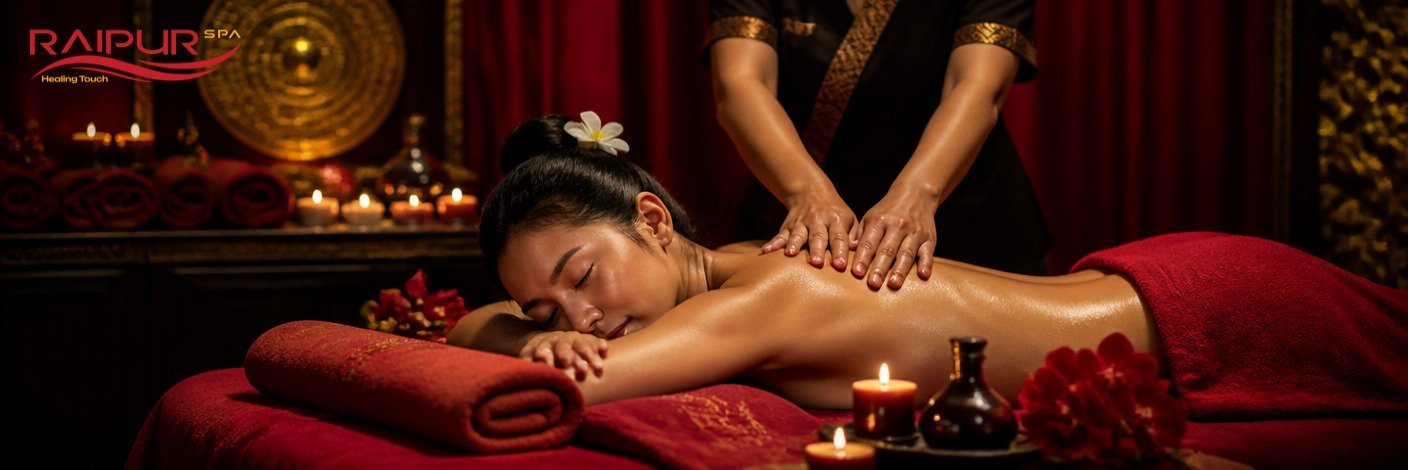
Top 10 Massage Therapies to Try at a Premium Spa in Raipur
16 min read · 25 Oct 2026
Massage Therapy
Pain Relief Through Deep Tissue Massage: A Raipur Spa Therapist's Perspective
13 min read · 24 Oct 2026
Massage Therapy
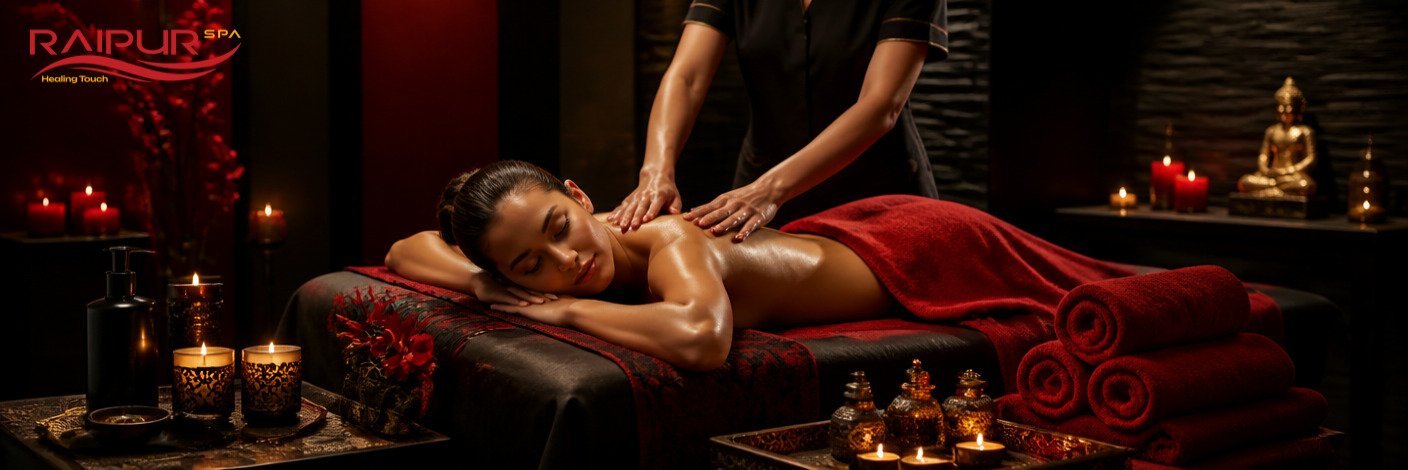
Head, Neck, and Shoulder Massage in Raipur: Relief for Desk Job Stress
11 min read · 24 Oct 2026
Enjoyed This Article?
Stop reading about relaxation — come experience it firsthand at Raipur SPA.