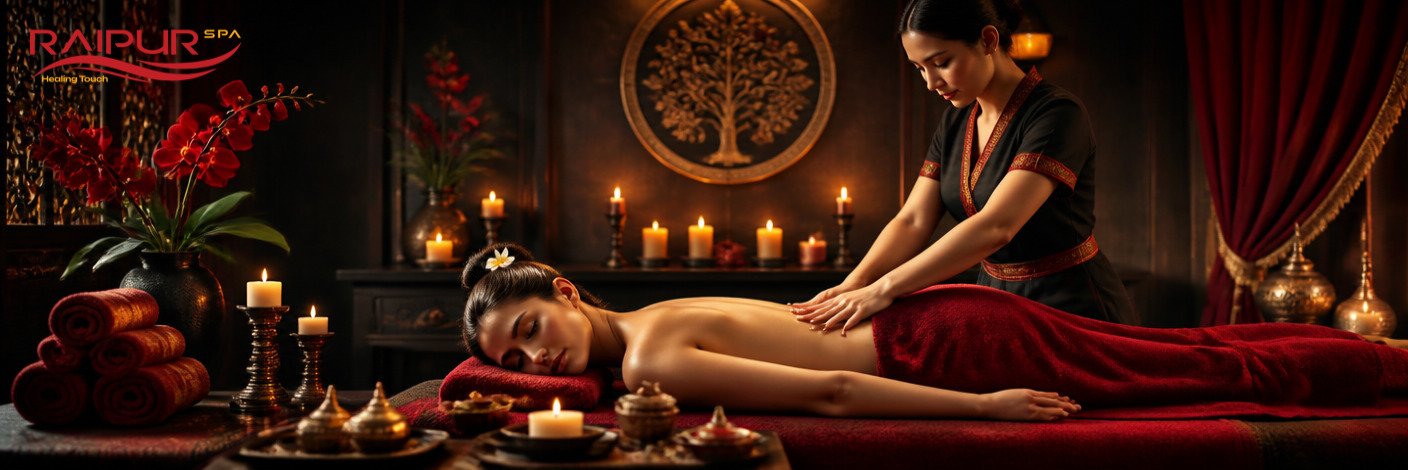
What are the mental health benefits of spa treatments?
Spa treatments can support mental health by reducing stress, promoting relaxation, and improving mood. Massage therapy lowers cortisol levels and increases serotonin and dopamine, which can alleviate anxiety and depression. Other therapies like aromatherapy and hydrotherapy also contribute to a sense of well-being. While not a substitute for medical treatment, regular spa visits can be a valuable part of a holistic mental wellness routine.
Key Takeaways
- • Spa treatments can help reduce stress and anxiety by lowering cortisol levels.
- • Massage therapy can increase serotonin and dopamine, improving mood.
- • Aromatherapy and hydrotherapy offer additional relaxation benefits.
- • Regular spa visits can contribute to better sleep and overall mental well-being.
- • Spa treatments are a complementary approach, not a replacement for professional mental health care.
- • The healing power of touch and a calming environment can enhance emotional resilience.
Spa treatments are often perceived as a luxury, an indulgence reserved for special occasions or vacations. However, this perspective overlooks a deeper truth: the healing power of spa treatments for mental health is profound and scientifically supported. Beyond the surface-level pampering, spa therapies offer measurable benefits that can alleviate stress, reduce anxiety, and enhance overall emotional well-being. Whether you're seeking a brief respite from daily pressures or a complementary approach to mental wellness, understanding the intricate science and practical applications of spa therapies can transform your approach to self-care.
Key Takeaways
- Spa treatments go beyond mere relaxation, offering measurable mental health benefits such as reduced cortisol levels, improved sleep quality, and emotional balance.
- Massage therapy, aromatherapy, and hydrotherapy are powerful tools to combat stress, anxiety, and symptoms of depression.
- Regular spa visits can support your mental health routine, but they are not a substitute for professional medical care.
- Choosing the right treatment and adopting a spa-day mindset enhances the therapeutic effects.
- At Raipur SPA, we offer affordable therapies starting from ₹999, making wellness accessible in Samta Colony, Raipur.
What Makes Spa Treatments Therapeutic?
At its core, a spa treatment is designed to activate your body's relaxation response. When you're stressed, your nervous system operates in 'fight or flight' mode, releasing cortisol and adrenaline. These hormones prepare you to face perceived threats, but chronic activation can lead to anxiety, sleep disturbances, and a host of physical ailments. Spa therapies—such as massage, warm baths, and soothing music—trigger the opposite state: the 'rest and digest' response. This physiological shift is the foundation of the healing power of spa treatments for mental health.
Beyond the immediate calm, regular spa visits can rewire your brain to handle stress more effectively. Research has shown that massage therapy can reduce cortisol levels by up to 30% while increasing serotonin and dopamine—the neurotransmitters associated with happiness and well-being. This isn't just leisure; it's a holistic approach to mental wellness that integrates body and mind.
Moreover, the environment of a spa itself contributes to the therapeutic effect. The dim lighting, calming scents, and absence of digital distractions create a sanctuary where you can disconnect from the outside world. This sensory experience is not accidental; it's carefully curated to promote a state of mindfulness, which has been shown to reduce symptoms of anxiety and depression.
The Science Behind Touch and Relaxation
How Massage Therapy Affects Your Brain
Human touch is a primal need. From infancy, physical contact is essential for emotional development and bonding. As adults, we often experience 'touch hunger'—a deficit of positive touch—which can lead to increased stress and loneliness. Massage therapy addresses this need directly. When you receive a massage, your skin's pressure receptors send signals to the brain that lower heart rate and blood pressure. This stimulates the vagus nerve, which is directly linked to your parasympathetic nervous system. The result: a deep sense of calm that can last for hours or even days.
Massage also increases blood circulation, delivering oxygen to tissues and helping to remove metabolic waste products. This physical cleansing is mirrored by mental clarity—many people report feeling 'lighter' and more focused after a session. For those dealing with anxiety or depression, this can be a lifeline, offering a non-pharmacological way to manage symptoms.
Furthermore, massage has been shown to reduce levels of substance P, a neurotransmitter associated with pain. For individuals with chronic pain, which often coexists with mental health issues, this reduction can alleviate both physical and emotional suffering. The therapeutic touch of a skilled massage therapist also fosters a sense of being cared for, which can be deeply healing for those who feel isolated or unsupported.
Aromatherapy: Scents That Soothe the Mind
Essential oils like lavender, chamomile, and bergamot are not just pleasant smells; they have documented anxiolytic properties. When inhaled, these scents activate the limbic system, the part of the brain that controls emotions and memories. Lavender, for instance, has been shown in clinical trials to reduce anxiety and improve sleep quality. A study published in the Journal of Alternative and Complementary Medicine found that lavender aromatherapy significantly lowered heart rate and cortisol levels in participants under stress.
At Raipur SPA, we incorporate aromatherapy into many of our treatments, allowing the olfactory senses to enhance the overall therapeutic experience. The choice of essential oil can be tailored to your needs: lavender for relaxation, peppermint for invigoration, or citrus for mood elevation. It's a small but powerful addition to your mental health toolkit.
The Role of Hydrotherapy
Water has been used for therapeutic purposes across cultures for centuries. Hydrotherapy, which includes soaking in warm baths, whirlpools, and steam rooms, offers unique benefits for mental health. The buoyancy of water reduces the load on joints and muscles, promoting physical relaxation. The warmth causes blood vessels to dilate, improving circulation and reducing blood pressure. This physiological response is accompanied by a mental state of calm, as the warmth and weightlessness signal safety to the brain.
Hydrotherapy also encourages mindfulness. The sensation of warm water on the skin is a powerful anchor to the present moment, pulling your attention away from rumination or worry. Many people find that a soak in a hot tub or a steam session helps them drift into a meditative state, which can be particularly beneficial for those with anxiety.
Spa Treatments as a Complement to Mental Health Care
It's crucial to understand that spa therapies are not a cure for mental illness. They are not a replacement for professional treatment such as psychotherapy or medication. However, they can be a valuable complement to professional care. For individuals dealing with chronic stress, mild to moderate anxiety, or burnout, regular spa sessions can provide a much-needed respite and a sense of agency over one's well-being.
Think of spa time as 'me-time' that is not selfish but self-preserving. When you invest in your relaxation, you show up better for others. This is why many therapists recommend incorporating massage or hydrotherapy into a broader self-care plan that might include exercise, meditation, or counseling. The key is to view spa treatments as part of a holistic approach, not a quick fix.
Moreover, spa visits can serve as a cue to tune into your body. In our fast-paced world, we often ignore physical signs of stress—tension headaches, tight shoulders, fatigue. A spa treatment forces you to slow down and listen to your body's signals. This increased body awareness can help you recognize stress early and take proactive steps to manage it.
Popular Spa Therapies and Their Mental Health Benefits
Swedish Massage
Swedish massage is the most common type of massage therapy. It uses long, flowing strokes, kneading, and circular movements on superficial muscle layers. This technique is designed to relax the entire body, improve circulation, and reduce muscle tension. For mental health, Swedish massage is excellent for reducing general anxiety and promoting a sense of well-being. The rhythmic strokes have a hypnotic effect, lulling the mind into a state of deep relaxation. If you're new to spa treatments, Swedish massage is a gentle introduction that can ease you into relaxation.
Deep Tissue Massage
For those who hold stress in their shoulders, neck, or back, deep tissue massage targets deeper muscle layers and connective tissue. It uses slower, more forceful strokes to release chronic tension. This type of massage can be particularly beneficial for people who carry emotional stress in their bodies. Many clients report feeling 'unburdened' both physically and emotionally after a deep tissue session. It's important to communicate with your therapist about pressure preferences, as deep tissue can be intense.
Hot Stone Massage
Hot stone massage involves placing warm, smooth stones on specific points of the body, such as the back, palms, or between the toes. The heat penetrates deep into muscles, relaxing them and improving blood flow. The warmth is deeply comforting, which can be especially beneficial for those who feel emotionally 'cold' or disconnected. The stones' weight provides a grounding sensation, anchoring you to the present moment. This therapy is ideal for individuals who struggle with anxiety or have difficulty relaxing.
Hydrotherapy
Soaking in warm water, whether in a whirlpool bath, a hot tub, or a steam room, has been used for centuries to calm the mind. Water's buoyancy reduces joint pressure, and the warmth promotes vasodilation, which relaxes blood vessels. This can lead to a state of profound relaxation. Hydrotherapy can also improve sleep quality, as the drop in body temperature after a warm soak signals the body to prepare for rest. Many spas offer hydrotherapy circuits that alternate between hot and cold water, which can invigorate the senses and reduce mental fatigue.
Reflexology
Reflexology is based on the principle that reflex points on your feet and hands correspond to different parts of your body. By applying pressure to these points, a reflexologist can release tension and promote balance throughout the body. Many people find reflexology meditative, as it requires you to be present in the moment and focus on the sensations in your feet. It's an excellent treatment for those who are 'always on their feet'—both literally and metaphorically. Reflexology can help reduce stress, improve mood, and enhance overall well-being.
Aromatherapy Massage
This technique combines the benefits of massage with the therapeutic properties of essential oils. The therapist blends specific oils to address your needs—whether it's calming lavender, uplifting citrus, or balancing geranium. The massage strokes help the oils absorb into the skin, while inhalation activates the limbic system. This dual action makes aromatherapy massage particularly effective for emotional release and stress reduction. It's a sensory experience that engages both touch and smell, creating a deep state of relaxation.
Facial Treatments
While facials are often considered cosmetic, they also offer mental health benefits. The gentle manipulation of facial muscles can release tension held in the jaw, forehead, and around the eyes—areas that often clench when we're stressed. The process of cleansing, exfoliating, and moisturizing can be meditative, encouraging you to focus on your skin and breath. Many people leave a facial feeling refreshed and more confident, which can positively impact self-esteem and mood.
How to Maximize the Mental Health Benefits of Your Spa Visit
Create a Spa-Day Ritual
Don't rush in and out. To truly harness the healing power of spa treatments, arrive early, breathe deeply, and allow yourself to transition from your busy mind to a relaxed state. Many spas have relaxation lounges where you can sit quietly, sip herbal tea, and read a book. Use this time to disconnect from your phone and other distractions. Switch your phone to silent and commit to being fully present. This pre-treatment ritual sets the stage for a deeper experience.
Communicate with Your Therapist
If you have specific areas of tension or emotional stress you're holding, let your therapist know. They can tailor the session to your needs, using techniques that target your problem areas. For example, if you carry stress in your shoulders, the therapist can focus on that region. If you prefer lighter pressure or have any health concerns, always communicate. At Raipur SPA, our therapists are trained to listen and adapt, ensuring your session is both safe and effective.
Hydrate and Rest After
Drink plenty of water post-treatment to flush out toxins that may have been released during massage. Avoid jumping back into a high-stress environment immediately. Take a few minutes to sit quietly, perhaps with a cup of herbal tea, to extend the feelings of calm. If possible, schedule your appointment at a time when you don't have to rush back to work or other obligations. Allowing yourself this buffer time enhances the longevity of the benefits.
Incorporate Mindfulness Techniques
During your treatment, practice mindfulness by focusing on your breath and the sensations in your body. Notice the pressure of the therapist's hands, the warmth of the stones, or the scent of the oils. When your mind wanders to worries, gently bring it back to the present. This practice not only enhances the relaxation response but also trains your brain to be more mindful in daily life, reducing overall stress.
Combine Spa Visits with Other Self-Care Activities
To maximize the benefits, consider pairing your spa visit with other stress-reducing activities, such as a gentle yoga class, a walk in nature, or a meditation session. This holistic approach reinforces the relaxation response and helps you integrate the calm into your daily routine. For example, you might schedule a massage after a yoga class to deepen the release of tension.
What to Expect During Your First Spa Visit
If you're new to spa treatments, you might feel a bit anxious about what to expect. That's completely normal. Here's a step-by-step guide to help you feel at ease:
- Check-in: You'll arrive at the spa and be greeted by the receptionist. You may be asked to fill out a brief health questionnaire to ensure your safety.
- Relaxation Area: You'll be shown to a relaxation lounge where you can sit, sip water or herbal tea, and unwind before your treatment.
- Changing Room: Your therapist will escort you to a changing room or treatment room. You'll be given time to change into a robe or disposable underwear, depending on the treatment.
- Consultation: Your therapist will discuss your preferences, any problem areas, and your comfort level regarding pressure. This is the time to ask any questions.
- The Treatment: You'll lie on a comfortable, heated table. The therapist will leave the room while you get comfortable under the sheets. They will only expose the area being worked on, ensuring your privacy at all times.
- During the Session: The environment is designed to be calming—dim lighting, soft music, and a warm room. You can close your eyes and drift off. Many people fall asleep during a massage—that's a sign of deep relaxation.
- After the Treatment: Your therapist will let you know when the session is over and leave the room so you can dress. You'll then be escorted to a relaxation area where you can enjoy a glass of water or tea.
Remember, the therapist is a professional who has seen many bodies. There's no need to feel embarrassed. Your comfort is their priority.
Making Spa Wellness a Regular Habit
Just like exercise, the benefits of spa treatments are cumulative. A single session feels great, but regular visits—say, once a month—can have a lasting impact on your mental health. Consistency is key to rewiring your body's stress response. Over time, you may find that you handle stressful situations with more equanimity, sleep better, and feel more balanced overall.
Consider spa treatments as an investment in your well-being, not an expense. The cost is justified by the reduction in stress-related health issues, improved productivity, and enhanced quality of life. At Raipur SPA, located conveniently in Samta Colony, Raipur, we believe that self-care should be accessible. That's why our therapies start from just ₹999. We're open every day from 11:00 AM to 09:00 PM, so you can find a time that fits your schedule.
To make it a habit, you might book a session at the same time each month, or align it with a significant date, like the first of the month. Some people find it helpful to set a reminder on their phone. Others pair spa visits with a monthly 'reset'—a time to reflect on the past month and set intentions for the next. This ritualistic aspect can enhance the psychological benefits, giving you something to look forward to.
Frequently Asked Questions
Can spa treatments really help with anxiety?
Yes, spa treatments like massage and aromatherapy can reduce cortisol levels and increase serotonin, which helps alleviate anxiety. While not a substitute for therapy, they are a powerful complementary tool. Many people find that regular spa visits help them feel more grounded and less overwhelmed.
How often should I get a spa treatment for mental health benefits?
For optimal results, aim for a treatment once every two to four weeks. This frequency helps maintain lower stress levels and supports emotional well-being. However, even a single session can provide immediate relief. Listen to your body—if you feel particularly stressed, you might benefit from a session sooner.
Do spa treatments have any side effects?
Most people experience no side effects, but some might feel sore after a deep tissue massage or dizzy after a hot stone session. It's important to hydrate and rest after your treatment to minimize any discomfort. If you have any health conditions, consult your doctor before booking a spa treatment.
Is it okay to fall asleep during a massage?
Absolutely. Falling asleep is a sign that your body is deeply relaxed and trusting the therapist. It's a common and welcomed response. If you do fall asleep, the therapist will continue the massage, and you'll wake up feeling refreshed.
Can I request a specific type of massage at Raipur SPA?
Yes, at Raipur SPA, we offer a variety of massages and therapies, including Swedish, deep tissue, hot stone, and aromatherapy. You can discuss your preferences with our therapists, and they will tailor the session to your needs. If you're unsure which treatment is best for you, our staff can offer guidance.
What should I wear during a spa treatment?
You'll be asked to undress to your comfort level. Therapists are trained to drape you with a sheet, ensuring your privacy at all times. Many people wear disposable underwear, which we provide. For treatments like facials, you may remain fully clothed. It's best to check with the spa beforehand.
Are spa treatments suitable for pregnant women?
Some spa treatments are safe during pregnancy, but it's essential to inform the spa of your pregnancy before booking. Certain essential oils and massage techniques may not be recommended. At Raipur SPA, we offer prenatal massages that are specifically designed for expectant mothers.
Can spa treatments help with sleep problems?
Yes, spa treatments can improve sleep quality by promoting relaxation and reducing stress. Massage has been shown to increase melatonin levels, which regulate sleep. Hydrotherapy, particularly warm baths before bed, can also enhance sleep onset and depth.
Conclusion
The healing power of spa treatments for mental health is not a myth—it's a scientifically supported approach to well-being. By making time for yourself and investing in therapies that calm your mind and body, you're taking a proactive step toward a healthier, happier you. Whether you choose a relaxing Swedish massage, an invigorating aromatherapy session, or a grounding hot stone treatment, the benefits go far beyond the spa doors. So why not treat yourself to the care you deserve? Visit Raipur SPA in Samta Colony, Raipur, and discover the difference it can make. Our doors are open daily from 11:00 AM to 09:00 PM. To book your session, simply WhatsApp or call us at +91 7987 303 127. Your mental wellness journey starts here.
Frequently Asked Questions
How do spa treatments help with stress relief?
Spa treatments like massage and aromatherapy activate the parasympathetic nervous system, reducing stress hormones and promoting relaxation. This can lead to lower heart rate and blood pressure, and a calmer mind.
Can spa treatments improve anxiety and depression?
While not a cure, spa treatments can temporarily alleviate symptoms of anxiety and depression by boosting mood-enhancing neurotransmitters and providing a peaceful escape from daily stressors. They should be used alongside professional therapy.
What is the best spa treatment for mental health?
Massage therapy, especially Swedish or aromatherapy massage, is often recommended for mental health benefits. Hydrotherapy and reflexology also help. The best treatment depends on personal preference and specific needs.
How often should I get a spa treatment for mental well-being?
Frequency varies, but many experts suggest a monthly session to maintain benefits. Some people may benefit from more frequent visits during high-stress periods. Consistency is more important than frequency.
Are there any risks of spa treatments for mental health?
Generally safe, but individuals with certain medical conditions should consult a doctor first. Overindulgence or reliance on spa treatments without addressing underlying mental health issues can be a concern.
Book Your Session
Book Your SessionPeople Also Ask
Related Articles
Stress & Mental Health
Shirodhara Therapy in Raipur: Benefits for Sleep, Anxiety and Mind-Body Balance
13 min read · 21 Oct 2026
Stress & Mental Health
Stress Relief Spa in Raipur: 7 Reasons a Monthly Massage Boosts Wellness
5 min read · 16 Oct 2026
Stress & Mental Health
Stress Relief in Raipur: How Spa Therapy Can Transform Your Life
17 min read · 12 Oct 2026
Enjoyed This Article?
Stop reading about relaxation — come experience it firsthand at Raipur SPA.