
How often should you get a massage?
Massage frequency depends on your goals and lifestyle. For general relaxation, once a month is common. For stress relief or chronic tension, every 2–4 weeks may help. Athletes or those with physically demanding jobs might benefit from weekly sessions. Always consult a healthcare provider for personalized advice, especially if you have medical conditions.
Key Takeaways
- • Monthly massages are sufficient for general wellness and relaxation.
- • Every 2–4 weeks is often recommended for ongoing stress or muscle tension.
- • Weekly sessions may suit athletes or those with physically demanding routines.
- • Your specific health goals and budget should guide frequency.
- • Consult a doctor before starting regular massage therapy if you have health concerns.
How often should you get a massage? For general wellness, once a month is ideal. For chronic pain or high stress, once a week or every two weeks works better. Athletes may need 2–3 sessions weekly. Your perfect frequency depends on your goals, lifestyle, and how your body responds. But the real answer is more nuanced — it changes as your body changes, your stress shifts, and your goals evolve. This guide breaks down exactly how to find your rhythm, with practical examples, expert-backed reasoning, and tips you can apply today.
Key Takeaways
- Monthly massages are great for maintaining overall wellness and relaxation.
- Weekly or biweekly sessions help manage chronic pain, stress, or recovery from intense physical activity.
- Listen to your body — if you feel stiff, achy, or tense, it might be time for another session.
- Start with one session and adjust frequency based on how you feel in the days that follow.
- Consistency matters more than intensity — regular, moderate pressure beats occasional deep work.
- Consult a professional at Raipur SPA to tailor a schedule that fits your needs and budget.
- Your frequency will change over time — what works during a stressful quarter may be overkill during a calm season.
- Massage is preventive, not just reactive — waiting until you're in pain means you're already behind.
Why Massage Frequency Isn't One-Size-Fits-All
Ask ten people how often they get a massage, and you'll get ten different answers. Some swear by weekly sessions, while others are happy with a quarterly treat. The truth? There's no universal rule.
Your ideal massage frequency depends on factors like your stress levels, physical activity, health conditions, and what you want to achieve. A desk worker with tight shoulders has different needs than a marathon runner or someone recovering from an injury. Even your age, sleep quality, and hydration habits play a role in how quickly tension rebuilds.
Think of it like exercise. Someone training for a marathon runs five times a week; someone staying healthy jogs twice. Neither is wrong — the dose matches the goal. Massage works the same way. The right frequency is the one that keeps your body in a state of balance without overworking it.
At Raipur SPA in Samta Colony, we've seen it all. Some clients come every week for pain relief, while others visit once a month for relaxation. Both are valid — it's about finding your rhythm. We've also noticed that clients who track how they feel between sessions tend to find their ideal frequency faster than those who guess.
One more thing: frequency isn't just about quantity. A 30-minute focused session every week can outperform a single 90-minute deep tissue marathon once a month. Consistency gives your nervous system repeated signals to relax, which is how lasting change happens.
How Often Should You Get a Massage for Different Goals?
1. General Wellness and Relaxation
If your goal is to unwind, reduce stress, and maintain overall well-being, once a month is a solid starting point. This frequency helps keep tension from building up without feeling like a chore.
Monthly massages can lower cortisol levels, improve sleep, and boost your mood. Think of it as a regular tune-up for your body and mind. When you get a massage every four weeks, you're essentially resetting your baseline before stress accumulates to the point of pain.
Practical tip: Schedule your monthly massage on the same day each month — say, the first Saturday or the last Friday. Treating it like a recurring appointment (just like a dentist visit) makes it far more likely to actually happen. Many of our clients pair their massage with a monthly self-check-in: they rate their stress, sleep, and stiffness on a scale of 1–10 before each session. Over time, patterns emerge, and you'll know exactly when you need more or less.
If you sit at a desk all day, consider adding a 10-minute stretch routine two to three times a week. It won't replace massage, but it will extend the benefits and keep your monthly sessions feeling fresh rather than remedial.
2. Stress Management
Chronic stress takes a toll. If you're dealing with high-pressure work, anxiety, or poor sleep, consider every two weeks. This schedule gives your nervous system consistent support.
Research shows that regular massage can reduce anxiety and improve emotional well-being. Even a 60-minute session every fortnight can make a noticeable difference. The key is timing: if you wait until you're completely burnt out, one massage won't fix it. Biweekly sessions act like a pressure valve, releasing tension before it reaches a breaking point.
Consider this example: A marketing manager in Raipur came to us complaining of tension headaches three times a week. She started with weekly sessions for a month, then moved to every two weeks. Within six weeks, her headaches dropped to once a week, and she reported sleeping through the night for the first time in months. That's the power of consistent nervous system support.
For stress, the type of massage matters too. Swedish, aromatherapy, and gentle deep tissue work well. Avoid very intense sports massage if your goal is relaxation — it can sometimes leave you wired rather than calm. Tell your therapist you're there for stress relief, and they'll adjust the pressure and pace accordingly.
3. Chronic Pain or Tension
For conditions like lower back pain, neck stiffness, or migraines, weekly sessions may be necessary — at least initially. Once symptoms improve, you can taper down to biweekly or monthly maintenance.
Always work with a qualified therapist who can adapt pressure and techniques to your condition. At Raipur SPA, our therapists are trained to handle pain management safely. We often use a combination of trigger point therapy, myofascial release, and gentle stretching to address the root cause, not just the symptom.
Here's a realistic timeline for chronic pain: Weeks 1–4, weekly sessions to break the pain cycle. Weeks 5–8, biweekly sessions to stabilize. Week 9 onward, monthly maintenance. Of course, this varies by person, but having a roadmap helps you stay committed and budget accordingly.
Important caution: If your pain is sharp, radiating, or accompanied by numbness or weakness, see a doctor first. Massage is powerful, but it's not a replacement for medical diagnosis. Once you have clearance, massage can be a game-changer for chronic tension.
4. Athletic Recovery
Athletes and fitness enthusiasts often benefit from 2–3 massages per week during intense training or competition season. Sports massage helps reduce muscle soreness, improve flexibility, and speed up recovery.
During off-season or lighter training, once a week is usually enough to keep muscles happy. The goal is to match your massage frequency to your training load. If you're lifting heavy four days a week and running on the weekends, your muscles are in a constant state of repair. More frequent, shorter sessions (30–45 minutes) focused on specific muscle groups can be more effective than one long full-body session.
Example: A local cricket player we work with gets a 45-minute sports massage every Monday and Thursday during the season. He says it's the difference between feeling fresh for weekend matches and dragging through them. In the off-season, he drops to once a week.
Don't forget hydration and sleep. Massage flushes metabolic waste from muscles, but if you're dehydrated or sleep-deprived, recovery stalls. Drink plenty of water before and after your session, and aim for 7–9 hours of sleep on training days.
5. Injury Rehabilitation
If you're recovering from an injury, your physiotherapist or doctor may recommend specific massage frequency. This could range from 2–3 times per week to once a week, depending on the severity and stage of healing.
Never self-prescribe deep tissue work on an injury — always get professional guidance. In the early stages of healing, gentle lymphatic drainage or light Swedish massage may be appropriate. As you progress, your therapist can introduce deeper techniques to break down scar tissue and restore range of motion.
Communication is critical here. Tell your therapist exactly what happened, what your doctor said, and what movements hurt. A good therapist will adjust every session based on your feedback. If something feels wrong, speak up immediately — discomfort during a therapeutic massage should never cross into sharp pain.
6. Pregnancy
Prenatal massage can ease back pain, reduce swelling, and improve sleep. Many expectant mothers find weekly or biweekly sessions helpful, especially in the second and third trimesters.
Always choose a therapist trained in prenatal massage and get clearance from your doctor. Prenatal massage requires special positioning (usually side-lying with pillows for support) and avoids certain pressure points. At Raipur SPA, we have therapists experienced in prenatal care and can adapt the session to your comfort level.
Beyond relaxation, prenatal massage can help with common pregnancy complaints like sciatica, hip pain, and edema. Many mothers-to-be tell us it's the only hour of the week where they truly feel comfortable in their own body. That alone is worth it.
7. Post-Surgery Recovery (New Section)
After surgery, massage can help reduce swelling, prevent scar tissue buildup, and improve circulation — but timing is everything. Most surgeons recommend waiting until incisions are fully healed (usually 2–4 weeks) before any massage near the surgical site. Once cleared, 1–2 sessions per week for the first month can support recovery, then taper to weekly or biweekly.
Always get written clearance from your surgeon and choose a therapist with post-surgical or lymphatic drainage training. This is not the time for deep tissue work. Gentle, targeted techniques are the goal. If you're unsure, ask your surgeon to recommend a qualified therapist.
8. Senior Wellness (New Section)
As we age, circulation slows, joints stiffen, and muscles lose elasticity. For older adults, once a week or every two weeks can help maintain mobility, reduce arthritis pain, and improve balance. Chair massage or gentle Swedish techniques are often best.
Frequency should be adjusted based on overall health and any medications that affect bruising or circulation. Always inform your therapist of your medical history. Many seniors in Raipur visit us regularly for maintenance — they say it's the best investment they make in staying independent and active.
Signs You Need a Massage More Often
Your body sends signals when it's overdue for bodywork. Here are some common ones:
- Persistent muscle tightness or knots
- Frequent headaches or jaw clenching
- Poor sleep or feeling unrested
- High stress or irritability
- Reduced range of motion or stiffness
- Recurring pain in the same area
- Feeling like you can't fully relax, even on days off
- Needing more caffeine to get through the day
- Shoulders that feel like they're glued to your ears
If you notice these signs, it might be time to book a session — or increase your frequency. One useful trick: keep a simple body journal. Note your tension level each day on a 1–10 scale. If you see it creeping up consistently after week two, you know your sweet spot is every two weeks.
How to Find Your Ideal Massage Frequency
Start by getting one massage and paying attention to how you feel afterward. Note how long the benefits last — a day, a week, or longer?
If relief fades quickly, you may need more frequent sessions. If you feel great for weeks, monthly visits could be enough.
Also consider your budget and schedule. Consistency is key, so choose a frequency you can realistically maintain. It's better to commit to monthly massages than to splurge on weekly sessions for a month and then stop.
A good therapist can help you map out a plan. At Raipur SPA, we offer personalized recommendations based on your health history and goals. Our therapies start from just ₹999, making regular self-care affordable.
Here's a simple framework you can use:
- Week 1: Get your first massage. Rate tension before and after.
- Week 2: Note when tension starts returning. Is it day 3? Day 7? Day 10?
- Week 3–4: Book your next session based on that pattern. If tension returned by day 5, try weekly. If it took 3 weeks, monthly is fine.
- Ongoing: Re-evaluate every few months. Life changes, and so should your massage schedule.
What About Different Types of Massage?
The type of massage you choose can influence frequency. Relaxation massages (like Swedish) are gentle and can be done more often. Deep tissue and sports massage are more intense and may require longer recovery between sessions.
For example, you might get a Swedish massage weekly, but deep tissue only every 10–14 days to avoid overworking muscles. If you're combining types, alternate them: one week deep tissue, next week Swedish, and so on. This gives your body the benefits of both without overloading it.
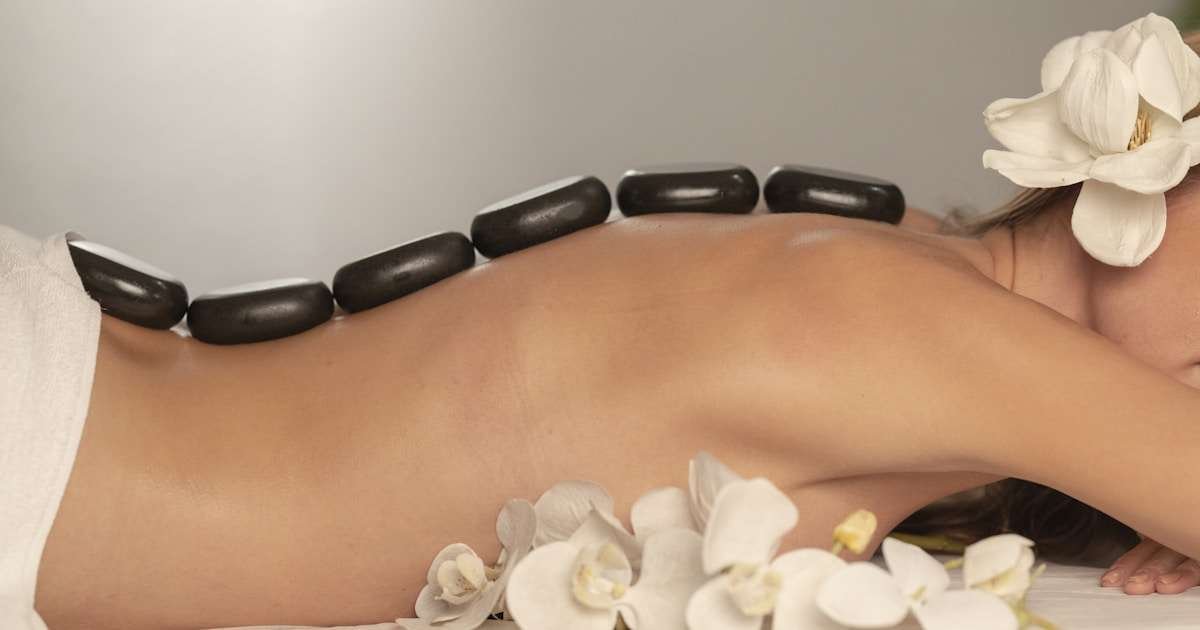
Other factors: aromatherapy massage is gentle and can be frequent. Hot stone massage is warming and relaxing but may not suit everyone in summer. Reflexology focuses on feet and can be done more often since it's less taxing on large muscle groups. Talk to your therapist about the best combination for you.
Also consider session length. A 60-minute full-body massage once a week is great, but a 30-minute targeted session twice a week can be equally effective for specific problem areas. Shorter, more frequent sessions often work better for busy people who can't carve out 90 minutes regularly.
Debunking Common Myths About Massage Frequency
Myth: You should only get a massage when you're in pain.
Fact: Regular massages prevent tension from building up and support overall health. Waiting until you're in pain is like only brushing your teeth when they hurt.
Myth: More frequent massages are always better.
Fact: Over-massaging can lead to soreness or injury. Rest and recovery matter too. Your body needs time to integrate the benefits.
Myth: Once a year is enough.
Fact: While any massage is beneficial, infrequent sessions won't deliver lasting results for chronic issues. Consistency beats intensity every time.
Myth: Massage is a luxury, not healthcare.
Fact: Massage is increasingly recognized as a complementary therapy for pain, stress, and recovery. Many physiotherapists incorporate it into treatment plans.
Myth: You need to be sore after a massage for it to work.
Fact: Soreness is not a sign of effectiveness. In fact, excessive soreness means the pressure was too deep. A good massage should leave you feeling relaxed and looser, not bruised.
How to Make Regular Massage Affordable
We get it — frequent massages can add up. Here are a few tips:
- Look for monthly membership plans or packages.
- Book shorter sessions (30–45 minutes) for maintenance.
- Combine massage with other self-care practices like stretching and hydration.
- Prioritize based on your needs — pain relief may warrant more frequent visits than general relaxation.
- Ask about off-peak discounts or weekday specials.
- Share a package with a family member or friend if allowed.
At Raipur SPA, we offer competitive pricing and packages to help you stay consistent. Our doors are open daily from 11:00 AM to 09:00 PM. We also believe in transparency — no hidden charges, no pushy upsells. Just honest, effective bodywork.
How to Prepare for Your Massage (New Section)
Getting the most out of each session starts before you lie on the table. Here are practical tips:
- Hydrate: Drink water before and after. Massage moves fluids and toxins; hydration helps flush them out.
- Avoid heavy meals: Give yourself at least an hour after eating before a massage.
- Arrive early: Rushing in stressed defeats the purpose. Arrive 10 minutes early to settle down.
- Communicate: Tell your therapist your goals, pressure preference, and any areas to avoid.
- Breathe: Deep, slow breathing during the massage enhances relaxation and helps release tension.
- Speak up: If the pressure is too much or too little, say so. This is your session.
- Plan a slow exit: Don't schedule a high-intensity activity right after. Give yourself 30 minutes to enjoy the afterglow.
These small habits can make a 60-minute massage feel like 90 minutes of benefit.
Frequently Asked Questions
How often should I get a massage for stress relief?
Every two weeks is ideal for ongoing stress management. If your stress is acute, weekly sessions can help. Once you feel better, you can gradually space them out.
Can I get a massage every week?
Yes, weekly massages are safe for most people, especially for pain management or athletic recovery. Just ensure you're not overworking sore muscles — alternate with gentler techniques if needed.
Is it okay to get a massage once a month?
Absolutely. Monthly massages are excellent for general wellness, relaxation, and preventive care. Many people find this frequency sustainable and effective.
How long do massage benefits last?
Benefits like reduced tension and relaxation can last from a few days to a couple of weeks, depending on your lifestyle and stress levels. Regular sessions prolong the effects.
Should I get a massage more often if I have chronic pain?
Yes, chronic pain often requires more frequent sessions — initially weekly, then tapering to biweekly or monthly as symptoms improve. Always follow your therapist's advice.
What's the best time to get a massage?
Anytime you can relax afterward works well. Many people prefer evenings to unwind before sleep, while others like morning sessions for an energy boost. Choose what fits your routine.
Can I get a massage if I'm sick?
If you have a fever, cold, or flu, it's best to reschedule. Massage can worsen symptoms and spread germs. Wait until you're fully recovered.
How soon after a massage can I exercise?
Give yourself at least 24 hours before intense exercise, especially after deep tissue or sports massage. Light walking or stretching is fine sooner.
Final Thoughts
There's no magic number for how often you should get a massage. It's a personal decision based on your body, goals, and lifestyle. Start with one session, listen to your body, and adjust from there.
Whether you need weekly relief or monthly maintenance, the key is consistency. And if you're in Raipur, we'd love to be part of your wellness routine. At Raipur SPA, our skilled therapists are here to help you feel your best.
Ready to book? Reach out via WhatsApp or call us at +91 7987 303 127. We're open daily from 11:00 AM to 09:00 PM. Your body will thank you.
Frequently Asked Questions
Is it okay to get a massage every week?
Yes, weekly massages can be beneficial for athletes or people with chronic pain, but it's best to consult a healthcare provider to ensure it aligns with your health needs.
How often should I get a massage for stress relief?
For stress relief, a massage every 2–4 weeks is often effective. However, individual needs vary, so adjust based on your stress levels and response to treatment.
Can I get a massage too often?
Getting a massage too frequently can lead to muscle soreness or fatigue. It's important to listen to your body and space sessions appropriately, typically no more than once or twice a week unless advised otherwise.
What type of massage is best for frequent sessions?
Swedish massage is gentle and suitable for regular sessions. Deep tissue or sports massage may require more recovery time between appointments.
How long should a massage session last?
Sessions typically range from 60 to 90 minutes. The ideal length depends on your goals and the areas needing attention; a 60-minute session is common for full-body relaxation.
Does massage frequency change with age?
Yes, older adults may benefit from gentler, more frequent massages to manage stiffness, while younger individuals might need less frequent sessions. Always consult a professional for personalized advice.
Book Your Session
Book Your SessionPeople Also Ask
Related Articles

Massage Therapy
Full Body Massage Benefits: What Happens to Your Body After 60 Minutes of Relaxation
15 min read · 27 Oct 2026
Massage Therapy
Aromatherapy Massage in Raipur: Essential Oils That Calm Your Mind and Body
11 min read · 27 Oct 2026

Massage Therapy
The Science of Pain Relief: How Therapeutic Massage Helps Back, Neck, and Joint Pain
7 min read · 27 Oct 2026
Enjoyed This Article?
Stop reading about relaxation — come experience it firsthand at Raipur SPA.