
How often should you get a massage?
Most people benefit from a massage every 2 to 4 weeks for general wellness. For specific concerns like stress or muscle tension, weekly sessions may help initially, then taper to monthly. Chronic pain management often requires 1-2 sessions per week under professional guidance. Always consult a qualified therapist to tailor frequency to your needs.
Key Takeaways
- • General wellness: every 2-4 weeks.
- • Stress relief: weekly sessions initially, then monthly.
- • Chronic pain: 1-2 times per week under guidance.
- • Athletes: 1-2 times per week for recovery.
- • Listen to your body; adjust frequency as needed.
- • Consult a therapist for personalized advice.
There's no single answer that fits everyone, but most people benefit from a massage every 2 to 4 weeks. If you're dealing with chronic pain or high stress, weekly sessions may help. For general wellness, once a month is a solid baseline. The right frequency depends on your goals, lifestyle, and budget.
Key Takeaways
- For overall wellness, aim for one massage every 3 to 4 weeks.
- Chronic pain or injury recovery may need weekly or bi-weekly sessions.
- Stress management often improves with 2 sessions per month.
- Listen to your body—if you feel stiff or tense, it's time to book.
- Consistency matters more than intensity; regular sessions yield better results.
- At Raipur SPA, therapies start from ₹999, so you can maintain a routine without breaking the bank.
Why Frequency Matters More Than You Think
Getting a massage once in a while feels great, but the real benefits—reduced muscle tension, better circulation, improved sleep—build up over time. Think of it like exercise: one workout won't transform your fitness, but a steady routine will.
At Raipur SPA in Samta Colony, we see clients who come monthly and others who visit weekly. The difference in how they feel is noticeable. Regular sessions keep stress hormones in check and prevent small aches from becoming chronic issues.
But why exactly does frequency matter so much? Let's break it down:
- Muscle memory and adaptation: Your muscles respond to consistent stimuli. Just as lifting weights regularly builds strength, regular massage helps muscles stay relaxed and flexible. One session might loosen tight spots temporarily, but without follow-up, tension often returns.
- Cumulative effects on circulation: Massage enhances blood flow, delivering oxygen and nutrients to tissues while removing metabolic waste. This effect is temporary, lasting a few days. Repeated sessions create a more sustained improvement in circulation.
- Stress hormone regulation: Studies show that massage reduces cortisol (the stress hormone) and boosts serotonin and dopamine. But these benefits peak after a session and gradually decline. Regular sessions help maintain lower baseline stress levels.
- Preventive care: Waiting until you're in pain is like only brushing your teeth when you have a cavity. Regular massage acts as preventive maintenance, keeping your body in optimal condition.
Consider this: A client named Priya, a software engineer in Raipur, used to get massages only when her neck pain became unbearable—about once every three months. She'd feel better for a week, then the pain would creep back. After switching to monthly sessions, her pain diminished significantly, and she now rarely experiences those severe flare-ups. That's the power of consistency.
Factors That Determine Your Ideal Massage Frequency
Several personal factors influence how often you should get a massage. Let's explore each in detail.
1. Your Primary Goal
Are you looking to relax, manage pain, or recover from an injury? Each goal demands a different schedule.
- Relaxation & stress relief: Once or twice a month. If you're in a high-stress job or going through a challenging life phase, twice a month can be more effective. For general unwinding, once a month suffices.
- Chronic pain management: Weekly or bi-weekly. Conditions like lower back pain, arthritis, or fibromyalgia often require more frequent sessions to break the pain cycle. Initially, weekly sessions help reduce pain; then you can taper to bi-weekly or monthly as maintenance.
- Sports recovery: 1-2 times per week during training season. Athletes put their bodies through intense stress, and regular massage helps with muscle repair, flexibility, and injury prevention. In off-season, once a week or every 10 days is sufficient.
- General maintenance: Every 3-4 weeks. This is the sweet spot for most people who want to stay healthy and prevent issues.
It's also worth noting that goals can overlap. For example, you might start with weekly sessions for pain relief and then transition to monthly for wellness. Be flexible and reassess your needs periodically.
2. Your Lifestyle & Stress Levels
If you sit at a desk for 8+ hours, drive long distances, or juggle a high-pressure job, your muscles accumulate tension faster. You might need massages more often than someone with a physically active but low-stress lifestyle.
Here are some lifestyle factors that increase your need for frequent massages:
- Prolonged sitting: This shortens hip flexors, tightens hamstrings, and strains the lower back and neck. If you're desk-bound, consider bi-weekly massages focusing on these areas.
- Heavy lifting or repetitive movements: Jobs that involve lifting, or hobbies like gardening, can cause micro-traumas to muscles. Regular massage helps flush out toxins and promotes healing.
- High-stress environments: Stress manifests physically as muscle tension, especially in the shoulders, neck, and jaw. If you're constantly stressed, your body needs more frequent relaxation.
- Poor sleep: Lack of sleep impairs muscle recovery. Massage improves sleep quality, which in turn aids recovery—creating a positive cycle.
- Dehydration and poor nutrition: These can exacerbate muscle tightness. While massage helps, addressing root causes is essential.
Take a moment to assess your daily routine. If you identify with several of these factors, you likely need massages more often than the average person.
3. Your Health Condition
People with conditions like fibromyalgia, arthritis, or anxiety may benefit from more frequent sessions. Always consult your doctor before starting a massage regimen if you have a medical condition.
Specific conditions and considerations:
- Fibromyalgia: Characterized by widespread muscle pain and fatigue. Gentle, frequent massage (weekly) can help reduce pain and improve sleep, but deep tissue may be too aggressive.
- Arthritis: Massage can reduce joint pain and stiffness. However, avoid direct pressure on inflamed joints. Bi-weekly sessions with a therapist experienced in arthritis are recommended.
- Anxiety and depression: Regular massage lowers cortisol and increases serotonin. Weekly or bi-weekly sessions can be a valuable complementary therapy.
- Injury recovery: After an injury, massage can help break down scar tissue and improve mobility. Frequency depends on the stage of healing; always follow your physiotherapist's advice.
- Pregnancy: Prenatal massage can alleviate back pain and reduce swelling. Many experts recommend monthly sessions during the second and third trimesters, but check with your doctor.
Always communicate your health condition to your massage therapist. They can adapt techniques and pressure to ensure safety and effectiveness.
4. Your Budget & Time
Massage is an investment in your health, but it should fit your budget. At Raipur SPA, we offer affordable options starting at ₹999, making regular self-care accessible.
If budget is tight, consider these strategies:
- Shorter sessions: A 30-minute focused massage can address specific problem areas without the cost of a full hour.
- Off-peak times: Some spas offer discounts on weekdays or mornings. At Raipur SPA, we have flexible pricing; ask about our packages.
- Membership or packages: Many spas offer discounted rates when you book multiple sessions upfront. This can reduce the per-session cost.
- Prioritize: If you can't afford weekly, aim for bi-weekly or monthly. Even a monthly massage is better than none.
Time is another factor. If your schedule is packed, book appointments in advance and treat them as non-negotiable self-care appointments. Remember, you can't pour from an empty cup.
Recommended Massage Frequency by Goal
Let's dive deeper into specific recommendations based on your primary goal.
For Stress Relief
Twice a month is ideal. This keeps cortisol levels in check and gives you a mental reset. If you're going through a particularly tough period, weekly sessions for a month can help you cope better.
Stress affects everyone differently. If you experience physical symptoms like tension headaches, clenched jaw, or shoulder tightness, more frequent sessions may be necessary. Consider incorporating other stress-management techniques like meditation, deep breathing, or yoga to complement your massage routine.
At Raipur SPA, many clients book a 60-minute aromatherapy massage every other week. They report better sleep, improved mood, and greater resilience to daily stressors. The key is to make it a routine, not a one-time treat.
For Chronic Pain
Weekly sessions are often recommended initially. Once pain is manageable, you can taper to bi-weekly or monthly maintenance. Deep tissue or therapeutic massage works best here.
Chronic pain is complex. It often involves not just muscle tension but also nervous system sensitization. Regular massage helps desensitize pain pathways and break the cycle of pain-spasm-pain. However, it's essential to work with a therapist who understands your condition and can adjust pressure accordingly.
For example, a client with chronic lower back pain started with weekly sessions for six weeks. After that, she switched to bi-weekly for two months, and now maintains with monthly sessions. She also does stretching at home, which enhances the effects of massage.
If you have chronic pain, consider keeping a pain diary to track your levels and identify patterns. Share this with your therapist to fine-tune your schedule.
For Athletes & Active Individuals
During intense training, 1-2 massages per week help with recovery and injury prevention. In off-season, once a week or every 10 days is sufficient.
Athletes use massage for various purposes:
- Pre-event: A quick, stimulating massage can prepare muscles for performance. This is usually done within 24 hours before an event.
- Post-event: A gentle flush massage helps remove metabolic waste and reduce soreness. Ideally within 24-48 hours after intense activity.
- Maintenance: Regular deep tissue massage addresses imbalances and prevents overuse injuries.
It's important to time your massages appropriately. A deep tissue massage right before a competition might leave you feeling sore, so schedule it a few days prior. Communicate your training schedule to your therapist so they can tailor the approach.
For General Wellness
Once a month is a good rhythm. It's enough to reap the benefits without feeling like a chore or a financial strain.
Think of it as a monthly tune-up. It helps you stay in tune with your body, address minor issues before they escalate, and maintain a baseline of relaxation. Many people find that a monthly massage is a powerful preventive measure, reducing the need for more frequent sessions later.
If you're new to massage, start with monthly sessions and see how you feel. You can always adjust based on your body's feedback.
Signs You Need a Massage More Often
Your body gives you signals. If you notice any of these, it's time to book a session:
- Persistent muscle tightness or knots
- Frequent headaches or migraines
- Difficulty sleeping or staying asleep
- Feeling overwhelmed or anxious regularly
- Reduced range of motion or stiffness
- Recurring pain in the same area
- Increased reliance on pain relievers
- Feeling fatigued despite adequate rest
Don't wait until you're in agony. Regular maintenance is key.
Additionally, pay attention to how you feel after a massage. If the benefits wear off within a week, you might need more frequent sessions. If they last a month, you're likely on the right schedule.
How to Build a Massage Routine That Sticks
Consistency is easier when you plan ahead. Schedule your next appointment before you leave your current session. Many of our clients at Raipur SPA book monthly slots to ensure they don't skip.
Here are more tips to make massage a habit:
- Set reminders: Use your phone calendar to remind you when it's time to book. Treat it like any other important appointment.
- Buddy system: Pair up with a friend or partner. You can hold each other accountable and even enjoy a couples massage.
- Create a ritual: Make your massage day special. Maybe you go for a walk afterward or enjoy a cup of herbal tea. This positive association reinforces the habit.
- Track your progress: Note how you feel before and after each session. Seeing improvements in pain, sleep, or mood can motivate you to continue.
- Be flexible: Life happens. If you miss a session, don't beat yourself up. Just reschedule as soon as possible.
If budget is a concern, consider shorter sessions (30 or 45 minutes) more frequently rather than long sessions rarely. Even a 30-minute focused massage can do wonders.
Also, mix up the types. One month try deep tissue, next month aromatherapy. Variety keeps it interesting and addresses different needs.
Another strategy is to combine massage with other self-care practices. For instance, stretching, foam rolling, and Epsom salt baths can extend the benefits between sessions. This holistic approach enhances overall well-being.
What Do Raipur Spa Experts Recommend?
At Raipur SPA, we tailor recommendations based on your individual needs. During your first visit, we'll discuss your goals, lifestyle, and any pain points. Then we'll suggest a frequency that works for you.
For most clients, we recommend starting with two sessions in the first month, then adjusting to monthly or bi-monthly based on how you feel. We're open daily from 11:00 AM to 09:00 PM, so you can easily fit sessions into your schedule.
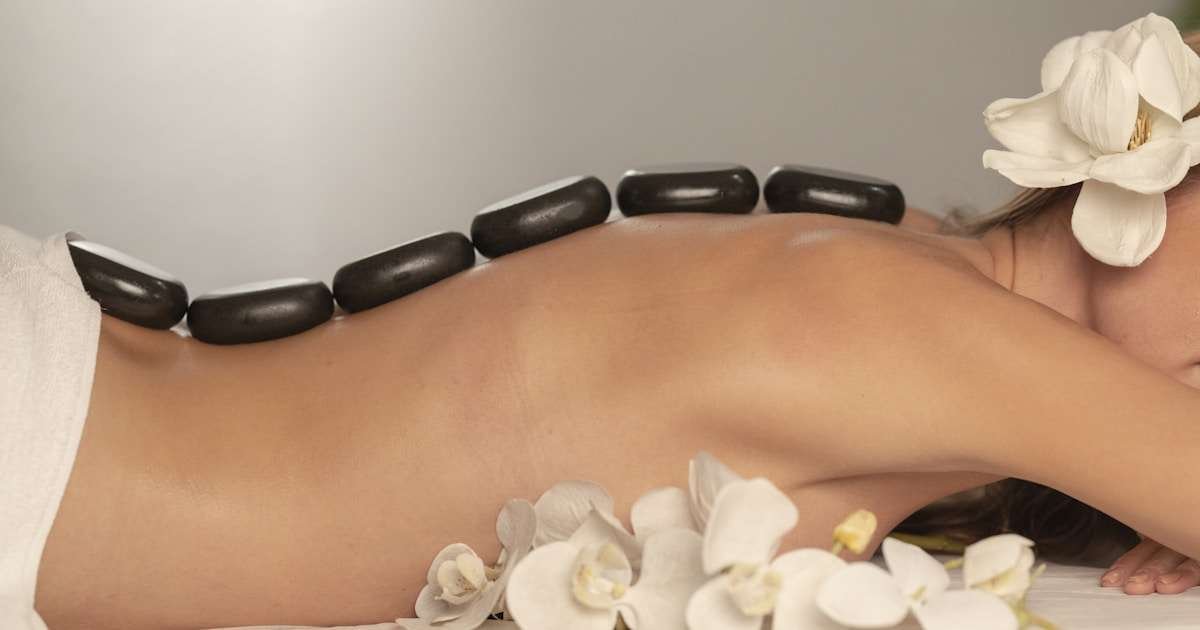
Our therapists are trained in various modalities, including Swedish, deep tissue, aromatherapy, and hot stone. We can customize each session to your preferences and needs. Whether you need a gentle relaxation massage or a targeted therapeutic session, we've got you covered.
We also offer advice on self-care between sessions. For example, we might suggest specific stretches, hydration tips, or ergonomic adjustments to your workspace. Our goal is to help you achieve lasting wellness, not just temporary relief.
Frequently Asked Questions
Is it OK to get a massage every week?
Yes, weekly massages are safe for most people and can be highly beneficial for chronic pain, stress, or athletic recovery. However, listen to your body and consult a professional if you have any health concerns.
How long should a massage last?
For maintenance, 60 minutes is standard. If you have specific problem areas, 90 minutes allows more focused work. Short 30-minute sessions are great for targeted relief.
Can I get a massage too often?
While rare, over-massaging can cause soreness or bruising. It's best to space sessions at least a few days apart unless advised otherwise by a therapist.
What type of massage is best for stress?
Swedish, aromatherapy, and hot stone massages are excellent for stress relief. They promote relaxation and calm the nervous system.
Do I need to book in advance at Raipur SPA?
We recommend booking in advance to secure your preferred time, especially on weekends. You can easily book via WhatsApp or call at +91 7987 303 127.
How much does a massage cost in Raipur?
Prices vary by spa and therapy type. At Raipur SPA, therapies start from ₹999, offering premium quality at affordable rates.
Can massage help with anxiety and depression?
Yes, massage can be a valuable complementary therapy for anxiety and depression. It reduces cortisol and increases serotonin and dopamine, which can improve mood and reduce feelings of anxiety. However, it should not replace professional mental health treatment.
What should I do before and after a massage?
Before: Stay hydrated, avoid heavy meals, and arrive early to relax. After: Drink plenty of water to flush out toxins, avoid strenuous activity, and allow yourself time to rest. A warm bath with Epsom salts can enhance the benefits.
Final Thoughts
There's no magic number for everyone, but consistency beats intensity. Whether you choose weekly, bi-weekly, or monthly, the key is to listen to your body and make massage a regular part of your wellness routine.
Ready to experience the benefits? Visit Raipur SPA in Samta Colony, Raipur, or book your session today. Call or WhatsApp us at +91 7987 303 127. We're open daily from 11:00 AM to 09:00 PM.
Frequently Asked Questions
Can I get a massage every week?
Yes, weekly massages are generally safe for most people. However, it's best to consult a therapist to ensure it suits your health condition and goals.
How long should I wait between massages?
For general relaxation, waiting 2-4 weeks is common. For therapeutic purposes, your therapist may recommend shorter intervals like 1-2 weeks.
Is it okay to get a massage daily?
Daily massage is usually not necessary and may cause soreness. It's typically recommended only for specific medical conditions under professional supervision.
What type of massage is best for frequent sessions?
Swedish or relaxation massages are gentle enough for frequent sessions. Deep tissue or sports massages may require longer recovery between sessions.
How do I know if I need a massage?
Signs include persistent muscle tension, stress, poor sleep, or aches. A therapist can assess your needs and suggest an appropriate frequency.
Does massage frequency depend on age?
Yes, older adults may benefit from gentler, less frequent massages, while younger individuals might tolerate more frequent sessions. Always consult a professional.
Book Your Session
Book Your SessionPeople Also Ask
Related Articles
Massage Therapy
Full Body Massage Benefits: What Happens to Your Body After 60 Minutes of Relaxation
15 min read · 27 Oct 2026
Massage Therapy
Aromatherapy Massage in Raipur: Essential Oils That Calm Your Mind and Body
11 min read · 27 Oct 2026
Massage Therapy
The Science of Pain Relief: How Therapeutic Massage Helps Back, Neck, and Joint Pain
7 min read · 27 Oct 2026
Enjoyed This Article?
Stop reading about relaxation — come experience it firsthand at Raipur SPA.