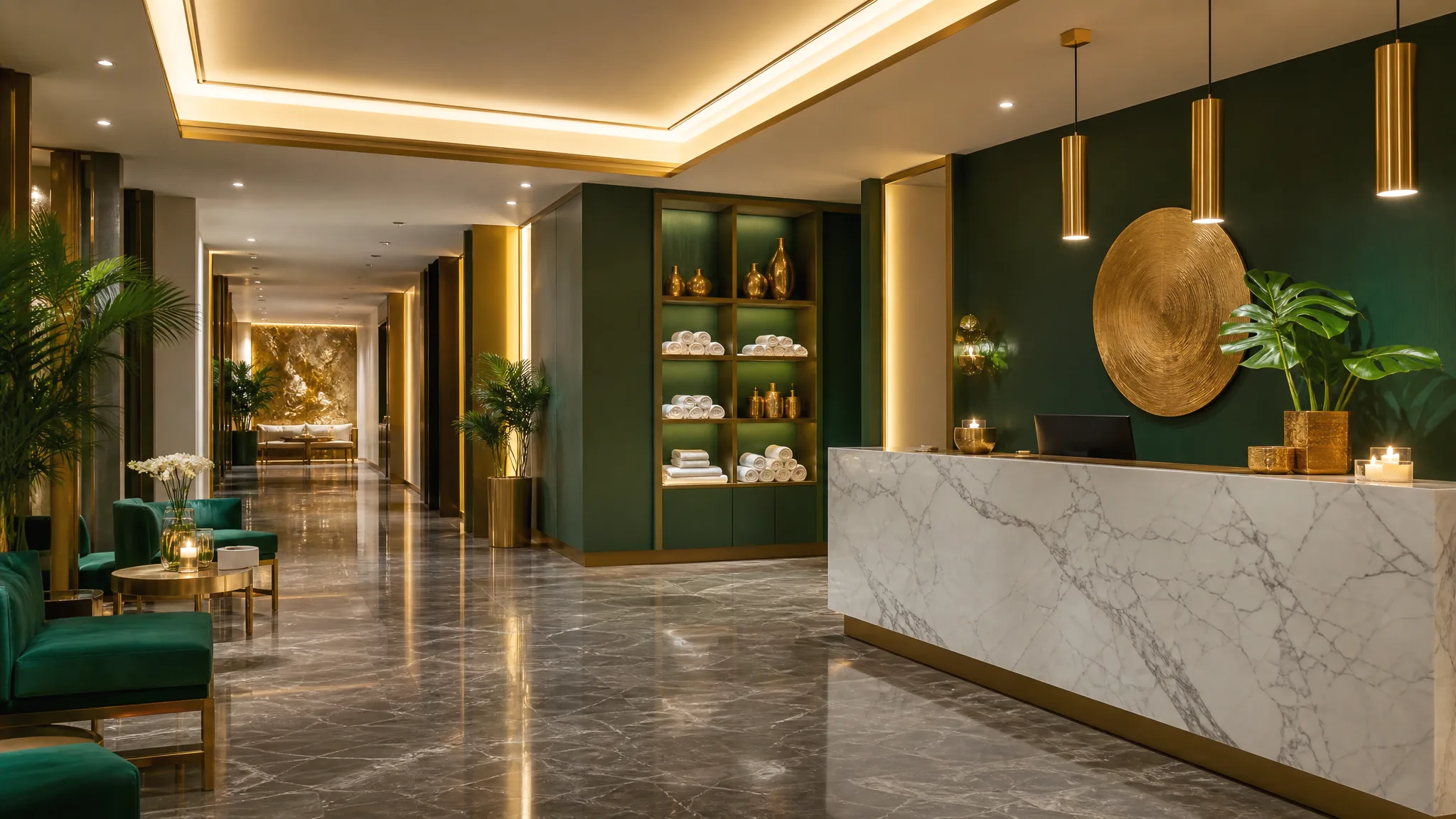
Walking Into a Spa and Feeling Overwhelmed? You Are Not Alone
Standing at the reception counter of a spa, scanning a menu filled with unfamiliar names — Swedish, deep tissue, hot stone, aromatherapy, Balinese, Thai, myofascial release, lymphatic drainage — can feel more like studying for a foreign language exam than deciding how to relax. The sheer variety of massage modalities available today is a testament to how far the wellness industry has evolved, but for the first-time visitor or even the occasional spa-goer, it can be genuinely confusing.
At Raipur SPA in Samta Colony, we encounter this question every single day: "Which massage should I choose?" And the honest answer — the one that respects your unique body, stress levels, health conditions, and personal preferences — is never a one-size-fits-all recommendation. Choosing the right massage is about matching the therapy to your specific needs, not picking the most popular option from a list.
This comprehensive guide will walk you through every major massage category, explain what each one actually does to your body, clarify who benefits most from each approach, and help you make an informed decision that will leave you wondering why you did not try this sooner. Whether you are looking for pure relaxation, chronic pain relief, sports recovery, or something more specialized, by the end of this article, you will know exactly which session to book.
The Three Foundational Questions That Guide Your Choice
1. What Is Your Primary Goal?
Are you looking for pure relaxation — a chance to disconnect from the stress of daily life and emerge feeling mentally refreshed? Or do you have a specific physical complaint — a knot in your shoulder that has been bothering you for months, lower back pain from sitting at a desk, or muscle soreness after a workout? Different massage modalities are designed for different outcomes. Swedish and aromatherapy massage are primarily relaxation-focused. Deep tissue and sports massage are primarily therapeutic and pain-focused. Some modalities like hot stone or Balinese massage sit somewhere in between, offering both relaxation and therapeutic benefits.
2. What Is Your Pain or Stress Threshold?
How sensitive are you to pressure? This is not a matter of toughness — it is a matter of physiology. Some people have a naturally higher density of nerve endings, making them more sensitive to deep pressure. Others have built up substantial muscle tension over years of physical labor or athletic training and genuinely need firmer pressure to feel any benefit. The best massage therapists will adjust their pressure to your comfort level, but understanding your own sensitivity helps you choose a modality that starts closer to your ideal range.
3. Do You Have Any Medical Conditions or Injuries?
Certain conditions — pregnancy, recent surgery, fractures, autoimmune disorders, blood clotting issues, active infections, severe osteoporosis — may require special considerations or contraindicate certain types of massage entirely. Always inform your spa of any medical conditions during booking or at the consultation. A responsible spa will advise you on the safest options for your situation.
The Massage Spectrum: From Deeply Relaxing to Intensely Therapeutic
To make this practical, think of massage modalities as existing on a spectrum. On one end, you have the gentle, flowing, relaxation-focused therapies. On the other, you find the intense, targeted, therapeutic techniques. Most of us need different points on this spectrum at different times in our lives — and sometimes on different days of the same week.
Pure Relaxation Massages
Swedish Massage: This is the most popular and widely practiced form of massage in the world. Using long, flowing strokes — effleurage (gliding), petrissage (kneading), friction, tapotement (rhythmic tapping), and vibration — Swedish massage works the superficial layers of muscle to promote relaxation, improve circulation, and ease muscle tension. Pressure is typically light to moderate. If you have never had a massage before, or if your primary goal is stress relief and mental relaxation, this is where you should start. Swedish massage is the default choice for approximately 70% of first-time spa visitors at Raipur SPA, and it remains a favorite for regular clients who prioritize emotional well-being over physical therapy.
Aromatherapy Massage: Imagine Swedish massage enhanced by the strategic use of therapeutic-grade essential oils. That is aromatherapy massage. Each essential oil is chosen for its specific properties: lavender for deep relaxation, peppermint for invigoration and mental clarity, eucalyptus for respiratory support, rose for emotional warmth. The therapist blends the oils into the massage carrier oil and incorporates their aromas into the therapeutic experience through both inhalation (the scent travels through your olfactory system directly to your brain's emotional centers) and absorption (the oil molecules enter your bloodstream through your skin). This makes aromatherapy massage an excellent choice for clients whose stress has an emotional or mood-related component.
Hot Stone Massage: Smooth, heated basalt stones — typically volcanic rocks that retain heat exceptionally well — are placed at key points on the body and also used as massage tools. The heat penetrates deeply into muscle tissue, allowing the therapist to work more effectively with less mechanical pressure. The combination of heat and massage creates a uniquely soothing experience that many clients describe as being wrapped in warmth from the inside out. Hot stone is particularly beneficial for people who run cold, have poor circulation, or carry tension in chronically tight muscles that resist manual release.
The Middle Ground: Balanced Relaxation and Therapy
Balinese Massage: Originating from the Indonesian island of Bali, this modality combines gentle stretching, acupressure, aromatherapy, and deep tissue techniques in a sequence that flows from head to toe. What distinguishes Balinese massage is its use of palm pressure rather than fingertip pressure — creating a broader, more enveloping sensation — and the incorporation of gentle joint mobilization and passive stretching that many clients find both relaxing and invigorating. The aromatherapy component typically features exotic blends of ylang-ylang, ginger, and clove essential oils. Balinese massage is ideal for clients who want a more interesting experience than Swedish but are not yet ready for the intensity of deep tissue work.
Therapeutic and Pain-Focused Massages
Deep Tissue Massage: This is the therapy most often requested for chronic pain management. Using slow, sustained pressure applied with fingers, thumbs, forearms, and elbows, the therapist works through multiple layers of muscle and fascia to release adhesions — essentially, the "knots" that form in overworked muscle tissue. Deep tissue is not simply "hard Swedish massage"; it is a different technique entirely, requiring specific training in anatomy and the ability to palpate and release individual muscle fibers. The pressure can be intense — therapists describe it as "productive discomfort" — and some soreness for 24 to 48 hours after the session is normal.
Sports Massage: While the name suggests it is only for athletes, sports massage is actually beneficial for anyone who engages in regular physical activity — whether that means running, weight training, yoga, sports, or even physically demanding work. Sports massage techniques include compression, friction, and stretching specifically designed to address the demands of physical activity.
Myofascial Release Therapy: Fascia is the thin, web-like connective tissue that surrounds every muscle, organ, nerve, and bone in your body. When fascia becomes dehydrated, stiff, or stuck together — caused by poor posture, repetitive movements, trauma, or prolonged immobility — it restricts movement and creates pain. Myofascial release involves sustained, gentle pressure held for several minutes at a time, allowing the fascia to elongate and release its grip on surrounding tissues. The technique is paradoxically both gentle and profound — the pressure is light, but the release can be dramatic.
Cupping Therapy: Often combined with massage, cupping involves placing glass, silicone, or plastic cups on the skin and creating a vacuum either through heat (fire cupping) or suction (pump cupping). The negative pressure lifts the skin and underlying tissues, increasing blood flow to the area, stretching tight fascia, and stimulating the immune system. Cupping is particularly effective for releasing deep-seated muscle tension, reducing inflammation, and promoting detoxification.
Lymphatic Drainage Massage: The lymphatic system is your body's internal sanitation network. Unlike your circulatory system, the lymphatic system has no central pump; it relies entirely on muscle contractions, breathing, and manual stimulation to keep fluid moving. Lymphatic drainage massage uses very light, rhythmic, pumping movements — far lighter than any other massage modality — to manually stimulate lymph flow. The pressure is so light that it is often compared to the feel of feathers brushing the skin. Despite its gentleness, the effects are powerful: reduced swelling (edema), improved immune function, clearer skin, and a noticeable reduction in bloating and water retention.
Decision Matrix: Which Massage Is Right for Your Situation?
"I have never had a massage before and just want to relax."
Best: Swedish massage or aromatherapy massage. Start with 60 minutes.
"I sit at a desk 9 hours a day and my shoulders and neck are in constant pain."
Best: Deep tissue massage (75-90 minutes, every two weeks for the first 4-6 sessions). Consider myofascial release if deep tissue feels too intense.
"I just finished a half marathon and my legs feel like cement."
Best: Sports massage within 24-48 hours post-event. Follow with lymphatic drainage 3-5 days later.
"I have been feeling low energy, bloated, and generally sluggish lately."
Best: Lymphatic drainage massage combined with aromatherapy using invigorating oils.
"I have chronic lower back pain that my doctor says is muscular."
Best: Deep tissue massage (90 minutes, focused on lower back, glutes, and hip flexors). Add cupping therapy every other session.
"It is winter and I feel stiff, cold, and my joints ache."
Best: Hot stone massage — the deep heat penetrates stiff joints and tight muscles brilliantly.
"My partner and I want to spend quality time together and relax."
Best: Couples massage with synchronized therapists in a private suite.
"I have been under extreme stress and cannot sleep properly."
Best: Evening aromatherapy massage with lavender and chamomile essential oils.
How Many Sessions Do You Really Need?
General wellness and stress management: One session every three to four weeks is sufficient.
Chronic pain management: Weekly or bi-weekly sessions for the first four to eight weeks, then transitioning to monthly maintenance.
Athletic recovery: One session within 24 to 48 hours after intense events, with maintenance sessions every two to three weeks during active training periods.
Specific treatments like cupping or lymphatic drainage: Often most effective as a series of three to five sessions spaced three to five days apart.
What to Look for in a Spa and Therapist
Choosing the right massage is only half the equation. Choosing the right spa is equally important. Look for qualified, experienced therapists with ongoing training. Prioritize cleanliness and hygiene — sheets changed between every client, tables sanitized, therapists washing hands thoroughly. Good communication — a therapist who asks questions before the session, checks pressure during, and provides aftercare advice. Transparent pricing with no hidden charges. Consistent quality reflected in strong reviews and ratings. Raipur SPA maintains a 4.8-star rating from over 500 genuine reviews — a benchmark that reflects our unwavering commitment to client satisfaction.
Your First Step Toward the Perfect Massage
The right massage can transform not just your evening, but your entire approach to health and well-being. Whether you decide to start with the gentle familiarity of a Swedish massage, the therapeutic intensity of deep tissue, the warmth of hot stones, the cultural richness of Balinese techniques, or the clinical precision of myofascial release, the most important step is the first one — making that booking and showing up for yourself.
At Raipur SPA in Samta Colony, we are open seven days a week from 10 AM to 10 PM, with walk-ins always welcome and advance bookings recommended. Our skilled therapists are ready to guide you through the selection process, listen to your needs, and deliver an experience customized to your unique body. No advance payment required, and your satisfaction is always guaranteed. Your perfect massage is waiting. All you have to do is choose to begin.
People Also Ask
Related Articles
Wellness Guides, Pricing & FAQs
Benefits of Monthly Massage: Why Consistency Matters More Than You Think
5 min read · 05 May 2026
Wellness Guides, Pricing & FAQs
How Massage Improves Blood Circulation: The Science, Benefits and Best Techniques
5 min read · 05 May 2026
Wellness Guides, Pricing & FAQs
Massage for Diabetes Management: How Therapeutic Massage Supports Blood Sugar Control and Wellness
5 min read · 05 May 2026
Enjoyed This Article?
Stop reading about relaxation — come experience it firsthand at Raipur SPA.
