What is lymphatic drainage massage and how does it benefit detoxification and immunity?
Lymphatic drainage massage is a gentle technique that stimulates the lymphatic system to remove waste and toxins. It supports immunity by promoting lymph flow, which helps the body fight infections and reduce swelling. Regular sessions can improve circulation, reduce water retention, and enhance overall well-being. It is a safe, non-invasive therapy offered at Raipur SPA.
Key Takeaways
- • Lymphatic drainage massage uses light, rhythmic strokes to stimulate lymph flow.
- • It aids in the removal of metabolic waste and toxins from the body.
- • Regular sessions can support immune function by enhancing lymph circulation.
- • The massage helps reduce swelling and water retention, especially after surgery or injury.
- • It may improve skin health and reduce the appearance of cellulite.
- • The technique is gentle and suitable for most individuals, but consult a professional if you have medical conditions.
Lymphatic drainage massage is a gentle, rhythmic technique that stimulates the lymphatic system to help your body flush out toxins, reduce swelling, and strengthen immunity. Unlike a deep tissue massage, it uses light pressure and specific movements to encourage lymph fluid to move toward lymph nodes, where it gets filtered. This makes it a favorite among wellness enthusiasts for its detoxifying and immune-boosting effects. But what exactly happens beneath the surface? How does this seemingly simple massage yield such profound benefits? In this comprehensive guide, we'll dive deep into the science, the practical applications, and the transformative potential of lymphatic drainage massage. Whether you're a wellness newbie or a seasoned spa-goer, this article will equip you with all the knowledge you need to make an informed decision about adding this therapy to your self-care routine.
Key Takeaways
- Lymphatic drainage massage boosts detoxification by moving stagnant lymph fluid, which carries away metabolic waste and toxins.
- It enhances immune function by supporting the lymphatic system's role in producing and transporting white blood cells, which are crucial for fighting infections.
- Reduces swelling and puffiness, especially after surgery or injury, by encouraging fluid reabsorption and reducing inflammation.
- Promotes relaxation and can improve sleep quality by activating the parasympathetic nervous system, which lowers stress hormones.
- It's a gentle therapy, suitable for most people, but not for those with certain medical conditions like heart failure, kidney disease, or active infections.
- Regular sessions can also improve skin health, boost post-workout recovery, and support overall vitality.
What Is the Lymphatic System and Why Does It Matter?
Your lymphatic system is like your body's sewage and defense network. It's a web of vessels and nodes that carry lymph fluid—a clear liquid containing white blood cells, waste, and proteins. This fluid helps remove toxins, bacteria, and cellular waste from tissues. When it moves sluggishly, you might feel tired, bloated, or prone to colds. That's where lymphatic drainage massage steps in.
To truly appreciate the benefits, it's essential to understand the lymphatic system's anatomy and function. Unlike the cardiovascular system, which has a pump (the heart) to circulate blood, the lymphatic system relies on natural body movements, muscle contractions, and breathing to move lymph fluid. This makes it inherently sluggish, especially if you lead a sedentary lifestyle. The lymphatic system is composed of a network of vessels, lymph nodes, and organs like the spleen, thymus, and tonsils. It plays a pivotal role in maintaining fluid balance, absorbing fats from the digestive system, and defending the body against pathogens. When lymph flow is compromised, you may experience a buildup of toxins, which can manifest as fatigue, brain fog, skin issues, and a weakened immune response.
Consider this analogy: imagine your body is a city, and the lymphatic system is its waste management and defense force. If the garbage trucks (lymph vessels) stop moving efficiently, waste piles up on the streets (tissues), leading to congestion and potential health issues. Lymphatic drainage massage essentially gives those trucks a gentle push, ensuring the city remains clean and safe.
Moreover, the lymphatic system doesn't have a central pump, so it depends on you. Activities like walking, stretching, and deep breathing all stimulate lymph flow. But for many, especially those with desk jobs or limited mobility, these natural stimulants aren't enough. That's where manual lymphatic drainage comes in—a targeted approach to keep the system humming.
How Does Lymphatic Drainage Massage Work?
A therapist uses light, rhythmic strokes—often with their fingertips or palms—targeting areas where lymph nodes cluster, like the neck, armpits, and groin. The pressure is intentionally gentle, because the lymph vessels sit just under the skin. The movements follow the direction of lymph flow, encouraging it to move toward the nodes for filtration. It's a soothing, almost meditative experience that leaves you feeling lighter and more energized.
The technique was developed in the 1930s by Danish therapists Emil and Estrid Vodder, who discovered that gentle, rhythmic movements could effectively stimulate lymph flow. Since then, it has evolved into a specialized therapy used in medical settings and spas alike. During a session, the therapist may use a combination of techniques, including stationary circles, pumping movements, and sweeping strokes, all designed to stretch the skin and stimulate the superficial lymphatic vessels. The key is to apply just enough pressure to move the fluid without collapsing the vessels—typically about the weight of a nickel (around 20-30 mmHg).
You might wonder how such light pressure can have any effect. The answer lies in the anatomy. The superficial lymph vessels are located just beneath the skin, and they have tiny valves that prevent backflow. By stretching the skin in a specific direction, the therapist creates a pressure gradient that encourages the lymph fluid to move forward. It's a precise, almost scientific approach that requires training and skill. That's why it's essential to seek out a qualified therapist, like those at Raipur SPA, who have undergone specialized training in lymphatic drainage techniques.
The session typically begins with the therapist working on the neck and collarbone area to clear the main pathways, then moves to the abdomen, and finally to the limbs. This sequencing ensures that the fluid has somewhere to go—like clearing a drain before pouring water down it. The entire session is deeply relaxing, often lulling clients into a state of profound calm. Many people report feeling a tingling sensation or a sense of lightness as the fluid moves.
Top 5 Benefits for Detoxification
1. Flushes Out Metabolic Waste
Every cell in your body produces metabolic waste—byproducts of processes like energy production, hormone synthesis, and cellular repair. If the lymph system is sluggish, that waste builds up, contributing to fatigue and brain fog. Regular lymphatic drainage helps keep things moving, so your body can efficiently clear out the junk. This is particularly important in today's world, where we're exposed to environmental toxins, processed foods, and stress—all of which can overburden the lymphatic system.
Imagine your cells as tiny factories. They produce goods (proteins, hormones) but also generate waste (carbon dioxide, urea, lactic acid). If this waste isn't removed promptly, it accumulates and can interfere with cellular function. Lymphatic drainage acts as a thorough cleaning crew, ensuring that waste is collected and transported to the bloodstream for elimination via the kidneys and liver. Over time, this can lead to increased energy, clearer thinking, and a general sense of well-being.
To enhance the detoxifying effects, consider incorporating more movement into your daily routine. Simple practices like rebounding (jumping on a mini-trampoline), dry brushing, and deep breathing exercises can complement your massage sessions. Additionally, staying hydrated is crucial—water helps thin the lymph fluid, making it easier to move. Aim for at least 8-10 glasses of water a day, and consider adding lemon or cucumber for a refreshing twist.
2. Reduces Water Retention and Bloating
Fluid retention can leave you feeling puffy and heavy. By encouraging lymph movement, this massage helps your body reabsorb excess fluid and reduce swelling in your face, legs, and abdomen. Many clients notice an immediate slimming effect. This is because the massage stimulates the reabsorption of interstitial fluid—the fluid that surrounds your cells—back into the lymphatic vessels, which then transport it to the bloodstream for eventual elimination.
Water retention can be caused by a variety of factors, including hormonal fluctuations, high sodium intake, sedentary lifestyle, and certain medications. While lymphatic drainage isn't a cure-all, it can provide significant relief. For example, women often experience bloating during their menstrual cycle, and a session can help alleviate that uncomfortable puffiness. Similarly, travelers who sit for long flights may notice swelling in their legs and feet; a massage upon arrival can help reset the system.
To maximize the de-puffing benefits, try to limit your sodium intake and eat potassium-rich foods like bananas, spinach, and avocados. These help balance fluids in the body. Also, avoid wearing tight clothing that can restrict lymph flow, and consider elevating your legs when resting to encourage drainage.
3. Supports Liver and Kidney Function
Your liver and kidneys are primary detox organs, but they rely on the lymphatic system to deliver toxins to them for processing. When lymph flows well, these organs can work more effectively, lightening your toxic load. The liver is responsible for filtering blood and metabolizing toxins, while the kidneys filter waste from the blood and excrete it in urine. Both depend on a steady supply of lymph fluid to receive these toxins.
Think of the lymphatic system as the courier service that picks up packages (toxins) from the tissues and delivers them to the processing centers (liver and kidneys). If the courier is slow or stuck, the packages pile up, and the processing centers become overwhelmed. By keeping the lymph moving, you ensure that toxins are delivered promptly and efficiently, reducing the burden on your detox organs.
To support your liver and kidneys further, consider incorporating foods like leafy greens, cruciferous vegetables, and citrus fruits into your diet. These are rich in antioxidants and sulfur compounds that enhance detoxification. Also, limit alcohol and processed foods, which can overwork these organs. And don't forget the importance of regular exercise—it stimulates lymph flow and promotes sweating, another pathway for toxin elimination.
4. Improves Skin Health
Clearer skin is a lovely side effect. By reducing fluid retention and promoting blood circulation, lymphatic drainage can help diminish puffiness, dark circles, and even acne flare-ups. Your skin gets more oxygen and nutrients, giving you a healthy glow. The skin is the largest organ and a reflection of internal health. When your lymphatic system is sluggish, toxins can build up and manifest as dullness, breakouts, or under-eye bags.
Lymphatic drainage massage specifically targets the face and neck, which are common areas for fluid retention. Many clients report a visible reduction in puffiness after just one session, making it a popular pre-event treatment. The increased blood flow also delivers more oxygen and nutrients to skin cells, promoting collagen production and elasticity. Over time, this can reduce the appearance of fine lines and wrinkles.
To enhance skin benefits, incorporate a daily skincare routine that includes gentle exfoliation and moisturizing. Use products with ingredients like vitamin C, hyaluronic acid, and retinol, which support skin health. Additionally, protect your skin from sun damage by wearing sunscreen daily. And remember, what you put in your body matters—eat a diet rich in antioxidants, healthy fats, and vitamins to nourish your skin from within.
5. Boosts Post-Workout Recovery
After intense exercise, lymph fluid can pool in muscles, causing soreness. A lymphatic drainage session can speed up recovery by removing lactic acid and reducing inflammation, so you get back to your routine faster. When you work out, your muscles produce metabolic waste, including lactic acid and free radicals. If the lymph system can't clear these quickly, you may experience delayed onset muscle soreness (DOMS), which can last for days.
Lymphatic drainage massage helps by increasing circulation to the muscles, which delivers oxygen and nutrients while removing waste products. This not only reduces soreness but also improves muscle function and flexibility. Many athletes incorporate lymphatic drainage into their recovery routines, alongside other practices like foam rolling and stretching.
To optimize recovery, consider scheduling a massage within 24-48 hours after a strenuous workout. Also, ensure you're eating enough protein to repair muscle tissue, and stay hydrated to support lymph flow. Gentle activities like walking or swimming on rest days can also help keep the lymph moving.
How It Strengthens Immunity
Your lymphatic system is a key player in your immune response. It produces and transports lymphocytes—white blood cells that fight off infections. When lymph flow is sluggish, these immune cells don't circulate as efficiently, leaving you more vulnerable to colds and flu. Lymphatic drainage massage gives your immune system a gentle boost by keeping those cells moving and enabling them to detect and attack pathogens faster. Plus, the relaxation response it triggers lowers cortisol, which further supports immune health.
Let's delve into the science. The lymphatic system is home to various white blood cells, including T-cells and B-cells, which are produced in the bone marrow and mature in the thymus and lymph nodes. These cells constantly patrol the body, looking for foreign invaders like bacteria, viruses, and abnormal cells. When they detect a threat, they mount an immune response, producing antibodies and signaling other immune cells to attack.
For this surveillance system to work effectively, lymphocytes need to circulate throughout the body via the lymphatic vessels. If the flow is sluggish, immune cells may not reach all tissues in a timely manner, leaving vulnerable areas unprotected. Lymphatic drainage massage ensures that these cells are constantly on the move, patrolling and ready to respond. It also helps remove pathogens and cellular debris from tissues, preventing them from accumulating and causing chronic inflammation.
Moreover, stress has a direct impact on immune function. Chronic stress elevates cortisol levels, which can suppress the immune response. Lymphatic drainage massage induces a state of deep relaxation, activating the parasympathetic nervous system—the 'rest and digest' mode. This lowers cortisol and promotes a calm, balanced state that supports immune health. In fact, studies have shown that massage therapy can increase the number of natural killer cells, which are crucial for fighting viral infections and tumors.
To further strengthen your immunity, consider adopting a holistic approach. Eat a nutrient-dense diet rich in fruits, vegetables, lean proteins, and healthy fats. Get adequate sleep (7-9 hours per night) to allow your body to repair and regenerate. Manage stress through practices like meditation, yoga, or deep breathing exercises. And stay active—regular exercise boosts immune function by promoting circulation and reducing inflammation.
Who Should Try Lymphatic Drainage Massage?
This massage is great for anyone who feels run-down, bloated, or wants to support their overall wellness. It's especially beneficial for:
- People with sedentary lifestyles or who sit for long hours.
- Those recovering from surgery or injury (with doctor's approval).
- Individuals with chronic sinus congestion or allergies.
- Anyone experiencing stress or poor sleep.
- Women who experience premenstrual bloating or hormonal swelling.
- Athletes seeking faster recovery and improved performance.
However, it's not suitable if you have heart conditions, kidney disease, or active infections. Always consult your doctor first. Specifically, you should avoid lymphatic drainage massage if you have:
- Congestive heart failure (the body is already struggling with fluid balance).
- Kidney disease or impaired renal function.
- Active infections, especially those causing fever or inflammation.
- Blood clots or a history of deep vein thrombosis.
- Cancer, especially if undergoing treatment—always get clearance from your oncologist.
If you're pregnant, it's generally safe, but only with your doctor's approval and a therapist trained in prenatal massage. Certain pressure points should be avoided, so it's crucial to inform your therapist of your pregnancy.
What to Expect During a Session at Raipur SPA
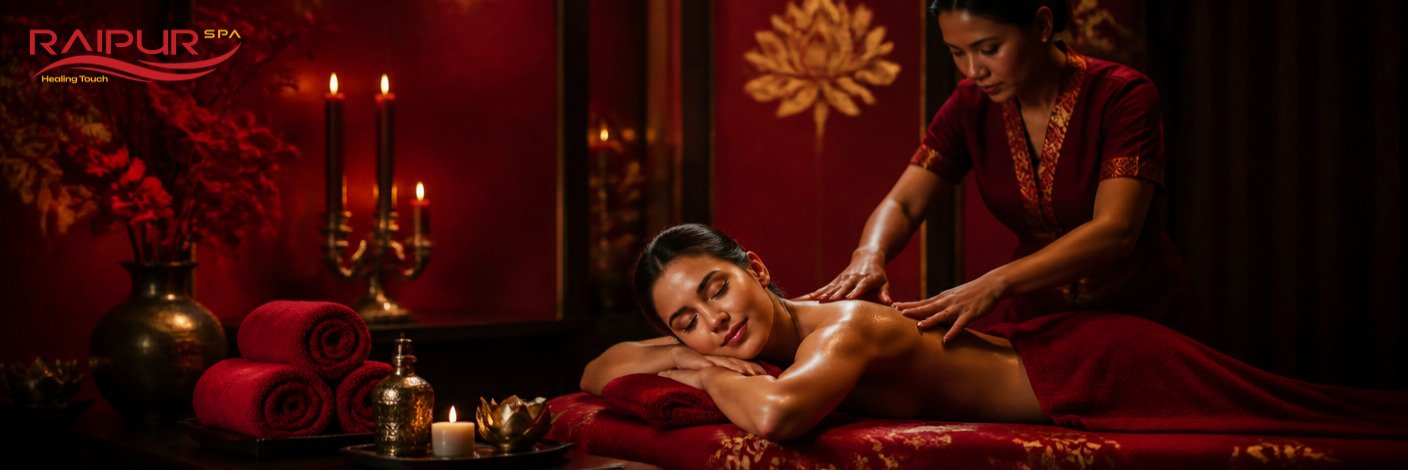
At Raipur SPA in Samta Colony, Raipur, our therapists are trained in lymphatic drainage techniques. You'll lie on a comfortable massage table, fully dressed or in loose clothing, depending on your preference. The session uses light pressure and rhythmic strokes, so you'll feel relaxed, not sore. Many clients drift off to sleep. Our spa is open daily from 11:00 AM to 09:00 PM, and therapies start from ₹999, making it an accessible self-care habit.
When you arrive, you'll be greeted by our friendly staff and asked to fill out a brief health questionnaire. This helps us tailor the session to your specific needs and ensure your safety. Your therapist will then explain the process and answer any questions you might have. You'll have the option to choose a full-body session or focus on specific areas like the face, legs, or abdomen.
The massage itself is performed on a comfortable table, and you can remain fully clothed or wear loose-fitting attire. The therapist will use a light, oil-based lotion to reduce friction and allow smooth strokes. They'll begin by working on your neck and collarbone area to clear the main drainage pathways, then move to your abdomen, and finally to your limbs. The movements are slow, rhythmic, and deeply soothing, often lulling clients into a state of profound relaxation.
After the session, you may feel a bit lightheaded or thirsty—this is normal as your body begins to release toxins. We recommend drinking plenty of water and taking it easy for the rest of the day. You might also notice increased urination as your body flushes out the released waste.
How Often Should You Get Lymphatic Drainage?
For general wellness, once a month is a good starting point. If you're dealing with specific issues like post-surgical swelling or chronic fluid retention, you might benefit from weekly sessions for a few weeks, then taper off. Your therapist can create a personalized plan.
Consistency is key when it comes to lymphatic health. Just as you wouldn't expect to get fit with one workout, you can't expect lasting results from a single massage. The lymphatic system responds best to regular stimulation. For general maintenance, a monthly session can help keep things flowing smoothly. If you're addressing a specific concern, such as lymphedema or post-operative swelling, more frequent sessions may be necessary initially, followed by a maintenance schedule.
Your therapist will assess your progress and adjust the frequency based on your response. It's also important to complement your massage sessions with healthy lifestyle habits, such as staying hydrated, exercising regularly, and eating a balanced diet. These habits support lymphatic function and enhance the benefits of the massage.
Frequently Asked Questions
Is lymphatic drainage massage painful?
No, it's quite gentle. You might feel a slight tickling sensation, but it shouldn't hurt. The pressure is light—about the weight of a nickel—so you can relax throughout. In fact, most people find it deeply relaxing and often fall asleep during the session.
How soon will I see results?
Many people notice reduced puffiness and a feeling of lightness immediately after the session. For longer-term benefits like improved immunity, consistent sessions are key. You may also find that after a few sessions, you feel more energized, have clearer skin, and experience fewer colds.
Can I get lymphatic drainage massage during pregnancy?
Yes, but only with your doctor's approval and a therapist trained in prenatal massage. It can help reduce swelling in the legs and feet, but certain pressure points should be avoided. Always inform your therapist about your pregnancy so they can adapt the technique accordingly.
What's the difference between lymphatic drainage and regular massage?
Regular massage works on muscles and connective tissue, using deeper pressure. Lymphatic drainage focuses on the superficial lymph vessels with light, rhythmic strokes, aiming to move fluid rather than manipulate muscles. While both can be relaxing, lymphatic drainage is specifically designed to stimulate the lymphatic system.
Do I need to do anything after the session?
Drink plenty of water to help your body flush out the released toxins. Avoid alcohol and heavy meals for a few hours. Light movement, like walking, can also help keep the lymph flowing. Also, try to avoid hot tubs or saunas immediately after, as heat can cause vasodilation and potentially overwhelm the lymphatic system.
Can lymphatic drainage massage help with cellulite?
While it's not a cure for cellulite, lymphatic drainage can help reduce the appearance of cellulite by decreasing fluid retention and improving circulation. Cellulite is caused by fat deposits pushing through connective tissue, and while massage can't eliminate fat, it can improve skin tone and texture, making cellulite less noticeable. For best results, combine lymphatic drainage with a healthy diet, exercise, and other treatments like dry brushing.
Is there any downtime?
No, there's no downtime. You can resume your normal activities immediately after the session. In fact, gentle movement is encouraged to keep the lymph flowing. Some people may feel a bit tired or lightheaded, so it's a good idea to take it easy for the rest of the day.
Conclusion
Lymphatic drainage massage is a powerful yet gentle tool for detoxification and immune support. Whether you're looking to reduce bloating, boost your body's defenses, or simply unwind, this therapy offers a host of benefits. At Raipur SPA, we're committed to helping you feel your best. Ready to experience the benefits for yourself? Book your session today via WhatsApp or call +91 7987 303 127. Your body will thank you.
Frequently Asked Questions
How often should I get a lymphatic drainage massage?
The frequency depends on your individual needs and goals. For general wellness, once a week or every two weeks is common. For specific conditions like post-surgery swelling, a therapist may recommend more frequent sessions initially, then taper off.
Is lymphatic drainage massage painful?
No, it is typically very gentle and relaxing. The therapist uses light pressure and slow, rhythmic strokes. You may feel a slight sensation, but it should not be painful. If you experience discomfort, inform your therapist.
Can lymphatic drainage massage help with weight loss?
It can help reduce water retention and improve circulation, which may lead to temporary weight loss. However, it is not a direct weight-loss treatment. It works best when combined with a healthy diet and exercise.
Are there any contraindications for lymphatic drainage massage?
Yes, it should be avoided if you have active infections, blood clots, heart conditions, kidney disease, or if you are pregnant. Always consult with a healthcare provider before starting any new therapy.
What should I do after a lymphatic drainage massage?
Drink plenty of water to help flush out released toxins. Rest and avoid strenuous activity for the rest of the day. Light movement like walking can help maintain lymph flow. Avoid alcohol and caffeine for a few hours.
How does lymphatic drainage massage boost the immune system?
The lymphatic system is a key part of the immune system. By stimulating lymph flow, the massage helps transport white blood cells and remove pathogens and waste, thereby enhancing the body's ability to fight off infections and maintain immune health.
Book Your Session
Book Your SessionPeople Also Ask
Related Articles
Massage Therapy
Massage for Back Pain in Raipur: Ayurvedic and Therapeutic Options
15 min read · 21 Oct 2026
Massage Therapy
Foot Reflexology in Raipur: Why It Works for Full-Body Relaxation
13 min read · 21 Oct 2026

Massage Therapy
Sports Massage in Raipur: Recovery Therapy for Gym-Goers and Athletes
13 min read · 21 Oct 2026
Enjoyed This Article?
Stop reading about relaxation — come experience it firsthand at Raipur SPA.