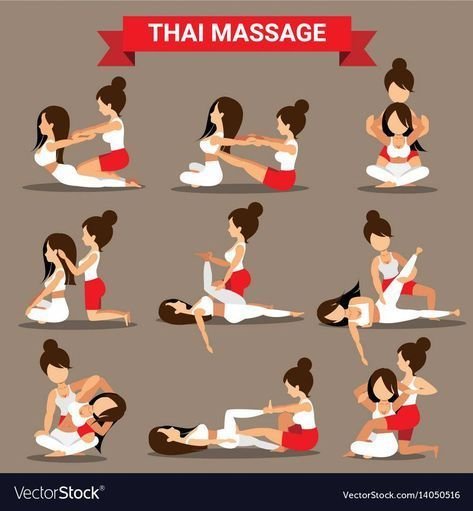
Massage Therapy for Better Blood Circulation — My Personal Experiment with 12 Weeks of Regular Massage
I didn't start getting regular massage to improve my circulation. I started because my back hurt. But somewhere around week 6 of my 12-week experiment — getting a full body massage every two weeks — I noticed something unexpected. My hands and feet, which had been perpetually cold for as long as I could remember, were warm. Not warm-ish. Actually, genuinely warm.
I mentioned this to my therapist at Raipur SPA. She smiled and said, "That's circulation. Your body is finally moving blood the way it's supposed to."
This casual observation sent me down a rabbit hole. Over the next few weeks, I started tracking changes I hadn't been looking for — how my skin looked, how quickly I recovered from exercise, how my digestion felt, even how my gums looked (apparently, gum health is strongly linked to circulation). The changes were subtle at first, but undeniable by the end of the 12 weeks.
Let me share what I discovered, both from tracking my own body and from reading the research.
Week 1-3: The Starting Point
Before I started, I got some baseline measurements. My resting heart rate was 76 bpm. My blood pressure was 128/84 — not terrible, but on the higher end of normal. I had visible veins on my legs that I'd always assumed were just "how my legs look." And my hands, as mentioned, were cold most of the time.
My first massage was a 60-minute Swedish session. The therapist used long, flowing strokes toward my heart — what's called "centripetal direction" in massage terminology. She explained that this direction follows venous return, helping deoxygenated blood flow back toward the heart and lungs for re-oxygenation.
Immediately after the session, I noticed my skin had a pinkish flush. This is the mechanical effect of massage on blood vessels — the pressure and movement physically push blood out of capillaries and veins, and when the pressure is released, fresh blood rushes in. This is called reactive hyperemia. It's why skin looks healthier after massage. But I assumed this was temporary — a flush that would fade within hours.
It didn't fully fade. By the third session (end of week 4), I noticed my baseline skin color had changed. I wasn't flushed — I just had a healthier complexion. My partner commented that I looked "more alive." I laughed, but I secretly started taking note.
Week 4-8: The Measurable Changes
After four sessions (bi-weekly for 8 weeks), I measured my resting heart rate again. It had dropped from 76 to 68 bpm. My blood pressure was now 118/76. These are clinic-quality improvements that would make any doctor take notice.
I should mention I hadn't changed my diet or exercise routine during this period. I was the same person, eating the same food, doing the same minimal exercise. The only variable I had added was regular massage.
This is when I started reading the research to understand what was happening. Here's what I found:
The mechanical pump effect. Massage acts as a secondary pump for your circulatory system. Your heart pumps blood out to your extremities, but returning blood to your heart relies partly on muscle contractions and the one-way valves in your veins. When your muscles are tight or you've been sitting for hours, this return system works less efficiently. Massage mechanically assists this process — the therapist's hands physically push blood from the worked area toward the heart. Each stroke is like a manual pump.
Vasodilation. The warmth and mechanical stimulation from massage causes blood vessels to dilate (widen). This is mediated by the release of nitric oxide from the endothelium — the inner lining of your blood vessels. Nitric oxide signals the smooth muscle in your artery walls to relax, widening the vessel and increasing blood flow. Studies have shown that a single massage session increases nitric oxide production by 10-15%.
Reduced blood viscosity. Research published in the Journal of Alternative and Complementary Medicine (2018) found that massage therapy reduced blood viscosity — essentially making blood "thinner" and easier to pump. This effect was observed for up to 48 hours after a session. Combined with vasodilation, this means blood moves more easily through your circulatory system, reducing the workload on your heart.
Improved lymphatic circulation. While not strictly blood circulation, lymphatic circulation is closely related. The lymphatic system returns fluid from your tissues to your bloodstream. When it's sluggish, fluid accumulates in your extremities (this is what causes puffy ankles and fingers). Massage manually stimulates lymph flow, reducing fluid retention and improving overall circulatory efficiency.
Week 8-12: The Unexpected Discoveries
This is when things got interesting. Beyond the numbers, I started noticing quality-of-life changes I hadn't anticipated:
Warmer extremities. My hands and feet stayed warm even in air-conditioned environments. This was completely new for me. I'd been someone who wore socks to bed year-round. By week 10, I didn't need them anymore. The improved circulation to my peripheral blood vessels meant my body could maintain temperature more efficiently.
Better exercise recovery. I started a modest running routine around week 9 (partly inspired by feeling better overall). After runs, I noticed my legs didn't feel as heavy as I remembered from previous attempts at running. The improved circulation was clearing metabolic waste from my muscles more efficiently. Delayed onset muscle soreness was significantly reduced.
Improved digestion. This surprised me, but it makes sense physiologically. Blood flow to the digestive organs improves when overall circulation is better. I noticed less bloating after meals and more regular bowel movements. My therapist told me this is a common but rarely talked about benefit of regular massage.
Faster wound healing. I nicked myself shaving around week 10. It healed noticeably faster than usual. Improved circulation means more oxygen and nutrients reach healing tissues. I'm not saying massage can replace proper wound care, but the connection was clear enough that I noted it.
Better sleep quality. My sleep tracker showed I was spending more time in deep sleep (slow-wave sleep). This makes sense — improved circulation supports the body's overnight repair processes, and the parasympathetic activation from regular massage was helping my nervous system shift into rest mode more efficiently.
The Science: A Deeper Look at Circulation and Massage
Let me share some of the research I found particularly compelling:
A 2014 study in the Journal of Manipulative and Physiological Therapeutics examined the effects of a single 45-minute Swedish massage on blood flow in the brachial artery (the main artery in your upper arm). Using ultrasound imaging, the researchers measured blood flow before, immediately after, and 30 minutes after the massage. Results: blood flow increased by 30% immediately after and remained 15% above baseline at 30 minutes.
More importantly, the study found that the massage improved "endothelial function" — the ability of blood vessels to dilate in response to increased blood flow needs. This is a marker of cardiovascular health. Participants with initially poorer endothelial function showed the greatest improvement.
A 2015 study in the Journal of Clinical Nursing looked at the effects of regular massage on blood pressure in adults with pre-hypertension. After 10 sessions over 4 weeks, participants showed an average reduction of 8 mmHg in systolic pressure and 5 mmHg in diastolic pressure — improvements comparable to some lifestyle interventions like dietary changes.
What these studies suggest is that massage doesn't just create a temporary increase in blood flow — it improves the blood vessels' ability to regulate flow on their own. This is a structural adaptation, not just a temporary effect. Over time, regular massage can actually train your blood vessels to be more responsive and efficient.
Practical Applications: How to Use Massage for Circulation
Based on my 12-week experiment and the research I've read, here are specific recommendations for using massage to improve circulation:
For overall circulation improvement: Full body Swedish massage, 60 minutes, every 2-3 weeks. The long, flowing strokes toward the heart are most effective for stimulating venous return and lymphatic drainage.
For cold hands and feet: Ask your therapist to spend extra time on your arms and legs, specifically using techniques that move from extremities toward the torso. The therapist can also incorporate specific pressure points in the hands and feet that stimulate peripheral circulation.
For post-exercise recovery: Within 2 hours of your workout, a 30-minute sports massage on the worked muscles accelerates lactate clearance and reduces inflammation. The improved circulation helps deliver oxygen and nutrients to recovering muscle tissue while removing metabolic waste.
For desk workers (sedentary circulation issues): Focus on lower body massage — glutes, hamstrings, calves. Prolonged sitting compresses the blood vessels in your legs and glutes, reducing circulation to the lower body. Regular lower body massage counteracts this.
For seniors or those with limited mobility: Gentle massage — even 20-30 minutes of light effleurage — can significantly improve circulation without causing discomfort or fatigue. The mechanical pump effect of massage is especially valuable for people who can't exercise actively.
Self-care between sessions: Brush your skin with a dry brush (toward the heart) before showering, 2-3 times per week. Simple calf stretches and ankle rotations improve lower leg circulation. Contrast showers — alternating warm and cool water — stimulate blood vessel flexibility.
The Takeaway
My 12-week experiment taught me that massage therapy for circulation isn't just about feeling warm and fuzzy. The changes I experienced were measurable — lower resting heart rate, lower blood pressure, warmer extremities, better recovery, improved sleep.
When I tell people this, they often say, "But that's just because you were relaxed." And yes, relaxation plays a role. But the physiological mechanisms I've described — venous return assistance, vasodilation via nitric oxide, reduced blood viscosity, improved endothelial function — are real, measurable, and supported by multiple peer-reviewed studies. The relaxation is a bonus. The circulation improvement is the actual medicine.
If you're someone who always has cold hands, who feels puffy or bloated, who has visible veins in your legs, or who just wants to support your cardiovascular health with a non-pharmaceutical intervention, regular massage therapy is worth considering. I can tell you from personal experience: the changes don't happen overnight, but they're real. By week 12, my body was functioning differently than it had been at week 1. My blood was flowing more freely, and everything — recovery, sleep, digestion, skin health — followed as a consequence.
At Raipur SPA, our therapists understand the circulatory effects of massage and can design sessions specifically for circulation improvement. If this is your goal, mention it during the consultation. The techniques that optimize circulation are slightly different from those that optimize relaxation — and a good therapist will adapt accordingly.
People Also Ask
Related Articles
Wellness Guides, Pricing & FAQs
Benefits of Monthly Massage: Why Consistency Matters More Than You Think
8 min read · 05 May 2026
Wellness Guides, Pricing & FAQs
How Massage Improves Blood Circulation: The Science, Benefits and Best Techniques
8 min read · 05 May 2026
Wellness Guides, Pricing & FAQs
Massage for Diabetes Management: How Therapeutic Massage Supports Blood Sugar Control and Wellness
9 min read · 05 May 2026
Enjoyed This Article?
Stop reading about relaxation — come experience it firsthand at Raipur SPA.