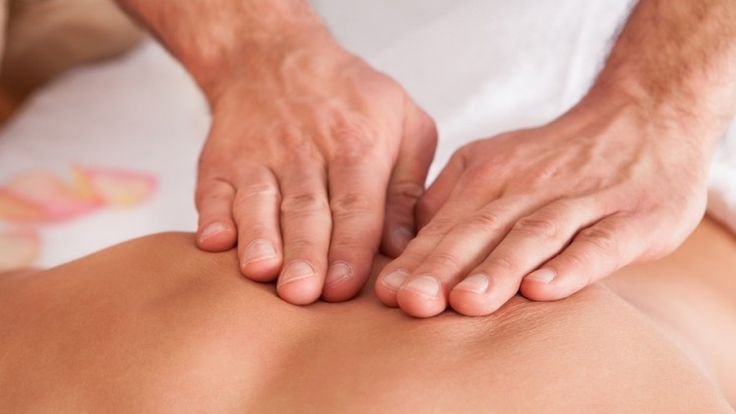
Neck pain is one of the most common physical complaints among Raipur residents across all age groups, and the trend is clearly worsening. The reasons are not mysterious: smartphone use in Raipur has surged, desk work hours are longer, and the physical demands of commuting in city traffic add their own layer of tension. For many people, neck pain has shifted from an occasional problem to a persistent background condition that they have learned to manage rather than resolve. Massage is one of the most evidence-supported interventions for neck pain, but understanding how it works — and when it is and is not appropriate — makes a significant difference in outcomes.
The Anatomy of Neck Pain
The neck (cervical spine) is one of the most mechanically complex regions of the body. Seven cervical vertebrae (C1 through C7) stack to support the weight of the head — approximately 5 to 6 kilograms when held in neutral alignment — while also providing the greatest range of motion of any spinal region. This combination of load-bearing and mobility makes it inherently vulnerable to dysfunction.
The muscles surrounding the cervical spine are layered and interconnected. Understanding which muscles are involved in your neck pain helps explain why targeted massage is more effective than general rubbing.
Trapezius: The trapezius is the large, diamond-shaped muscle covering the upper back and neck. Its upper fibers (the part you notice as the slope between neck and shoulder) are among the most chronically stressed muscles in the human body in the modern era. They are involved in elevating the shoulder, rotating the head, and extending the neck, and they are strongly activated by psychological stress — the classic stress-tension connection. Many headaches that appear to originate in the skull actually begin with tension in the upper trapezius.
Sternocleidomastoid (SCM): The SCM is the prominent muscle that runs from behind the ear to the collarbone and sternum. When you turn your head to look behind you, the SCM on the opposite side contracts to make that happen. When both sides contract together, they flex the neck forward — which is exactly what happens when you look down at a phone or lean toward a screen. Chronic SCM tension often creates a pulling sensation from the collarbone up toward the ear and can produce headache symptoms that are frequently misdiagnosed.
Levator Scapulae: Running from the cervical vertebrae (C1 to C4) to the upper corner of the shoulder blade, the levator scapulae literally "lifts the shoulder blade." In sustained desk posture, it remains in a prolonged contraction, and its chronic tightness is a major contributor to the specific pain pattern of deep aching at the base of the neck where it meets the shoulder. This is the spot most people press with their fingers when their neck hurts and feel immediate but temporary relief.
Suboccipital muscles: These four small muscles (rectus capitis posterior major and minor, obliquus capitis superior and inferior) sit at the base of the skull and are responsible for fine-tuned control of head position. They are extraordinarily sensitive to postural stress. When the head moves forward — as it does in tech neck — the suboccipitals work constantly to try to prevent the face from tipping downward, creating a sustained contraction that can directly refer pain into the base of the skull, the eye region, and across the forehead.
The Main Causes of Neck Pain in Raipur
Tech neck (forward head posture): For every centimeter the head moves forward from its neutral position above the shoulders, the effective load on the cervical spine and supporting muscles increases substantially. A head at 5 centimeters forward lean places several times its normal weight in load on the neck muscles. Most smartphone users spend extended periods in this position. In Raipur's population, where phone use is high and prolonged, tech neck is the single most common contributor to neck pain we see.
Whiplash: Raipur's traffic conditions — including frequent sudden braking and collisions, particularly on the busier ring road and NH 53 sections — mean that whiplash injuries are not uncommon. Whiplash creates a complex combination of muscle strain, ligament sprain, and sometimes joint capsule injury in the cervical spine. Massage can be helpful for the muscular component but should not begin in the acute phase (first week after injury) and should always follow medical clearance.
Postural patterns from work: Whether you work at a desktop computer, a laptop, behind a shop counter, or at a construction site, your work posture shapes your neck over time. Asymmetric postures — looking repeatedly to one side, working with one arm extended — create predictable imbalances between the left and right sides of the neck musculature.
Stress and emotional holding: The connection between psychological stress and physical neck tension is well established and cannot be overstated. The trapezius and SCM respond to stress hormones by increasing their baseline tone — they prepare the body for threat response. In a chronically stressful environment (which describes much of modern professional life in Raipur), this elevated baseline becomes the new normal, and you carry a persistent background tension that only becomes noticeable when it crosses a threshold into actual pain.
How Massage Addresses Each Contributing Muscle
A well-executed neck massage session at Raipur Spa works through each of the key muscle groups with specific technique.
The session begins with broad effleurage strokes across the upper back, shoulders, and neck to warm the tissue and establish contact. As the therapist feels the tissue respond and soften, the work becomes progressively more specific.
For the upper trapezius, sustained compression (holding firm pressure on specific trigger points for 30 to 90 seconds) combined with active movement of the shoulder allows the therapist to release the characteristic knots that develop in this muscle. Cross-fiber friction along the muscle belly improves tissue extensibility.
Work on the SCM requires careful positioning — the client typically lies on their side or supine (face-up) with the head slightly rotated away. The therapist uses precise pincer grip and slow longitudinal stripping along the muscle. Many clients find this work surprisingly tender — the SCM is often significantly more restricted than they realized.
The levator scapulae is accessed with the client in side-lying or prone position, with the shoulder blade stabilized. The therapist works along the muscle from its shoulder blade attachment upward to the cervical spine, using sustained pressure and gradual friction.
Suboccipital work is done with the client supine, head cradled in the therapist's hands. The fingertips apply gentle sustained pressure to the attachment points at the base of the skull. This work requires patience — the suboccipitals release slowly and cannot be forced. When they do release, clients often experience a sensation described as "the back of my head opening up" and a rapid reduction in headache if one was present.
Cervicogenic Headaches — When Your Headache Starts in Your Neck
A cervicogenic headache is a headache caused by referred pain from the cervical spine and its surrounding structures. It is estimated that a significant proportion of chronic headaches — often diagnosed as tension headaches or even migraine — are actually cervicogenic in origin. The diagnostic clue is that the headache is associated with neck stiffness, is worse with certain neck movements, and begins at the base of the skull before spreading forward to the temples or forehead.
Neck massage directly addresses cervicogenic headaches by releasing the structures that are generating the referred pain: the suboccipital muscles, the upper cervical facet joints (indirectly via surrounding muscles), and the trigger points in the upper trapezius and SCM that commonly refer pain into the head. Many clients who arrive with a headache leave without one after a focused neck and head massage session. For people who experience weekly or more frequent headaches of this type, a regular massage schedule produces dramatically better outcomes than managing headaches symptomatically with pain medication.
When to See a Doctor Before Booking Massage
Massage is safe and appropriate for the vast majority of neck pain cases. However, some presentations require medical evaluation first:
Numbness or tingling in the arms: This can indicate nerve root compression in the cervical spine — a disc issue or foraminal stenosis. This is not a contraindication to all massage, but requires medical diagnosis first to ensure the massage approach is appropriate for your specific condition.
Severe headache of sudden onset: A headache described as "the worst headache of my life" or one that came on very suddenly should be evaluated medically before any manual therapy. This presentation can (rarely) indicate a vascular event.
Neck pain following significant trauma: After a car accident, fall, or significant impact, get a medical assessment before massage. Most cases will be cleared for massage relatively quickly, but ruling out fracture or ligament instability first is important.
Fever with neck pain and stiffness: Seek medical attention immediately. This combination can indicate meningitis, which is a medical emergency.
For standard neck tension, postural neck pain, tech neck, and tension headaches without any of the above warning signs, massage is appropriate and you do not need a medical consultation first.
Sessions Needed and Self-Care Between Sessions
For mild to moderate neck tension that has been developing over weeks or months, most clients notice significant improvement within three to four sessions. For chronic neck pain patterns that have been present for years, a longer course is typically needed — six to eight sessions over two to three months — before sustained change is established.
Between sessions, the most effective self-care interventions are:
Chin tucks (cervical retraction): Gently pull your chin straight back (creating a "double chin") and hold for five seconds. Repeat ten times, three times daily. This re-educates the deep neck flexors that are inhibited in forward head posture.
Upper trapezius stretch: Sit upright, hold the bottom of your chair with one hand to anchor the shoulder, then tilt your ear toward the opposite shoulder until you feel a stretch. Hold 30 seconds each side.
Suboccipital release at home: Place two tennis balls in a sock and lie on them so they sit just below the base of your skull. Let gravity create gentle sustained pressure for three to five minutes. This mimics a simplified version of what the therapist does with their hands.
Screen positioning: The top of your screen should be at eye level so your head is in neutral rather than flexed forward. For phone use, bring the phone up to eye level rather than dropping your head to the phone.
Pricing at Raipur Spa
Focused neck and shoulder massage (30 minutes): Rs. 500. Neck, shoulder, and upper back treatment (45 minutes): Rs. 750. Full neck, shoulder, upper back, and head massage (60 minutes): Rs. 900. Course of four sessions (neck-focused): Rs. 3,000 (modest saving from single-session pricing).
If you have been living with neck pain as a background condition, know that it is not inevitable and it is not something you have to just manage. Consistent, skilled massage — combined with the self-care practices above — can genuinely resolve the underlying tension patterns. Book a consultation session at Raipur Spa and let us assess what is happening and develop a treatment plan specific to your situation.
Enjoyed This Article?
Stop reading about relaxation — come experience it firsthand at Raipur SPA.
People Also Ask
Related Articles
Deep Tissue & Pain Relief Massage
Massage for Arthritis Pain Relief: Natural, Effective and Drug-Free Joint Pain Management
5 min read · 05 May 2026

Deep Tissue & Pain Relief Massage
Knee Pain Massage Raipur: Ghutne Ke Dard Se Relief Ka Complete Guide
4 min read · 01 May 2026

Deep Tissue & Pain Relief Massage
Sciatica Pain Massage Therapy Raipur: Kamar Aur Pair Ke Dard Ka Natural Ilaj
4 min read · 01 May 2026
Enjoyed This Article?
Stop reading about relaxation — come experience it firsthand at Raipur SPA.
 Chat on WhatsApp
Chat with us
Chat on WhatsApp
Chat with us