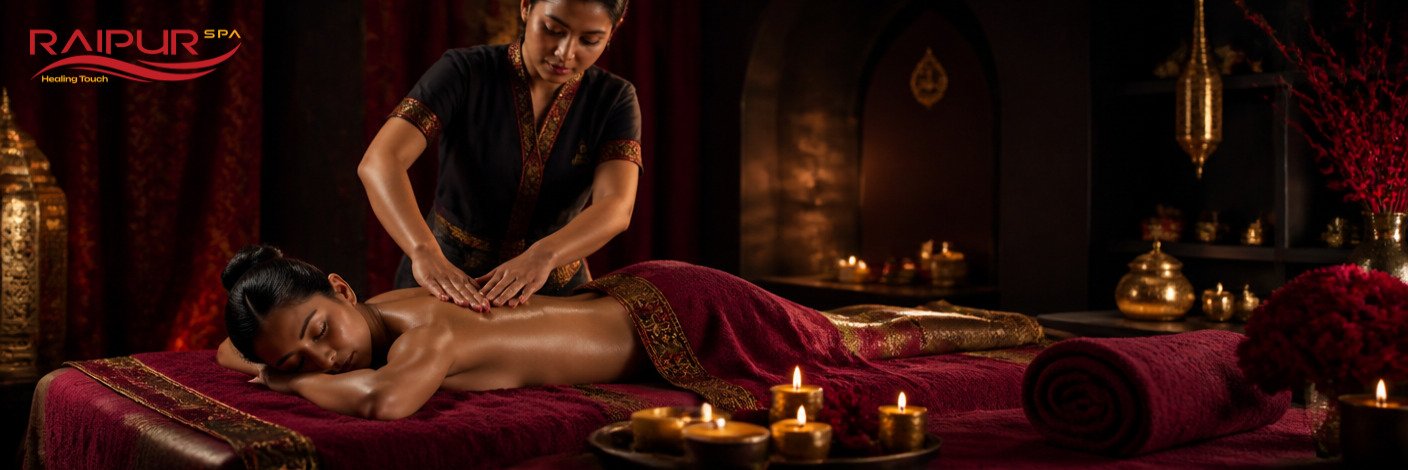
What is the best massage for back and neck pain relief in Raipur?
Deep tissue and therapeutic massages are commonly used for back and neck pain relief in Raipur. These massages target muscle tension, improve blood flow, and may reduce discomfort. Many spas in Raipur offer customized sessions based on individual needs, often combining techniques like trigger point therapy and stretching for effective pain management.
Key Takeaways
- • Deep tissue massage targets deeper muscle layers to relieve chronic back and neck pain.
- • Therapeutic massage in Raipur often includes trigger point therapy and stretching techniques.
- • Regular massage sessions can improve flexibility and reduce muscle tension over time.
- • Many Raipur spas offer customized pain relief massages based on individual needs.
- • Consulting a professional therapist ensures safe and effective treatment for pain relief.
A pain relief massage in Raipur is a targeted therapeutic treatment that eases back and neck pain by releasing muscle knots, improving blood flow, and calming inflamed tissue. At Raipur SPA in Samta Colony, trained therapists combine deep tissue, trigger point, and gentle stretching techniques to relieve stiffness, improve posture, and help you move comfortably again. Sessions start from ₹999 and are available daily from 11:00 AM to 09:00 PM.
Key Takeaways
- Pain relief massage targets the root cause of back and neck pain — tight muscles, knots, and poor circulation — rather than just masking symptoms.
- Common techniques include deep tissue, trigger point therapy, and gentle stretching, chosen based on your specific pain pattern.
- Most people feel noticeable relief after one session, with better results from a short series of 3–4 sessions.
- Sessions at Raipur SPA start from ₹999, open daily 11:00 AM to 09:00 PM in Samta Colony.
- Massage works best alongside good posture, hydration, and regular movement.
- Always share your medical history — some conditions need a doctor's clearance first.
Why Back and Neck Pain Is So Common in Raipur
If your neck aches by evening and your lower back feels stiff when you stand up, you are not alone. Long hours at a desk, hours of phone scrolling with your chin dropped forward, and driving through busy city traffic all push your spine into positions it was never designed to hold for long.
Add the heat and dust of Raipur summers, irregular sleep, and the stress of running a business or household, and your muscles stay tense for weeks. That constant tension restricts blood flow, builds trigger points, and turns a mild ache into pain that follows you all day.
Massage therapy interrupts that cycle. It is not a luxury add-on — it is one of the most practical ways to reset tight muscles before the problem becomes chronic.
The Desk and Phone Trap
Think about your average day. You wake up, check your phone while still in bed, sit through a commute, spend eight to ten hours at a laptop, scroll through social media in the evening, and fall asleep with your neck bent at an odd angle. That is roughly fourteen hours of forward-head posture, and your neck muscles are doing the work of a bowling ball all day.
For every inch your head moves forward, the strain on your neck muscles multiplies. By evening, the muscles at the base of your skull and across your shoulders are exhausted and knotted. This is why so many people in Raipur describe their pain as a band of tightness that starts at the neck and spreads to the shoulders and upper back.
City Life Adds Its Own Load
Raipur's traffic means long stretches of clutch-and-brake driving, which keeps your right hip and lower back contracted. Two-wheeler riders absorb every pothole through their spine. Shopkeepers and factory workers stand for hours on hard floors. Homemakers bend over sinks, stoves, and floors without ergonomic support.
None of these activities are harmful on their own. The problem is repetition without recovery. Muscles that never fully relax become short, weak, and painful — and that is exactly the pattern a pain relief massage is designed to break.
Stress Tightens Everything
Stress and pain are a loop. When you are stressed, your shoulders rise, your jaw clenches, and your breathing becomes shallow. Those habits keep your upper back and neck muscles switched on. The pain then feeds the stress, and the cycle repeats.
Massage lowers this stress response by calming the nervous system, which is why many clients say they feel lighter not just in their muscles but in their mood for days afterward.
What Exactly Is a Pain Relief Massage?
A pain relief massage is a therapeutic bodywork session designed around your specific pain, not a fixed routine. Instead of a general relaxation massage, your therapist first asks where it hurts, how long it has been hurting, and what makes it worse.
From there, they work on the muscles causing the problem — which is often not where you feel the pain. A stiff neck, for example, frequently traces back to tight shoulders and upper back muscles. A sore lower back often involves the hips and glutes.
The goal is simple: release the tension, restore circulation, and return range of motion so your body can heal itself.
How It Differs From a Regular Relaxation Massage
A relaxation massage focuses on calm and comfort across the whole body. A pain relief massage goes deeper and more precisely. Pressure is adjusted to your tolerance, and your therapist spends more time on problem areas instead of spreading attention evenly.
You may feel some tenderness during the session — that is normal and often a sign the therapist has found the right spot. It should never be sharp or unbearable. Speak up if it is, and pressure will be adjusted immediately.
It Is Assessment-Led, Not Menu-Led
Many spas sell a fixed package: sixty minutes of "deep tissue" no matter what your body actually needs. A proper pain relief session starts with questions. Where is the pain? Does it travel down your arm or leg? Is it worse in the morning or after sitting? Have you had an injury, surgery, or a recent fall?
Those answers change the treatment. A client with a stiff neck from screen work might need trigger point release in the upper back and gentle neck stretching. A client with lower back pain from long driving might need glute and hip work plus myofascial release along the spine. Same spa, same hour, completely different session.
Techniques Used for Back and Neck Pain
Different pain patterns need different approaches. At Raipur SPA, therapists usually blend two or three of the following based on your assessment.
Deep Tissue Massage
Slow, firm strokes reach the deeper layers of muscle and connective tissue. This is ideal for long-standing stiffness, desk-related upper back tightness, and lower back pain that has built up over months.
Deep tissue is not about brutal pressure. It is about slow, deliberate strokes that warm the tissue and then work through the layers. Rushing deep work causes the muscle to guard and tighten, which defeats the purpose. Your therapist will build pressure gradually and check in with you as they go.
Trigger Point Therapy
Trigger points are small, tender knots that refer pain to other areas — a knot in your shoulder blade can cause a headache at the base of your skull. Sustained pressure on these points releases the knot and often relieves the referred pain too.
A classic example: you feel pain in your temple or behind your eye, but the actual culprit is a tight band in your upper trapezius or neck. When the therapist presses that knot, you may feel a familiar ache in your head. Hold for thirty to sixty seconds, and the knot softens — often taking the headache with it.
Myofascial Release and Stretching
Gentle, sustained stretches of the fascia — the web of tissue around your muscles — restore glide and flexibility. Assisted stretching at the end of a session helps lock in the gains and improves your posture.
Fascia can become dehydrated and sticky after long periods of inactivity or repeated strain. Myofascial release uses slow, sinking pressure rather than oil-based gliding, allowing the tissue to unwind. Clients often describe it as a deep, satisfying stretch rather than a massage stroke.
Hot Oil and Herbal Compress
Warm oil and herbal compresses relax tight muscles before deeper work begins, making the session more comfortable and effective. This is especially helpful in colder months or for very stiff, guarded muscles.
Heat increases blood flow and makes connective tissue more pliable. If your back feels like a rigid board when you lie down, a warm compress for the first ten minutes can make the rest of the session far more productive — and far more pleasant.
Cupping and Kneading for Circulation
Some therapists add kneading and gentle cupping to lift and separate tight tissue, boosting circulation in areas that have been starved of fresh blood. This is particularly useful for the upper back and between the shoulder blades, where knots tend to cluster.
What Happens During Your Session
Your first visit starts with a short consultation. Tell your therapist where it hurts, what your daily routine looks like, and any injuries or medical conditions. This five-minute conversation shapes the entire treatment.
You will be given privacy to change, and you remain covered with a towel throughout. Only the area being worked on is exposed. Your therapist checks in on pressure regularly — comfort is part of the treatment, not a compromise on results.
A typical session runs 60 minutes, though 90-minute sessions are better if you have pain in both the neck and lower back. Afterwards, you rest briefly with a warm drink before heading home.
Step-by-Step: What to Expect
- Consultation (5–10 minutes): Discuss your pain, daily routine, medical history, and pressure preference.
- Assessment: Your therapist may gently test your range of motion or press specific points to locate the source.
- Warm-up: Light strokes and warm oil prepare the muscles for deeper work.
- Targeted work: Deep tissue, trigger point, or myofascial techniques focused on your problem areas.
- Stretching: Assisted stretches to restore length and mobility.
- Cool-down and rest: Gentle strokes, a warm drink, and a few minutes to relax before you leave.
How to Prepare for the Best Results
Arrive well hydrated, avoid a heavy meal in the hour before your session, and wear comfortable clothing. Tell your therapist if you are on blood thinners, have recent injuries, or are pregnant. Small details like these help your therapist tailor the session safely.
After Your Massage
You may feel mild soreness for a day, similar to after a good workout. Drink plenty of water, avoid intense exercise for the rest of the day, and use a warm compress if needed. Most people feel noticeably looser within a few hours and sleep better that night.
How Many Sessions Will You Need?
Many people feel real relief after a single session — lighter shoulders, easier movement, and better sleep that night. That relief can last anywhere from a few days to a couple of weeks, depending on your daily habits.
For pain that has been present for months, a short series works better. A common plan is one session a week for three to four weeks, then maintenance every two to four weeks. Your therapist will suggest a schedule after assessing you — never a fixed package pushed on everyone.
If your pain is severe, radiating down an arm or leg, or comes with numbness or weakness, see a doctor first. Massage supports recovery, but it does not replace medical diagnosis.
What Affects How Fast You Improve
- How long you have had the pain: Recent tightness usually responds faster than pain that has built up for years.
- Your daily habits: If you return to the same desk posture without breaks, results fade quickly.
- Your activity level: Light movement between sessions keeps muscles supple and extends relief.
- Sleep quality: Poor sleep slows muscle recovery, so improving it helps your results.
When to Consider Maintenance Sessions
Once your pain is under control, a session every two to four weeks keeps tightness from rebuilding. Think of it like servicing a vehicle — small, regular care prevents a major breakdown. Clients with desk jobs or physically demanding work often find this rhythm keeps them pain-free long term.
Benefits Beyond Pain Relief
Clients often report benefits they did not expect. Better sleep is the most common — when your neck and back are not aching, falling asleep becomes easier. Many also notice improved mood, since chronic pain keeps the nervous system on edge.
Regular sessions can improve posture, reduce tension headaches, and lower the stress that causes you to clench and hunch in the first place. For office workers, drivers, and anyone on their feet all day, this combination is genuinely transformative.
Better Sleep and Lower Stress
Pain and poor sleep feed each other. You wake up stiff, your body stays tense all day, and by night your nervous system is too wound up to rest properly. Massage breaks this loop by activating the parasympathetic nervous system — the "rest and digest" mode — which lowers heart rate and relaxes muscles.
Many clients say the night after a session is the best sleep they have had in weeks. Over a series of sessions, that improved rest helps your body recover faster between treatments.
Improved Posture and Movement
When tight chest and neck muscles pull your shoulders forward, your posture collapses. Releasing those muscles and stretching the front of your body allows you to stand taller with less effort. Better posture then reduces the strain on your neck and lower back, creating a positive cycle.
Fewer Tension Headaches
Many headaches that feel like they start at the base of the skull are actually referred pain from tight neck and shoulder muscles. Regular trigger point work on the upper back and neck can significantly reduce how often these headaches occur.
Simple Habits That Keep the Pain Away
Massage works best when your daily routine supports it. A few small changes make a big difference between sessions.
- Raise your screen to eye level so your neck stays neutral.
- Stand and stretch for two minutes every hour.
- Keep your phone at eye level instead of looking down for long stretches.
- Drink water after your massage to help flush out released toxins.
- Use a pillow that supports the natural curve of your neck.
- Stay active — walking and light stretching keep muscles supple.
Set Up Your Workspace Properly
Your chair should support your lower back, your feet should rest flat on the floor, and your elbows should sit at roughly ninety degrees when typing. If you work from a laptop on a sofa or bed, your neck and lower back pay the price. A simple laptop stand and an external keyboard can transform your posture within a day.
Move Every Hour
Set a reminder to stand, roll your shoulders, and walk for two minutes every hour. This simple habit prevents the stiffness that builds during long sitting sessions. Even a short walk to refill your water bottle counts.
Stretch Before Bed
Two or three gentle stretches before sleep — a slow neck tilt, a shoulder roll, and a seated spinal twist — release the day's tension and help you sleep better. Keep them gentle; you are relaxing muscles, not training for a marathon.
Watch Your Phone Angle
Holding your phone at chest level forces your neck forward. Raise it to eye level, or use a stand. Over a year, this single change can prevent a surprising amount of neck pain.
Hydrate and Sleep Well
Muscles need water and quality sleep to recover. Aim for consistent sleep timings, keep your room cool and dark, and drink water through the day — not just after your massage.
Who Should Be Careful With Pain Relief Massage
Massage is generally safe for most healthy adults, but some conditions need caution or a doctor's clearance first.
- Pregnancy: Some techniques are safe with a trained therapist, but always get medical clearance and inform your therapist.
- Recent injuries or surgery: Avoid deep work on healing tissue until your doctor approves.
- Skin infections, rashes, or fever: Postpone your session until you are well.
- Blood clotting disorders or blood thinners: Deep pressure may not be suitable; consult your doctor.
- Spine conditions like slipped disc: Massage can help surrounding muscles, but only with medical guidance.
- Cancer, uncontrolled blood pressure, or heart conditions: Speak to your doctor before booking.
Being upfront about your health is not a hurdle — it is how a good therapist keeps you safe while still delivering real relief.
Why Choose Raipur SPA for Pain Relief
Raipur SPA is a premium wellness studio in Samta Colony, Raipur, built around trained therapists, hygienic private rooms, and treatments tailored to your body rather than a one-size-fits-all menu. Every session begins with an assessment, and pressure is always adjusted to your comfort.
With therapies starting from ₹999 and appointments available daily from 11:00 AM to 09:00 PM, fitting relief into your schedule is easy — whether you visit after work or on a weekend.
What Sets Raipur SPA Apart
- Trained therapists: Skilled hands that understand muscle anatomy, not just massage strokes.
- Personalised sessions: Your treatment is built around your pain pattern, not a fixed script.
- Clean, private rooms: Hygiene and privacy are non-negotiable.
- Flexible timings: Open daily from 11:00 AM to 09:00 PM, including weekends.
- Transparent pricing: Therapies start from ₹999 with no hidden charges.
- Easy booking: Call or WhatsApp +91 7987 303 127 to reserve your slot.
Frequently Asked Questions
What is a pain relief massage in Raipur?
It is a therapeutic massage focused on relieving back, neck, and shoulder pain by releasing muscle knots, improving circulation, and restoring movement. At Raipur SPA, therapists blend deep tissue, trigger point, and stretching techniques based on your specific pain.
How long does a pain relief massage take?
Most sessions run 60 minutes, though 90-minute options are available if you have pain in multiple areas. Your first visit also includes a short consultation, so plan for a little extra time.
Is a pain relief massage painful?
You may feel firm pressure and some tenderness on tight spots, which is normal. It should never be sharp or unbearable — tell your therapist if it is, and pressure will be adjusted right away.
How many sessions do I need for back and neck pain?
Many people feel relief after one session. For long-standing pain, a series of three to four weekly sessions followed by maintenance every two to four weeks usually gives the best results.
How much does a pain relief massage cost in Raipur?
At Raipur SPA, therapies start from ₹999, with pricing depending on session length and the techniques used. Call or WhatsApp +91 7987 303 127 for current rates and availability.
When should I avoid a pain relief massage?
Avoid massage during fever, skin infections, or recent injuries, and get medical clearance if you are pregnant or have a spine condition. Always share your medical history with your therapist before the session.
Can a pain relief massage help with headaches?
Yes. Many tension headaches start from tight muscles in the neck, shoulders, and upper back. Trigger point therapy and deep tissue work in these areas often reduce both the frequency and intensity of headaches.
Do I need to book an appointment in advance?
Walk-ins are welcome when slots are free, but booking ahead is recommended — especially on weekends and evenings. Call or WhatsApp +91 7987 303 127 to confirm your preferred time.
What should I do after my massage?
Drink water, avoid heavy exercise for the rest of the day, and use a warm compress if you feel mild soreness. Gentle movement like walking helps extend the benefits.
Final Thoughts
Back and neck pain rarely disappears on its own — it usually gets worse when ignored. A targeted pain relief massage gives your muscles the reset they need, and small daily habits keep the results in place.
If you are ready to move without wincing, book your session at Raipur SPA in Samta Colony. Call or WhatsApp +91 7987 303 127 to reserve your slot — open daily from 11:00 AM to 09:00 PM.
Frequently Asked Questions
How does a pain relief massage work for back and neck pain?
Pain relief massage works by applying pressure to specific muscle groups to release tension and improve circulation. This can help reduce pain and stiffness in the back and neck. Therapists may use techniques like deep tissue, trigger point, or Swedish massage.
How long does a pain relief massage session last?
A typical pain relief massage session lasts between 60 to 90 minutes, depending on the severity of pain and the areas treated. Some spas offer shorter focused sessions of 30 minutes. It's best to consult the spa for exact durations.
Is a pain relief massage safe for everyone?
Massage is generally safe for most people, but those with certain medical conditions should consult a doctor first. Pregnant women, individuals with skin infections, or recent injuries may need to avoid or modify massage. Always inform your therapist about any health issues.
How often should I get a massage for chronic back pain?
For chronic back pain, a frequency of once a week or once every two weeks is often recommended initially. As pain improves, sessions can be spaced out. Your therapist can suggest a schedule based on your condition.
What should I expect after a pain relief massage?
After a pain relief massage, you may feel relaxed and experience reduced pain. Some people feel mild soreness for a day, similar to after exercise. Drinking water and resting can help maximize benefits.
Can I get a pain relief massage if I have a desk job?
Yes, pain relief massage is beneficial for desk job-related back and neck pain. It helps counteract poor posture and muscle imbalances. Combining massage with regular stretching and ergonomic adjustments can further alleviate pain.
Book Your Session
Book Your SessionPeople Also Ask
Related Articles
Massage Therapy
The Benefits of Ayurvedic Abhyanga Massage in Raipur
15 min read · 08 Oct 2026
Massage Therapy
Best Massage in Raipur: 10 Reasons Our Premium Spa Tops the List
15 min read · 08 Oct 2026
Massage Therapy
Thai Massage in Raipur: What to Expect at a Premium Wellness Studio
15 min read · 06 Oct 2026
Enjoyed This Article?
Stop reading about relaxation — come experience it firsthand at Raipur SPA.