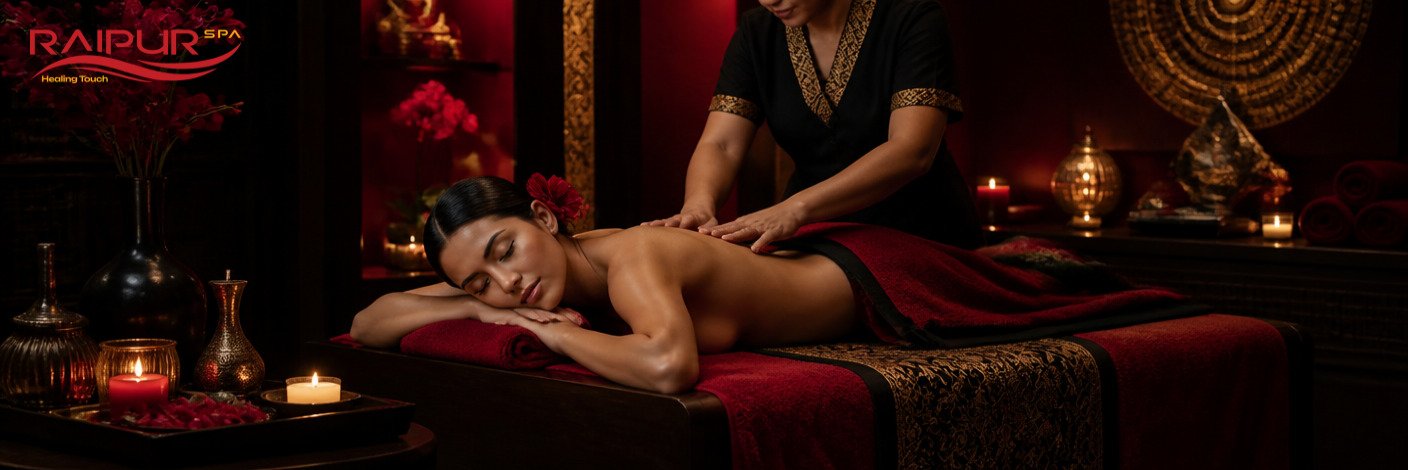
What is the best massage for sciatica and back pain in Raipur?
For sciatica and back pain in Raipur, deep tissue and trigger point massages are commonly used. These techniques target muscle tension and knots that may contribute to nerve compression. A licensed therapist can tailor pressure and focus on the lower back, glutes, and hips. Always consult a healthcare provider before starting massage for pain relief.
Key Takeaways
- • Deep tissue massage focuses on deeper muscle layers to release chronic tension.
- • Trigger point therapy targets specific knots that refer pain to other areas.
- • Sciatica pain often benefits from massage on the lower back, glutes, and hamstrings.
- • Joint care massage may include gentle stretching and mobilization techniques.
- • Always choose a certified therapist experienced in pain relief massage.
- • Massage is complementary and not a substitute for medical diagnosis or treatment.
Pain relief massage in Raipur is a targeted therapeutic approach that combines deep tissue, trigger point, and Ayurvedic techniques to ease sciatica, chronic back pain, and joint stiffness. At Raipur SPA in Samta Colony, certified therapists customize each session to your condition, helping reduce inflammation, improve mobility, and restore daily comfort. Whether you are a software professional in Shankar Nagar who sits for ten hours a day, a shopkeeper in Civil Lines who stands behind a counter from morning to night, or a retired teacher in Devendra Nagar dealing with knee arthritis, the right hands-on therapy can change how you move, sleep, and feel.
Key Takeaways
- Pain relief massage targets the root causes of sciatica, back pain, and joint discomfort—not just symptoms.
- Techniques include deep tissue, myofascial release, trigger point therapy, and gentle Ayurvedic strokes.
- Sessions start from ₹999 and are available daily from 11:00 AM to 09:00 PM at Raipur SPA.
- Most clients feel significant relief after 2–3 sessions; chronic conditions may need a tailored plan of 6–8 sessions.
- Always consult your doctor before massage if you have a diagnosed medical condition or recent injury.
- Book via WhatsApp or call +91 7987 303 127 for a personalized consultation.
Why Pain Relief Massage Matters in Raipur
Raipur's growing workforce spends long hours sitting—at desks, in traffic, or on factory floors. That sedentary lifestyle, combined with Chhattisgarh's humid summers and cooler winters, often worsens musculoskeletal pain. Many people ignore early signs until simple tasks like bending, climbing stairs, or sleeping become painful.
Consider the typical day of a mid-level manager in Raipur: a 45-minute commute on a two-wheeler over uneven roads, eight to nine hours in front of a screen with poor chair support, an evening of household chores, and then a few hours of scrolling on the phone before bed. That routine quietly tightens the hip flexors, weakens the glutes, rounds the shoulders, and compresses the lower back. By the time the pain becomes sharp or constant, the body has already been compensating for months.
Add to this the local context. Chhattisgarh has a high prevalence of manual labour—construction, transport, agriculture, and small-scale manufacturing. Lifting, bending, and repetitive loading are part of daily life for many. The result is a population that experiences both the "desk worker" and the "physical worker" patterns of pain, sometimes in the same person.
Pain relief massage in Raipur bridges the gap between temporary fixes and invasive treatments. It's a hands-on, non-pharmacological way to manage pain, reduce reliance on painkillers, and improve overall well-being. Unlike a painkiller that masks the signal for a few hours, massage works on the soft tissues that are actually generating or referring the pain. It improves circulation, releases restrictions, and calms the nervous system so the body can begin to heal.
It is also practical. You don't need a referral, a scan, or a hospital visit to start. You can walk into a professional centre after work, spend 60 minutes on the table, and walk out with noticeably easier movement. For many people in Raipur, that accessibility is what makes massage the first realistic step toward lasting relief.
Understanding Sciatica and How Massage Helps
Sciatica isn't a condition—it's a symptom. The sciatic nerve, the body's longest nerve, runs from the lower back through the hips and down each leg. When it's compressed or irritated, you feel sharp, shooting pain, numbness, or tingling. The pain often travels in a distinct line: from the buttock, down the back of the thigh, into the calf, and sometimes into the foot. Some people describe it as an electric shock; others feel a deep ache or a burning sensation that never quite goes away.
Common causes include herniated discs, spinal stenosis, piriformis syndrome, and prolonged sitting. In Raipur, we also see sciatica triggered by long motorcycle rides, heavy lifting without warm-up, and sudden twisting movements during household work. The underlying mechanism is usually the same: something is pressing on or irritating the nerve, and the surrounding muscles tighten protectively, which creates even more compression.
Massage therapy addresses the muscular components: tight glutes, hamstrings, and lower back muscles that entrap the nerve. It doesn't "fix" a herniated disc, but it can dramatically reduce the muscular guarding and inflammation that make the disc problem feel worse. In many cases, releasing the piriformis and gluteal muscles alone can reduce sciatic symptoms by a surprising amount.
Techniques Used for Sciatica Relief
- Deep tissue massage: Releases chronic tension in the lower back and glutes using slow, sustained pressure and friction.
- Trigger point therapy: Deactivates knots that refer pain along the sciatic path, especially in the gluteus medius and minimus.
- Myofascial release: Loosens fascial restrictions that pull on the spine and restrict hip movement.
- Stretching and mobilization: Gentle movements to restore range of motion in the hips and lower back.
- Heat application: A warm pack before deep work helps relax superficial muscles so the therapist can reach deeper layers comfortably.
At Raipur SPA, therapists assess your posture and pain pattern before starting. Sessions are adjusted to your comfort—never forcing painful stretches. If you feel a sharp, electric sensation during any technique, you tell the therapist immediately, and the approach is modified. The goal is relief, not endurance.
A Realistic Sciatica Relief Timeline
Most clients with acute sciatica notice a reduction in pain within 24 to 48 hours after the first session. The pain may not disappear entirely, but it often becomes less sharp and less frequent. By the second or third session, many people can sit for longer periods, sleep more comfortably, and walk without limping.
For chronic sciatica that has lasted more than three months, expect a slower curve. The nervous system has become sensitized, and the muscles have adapted to a protective pattern. In these cases, we usually recommend a plan of 6–8 sessions over several weeks, combined with daily home stretches and posture corrections. Progress is measured not just by pain scores but by function: Can you tie your shoelaces? Can you sit through a movie? Can you drive to Durg without stopping?
Back Pain: More Than Just a Sore Spot
Back pain is the leading cause of disability worldwide. In Raipur, we see two main types: acute (from lifting or sudden movement) and chronic (from poor posture, stress, or degenerative conditions). Acute pain often has a clear trigger—a heavy suitcase, a fall, a sudden twist while lifting a water can. Chronic pain is more diffuse, often described as a constant ache, stiffness in the morning, or a feeling that the back "gives out" unexpectedly.
Massage helps by increasing blood flow, reducing muscle spasms, and promoting relaxation. It also lowers cortisol, the stress hormone that amplifies pain perception. This is important because back pain and stress are deeply linked. When you are anxious about your back, you tense your back; when you tense your back, it hurts more; when it hurts more, you become more anxious. Massage interrupts that cycle.
There is also a mechanical benefit. Tight hip flexors and weak glutes are common in people who sit for long hours. This combination tilts the pelvis forward and increases the load on the lumbar spine. By releasing the hip flexors and calming the lower back muscles, massage helps restore a more neutral pelvic position, which reduces strain over time.
What to Expect in a Back Pain Massage Session
Your therapist will use a combination of kneading, friction, and compression techniques. For acute pain, gentle Swedish strokes may be used first to calm the nervous system and reduce guarding. For chronic pain, deeper work on the erector spinae, latissimus dorsi, and quadratus lumborum is common. The therapist may also work on the glutes and hamstrings, because these muscles often contribute to lower back tension.
A typical session lasts 60 minutes. The first 10 minutes are usually spent on assessment and gentle warming. The middle 35–40 minutes focus on the primary areas of tension. The final 10 minutes are for integration—lighter strokes, stretching, and relaxation. Many clients report better sleep and easier movement after just one session. For lasting results, we recommend a series of 4–6 sessions spaced a week apart.
Self-Care Between Sessions
- Apply a warm pack to the lower back for 15 minutes in the evening.
- Avoid prolonged sitting; stand up and walk every 45 minutes.
- Practice gentle cat-cow stretches and knee-to-chest movements.
- Sleep on a medium-firm mattress with a pillow under the knees if you sleep on your back.
- Stay hydrated; dehydrated muscles are more prone to cramping and tension.
Joint Care: Knees, Shoulders, and Hips
Joint pain—whether from arthritis, old injuries, or repetitive strain—can make even simple movements difficult. Massage therapy for joints focuses on improving circulation, reducing swelling, and maintaining flexibility. It is not a replacement for orthopedic care, but it is a valuable complement that can reduce stiffness and improve daily function.
In Raipur, we commonly see knee pain in people who climb stairs frequently, shoulder pain in those who carry heavy bags or work overhead, and hip pain in older adults with early osteoarthritis. Each joint has its own pattern, and the massage approach is adjusted accordingly.
Techniques include gentle joint mobilization, soft tissue release around the joint capsule, and lymphatic drainage to reduce edema. For arthritis, we avoid deep pressure directly on inflamed joints and instead work on surrounding muscles. For example, in knee osteoarthritis, releasing the quadriceps, hamstrings, and calf muscles can reduce the compressive force on the knee joint and make walking noticeably easier.
Conditions We Commonly Address
- Osteoarthritis of the knees and hips
- Frozen shoulder and rotator cuff strain
- Tennis elbow and golfer's elbow
- Post-fracture stiffness (after medical clearance)
- Carpal tunnel syndrome and wrist strain from typing
- Plantar fasciitis and heel pain
For each condition, the therapist will ask about your range of motion, pain triggers, and daily activities. The massage is then tailored to support those specific movements. If you cannot lift your arm above shoulder height, the session will focus on the muscles that are restricting that movement—not on forcing the arm up.
Joint Care at Home: Small Habits, Big Difference
- Warm up before any repetitive activity, even household chores.
- Use a stool or cushion if you need to kneel for gardening or cleaning.
- Alternate between hot and cold packs for swollen joints—heat for stiffness, cold for acute swelling.
- Keep joints moving gently; complete rest can worsen stiffness.
- Maintain a healthy weight to reduce load on knees and hips.
How Pain Relief Massage Works: The Science
Massage isn't just feel-good—it triggers measurable physiological changes. It increases blood flow, delivering oxygen and nutrients to damaged tissues. It stimulates the parasympathetic nervous system, reducing stress and muscle tension. It also releases endorphins, the body's natural painkillers.
Studies show that regular massage can reduce chronic low back pain by up to 50% and improve function in people with osteoarthritis. Research also suggests that massage can reduce levels of cortisol and increase serotonin and dopamine, which helps explain the mood lift that many clients report after a session. While not a cure, it's a powerful complementary therapy that works alongside medical care, physiotherapy, and lifestyle changes.
There is also a mechanical explanation. When muscles are tight, they compress blood vessels and nerves. Massage stretches and separates muscle fibers, which restores circulation and reduces compression. This is why you often feel a sense of "release" during a session—it is not just relaxation; it is a real change in tissue tension.
Massage vs. Painkillers: A Balanced View
Painkillers are effective for acute pain and have an important role in medical care. But for chronic musculoskeletal pain, they come with limitations: tolerance, side effects, and the fact that they do not address the underlying tissue problem. Massage does not replace medication, but it can reduce how often you need it. Many clients tell us they are able to cut back on daily painkillers after a few sessions, always under their doctor's guidance.
What Makes Raipur SPA Different?
At Raipur SPA, we don't offer cookie-cutter massages. Every session begins with a consultation to understand your pain history, lifestyle, and goals. Our therapists are trained in both Western and Ayurvedic techniques, allowing us to blend the best of both worlds. This means you might receive deep tissue work on your lower back followed by a warm herbal oil massage that calms the nervous system—a combination that is both effective and deeply relaxing.
We use premium oils—like sesame, coconut, and Mahanarayan oil—known for their anti-inflammatory properties. Mahanarayan oil, in particular, is a classical Ayurvedic preparation used for joint and muscle pain. It contains herbs such as Ashwagandha, Bala, and Shatavari, which are traditionally used to nourish tissues and reduce stiffness. Our rooms are designed for deep relaxation, with soft lighting and calming music. And we maintain strict hygiene protocols, so you can focus entirely on healing.
Located in Samta Colony, Raipur, we're easily accessible from major neighborhoods like Shankar Nagar, Civil Lines, and Devendra Nagar. If you are coming from farther away, we recommend booking ahead so we can reserve a quiet room and a therapist who specializes in your condition.
Our Approach to Personalized Care
- Detailed intake: We ask about your pain, medical history, medications, and daily routine.
- Posture and movement assessment: We observe how you stand, sit, and move to identify contributing patterns.
- Customized technique mix: Deep tissue, trigger point, myofascial, Swedish, and Ayurvedic strokes are combined as needed.
- Pressure calibration: We check in during the session to ensure the pressure is effective but never unbearable.
- Home care plan: You leave with specific stretches, heat/cold advice, and ergonomic tips.
Who Should Consider Pain Relief Massage?
You might benefit if you:
- Have chronic lower back pain or sciatica
- Experience stiffness in knees, shoulders, or hips
- Recover from a sports injury or surgery (with doctor's approval)
- Spend long hours sitting or standing
- Feel stressed and notice tension in your body
- Have recurring headaches or neck pain from screen use
- Want to reduce reliance on daily painkillers
However, massage is not suitable for everyone. Avoid it if you have fever, skin infections, blood clots, or uncontrolled hypertension. Pregnant women should consult their doctor first. If you have cancer, recent fractures, or a bleeding disorder, you need medical clearance before any massage. When in doubt, ask your doctor and inform your therapist.
Tips to Maximize Your Session
- Arrive 10 minutes early to relax and fill out your health form.
- Communicate your pain level and pressure preferences openly.
- Stay hydrated before and after.
- Apply heat or ice as recommended by your therapist.
- Do gentle stretches at home between sessions.
- Avoid heavy meals right before your appointment.
- Wear comfortable clothing that allows easy access to the treatment area.
- Keep a simple pain diary to track what improves and what triggers discomfort.
Choosing the Right Therapist in Raipur
Not all massage therapists are trained to handle pain conditions. When you are looking for pain relief massage in Raipur, ask about qualifications, experience with your specific condition, and whether the therapist uses a consultation-based approach. A good therapist will ask questions, explain what they are doing, and adjust pressure based on your feedback. They will also know when to refer you to a doctor or physiotherapist.
At Raipur SPA, our therapists undergo regular training in anatomy, contraindications, and hands-on techniques. We also keep detailed notes on your progress so that each session builds on the last. If you have a complex condition, we are happy to coordinate with your doctor or physiotherapist to ensure your care is aligned.
Frequently Asked Questions
What is pain relief massage in Raipur?
It's a therapeutic massage designed to alleviate sciatica, back pain, and joint discomfort using techniques like deep tissue, trigger point therapy, and Ayurvedic strokes. Raipur SPA offers customized sessions starting at ₹999.
How many sessions will I need for sciatica relief?
Most people feel improvement after 2–3 sessions. For chronic sciatica, a plan of 6–8 sessions over several weeks is often recommended, combined with home stretches.
Is pain relief massage safe for arthritis?
Yes, when performed by a trained therapist. We avoid deep pressure on inflamed joints and focus on surrounding muscles to improve circulation and reduce stiffness.
Can I get a massage if I have a herniated disc?
Only with your doctor's clearance. Massage can help muscular tension, but certain techniques may be contraindicated. Always inform your therapist about your condition.
What are your timings and location?
Raipur SPA is open daily from 11:00 AM to 09:00 PM in Samta Colony, Raipur. You can book via WhatsApp or call +91 7987 303 127.
Do you offer home visits for pain relief massage?
Currently, all sessions are at our Samta Colony center. This ensures a controlled, hygienic environment with professional equipment.
How do I know if my pain is muscular or something more serious?
Muscular pain usually changes with movement, pressure, and rest. If you have constant pain, numbness in the groin area, loss of bladder or bowel control, unexplained weight loss, or pain that wakes you at night, see a doctor immediately. Massage is for musculoskeletal pain, not for undiagnosed medical conditions.
Can massage help with stress-related back pain?
Yes. Stress increases muscle tension and cortisol levels, which can worsen back pain. Massage activates the relaxation response, lowers cortisol, and releases endorphins, helping both the pain and the stress that feeds it.
Final Thoughts
Living with pain isn't something you have to accept. Whether it's sciatica, stubborn back pain, or aching joints, targeted massage therapy can help you move better and feel better. At Raipur SPA, we're committed to providing safe, effective, and personalized care. Our goal is not just to give you a relaxing hour, but to help you build a body that hurts less in daily life.
Start with a consultation. Tell us where it hurts, what makes it worse, and what you want to get back to doing—whether that's playing with your children, finishing a full day at work without pain, or simply sleeping through the night. We will design a plan around your goals.
Ready to take the first step? Book your session today by calling or WhatsApp-ing +91 7987 303 127. Your body will thank you.
Frequently Asked Questions
Can massage help with sciatica pain?
Massage may help relieve muscle tension and improve circulation, which can reduce sciatica discomfort. However, it does not treat the underlying cause. Consult a doctor before using massage for sciatica.
What type of massage is best for lower back pain?
Deep tissue and trigger point massages are often recommended for lower back pain. These techniques target tight muscles and knots. A therapist can adjust pressure based on your comfort.
How often should I get a pain relief massage?
Frequency depends on your condition and therapist's advice. Some people benefit from weekly sessions, while others go monthly. Start with a consultation to determine a suitable schedule.
Is pain relief massage safe for joint pain?
Gentle massage can be safe for some joint pain, but it depends on the cause. Avoid massage during acute inflammation or injury. Always get approval from your healthcare provider.
What should I expect during a pain relief massage in Raipur?
You'll discuss your pain areas with the therapist, who will tailor techniques accordingly. The session may include deep pressure, stretching, and focused work on problem areas. Communicate if pressure is too intense.
Can massage replace medical treatment for back pain?
No, massage is a complementary therapy and not a replacement for medical care. It can help manage symptoms but should be used alongside professional medical advice. Seek diagnosis for persistent pain.
Book Your Session
Book Your SessionPeople Also Ask
Related Articles
Health & Wellness
Head Massage and Hair Spa in Raipur: Benefits for Stress and Hair Health
14 min read · 20 Oct 2026
Health & Wellness
Postpartum and Prenatal Massage in Raipur: Safe Wellness for Expecting Mothers
13 min read · 20 Oct 2026
Health & Wellness
Foot Reflexology in Raipur: Benefits for Tired Feet and Overall Health
13 min read · 19 Oct 2026
Enjoyed This Article?
Stop reading about relaxation — come experience it firsthand at Raipur SPA.