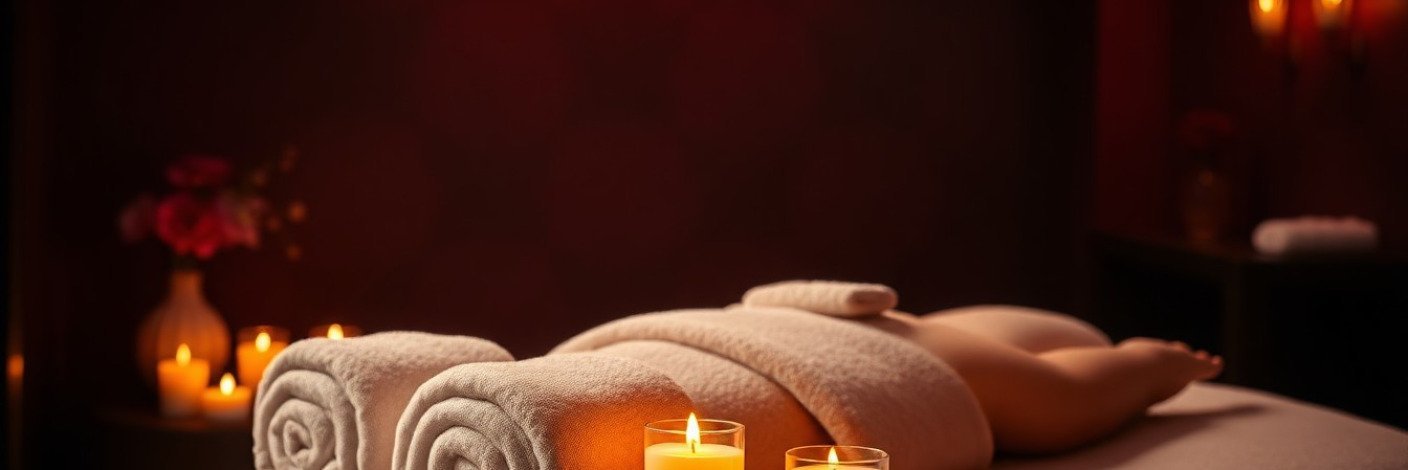
What massage is best for back, neck, and joint pain relief in Raipur?
Deep tissue and therapeutic massages are commonly used for back, neck, and joint pain relief. In Raipur, spas typically offer deep tissue, Swedish, and hot stone massage, often combined with targeted pressure on tense muscles. Sessions usually last 60 to 90 minutes. Massage can ease muscle tension and improve flexibility, but it supports rather than replaces medical treatment for underlying conditions.
Key Takeaways
- • Deep tissue massage targets chronic tension in the back and neck muscles.
- • Swedish massage uses gentler strokes suited to general soreness and relaxation.
- • Hot stone therapy applies warmth to help loosen stiff joints and tight muscles.
- • Sessions typically run 60 to 90 minutes, with pressure adjusted to comfort.
- • Massage can support flexibility and muscle relaxation but is not a medical treatment.
- • Consult a doctor for persistent or severe pain before booking a session.
Pain relief through massage is a hands-on therapeutic approach that eases back, neck, and joint discomfort by relaxing tight muscles, improving blood flow, and reducing inflammation. At Raipur SPA in Samta Colony, trained therapists use targeted techniques like deep tissue and trigger point therapy to help you move and feel better.
Key Takeaways
- Massage relieves pain by loosening tight muscles, boosting circulation, and calming the nervous system.
- Back pain, neck stiffness, and joint discomfort all respond well to specific massage techniques.
- Deep tissue and trigger point therapy target stubborn knots and chronic tension.
- Regular sessions work better than one-off visits for long-term pain management.
- Raipur SPA offers therapies starting from ₹999, open daily from 11:00 AM to 09:00 PM.
- Always share your medical history so your therapist can tailor the session safely.
Why Massage Works for Pain
Massage isn't just a luxury. It's one of the oldest forms of physical therapy, and modern research backs up what therapists have known for centuries.
When muscles stay tense for too long, they restrict blood flow. That leads to stiffness, soreness, and eventually pain. Skilled massage reverses this cycle by encouraging fresh blood and oxygen into the tissue while flushing out waste products like lactic acid.
There's also a neurological side. Gentle, consistent pressure signals the nervous system to shift out of "fight or flight" mode. Your heart rate slows, cortisol drops, and the body relaxes. For anyone carrying stress in their shoulders or lower back, that shift alone can bring noticeable relief.
But the benefits go deeper. Massage stimulates the release of endorphins—the body's natural painkillers—and serotonin, which improves mood and reduces the perception of pain. It also helps break the pain-spasm-pain cycle: when you're in pain, muscles instinctively tighten, which causes more pain. Massage interrupts that loop by manually relaxing the muscle fibers.
Moreover, massage improves tissue elasticity. Tight, fibrous muscles become more pliable, allowing joints to move through their full range of motion without strain. This is especially important for chronic conditions where movement has become guarded and limited.
For those with sedentary jobs, massage counteracts the effects of prolonged sitting: it lengthens shortened hip flexors, releases compressed spinal discs, and decompresses the neck. Even athletes benefit—massage speeds recovery by clearing metabolic waste and reducing delayed-onset muscle soreness (DOMS).
In short, massage is a holistic therapy that addresses both the physical and psychological aspects of pain, making it a powerful tool for anyone seeking relief without relying solely on medication.
How Massage Helps Back Pain
Lower back pain is one of the most common complaints therapists hear. Long hours at a desk, poor posture, and heavy lifting all contribute.
A therapeutic massage for back pain focuses on the erector spinae, quadratus lumborum, and gluteal muscles. Therapists use slow, deep strokes and sustained pressure to release tension that has built up over weeks or months.
Many clients describe feeling "lighter" after a session. That's because the muscle fibers have relaxed and the spine can move more freely. For chronic cases, a series of sessions spaced a week or two apart often delivers the best results.
But not all back pain is the same. Acute pain from a sudden strain responds well to gentle Swedish massage, while chronic pain with trigger points may need deeper work. Therapists also assess posture and movement patterns to identify contributing factors. For example, tight hamstrings can pull on the lower back, so a good therapist will address the entire posterior chain.
Self-care between sessions amplifies results. Try these simple stretches:
- Knee-to-chest stretch: Lie on your back, pull one knee toward your chest, hold for 30 seconds, and switch sides. This releases lower back tension.
- Cat-cow stretch: On all fours, alternate arching and rounding your back. This improves spinal flexibility.
- Child's pose: Kneel and sit back on your heels, extending your arms forward. Hold for 30–60 seconds to decompress the spine.
Also, check your workspace: ensure your chair supports your lower back, your feet are flat on the floor, and your screen is at eye level. Small ergonomic adjustments can prevent pain from returning.
Techniques Used for Back Pain
- Deep tissue massage reaches the deeper muscle layers where chronic knots live.
- Trigger point therapy targets specific tender spots that refer pain elsewhere.
- Swedish massage uses flowing strokes to warm and relax the whole back.
Each technique has its place. Deep tissue is ideal for stubborn tension, trigger point for sharp, localized pain, and Swedish for overall relaxation and stress reduction. Your therapist may combine them for a customized approach.
How Massage Eases Neck Pain and Stiffness
Neck pain has become almost universal. Smartphones, laptops, and long commutes keep the head tilted forward, straining the cervical spine.
Massage for neck pain works on the trapezius, sternocleidomastoid, and suboccipital muscles. These are the muscles that tighten when you stare at a screen for hours. A therapist can feel exactly where the tension sits and work it loose with careful, controlled pressure.
One word of caution: the neck is delicate. Never let anyone perform forceful manipulation unless they're qualified. At a professional spa, therapists are trained to work within safe limits and adjust pressure to your comfort.
Neck pain often stems from forward head posture—every inch the head moves forward adds about 10 pounds of extra weight to the cervical spine. Massage helps by lengthening the shortened front neck muscles and relaxing the overworked back muscles. It also improves proprioception, helping you become more aware of your posture.
To prevent neck pain from returning, incorporate these habits:
- Chin tucks: Sit tall and gently tuck your chin toward your throat, hold for 5 seconds, repeat 10 times. This strengthens deep neck flexors.
- Shoulder rolls: Roll your shoulders backward in slow circles to release tension.
- Screen breaks: Every 30 minutes, look away from your screen and focus on something distant for 20 seconds.
At Raipur SPA, therapists often use a combination of Swedish massage to warm the tissues, followed by trigger point release on the upper trapezius and suboccipitals. They may also incorporate gentle stretching to restore range of motion.
How Massage Supports Joint Pain
Joints don't have muscles, but the muscles around them do. When those muscles are tight or weak, joints bear extra load and become painful.
Massage helps joint pain by relaxing the surrounding tissue, improving circulation to the joint capsule, and reducing swelling. People with knee pain, shoulder stiffness, or mild arthritis often find relief through regular sessions.
It's important to be honest about your condition. If you have rheumatoid arthritis or a recent injury, check with your doctor first. Massage can complement medical care, but it doesn't replace it.
For osteoarthritis, gentle massage can reduce stiffness and improve mobility by increasing synovial fluid production. For frozen shoulder, massage helps break down adhesions and stretch the capsule. For knee pain, massaging the quadriceps and hamstrings can alleviate patellar tracking issues.
Consider these additional tips for joint health:
- Warm-up before activity: A few minutes of gentle movement or a warm shower can loosen stiff joints.
- Low-impact exercise: Swimming, cycling, and walking keep joints lubricated without excessive strain.
- Anti-inflammatory diet: Foods rich in omega-3s (like fish, walnuts, and flaxseeds) can reduce joint inflammation.
Massage Techniques for Joint Discomfort
- Gentle joint mobilization improves range of motion without strain.
- Myofascial release loosens the connective tissue that restricts movement.
- Warm oil massage soothes stiff joints and improves flexibility.
These techniques are especially effective when combined with heat therapy. At Raipur SPA, therapists may use warm herbal oils to enhance relaxation and penetration.
What to Expect at Raipur SPA
Raipur SPA sits in Samta Colony, Raipur, and has built a reputation for professional, personalised care. Every session starts with a short consultation so your therapist understands where it hurts and why.
You'll be guided through a comfortable, hygienic environment with trained therapists who adjust pressure and technique to your needs. Therapies start from ₹999, and the spa is open daily from 11:00 AM to 09:00 PM, which makes it easy to fit a session around work or family commitments.
If you've never had a therapeutic massage before, mention that at booking. The therapist will explain what happens, check in on pressure throughout, and keep the focus on your comfort.
Here's what a typical visit looks like:
- Consultation: You'll discuss your pain points, medical history, and goals for the session.
- Assessment: The therapist may perform a brief postural or range-of-motion assessment.
- Treatment: You'll receive a customized massage using appropriate techniques.
- Aftercare: The therapist may suggest stretches or lifestyle adjustments to prolong relief.
The spa uses high-quality, hypoallergenic oils and maintains strict hygiene protocols, including fresh linens for each client. Therapists are certified and undergo regular training to stay updated on best practices.
For those who prefer a more relaxing experience, Raipur SPA also offers aromatherapy massages with essential oils tailored to your mood—lavender for calm, eucalyptus for invigoration, or peppermint for tension relief.
Choosing the Right Massage for Your Pain
Not every massage suits every pain. A quick guide:
- Sharp, localised pain with knots → deep tissue or trigger point therapy.
- General stiffness and stress → Swedish or aromatherapy massage.
- Joint stiffness and limited movement → gentle mobilization with warm oils.
- Post-injury tightness (after medical clearance) → myofascial release.
When in doubt, describe your symptoms and let the therapist recommend an approach. That's what they're trained for.
Other factors to consider:
- Pressure preference: Communicate your comfort level—some prefer light, soothing strokes, while others need firm pressure.
- Focus areas: If you have multiple pain points, prioritize the most bothersome area for the session.
- Duration: Longer sessions allow more comprehensive work, but 60 minutes is often sufficient for targeted relief.
If you're unsure, book a consultation-only visit. Many spas offer brief assessments at no cost.
How Often Should You Get a Massage for Pain?
For acute pain, once a week for three to four weeks is a sensible starting point. Once the pain settles, monthly maintenance sessions usually keep things in check.
Chronic conditions often need a longer-term plan. Your therapist can suggest a schedule based on your lifestyle, posture habits, and how your body responds.
Factors influencing frequency:
- Severity: Severe pain may require more frequent sessions initially.
- Lifestyle: Desk jobs or physically demanding work may necessitate more regular maintenance.
- Response to treatment: Some people respond quickly; others need more time.
- Home care: Consistent stretching and ergonomic adjustments can reduce the need for frequent massages.
A good rule of thumb: if pain returns within a week, consider increasing frequency temporarily. If you maintain relief for a month, you can space sessions out.
Simple Habits That Make Massage More Effective
Massage works best when you support it between sessions. A few small habits go a long way:
- Stretch for five minutes every morning, especially your back and neck.
- Take short breaks from screens and adjust your chair height.
- Stay hydrated; muscles recover better with good fluid intake.
- Use a warm compress on stiff joints in the evening.
- Keep moving gently. Complete rest can make stiffness worse.
Additional strategies:
- Strengthen supporting muscles: Core exercises for back pain, neck exercises for cervical support.
- Practice good sleep posture: Use a supportive pillow and mattress.
- Manage stress: Chronic stress exacerbates muscle tension; try meditation or deep breathing.
- Warm up before exercise: Dynamic stretches prepare muscles for activity.
Consider keeping a pain diary to track triggers and improvements. Share it with your therapist to refine your treatment plan.
Understanding the Science Behind Massage and Pain Relief
While massage has been used for millennia, science has only recently begun to uncover its mechanisms. Studies show that massage reduces cortisol (stress hormone) by up to 30% and increases serotonin and dopamine—neurotransmitters that elevate mood and reduce pain perception.
Massage also stimulates the parasympathetic nervous system, promoting relaxation and digestion. It enhances mitochondrial function in muscle cells, boosting energy production and recovery. For chronic pain sufferers, massage can help desensitize the nervous system, reducing central sensitization—a condition where the brain becomes overly responsive to pain signals.
Research on back pain specifically indicates that massage therapy can be as effective as other conservative treatments like physical therapy for short-term relief. For neck pain, studies show significant improvements in range of motion and pain scores after a series of sessions.
At Raipur SPA, therapists stay informed about current research to provide evidence-based care.
Frequently Asked Questions
Is massage safe for back pain?
Yes, for most people. Massage is generally safe for common back pain caused by muscle tension or posture. If you have a slipped disc, recent injury, or surgery, consult your doctor before booking.
How many massage sessions does it take to relieve neck pain?
Many people feel relief after one session, but lasting results usually need three to four sessions over a few weeks. Your therapist can suggest a realistic plan after assessing your neck.
Can massage help with arthritis joint pain?
Gentle massage can ease stiffness and improve circulation around arthritic joints. It should complement medical treatment, not replace it. Always get your doctor's approval, especially during flare-ups.
How long does a pain relief massage session last?
Most therapeutic sessions run between 45 and 90 minutes, depending on the area being treated. Your therapist will recommend a duration during the consultation.
What should I tell my therapist before a session?
Share any medical conditions, past injuries, surgeries, medications, and where you feel pain. Being specific helps the therapist choose safe, effective techniques for you.
Do I need to book in advance at Raipur SPA?
Booking ahead is recommended, especially on weekends. You can reserve a slot via WhatsApp or call, and the team will confirm your preferred time.
Can I get a massage if I have high blood pressure?
Generally, yes, but inform your therapist. They can adjust techniques and avoid certain areas. If your blood pressure is uncontrolled, consult your doctor first.
What if I'm pregnant?
Prenatal massage is safe after the first trimester for most women, but clearance from your healthcare provider is essential. Therapists at Raipur SPA are trained in prenatal techniques and positioning.
Final Thoughts
Pain doesn't have to be something you simply live with. Whether it's a stiff neck from desk work, a nagging lower back, or aching joints, therapeutic massage offers real, drug-free relief.
At Raipur SPA, therapies start from ₹999, and the team is available daily from 11:00 AM to 09:00 PM. If you're ready to feel better, book your session today by calling or messaging +91 7987 303 127 on WhatsApp.
Frequently Asked Questions
Can massage help with back pain?
Massage can help relax tight back muscles and reduce everyday tension. Many people find it improves comfort and mobility. It should not replace medical care for chronic or severe back pain.
How long does a pain relief massage take?
Most therapeutic massages in Raipur last between 60 and 90 minutes. Shorter 30 to 45 minute sessions may focus on one area like the neck or lower back. Duration depends on the treatment and your needs.
Is deep tissue massage good for neck pain?
Deep tissue massage applies firm pressure to deeper muscle layers, which can ease neck tension. It may feel sore afterward for a day. Tell your therapist if pressure feels too strong.
How often should I get a massage for joint pain?
Frequency varies by person and condition. Some people book sessions weekly or biweekly, while others go monthly for maintenance. A therapist can suggest a schedule, but check with a doctor for joint conditions.
Can I get a massage if I have a medical condition?
Consult your doctor first if you have a medical condition, injury, or are pregnant. Some conditions require modified pressure or a doctor's clearance. Reputable spas ask about health history before treatment.
What should I expect during a pain relief massage?
Your therapist will ask about problem areas and preferred pressure. You remain covered with a sheet, and only the area being worked on is exposed. Communicate about pressure and comfort throughout the session.
Book Your Session
Book Your SessionPeople Also Ask
Related Articles

Massage Therapy
Hot Stone Massage in Raipur (2027 Guide): Warm Therapy for Deep Relaxation
13 min read · 22 Nov 2026
Massage Therapy
Head and Shoulder Massage in Raipur: Instant Relief for Desk Job Tension (2027 Guide)
15 min read · 22 Nov 2026
Massage Therapy
Aromatherapy Massage in Raipur 2027: Scents That Calm Body and Mind
7 min read · 22 Nov 2026
Enjoyed This Article?
Stop reading about relaxation — come experience it firsthand at Raipur SPA.