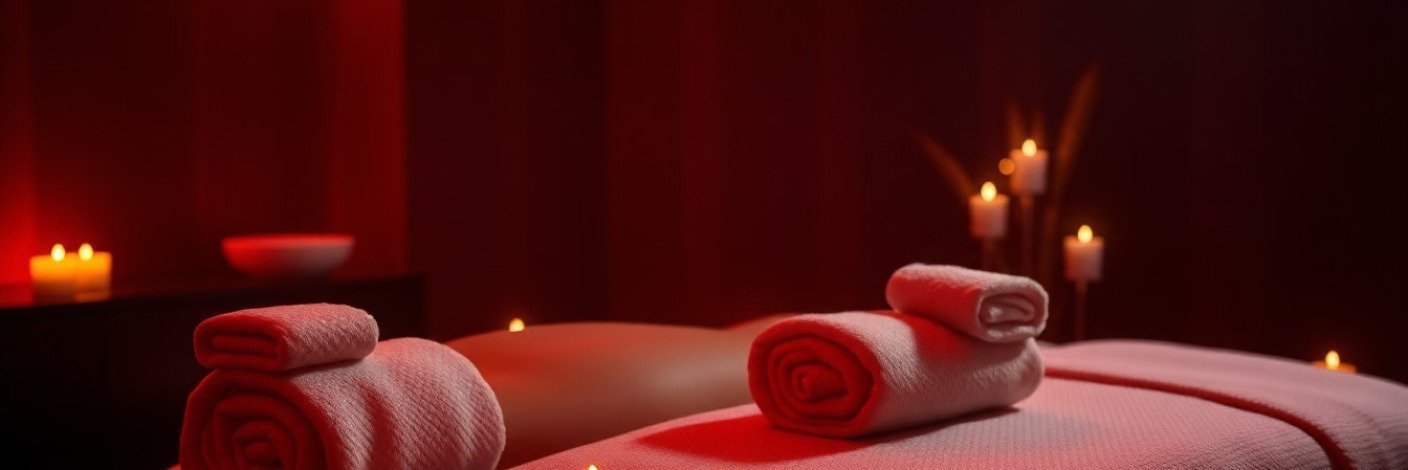
How does therapeutic massage help with pain relief at premium spas in Raipur?
Therapeutic massage at premium spas in Raipur uses techniques like deep tissue, Swedish, and trigger point therapy to ease muscle tension, improve blood circulation, and reduce stiffness. Trained therapists tailor pressure and focus areas to each client's discomfort. Sessions typically last 60 to 90 minutes and are often combined with heat therapy or aromatherapy oils to support relaxation and everyday muscle recovery.
Key Takeaways
- • Therapeutic massage targets muscle tension and stiffness using techniques such as deep tissue and trigger point therapy.
- • Premium spas in Raipur employ trained therapists who customize pressure and focus areas to individual needs.
- • Improved blood circulation and relaxation are commonly reported benefits of regular therapeutic sessions.
- • Sessions usually run 60 to 90 minutes and may include heat therapy or aromatherapy oils.
- • Choosing a spa with certified therapists and hygiene standards supports a safer, more effective experience.
- • Therapeutic massage is a complementary wellness practice and not a substitute for medical treatment.
Pain Relief Through Therapeutic Massage: How Raipur's Premium Spas Help
Pain relief through therapeutic massage is a hands-on treatment where trained therapists work on muscles, joints, and soft tissue to ease chronic aches, stiffness, and injury-related discomfort. In Raipur, premium spas combine clinical-style techniques with a calm, hygienic setting, so you leave with less pain and better mobility — not just a relaxing hour.
Unlike a quick shoulder rub at the end of a long day, therapeutic massage is structured, assessed, and goal-driven. The therapist isn't guessing. They are reading how your tissue responds, adjusting pressure in real time, and working toward a specific outcome: less pain, more range of motion, and a body that holds the improvement for longer than a day. This guide breaks down exactly how that works, what conditions respond best, which techniques Raipur's premium spas use, and how to choose a session that actually helps.
Key Takeaways
- Therapeutic massage targets specific pain points such as back ache, neck stiffness, and shoulder tension rather than offering only general relaxation.
- Deep tissue, trigger point, and sports massage are the most commonly used techniques for persistent pain.
- Premium spas in Raipur follow proper consultation, hygiene, and trained-therapist protocols before starting any session.
- Sessions at Raipur SPA start from ₹999, with therapists who adjust pressure to your comfort and pain level.
- Most people feel noticeable relief after 1–3 sessions, though chronic conditions may need a planned series.
- Therapy complements medical care — it does not replace a doctor's diagnosis for serious or unexplained pain.
Why Therapeutic Massage Works for Pain
Pain rarely comes from one spot alone. A tight lower back often traces back to weak hips, long desk hours, or an old ankle injury. Therapeutic massage looks at these connections instead of rubbing the sore area and sending you home.
When a therapist applies controlled pressure to tight muscles, blood flow increases to the area. Knots and adhesions that restrict movement begin to release. The nervous system also settles, which lowers the pain signals your body keeps sending.
This is why a good session feels different from a casual rubdown. The therapist is reading tissue, not following a fixed routine. Pressure changes as muscles respond. That feedback loop is what makes therapeutic massage useful for recurring pain.
The Science Behind the Relief
There's a reason your body feels different after a well-executed session, and it isn't just psychological. Several physiological changes happen at once:
- Improved circulation: Pressure and strokes push blood through capillaries that have been compressed by tight muscle. Fresh oxygen and nutrients reach the tissue, and waste products get flushed out.
- Reduced muscle guarding: When you're in pain, surrounding muscles tighten protectively. That guarding creates its own pain. Massage interrupts the cycle by signaling the nervous system that the area is safe to relax.
- Release of trigger points: Knots — technically called myofascial trigger points — are hyperirritable spots in muscle fiber. Focused pressure can deactivate them, often reducing referred pain elsewhere in the body.
- Nervous system downshift: Slow, rhythmic strokes activate the parasympathetic branch of the nervous system, lowering heart rate, relaxing blood vessels, and reducing the stress hormones that amplify pain perception.
- Breakdown of adhesions: After injury or prolonged immobility, connective tissue can bind layers of muscle together. Manual therapy helps restore glide between these layers.
None of this happens instantly or magically. It's a gradual process, which is why consistency matters more than intensity. A therapist who works too hard too fast can leave you sore and guarded, undoing the very relaxation the session was meant to create.
Why the Whole Body Matters
A common mistake is treating only the spot that hurts. If your right shoulder aches, the therapist will likely spend time on your neck, upper back, chest, and even your opposite shoulder. Muscles work in chains, and a restriction in one link forces the others to compensate.
Consider a client with chronic lower back pain from desk work. The obvious approach is to massage the lower back. But a skilled therapist will also assess hip flexors (shortened from sitting), glutes (often weak and tight), and hamstrings. Releasing the hip flexors alone can dramatically reduce the pull on the lower spine. That's the difference between chasing pain and addressing its source.
Common Pain Conditions Helped by Therapeutic Massage
People walk into spas in Raipur with a fairly predictable set of complaints. Desk jobs, two-wheeler commutes, gym strain, and long hours on the feet all leave their mark. Here's a closer look at the most common conditions and how massage helps each one.
Back and Neck Pain
Lower back tightness and stiff necks are the most frequent reasons people book a session. Deep tissue work on the erector spinae, glutes, and upper traps often brings quick relief, especially when posture is part of the problem.
Neck pain deserves special attention because so much of it comes from forward head posture — the position your head drifts into after hours on a laptop or phone. For every inch the head moves forward, the muscles at the back of the neck carry roughly an extra 4–5 kg of load. Over months, that strain becomes chronic. Therapists work the suboccipital muscles at the base of the skull, the upper trapezius, and the levator scapulae, then teach simple chin-tuck exercises to help you hold the correction.
For lower back pain, the therapist typically works the quadratus lumborum (the deep muscle along the side of the spine), the gluteus medius, and the piriformis. These muscles are often the hidden culprits behind pain that seems to sit squarely in the lower back.
Shoulder and Arm Tension
Frozen shoulder, rotator cuff tightness, and forearm strain from typing or lifting respond well to trigger point therapy and gentle stretching. The goal is to restore range of motion, not just press hard on the sore spot.
Frozen shoulder (adhesive capsulitis) progresses through stages, and massage is most helpful in the early and recovery phases. A therapist will work the surrounding muscles — the deltoid, pectorals, and rhomboids — to reduce the guarding that limits movement, then guide you through pain-free range-of-motion work. For office workers, forearm and wrist work can relieve the tightness that precedes conditions like tennis elbow and carpal tunnel irritation.
Leg and Knee Discomfort
Calf tightness, IT band tension, and knee stiffness after sports or long standing hours improve when surrounding muscles are loosened. Therapists usually work the hip and ankle too, since both affect knee load.
The iliotibial (IT) band is a common scapegoat for outer knee pain, but it's actually a tough band of fascia that can't be stretched much. The real tension usually lives in the tensor fasciae latae (TFL) at the hip and the gluteus maximus. A therapist who understands this will spend more time on the hip than on the knee itself — and the results are usually better for it.
Headaches and Jaw Clenching
Tension headaches often start in the neck and jaw. Massage around the suboccipital muscles and jaw can reduce the frequency and intensity of these headaches over time.
People who grind their teeth or clench their jaw during stress develop tightness in the masseter and temporalis muscles. This tightness refers pain to the temples, behind the eyes, and even into the ears. Intraoral work — where a trained therapist works the jaw muscles from inside the mouth with a gloved hand — can be remarkably effective, though it's only offered by therapists trained in the technique. Always confirm experience before booking this type of session.
Post-Surgical and Post-Injury Recovery
Once a doctor clears you, therapeutic massage can help reduce scar tissue restriction and restore mobility after surgery or injury. This is not the same as early-stage treatment — timing matters enormously. Massage over a fresh surgical site is off-limits, but once healing is underway, gentle soft-tissue work around the area can prevent the stiffness that often lingers long after the wound closes.
Techniques Used in Raipur's Premium Spas
Not every technique suits every body. A good spa will match the method to your condition, age, and pain tolerance. Here are the ones you will commonly find.
- Deep tissue massage — slow, firm strokes that reach deeper muscle layers; best for chronic stiffness and postural pain.
- Trigger point therapy — focused pressure on specific knots that refer pain to other areas.
- Sports massage — pre- and post-workout work to prevent injury and speed recovery.
- Swedish massage — gentler, flowing strokes that help mild tension and stress-related pain.
- Hot stone therapy — warmth that relaxes tight muscles before deeper work begins.
- Ayurvedic and oil-based massage — traditional techniques using warm herbal oils, popular for joint stiffness.
A skilled therapist may blend two or three of these in one session. That flexibility is a hallmark of premium spa care.
Deep Tissue Massage in Detail
Deep tissue isn't simply "harder" massage. It uses slower strokes and sustained pressure to reach the deeper layers of muscle and fascia. The therapist may use forearms, elbows, and knuckles to apply pressure that fingers alone can't achieve. It's most effective for chronic tension, postural imbalances, and areas that have been tight for months or years. Expect some intensity — but also expect the therapist to check in regularly and adjust.
Trigger Point Therapy in Detail
Trigger points are small, hyperirritable nodules within muscle fiber. When pressed, they can produce referred pain in a completely different area — pressing a knot in your upper back might send a dull ache into your forehead. Trigger point therapy applies sustained pressure (usually 20–30 seconds) until the point releases. It's precise, sometimes uncomfortable in the moment, and often dramatically effective for stubborn pain that hasn't responded to general massage.
Sports Massage in Detail
Sports massage is split into pre-event and post-event work. Pre-event sessions are brisk and stimulating, designed to warm muscles and sharpen focus. Post-event sessions are slower and more restorative, flushing out metabolic waste and reducing next-day soreness. For Raipur's gym-goers, runners, and cricketers, a regular post-training session can significantly reduce recovery time and lower injury risk.
Hot Stone and Ayurvedic Options
Hot stone therapy uses smooth, heated stones placed along the spine and muscles to relax tissue before manual work begins. It's especially helpful in winter or for people who carry a lot of tension and find direct pressure uncomfortable at first. Ayurvedic massage, with warm herbal oils like sesame or mahanarayan oil, is a traditional approach that many Raipur clients prefer for joint stiffness, poor circulation, and general fatigue.
What a Therapeutic Session at Raipur SPA Looks Like
At Raipur SPA in Samta Colony, a pain-relief session follows a clear sequence. First comes a short consultation — where it hurts, how long it has been there, what makes it worse, and any medical history that matters.
The therapist then checks posture, movement, and muscle tightness by hand. You will be told which areas will be worked on and roughly how firm the pressure will be. Nothing should feel like a surprise.
During the massage, pressure is adjusted constantly. You are encouraged to speak up if something feels too sharp. Discomfort during deep work is normal; sharp or radiating pain is not, and the therapist will change approach immediately.
Afterward, you get simple guidance — stretches, hydration, and how to sit or sleep better for the next day or two. This aftercare is often what separates real pain relief from a temporary feel-good hour.
Step-by-Step: What to Expect
- Arrival and intake (5–10 minutes): You'll be asked about your pain, its history, and any conditions that affect treatment. Be honest — even small details like a recent fall or a new medication matter.
- Assessment (5 minutes): The therapist may ask you to bend, twist, or raise your arms to see how your body moves. They'll palpate tight areas to confirm where the work is needed.
- Treatment (45–90 minutes): The main session. Pressure is layered — starting light to warm the tissue, then progressively deeper. Areas are worked in a logical order, usually from the largest muscle groups toward the specific pain site.
- Cool-down and reassessment (5 minutes): Gentle stretching and a recheck of your movement. Most people notice an immediate difference in range of motion.
- Aftercare advice (5 minutes): Stretches, hydration tips, and posture reminders tailored to your condition.
This structure is consistent because it works. Skipping the consultation or the aftercare is a red flag that you're in a relaxation parlor, not a therapeutic setting.
How to Choose the Right Spa for Pain Relief
Raipur has plenty of massage options, and quality varies widely. A few checks will save you time and money.
- Trained therapists: Ask whether staff are certified and how long they have been practicing.
- Consultation before treatment: A spa that starts massaging without asking questions is not doing therapy.
- Hygiene standards: Fresh linens, clean rooms, and proper draping are non-negotiable.
- Transparent pricing: Clear rates, no surprise add-ons at the counter.
- Realistic claims: Good spas never promise to cure medical conditions.
Therapies at Raipur SPA start from ₹999, and the team is open daily from 11:00 AM to 09:00 PM, which makes it easy to fit a session around work.
Questions Worth Asking Before You Book
- "Which therapist has the most experience with my specific issue?"
- "How long will the consultation take?"
- "What pressure level do you recommend for my condition?"
- "What should I do if I feel sore the next day?"
- "Do you keep records of my sessions so we can track progress?"
Good spas welcome these questions. If a receptionist seems annoyed by them, that tells you a lot about how the session itself will be run.
Red Flags to Watch For
Steer clear of any establishment that:
- Starts treatment without asking about your medical history.
- Promises to "cure" conditions like sciatica, arthritis, or slipped discs.
- Uses the same fixed routine for every client regardless of complaint.
- Charges suspiciously low rates with no clear explanation of what's included.
- Has unhygienic rooms, reused linens, or poor privacy standards.
What to Expect After Your Session
Most people feel looser and lighter right away. Some notice mild soreness the next day, similar to after a workout — this is normal and usually fades within 24 to 48 hours.
Hydration matters. Drinking water helps your body clear the metabolic waste released from worked muscles. Light movement, like a short walk, keeps circulation going.
For long-standing pain, one session rarely fixes everything. A series of two to four visits, spaced a week or two apart, gives the body time to hold the changes. Your therapist can suggest a realistic schedule after the first session.
Managing Post-Massage Soreness
Post-massage soreness — sometimes called "treatment soreness" — is a sign that tissue was worked, not a sign that something went wrong. It typically feels like the ache after a good workout: present but not sharp, and easing with gentle movement. To manage it:
- Drink extra water for the next 24 hours.
- Apply a warm pack if the area feels tight.
- Avoid intense exercise for a day, especially if you had deep tissue work.
- Do the stretches your therapist recommended — they speed recovery rather than slowing it.
- Sleep well. Recovery happens most during deep sleep.
If soreness lasts beyond 48 hours or feels sharp rather than dull, contact the spa. A good therapist wants to know and will adjust future sessions accordingly.
Making the Benefits Last
Massage creates a window of opportunity. In the 24–72 hours after a session, your muscles are more pliable and your nervous system is more relaxed. Use that window wisely:
- Fix your workspace: Monitor at eye level, elbows at 90 degrees, feet flat on the floor.
- Move every 45 minutes: Stand, stretch, and roll your shoulders. Small breaks prevent big problems.
- Strengthen what's weak: If your therapist finds weak glutes or a weak core, add simple exercises. Massage releases tension; strength training keeps it from returning.
- Sleep and stress: Poor sleep and high stress both tighten muscles. Addressing them is as important as any hands-on work.
When Massage Is Not the Right Choice
Therapeutic massage is safe for most people, but there are times to wait or consult a doctor first. Avoid massage over fractures, open wounds, or recent surgery sites. If you have fever, a skin infection, or uncontrolled blood pressure, reschedule.
Pregnant women, people with cancer, and those on blood thinners should get medical clearance before booking deep tissue work. Any good spa will ask about these conditions during the consultation — and will turn down a session if it is not safe.
Also be cautious with unexplained pain — pain that appeared suddenly with no clear cause, pain that wakes you at night, or pain accompanied by numbness, weakness, or loss of bladder control. These can signal serious conditions that need medical evaluation, not massage. A responsible therapist will refer you to a doctor rather than treat blindly.
Frequently Asked Questions
How many therapeutic massage sessions do I need for pain relief?
Many people feel relief after one session, but chronic pain usually needs two to four sessions spaced a week or two apart. Your therapist will suggest a schedule based on your condition.
Is deep tissue massage painful?
It can feel intense, but it should never be sharp or unbearable. A trained therapist adjusts pressure to your comfort level throughout the session.
How long does a pain relief massage session last?
Most sessions run 45 to 90 minutes, depending on the areas being treated. A focused back and neck session often fits within an hour.
Can therapeutic massage replace physiotherapy or medical treatment?
No. Massage supports recovery and eases pain, but it does not replace diagnosis or medical care. For persistent or unexplained pain, see a doctor first.
What should I do before and after my massage?
Avoid heavy meals right before your session, and drink water afterward. Light stretching and a short walk help your muscles hold the benefits longer.
Do Raipur spas offer massage for sports injuries?
Yes. Many premium spas in Raipur, including Raipur SPA, offer sports and deep tissue massage suited to gym strain, running injuries, and post-training recovery.
How often should I get a therapeutic massage if my pain is chronic?
For chronic pain, a common approach is weekly sessions for the first two to three weeks, then spacing them out to every two to four weeks as symptoms improve. Your therapist will adjust based on how your body responds and whether the relief holds between visits.
Can I book a massage if I have a desk job and mild back pain?
Yes — desk-related back and neck pain is one of the most common reasons people book. A therapeutic session can relieve the tightness, and the therapist can also suggest simple posture and movement changes to prevent it from returning.
Final Thoughts
Pain that lingers for weeks deserves more than a painkiller and hope. Therapeutic massage gives your muscles a real chance to release, your joints more room to move, and your nervous system a break from constant tension.
If you are in Raipur and tired of living with that stiff back or aching shoulder, a properly done session can change how your body feels day to day. Raipur SPA welcomes you for a consultation and a therapy plan built around your pain, not a generic package.
Ready to feel better? Call or WhatsApp +91 7987 303 127 to book your session. We are open daily from 11:00 AM to 09:00 PM, and therapies start from just ₹999.
Frequently Asked Questions
What is therapeutic massage and how is it different from a regular massage?
Therapeutic massage focuses on specific areas of muscle tension or discomfort using targeted techniques like deep tissue and trigger point work. A regular relaxation massage is gentler and aimed mainly at unwinding. Premium spas typically assess your needs before recommending the right approach.
Which massage technique is best for back and neck pain?
Deep tissue and trigger point massage are commonly chosen for back and neck tension, while Swedish massage suits those preferring lighter pressure. The best option depends on your comfort level and the therapist's assessment. A consultation before the session helps match technique to need.
How long does a therapeutic massage session last in Raipur spas?
Most therapeutic sessions at premium Raipur spas last between 60 and 90 minutes. Shorter 30 to 45 minute sessions may be offered for focused areas like the neck or shoulders. Duration is usually confirmed during booking.
How often should I get a therapeutic massage for muscle tension?
Frequency varies by individual, with many people opting for sessions every two to four weeks for ongoing muscle tension. Others book occasional sessions during periods of physical strain. A therapist can suggest a suitable schedule based on your lifestyle.
What should I expect during my first therapeutic massage appointment?
Your first visit usually begins with a brief consultation about your discomfort, preferences, and pressure tolerance. The therapist then tailors the session and checks in on pressure throughout. Arriving early and communicating openly helps make the experience comfortable.
Are therapeutic massages at premium spas safe for everyone?
Therapeutic massage is generally considered safe for most healthy adults when performed by trained therapists. People with certain medical conditions, injuries, or who are pregnant should consult a doctor first. Reputable spas ask about health history before the session.
Book Your Session
Book Your SessionPeople Also Ask
Related Articles

Massage Therapy
Hot Stone Massage in Raipur (2027 Guide): Warm Therapy for Deep Relaxation
13 min read · 22 Nov 2026
Massage Therapy
Head and Shoulder Massage in Raipur: Instant Relief for Desk Job Tension (2027 Guide)
15 min read · 22 Nov 2026
Massage Therapy
Aromatherapy Massage in Raipur 2027: Scents That Calm Body and Mind
7 min read · 22 Nov 2026
Enjoyed This Article?
Stop reading about relaxation — come experience it firsthand at Raipur SPA.