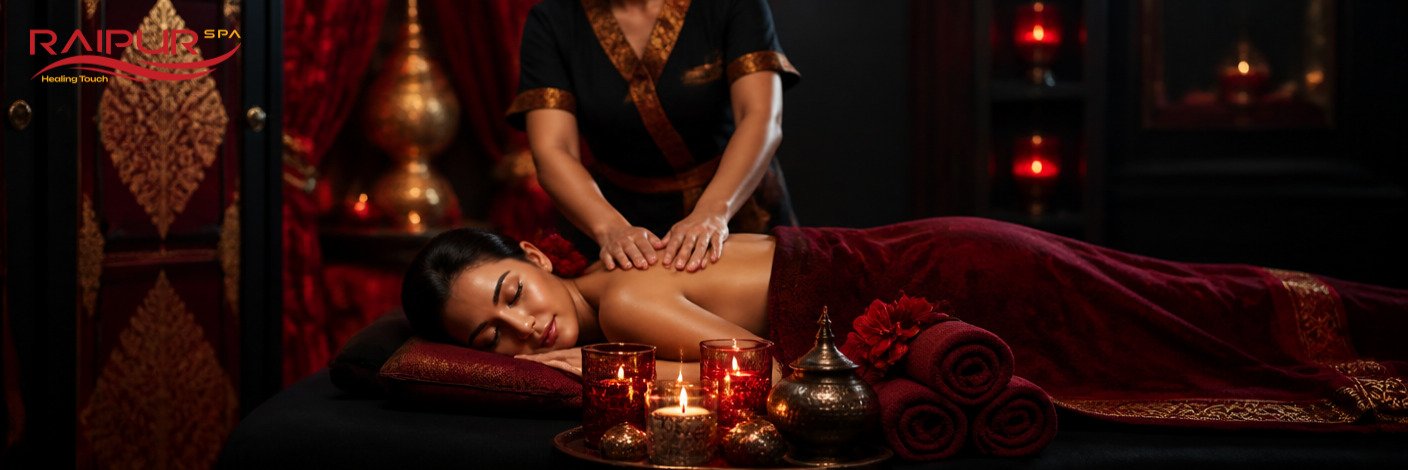
What are the benefits of massage therapy for chronic back pain in Raipur?
Massage therapy can help manage chronic back pain by reducing muscle tension, improving blood circulation, and promoting relaxation. Techniques like deep tissue massage and Swedish massage are commonly used. Regular sessions may complement other treatments and support overall well-being. Consult a qualified therapist in Raipur for personalized advice.
Key Takeaways
- • Massage therapy can reduce muscle tension and improve blood flow, aiding in back pain management.
- • Deep tissue and Swedish massages are popular techniques for chronic back pain.
- • Regular massage sessions may help reduce stress and promote relaxation, which can alleviate pain perception.
- • Massage should be used as a complementary therapy alongside medical advice and other treatments.
- • Choosing a certified massage therapist in Raipur ensures safety and effectiveness.
- • Consistency is key; a series of sessions often yields better results than a single massage.
Pain relief through massage is a proven, drug-free approach to managing chronic back pain. In Raipur, where long hours at desks, extensive commutes on two-wheelers, and physically demanding jobs take a toll on spinal health, therapeutic massage at Raipur SPA in Samta Colony offers a practical, accessible, and effective solution. This comprehensive guide explains how targeted massage techniques reduce muscle tension, improve circulation, and restore mobility—helping you break free from the relentless cycle of persistent back pain. Whether you are a desk-bound professional, a laborer, or someone dealing with age-related spinal changes, understanding the science and application of massage can transform your approach to pain management.
Key Takeaways
- Massage therapy directly reduces muscle tension and spasms, which are primary contributors to chronic back pain.
- Improved blood flow from massage accelerates healing by delivering oxygen and essential nutrients to damaged tissues while flushing out inflammatory byproducts.
- Regular massage sessions can lower stress hormones like cortisol, which often amplify pain perception and muscle guarding.
- Techniques such as deep tissue massage, myofascial release, and trigger point therapy are particularly effective for addressing chronic back issues.
- Combining massage with proactive lifestyle changes—including stretching, posture correction, and exercise—enhances long-term relief and prevents recurrence.
- Consistency is key: regular sessions, rather than one-off treatments, yield cumulative benefits for chronic pain sufferers.
Understanding Chronic Back Pain
Chronic back pain is defined as pain that persists for 12 weeks or longer, even after the initial injury or underlying cause has been treated. Unlike acute pain, which serves as a warning signal for tissue damage, chronic pain often becomes a condition in itself, involving complex changes in the nervous system and musculoskeletal system. The causes of chronic back pain are multifaceted and can include:
- Muscle strain and ligament sprains: Repeated overuse, poor lifting mechanics, or sudden awkward movements can cause micro-tears that fail to heal properly, leading to persistent pain.
- Herniated or bulging discs: The intervertebral discs that cushion the spine can protrude or rupture, pressing on nerve roots and causing radiating pain, numbness, or weakness.
- Arthritis: Osteoarthritis of the spine can lead to the breakdown of cartilage, bone spurs, and joint inflammation, resulting in stiffness and pain.
- Poor posture: Prolonged sitting with a slouched back, forward head posture, or standing with an arched lower back places undue stress on spinal structures, leading to muscle imbalances and chronic discomfort.
- Sedentary lifestyle: Lack of regular physical activity weakens core and back muscles, reducing their ability to support the spine properly.
- Psychological stress: Emotional tension often manifests physically as increased muscle tone, particularly in the neck, shoulders, and lower back, exacerbating pain.
One of the most insidious aspects of chronic back pain is muscle guarding. When an area of the body is injured or in pain, the surrounding muscles instinctively contract to protect the region from further damage. However, when this protective response becomes chronic, it leads to persistent muscle tightness, reduced blood flow, and the formation of trigger points—hyperirritable spots that can refer pain to other areas. This creates a vicious cycle: pain leads to muscle tension, which in turn increases pain and reduces mobility.
In Raipur, the prevalence of chronic back pain is influenced by several local factors. The city's growing IT sector means many professionals spend 8–10 hours daily hunched over computers, often with inadequate ergonomic setups. Additionally, the widespread use of two-wheelers for commuting exposes riders to constant vibrations and jarring movements that transmit stress to the lumbar spine. For those engaged in manual labor—construction, agriculture, or small-scale industry—repetitive heavy lifting and awkward postures are common culprits. The urban lifestyle, with its fast pace and high stress levels, further compounds the problem by keeping muscles in a state of chronic tension.
How Massage Relieves Back Pain
Massage therapy works on multiple physiological and psychological levels to combat chronic back pain. Understanding these mechanisms can help you appreciate why it is such a valuable tool in pain management.
- Reduces muscle tension: The primary effect of massage is the mechanical relaxation of muscle fibers. Techniques like kneading, compression, and friction help to stretch tight muscles, break down adhesions (bands of painful, rigid tissue), and release muscle spasms. This directly interrupts the pain-spasm-pain cycle, providing immediate relief.
- Improves circulation: Massage stimulates blood flow to the affected areas. Increased circulation delivers oxygen, glucose, and other nutrients that muscles need for repair, while simultaneously removing metabolic waste products such as lactic acid and inflammatory cytokines. This enhanced vascular activity accelerates the healing process and reduces swelling.
- Stimulates endorphin release: Massage activates the body's parasympathetic nervous system, triggering the release of endorphins—natural painkillers produced by the brain. These chemicals not only reduce pain perception but also promote a sense of well-being and relaxation, which is crucial for individuals dealing with chronic pain-related depression or anxiety.
- Increases flexibility and range of motion: By elongating muscle fibers and stretching the fascia (the connective tissue that surrounds muscles), massage helps to restore normal tissue elasticity. This improved flexibility reduces strain on the spine and allows for freer, more comfortable movement.
- Breaks up scar tissue: In cases of previous injury, scar tissue can form, restricting movement and causing pain. Certain massage techniques, particularly deep transverse friction, help to realign collagen fibers and break down excessive scar tissue, improving tissue function.
- Reduces stress and anxiety: Chronic pain is inextricably linked to psychological stress. Massage reduces levels of cortisol (the stress hormone) and increases levels of serotonin and dopamine, neurotransmitters that promote relaxation and happiness. Lower stress levels translate to reduced muscle tension and a decreased perception of pain.
It is important to note that while massage is highly effective for many types of back pain, it is not a one-size-fits-all solution. The therapist must tailor the approach to your specific condition, pain location, and tolerance. For example, a person with an acute disc herniation may require gentler techniques than someone with chronic muscle tension.
Best Massage Techniques for Back Pain
Different massage modalities offer unique benefits, and the right choice depends on the nature and severity of your pain. Here are the most effective techniques for managing chronic back pain:
Deep Tissue Massage
Deep tissue massage is perhaps the most well-known technique for addressing chronic muscular pain. Unlike Swedish massage, which uses lighter pressure, deep tissue massage employs slow, firm strokes and deep finger pressure to target the deeper layers of muscle and connective tissue. It is particularly effective for releasing chronic patterns of tension, breaking up adhesions, and realigning muscle fibers. Therapists often use their forearms, elbows, or knuckles to apply sustained pressure to specific areas of tightness.
This technique is ideal for individuals who have developed myofascial trigger points or who have thick, dense muscles due to years of physical labor or poor posture. While deep tissue massage can be uncomfortable during the session—especially when the therapist works on particularly tight knots—the relief experienced afterward is often profound. It is crucial to communicate with your therapist about your pain tolerance so they can adjust the pressure accordingly. For chronic back pain, a series of sessions is usually recommended, as one session alone may not be sufficient to release deeply held tension.
Swedish Massage
For those who are new to massage, have sensitive pain, or simply prefer a gentler approach, Swedish massage is an excellent option. This classic technique uses long, flowing strokes (effleurage), kneading (petrissage), friction, tapotement (rhythmic tapping), and vibration. The pressure is typically light to medium, making it relaxing and non-intimidating. Swedish massage primarily targets the superficial muscles, promoting overall relaxation and improving blood circulation.
While it may not be as intense as deep tissue massage, Swedish massage can still provide substantial relief for chronic back pain by reducing general muscle tension and stress. It is particularly beneficial for individuals whose pain is exacerbated by anxiety or who have a low pain threshold. Moreover, it serves as an excellent starting point for those who are hesitant about trying more intense techniques—they can gradually build up tolerance and transition to deeper work if needed.
Myofascial Release
Fascia is a thin, tough, and elastic connective tissue that surrounds every muscle, bone, nerve, and organ in the body. When fascia becomes tight—due to injury, inflammation, poor posture, or repetitive stress—it can restrict movement and cause pain. Myofascial release is a specialized technique that involves applying gentle, sustained pressure to the fascia to release restrictions and restore its natural flexibility.
During a myofascial release session, the therapist will often use slow, stretching movements and hold pressure on specific areas for several minutes. This allows the fascia to elongate and rehydrate, breaking down the adhesions that cause pain. This technique is particularly effective for conditions like myofascial pain syndrome, where taut bands of muscle and trigger points refer pain to other parts of the body. It is a subtle yet powerful approach that can yield dramatic improvements in mobility and pain reduction, especially when combined with deep tissue work.
Trigger Point Therapy
Trigger points are hyperirritable spots in a muscle that are painful when compressed and can refer pain to distant areas. For example, a trigger point in the gluteal muscles can cause pain down the leg, mimicking sciatica. Trigger point therapy involves applying focused, ischemic pressure to these specific points to deactivate them. The therapist may use a finger, thumb, or an instrument to apply pressure for 30–90 seconds, often causing the muscle to twitch or release.
This technique is highly effective for breaking the cycle of muscle spasm and pain. After the pressure is released, the muscle often relaxes, and blood flow to the area increases, promoting healing. Trigger point therapy can be somewhat uncomfortable during the treatment, but the relief is usually immediate and long-lasting. It is often used in conjunction with other massage techniques to provide comprehensive pain relief.
Sports Massage
Although sports massage is designed for athletes, it is also beneficial for individuals with chronic back pain, especially if the pain is related to overuse or muscle imbalance. Sports massage incorporates a variety of techniques, including compression, stretching, and friction, to improve flexibility and reduce muscle fatigue. It focuses on areas of the body that are overworked and tight, which often include the lower back, hips, and hamstrings—all of which play a role in back health. For those with physically demanding jobs, sports massage can help prevent injuries and manage chronic pain.
Hot Stone Massage
Hot stone massage uses smooth, heated stones placed on specific points of the back to warm and relax tight muscles. The heat penetrates deep into the tissues, increasing blood flow and easing muscle spasms. The therapist may also use the stones as tools to massage the area. This technique is particularly soothing for individuals with chronic pain who also experience a great deal of stress. The combination of heat and massage can be deeply calming, making it an excellent choice for those who find traditional massage too stimulating or painful.
What to Expect in a Session at Raipur SPA
Your first visit to Raipur SPA in Samta Colony will begin with a thorough consultation. The therapist will ask about your medical history, the nature and duration of your back pain, any specific injuries or conditions, and your lifestyle. Be prepared to describe your pain—is it sharp, dull, burning, or aching? Does it radiate to other parts of your body? What makes it better or worse? This information is crucial for the therapist to design a session that is both safe and effective.
After the consultation, the therapist will leave the room so you can undress to your comfort level. For a back massage, most people choose to remove their top and lie face down on the massage table, draped with a sheet or towel. You can also remain fully clothed if you prefer, although this limits the therapist's ability to work directly on the skin and muscles. The therapist will use oil, lotion, or cream to reduce friction and allow their hands to glide smoothly over your skin.
The session itself will typically last between 30 and 90 minutes, depending on your preference and the therapist's recommendation. For chronic back pain, a 60-minute session is often ideal, as it allows enough time to work on the entire back, including the neck, shoulders, and gluteal muscles, which often contribute to back pain. During the massage, you should communicate with your therapist about pressure—if something hurts or feels uncomfortable, speak up. The therapist can adjust their technique to ensure you receive the maximum benefit without undue pain.
After the massage, you may feel relaxed and even a little sleepy. Some people experience mild soreness for a day or two, especially if deep tissue techniques were used. This is normal and should subside quickly. Drinking plenty of water after the session helps to flush out the metabolic waste products released from the muscles and prevents dehydration. You should also avoid strenuous activity for the remainder of the day to allow your body to integrate the changes.
Integrating Massage into a Pain Management Plan
Massage is most effective when it is part of a comprehensive pain management strategy. Relying solely on massage, without addressing underlying causes, may provide only temporary relief. To achieve long-term results, combine massage with the following approaches:
- Stretching and Yoga: Incorporating a daily stretching routine, especially focusing on the hamstrings, hip flexors, and lower back, can help maintain the flexibility gained from massage. Yoga, with its emphasis on mindful movement and breath, can also reduce stress and improve posture. Poses like child's pose, cat-cow, and downward-facing dog are particularly beneficial for back pain.
- Posture Correction: Evaluate your work and home environments. Use an ergonomic chair that supports the natural curve of your spine. Position your computer monitor at eye level, and keep your feet flat on the floor. When lifting heavy objects, bend at your knees, not your waist, and hold the object close to your body. Simple changes in how you sit, stand, and move can prevent the recurrence of pain.
- Heat and Cold Therapy: Applying a warm compress or taking a warm bath before a massage can help relax muscles and increase blood flow, making the massage more effective. After a massage, applying an ice pack to any areas that feel sore can reduce inflammation and prevent delayed onset muscle soreness.
- Exercise and Strength Training: Strengthening your core muscles—the abdominal, back, and pelvic floor muscles—provides better support for your spine. Activities like Pilates, swimming, and walking are excellent low-impact options that improve overall fitness without jarring your back. A physical therapist can design a targeted exercise program based on your specific needs.
- Mindfulness and Stress Reduction: Since stress exacerbates muscle tension and pain perception, incorporating stress-reduction techniques like meditation, deep breathing, or progressive muscle relaxation can be helpful. These practices help you become more aware of your body and release tension consciously.
Consistency is paramount. For chronic back pain, weekly massage sessions for 4–6 weeks are often recommended to achieve significant improvement. After that, you can space sessions out to every two weeks or monthly for maintenance. Some individuals find that a monthly tune-up massage helps prevent flare-ups and keeps their back healthy. The key is to listen to your body and adjust the frequency based on your pain levels and response to treatment.
Lifestyle Tips for Preventing Back Pain
Prevention is always better than cure. In addition to regular massage, adopting healthy habits can significantly reduce your risk of developing chronic back pain or experiencing recurrent episodes. Here are some practical tips tailored to the Raipur lifestyle:
- Take Frequent Breaks from Sitting: If you work at a desk, stand up, stretch, and walk around for at least 2–3 minutes every 30 minutes. This prevents the muscles from becoming stiff and reduces pressure on the intervertebral discs. Set a timer on your phone as a reminder.
- Use a Supportive Chair: Invest in a chair with good lumbar support. If your chair doesn't provide enough support, use a rolled towel or a lumbar cushion. Keep your feet flat on the floor and your knees at a 90-degree angle.
- Optimize Your Sleep Posture: Sleep on a medium-firm mattress that supports the natural curves of your spine. If you sleep on your back, place a pillow under your knees to reduce pressure on your lower back. If you sleep on your side, place a pillow between your knees to keep your hips aligned. Avoid sleeping on your stomach, as this can strain your neck and back.
- Maintain a Healthy Weight: Excess weight, especially around the abdomen, shifts your center of gravity and puts additional strain on your lower back. Even a modest weight loss can significantly reduce back pain.
- Stay Active: Regular physical activity, such as brisk walking, swimming, or cycling, strengthens your back and core muscles, improves flexibility, and promotes overall health. Aim for at least 150 minutes of moderate-intensity exercise per week.
- Lift Properly: When lifting anything heavy, stand close to the object, bend your knees, and keep your back straight. Use your leg muscles to lift, not your back. Avoid twisting while lifting.
- Manage Stress: Engage in activities that relax you, such as listening to music, gardening, or spending time with loved ones. Chronic stress can lead to muscle tension and exacerbate back pain.
Why Choose Raipur SPA for Your Back Pain?
Raipur SPA in Samta Colony is dedicated to providing high-quality therapeutic massage services that address the root causes of back pain. Here's what sets us apart:
- Experienced and Certified Therapists: Our team of massage therapists is trained in various modalities, including deep tissue, Swedish, myofascial release, and trigger point therapy. They understand the intricacies of the musculoskeletal system and can tailor each session to your specific needs.
- Personalized Care: We don't believe in a one-size-fits-all approach. Each session begins with a thorough assessment, and the therapist designs a treatment plan that targets your unique pain points and goals. We take the time to listen to your concerns and adjust techniques as needed.
- Affordable Pricing: We believe that relief should be accessible to everyone. Our therapies start at just ₹999, making regular massage a feasible part of your healthcare routine. We offer various packages to suit your budget and needs.
- Serene Environment: Located in the heart of Samta Colony, our spa provides a tranquil escape from the hustle and bustle of the city. The calm ambiance, soothing music, and aromatic scents help you relax fully, enhancing the therapeutic benefits of the massage.
- Convenient Hours: We are open daily from 11:00 AM to 09:00 PM, allowing you to schedule sessions that fit your busy lifestyle. Whether you prefer a morning massage to start your day or an evening session to unwind, we accommodate your schedule.
- Hygienic and Safe: We adhere to strict hygiene protocols, ensuring that all equipment and linens are sanitized after each use. Your health and safety are our top priorities.
Many of our clients in Raipur have found significant relief from chronic back pain through our services. Our holistic approach, combining skilled hands-on techniques with guidance on lifestyle modifications, ensures that you receive comprehensive care that goes beyond the massage table.
Frequently Asked Questions
How often should I get a massage for chronic back pain?
For chronic back pain, we generally recommend weekly sessions for 4–6 weeks to achieve significant and lasting improvement. This allows the therapist to work through layers of tension and retrain the muscles to relax. After this initial phase, you can space out your sessions to every two weeks or monthly for maintenance. However, the ideal frequency depends on your individual condition, response to treatment, and lifestyle. Your therapist will provide personalized recommendations based on your progress.
Can massage cure my back pain completely?
Massage is not a cure-all, but it is a powerful tool for managing and significantly reducing chronic back pain. It addresses muscle tension, improves circulation, and promotes relaxation, all of which are critical for pain relief. However, if your pain is caused by structural issues like a herniated disc or arthritis, massage alone may not resolve the underlying problem. It is most effective when combined with other treatments such as physical therapy, exercise, and posture correction. Think of massage as a key component of a comprehensive pain management plan rather than a standalone cure.
Is deep tissue massage painful?
Deep tissue massage can be uncomfortable, especially when the therapist works on tight areas or trigger points. Some people describe it as a "good pain"—a feeling of pressure that is intense but ultimately relieving. However, it should never be unbearably painful. It is essential to communicate with your therapist. If the pressure is too much, they can adjust it to a level that is effective yet tolerable. After the session, you may experience some soreness, similar to post-exercise soreness, but it should subside within a day or two.
Are there any conditions where massage is not safe?
Yes, there are certain conditions in which massage is contraindicated. These include:
- Severe osteoporosis: The pressure applied during massage could increase the risk of bone fractures.
- Blood clots (deep vein thrombosis): Massage could dislodge a clot, leading to serious complications.
- Infectious skin conditions: Massage over areas of infection or open wounds can spread the infection.
- Recent surgery or fractures: Massage near a recent surgical site or fracture may interfere with healing.
- Certain types of cancer: If you have cancer, especially if it has spread to the bones, massage may be unsafe. Always consult your oncologist first.
It is crucial to provide your therapist with a complete medical history to ensure that massage is safe for you. When in doubt, consult your doctor before booking a session.
What should I do after a massage to maximize benefits?
To get the most out of your massage, follow these post-session tips:
- Drink plenty of water: Hydration helps flush out the metabolic waste released from muscles during the massage, preventing dehydration and reducing soreness.
- Avoid strenuous activity: Give your body time to rest and integrate the changes. Avoid heavy lifting or intense exercise for the remainder of the day.
- Gently stretch: Light stretching can help maintain the release achieved during the massage. Focus on the areas that were worked on, but avoid overstretching.
- Apply heat: A warm bath or a heating pad on the treated areas can further relax muscles and enhance blood flow.
- Listen to your body: If you feel tired, rest. If you feel energetic, engage in light activities like walking.
Does health insurance cover massage therapy?
Some health insurance plans do cover massage therapy, but it often requires a doctor's prescription and a diagnosis of a specific medical condition, such as chronic back pain. Coverage varies widely between providers and policies. We recommend checking with your insurance company to determine if massage therapy is included in your plan and what requirements you need to meet. If you have a prescription, we can provide the necessary documentation for reimbursement.
Can I get a massage if I am pregnant?
Massage can be safe and beneficial during pregnancy, but it requires special training and precautions. If you are pregnant, especially in the first trimester, it is essential to inform us. We can provide prenatal massage, which uses techniques adapted to your changing body. However, certain pressure points and positions are avoided during pregnancy. Always consult your obstetrician before starting massage therapy while pregnant.
How long does a typical massage session last?
At Raipur SPA, we offer sessions ranging from 30 to 90 minutes. For chronic back pain, we usually recommend a 60-minute session to allow adequate time to work on all affected areas, including the neck, shoulders, mid-back, lower back, and glutes. You can choose the duration that fits your budget and comfort level. If you are new to massage, a 30-minute session can be a good introduction, but for lasting relief, longer sessions are more effective.
Conclusion: Take the First Step Toward Relief
Chronic back pain doesn't have to control your life. With regular therapeutic massage at Raipur SPA, you can reduce pain, improve mobility, and enhance your overall well-being. Our skilled therapists in Samta Colony are ready to design a session tailored to your unique needs and guide you on the path to recovery. We understand that every individual's pain is different, which is why we prioritize personalized care and open communication.
Don't let another day go by in discomfort. Take the first step toward a pain-free life by booking your appointment today. Call or WhatsApp us at +91 7987 303 127 to schedule your session. Our friendly staff will be happy to answer any questions and help you choose the right service. We look forward to welcoming you to Raipur SPA, where your relief is our mission.
Frequently Asked Questions
How does massage help with chronic back pain?
Massage helps by relaxing tight muscles, increasing blood flow to the area, and releasing endorphins, which are natural painkillers. It also reduces stress, which can contribute to muscle tension and pain.
What type of massage is best for back pain?
Deep tissue massage is often recommended for chronic back pain because it targets deeper muscle layers and knots. Swedish massage is also beneficial for relaxation and improving circulation. The best type depends on your specific condition and comfort.
How often should I get a massage for back pain?
Frequency depends on the severity of your pain and your response to treatment. Many people benefit from weekly sessions initially, then gradually reduce to bi-weekly or monthly maintenance. Consult your therapist for a personalized plan.
Are there any risks of massage for back pain?
Massage is generally safe, but it may not be suitable if you have certain conditions like fractures, infections, or severe osteoporosis. Always inform your therapist about your health history. Mild soreness after a session is common but should subside.
Can massage replace medical treatment for chronic back pain?
No, massage is not a substitute for medical treatment. It is a complementary therapy that can be used alongside other treatments like physical therapy, medication, or exercise. Always follow your doctor's advice.
What should I look for in a massage therapist in Raipur?
Look for a certified and experienced therapist who specializes in therapeutic massage. Check reviews, ask about their training in treating back pain, and communicate your specific needs before the session.
Book Your Session
Book Your SessionPeople Also Ask
Related Articles
Health & Wellness
Head Massage and Hair Spa in Raipur: Benefits for Stress and Hair Health
14 min read · 20 Oct 2026
Health & Wellness
Postpartum and Prenatal Massage in Raipur: Safe Wellness for Expecting Mothers
13 min read · 20 Oct 2026
Health & Wellness
Foot Reflexology in Raipur: Benefits for Tired Feet and Overall Health
13 min read · 19 Oct 2026
Enjoyed This Article?
Stop reading about relaxation — come experience it firsthand at Raipur SPA.