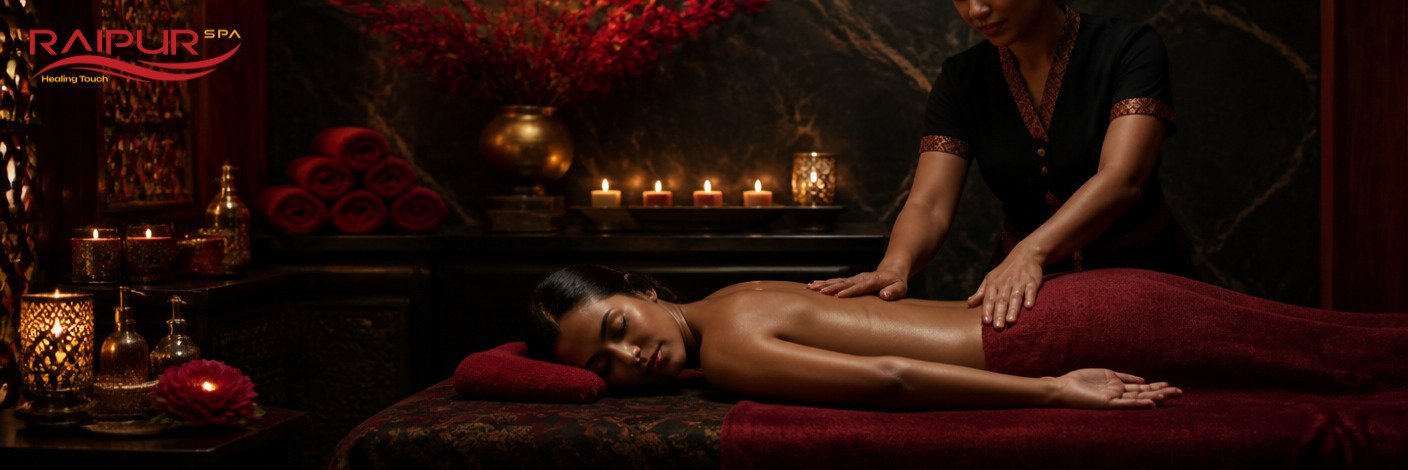
Which massage is best for back, neck, and joint pain relief in Raipur?
Deep tissue and therapeutic massages are commonly used for back and neck pain, while gentle Swedish or aromatherapy massage suits joint discomfort. These techniques apply controlled pressure to muscles and connective tissue to ease tension and improve mobility. A trained therapist assesses your pain area and health history before choosing pressure and technique. Sessions typically last 45 to 90 minutes.
Key Takeaways
- • Deep tissue massage targets chronic muscle tension in the back and neck.
- • Gentle Swedish massage is often preferred for sensitive or aching joints.
- • A therapist assessment helps match technique and pressure to your pain.
- • Regular sessions may support relaxation and easier movement between visits.
- • Massage complements, but does not replace, medical care for ongoing pain.
- • Avoid massage on injured, inflamed, or infected areas without medical clearance.
Pain Relief Through Massage: How Spa Therapy Helps Back, Neck, and Joint Pain
Pain relief through massage means using trained manual techniques—Swedish, deep tissue, trigger point and hot stone therapy—to release muscle tension, improve circulation and calm the nervous system. At a professional spa, this structured approach eases back, neck and joint pain, reduces stiffness and helps you move more freely without relying only on painkillers. Unlike a quick rub-down, therapeutic massage follows a plan: the therapist assesses where the pain originates, works through the layers of tissue that feed it, and gives you simple aftercare so the relief holds. For anyone tired of reaching for a painkiller every evening, it is one of the most accessible, drug-free options available.
Key Takeaways
- Massage relieves pain by relaxing tight muscles, improving blood flow and reducing stress hormones that amplify discomfort.
- Deep tissue and trigger point work suit chronic back and neck pain; gentle Swedish strokes help acute soreness and joint stiffness.
- A session of 60–90 minutes, once a week or fortnightly, delivers the most consistent results for recurring pain.
- Massage complements—not replaces—medical care; get a doctor's clearance for injuries, fractures or inflammatory joint conditions.
- Hydration, light stretching and good posture after a session extend the relief for days.
- The right technique matters as much as the pressure—matching the style to your type of pain is half the result.
- Raipur SPA in Samta Colony offers targeted therapeutic massages starting from ₹999, open daily 11:00 AM to 09:00 PM.
Why So Many People in Raipur Live With Back and Neck Pain
Spend an hour at any office in Raipur and you'll spot the same posture: shoulders rounded, head pushed forward, eyes locked on a screen. Add long commutes, hours of phone scrolling, and the physical strain of running a household, and the result is predictable. The body was designed to move through a wide range of positions each day; modern life asks it to hold one position for hours at a time. That mismatch is where most everyday pain begins.
The muscles at the back of the neck and upper back stay switched on all day. They never fully relax. Over months, that constant tension turns into knots, restricted movement and the dull ache that many people simply learn to tolerate. What starts as a slight stiffness when you wake up becomes a nagging tightness by afternoon and a headache by evening. Because the discomfort builds slowly, most people ignore it until it starts interfering with sleep, work or mood.
Joint pain follows a similar pattern. Knees, hips and shoulders stiffen when they're underused or overused without recovery. Age adds its own wear, but lifestyle accelerates it. A desk worker whose hips stay flexed for eight hours, a shopkeeper who stands on hard floors all day, a homemaker lifting and bending repeatedly—each loads the joints differently, yet all end up with the same tightness in the muscles that guard those joints.
There is also a stress dimension that is easy to overlook. Raipur, like most growing cities, moves fast. Deadlines, traffic, family responsibilities and financial pressure keep the nervous system in a mild but constant state of alert. That alertness shows up physically: raised shoulders, a clenched jaw, a tight lower back. Massage therapy addresses the muscular layer of this problem directly, which is why it has become one of the most requested treatments at wellness centres across the city.
How Massage Therapy Actually Reduces Pain
Massage is not just a pleasant hour on a table. It triggers measurable changes in the body. Here's what happens during a well-executed therapeutic session, and why those changes translate into less pain.
1. Muscle Tension Is Physically Released
Skilled therapists use kneading, compression and friction strokes to break down adhesions—those hard, tender bands inside a tight muscle. When a knot releases, the surrounding tissue stops pulling on the joint it attaches to. That's often why a stiff shoulder suddenly feels lighter after deep tissue work. Think of a knot as a short, tight section of elastic buried inside a longer band. Until that section is worked loose, the whole band stays under tension, and every movement tugs on it. Releasing it restores normal length and lets the joint move without resistance.
2. Circulation Improves
Tight muscles squeeze blood vessels and limit oxygen delivery. Massage manually pushes blood through the area, bringing fresh oxygen and nutrients while clearing metabolic waste. Better circulation means faster recovery and less of that heavy, congested feeling in the lower back or calves. This is also why massage helps after long periods of sitting or standing: it moves the fluid that has pooled and re-energises tissue that felt sluggish.
3. The Nervous System Calms Down
Chronic pain keeps the body in a low-grade stress state. Cortisol stays elevated, and the brain becomes more sensitive to pain signals. Regular massage lowers cortisol and boosts serotonin and endorphins—the body's own pain-relieving chemicals. Many clients describe sleeping better for two or three nights after a session, and that sleep itself supports healing. In simple terms, massage doesn't just soften the muscle; it turns down the volume on the alarm system that keeps pain feeling intense.
4. Range of Motion Returns
Once muscles soften and joints are gently mobilised, movement becomes easier. This matters for joint pain especially. A knee or hip that moves through its full range stays healthier than one guarded by tense surrounding muscles. When you avoid moving a painful joint, the muscles around it shorten and weaken, which makes the joint feel even stiffer—a frustrating cycle. Massage interrupts that cycle by making movement feel safer and more comfortable.
5. Pain Signals Are Dampened at the Source
Trigger points—small, hyperirritable spots within a muscle—can refer pain to entirely different areas. A knot in the upper back may produce a headache; a tight glute muscle may cause a shooting sensation down the leg. By locating and releasing these points, therapists often resolve pain that seems to come from nowhere. This is why a good therapist asks detailed questions before starting: the spot that hurts is not always the spot that needs work.
Which Massage Style Works for Which Type of Pain
Not every massage suits every problem. Choosing the right technique is half the battle, and a professional therapist will usually combine styles rather than stick rigidly to one.
For Chronic Back Pain
Deep tissue massage and trigger point therapy work best. These target the erector spinae muscles, the glutes and the deep hip rotators that often refer pain into the lower back. Expect firm pressure and some focused work on specific knots. The therapist may spend time on the hips even when the pain is in the lower back, because tight hip muscles pull on the spine and pelvis. A session may leave the area feeling slightly tender for a day, followed by noticeable looseness.
For Neck and Shoulder Tension
The upper trapezius, levator scapulae and suboccipital muscles hold most desk-related tension. A combination of Swedish strokes for relaxation and targeted deep pressure on the trigger points gives the best relief. Many Raipur SPA clients book a 60-minute focused session on the neck and shoulders alone. If your tension comes with headaches, mention it—the therapist can work the base of the skull and jaw muscles that contribute to tension headaches.
For Joint Stiffness
Gentle Swedish massage, hot stone therapy and warm oil techniques are kinder to irritated joints. Heat relaxes tissue and reduces stiffness, making it easier to move. Arthritic joints benefit from slow, rhythmic strokes rather than aggressive pressure. The goal here is not to force the joint but to calm the muscles around it so it can move more naturally. If a joint is swollen, hot or recently injured, massage should wait until a doctor has assessed it.
For Stress-Related Pain
Sometimes pain has no structural cause—it's the body holding tension from worry and overwork. Aromatherapy massage with calming oils like lavender or eucalyptus helps here, calming the mind and the muscles together. Clients often say the relief is as much mental as physical, and that is exactly the point: when the nervous system settles, the muscles follow.
For Sports and Activity-Related Soreness
Anyone who walks, cycles, plays cricket or hits the gym regularly knows the ache that follows a hard session. Sports-style massage combines stretching with firm, sweeping strokes to flush out waste products and restore flexibility. It is best done a day or two after intense activity rather than immediately after, when the tissue is still inflamed.
What a Therapeutic Session at Raipur SPA Looks Like
A good massage begins with a conversation, not a massage table. Our therapists ask where it hurts, how long the pain has lasted, what makes it worse, and whether you've had any injury or medical diagnosis. That short intake shapes the entire session. You might be asked to demonstrate a movement, describe the pain in your own words, or point to exactly where it starts and where it travels.
You'll then be shown to a private room with clean linen, controlled lighting and a calm atmosphere. Pressure is adjusted throughout—firm enough to work the tissue, never so firm that you tense up against it. The best therapists check in without breaking your relaxation. They watch for signs like held breath or tightened muscles, which tell them to ease off, and they know that a relaxed muscle responds far better than a braced one.
Most sessions follow a natural progression: broad, warming strokes to prepare the tissue, deeper focused work on the problem areas, then gentle strokes to settle everything down. That final calming phase is not optional—it helps the nervous system shift out of stress mode and leaves you feeling soothed rather than battered.
Afterwards, you'll be offered water and a few minutes to sit quietly. That post-massage rest matters. It lets the nervous system settle and the effects of the treatment consolidate. Rushing straight back into traffic or a screen undoes some of the benefit.
Therapeutic massages at Raipur SPA start from ₹999, and the spa is open daily from 11:00 AM to 09:00 PM, so evening appointments after work are easy to fit in. Booking ahead is wise on weekends, when slots fill quickly.
How Often Should You Get a Massage for Pain?
For active pain, weekly sessions for four to six weeks usually produce noticeable change. Once the pain settles, fortnightly or monthly maintenance keeps it from returning. Think of the first few sessions as clearing a backlog—years of accumulated tension takes more than one visit to unwind.
For general tension and prevention, once a month is enough for most people. If you sit at a desk all day or do physical labour, every two weeks works better. People in physically demanding jobs, or those recovering from an old injury, often find a fortnightly rhythm keeps them comfortably functional.
Consistency matters more than duration. A single 90-minute session feels wonderful, but it won't undo years of tension. Regular, shorter sessions retrain the muscles over time. Muscles adapt to whatever pattern they are held in most often; repeated massage gradually teaches them to rest in a more relaxed, natural state.
It also helps to listen to your body between sessions. If you notice tension creeping back after a week, that is a signal to shorten the gap. If you sail through a month feeling fine, you can stretch the interval. There is no single correct schedule—the right frequency is the one that keeps you moving comfortably.
Making the Relief Last: Simple Habits That Help
Massage opens a window of relaxation. What you do in the next 48 hours determines how long it stays open.
- Drink water. Hydrated tissue is more pliable and flushes out waste products released during massage. Aim for a couple of extra glasses over the day rather than gulping a large amount at once.
- Stretch gently. Five minutes of neck rolls, shoulder shrugs and a light lower-back stretch keeps muscles from re-tightening. Move slowly and never push into sharp pain.
- Apply heat. A warm compress on the treated area in the evening helps blood flow continue. A warm shower works just as well and feels good too.
- Check your setup. Raise your laptop screen, support your lower back, and take a short walk every hour. Small ergonomic fixes prevent the tension from rebuilding in the same places.
- Sleep well. Use a pillow that keeps your neck neutral. Poor sleep posture undoes good massage work quickly, and most people spend seven or eight hours in that position.
- Avoid heavy lifting for a day. Give the tissue time to settle before loading it again with gym weights, moving furniture or long hours on your feet.
Massage and the Bigger Picture: Where It Fits in Pain Care
Massage works best as part of a broader approach rather than as a standalone cure. It pairs naturally with physiotherapy, which builds strength and corrects movement patterns; with regular exercise, which keeps joints and muscles conditioned; and with sensible ergonomics, which removes the daily strain that caused the problem in the first place.
Think of it this way: massage releases the tension, while movement and posture work stop it from returning. Someone who gets a wonderful massage every month but sits badly and never moves will keep needing treatment. Someone who combines massage with a daily walk, a few stretches and a better chair will find the relief lasts longer each time.
For people managing long-term conditions, massage can also improve quality of life in ways that are hard to measure but easy to feel—better sleep, a lighter mood, more willingness to move. Those benefits feed back into pain reduction, creating a positive cycle instead of the negative one that chronic pain so often creates.
When Massage Isn't the Right Answer
Massage is safe for most people, but it isn't appropriate for everything. Skip it—or get medical clearance first—if you have a fracture, a recent surgery, an active infection, unexplained swelling, or a condition like deep vein thrombosis. People on blood-thinning medication should also check with their doctor, as should anyone with severe osteoporosis.
If pain comes with numbness, tingling, weakness or loss of bladder control, see a doctor immediately. Those are red flags that need medical assessment, not a spa appointment. The same applies to pain that follows a fall or accident, pain that wakes you at night, or pain accompanied by fever or unexplained weight loss.
Used sensibly, though, massage therapy is one of the most reliable non-drug tools for everyday muscular and joint pain. It works alongside physiotherapy, exercise and good ergonomics—not against them. A responsible therapist will tell you honestly when a problem needs a doctor rather than a massage, and that honesty is a sign you are in good hands.
Frequently Asked Questions
Does massage really help back pain?
Yes. Research consistently shows massage reduces lower back pain and improves function, especially when combined with movement and posture correction. It relaxes tight muscles, improves circulation and lowers stress hormones that make pain feel worse.
How many massage sessions do I need for neck pain?
Most people notice relief after one or two sessions, but lasting change usually takes four to six weekly sessions. After that, fortnightly or monthly maintenance keeps tension from building up again.
Is deep tissue massage good for joint pain?
Deep tissue works well for muscular pain around a joint, but irritated or arthritic joints respond better to gentler techniques like Swedish massage and hot stone therapy. Always tell your therapist about any joint diagnosis before the session.
Can I get a massage if I have a slipped disc?
Only with your doctor's approval. Massage can help surrounding muscle tension, but a qualified therapist must know your diagnosis and avoid certain positions and pressure points. Never book a deep massage for a disc issue without medical clearance.
How long does the pain relief last after a massage?
Most people feel relief for three to seven days, longer with regular sessions and good post-massage habits like hydration, stretching and better posture. Chronic pain typically needs consistent treatment rather than one-off visits.
What should I do after a pain-relief massage?
Drink water, avoid heavy exercise for the rest of the day, and apply gentle heat if the area feels sore. Mild soreness for 24 hours is normal. If pain worsens sharply, contact your therapist or doctor.
Is it normal to feel sore after a deep tissue massage?
Yes. Mild soreness, similar to the ache after a good workout, is common for 24 to 48 hours, especially after focused work on tight areas. It should fade steadily. Sharp pain, swelling or pain that gets worse instead of better is not normal and should be checked.
Can massage help with tension headaches?
Often, yes. Many tension headaches start in the neck, jaw and shoulder muscles. Releasing those muscles can reduce both the frequency and intensity of headaches. If headaches are severe, sudden or unusual, see a doctor first.
Final Thoughts
Pain that lingers for weeks deserves attention, not endurance. Massage therapy offers a safe, drug-free way to release the muscular tension behind so much back, neck and joint discomfort—and to give your nervous system the reset it's been asking for. It is not a magic fix, but it is a reliable, repeatable tool that works best when paired with movement, good posture and a little self-care between sessions.
If you're in Raipur and ready to feel lighter, book a session at Raipur SPA in Samta Colony. Call or WhatsApp +91 7987 303 127 to reserve your slot. Therapies start from ₹999, and we're open daily from 11:00 AM to 09:00 PM.
Frequently Asked Questions
Can massage help with back and neck pain?
Massage can ease muscle tension and stiffness that contribute to back and neck discomfort. Many people report feeling looser and more relaxed afterward. It is a complementary therapy, so persistent or severe pain should be checked by a doctor.
Is massage safe for joint pain?
Gentle massage around, not directly on, painful joints is generally well tolerated by many people. Pressure should be light and adjusted to comfort. If a joint is swollen, hot, or recently injured, consult a doctor before booking.
How long does a pain relief massage take?
Most therapeutic sessions run 45 to 90 minutes, depending on the areas treated. A first visit may include a short consultation. Your therapist can recommend a suitable duration after assessing your needs.
How often should I get a massage for pain relief?
Frequency varies by person and pain type; some choose weekly sessions initially, others monthly. Your therapist can suggest a schedule based on your comfort and response. Stop or reassess if pain worsens.
What should I tell my therapist before a pain relief massage?
Share your pain location, how long it has lasted, past injuries, and any medical conditions or medications. Mention recent surgeries or inflammation. This helps the therapist adjust pressure and avoid areas that need medical attention.
Can massage replace medical treatment for pain?
No, massage is a complementary therapy and does not replace diagnosis or medical treatment. It may support relaxation and comfort alongside professional care. See a doctor for persistent, severe, or worsening pain.
Book Your Session
Book Your SessionPeople Also Ask
Related Articles
Massage Therapy
Pain Relief Massage in Raipur 2027: Best Therapies for Back and Joint Pain
12 min read · 23 Nov 2026

Massage Therapy
Massage Therapy Trends in Raipur 2027: What to Expect This Year
14 min read · 23 Nov 2026

Massage Therapy
Hot Stone Massage in Raipur (2027 Guide): Warm Therapy for Deep Relaxation
13 min read · 22 Nov 2026
Enjoyed This Article?
Stop reading about relaxation — come experience it firsthand at Raipur SPA.