You've Just Landed. Your Body Disagrees.
The train pulls into Raipur Junction at 7 AM after a 30-hour journey from Delhi. You've been in your seat for so long that your hip joints have forgotten what extension feels like. Your lower back is a dull, persistent ache. Your neck is stiff from the awkward position you slept in. Your feet are swollen from not moving enough. And your brain — your brain feels like it's still rocking to the rhythm of the train even though you've been off it for ten minutes.
This feeling has a name: travel fatigue. And it's not just in your head. It's a real, measurable physiological state that happens when your body is subjected to prolonged periods of restricted movement, changed atmospheric pressure, disrupted sleep, and dehydration — all of which are standard features of Indian travel.
What Travel Actually Does to Your Body
Every mode of travel affects your body differently. Trains keep you seated for extended periods in positions that aren't ergonomically designed. The constant vibration causes your muscles to tighten involuntarily — a low-grade protective response that can last for hours after you've arrived. The air in train compartments tends to be dry and recycled, dehydrating you faster than you realize. And the rocking motion disrupts your vestibular system, which is why you feel like you're still moving after you've gotten off.
Buses are worse. The seats are narrower, the ride is bumpier, and your body spends the entire journey bracing against sudden movements. The jolting motion puts repeated stress on your spinal discs, especially in the lower back. By the time you arrive, your spine has been subjected to thousands of micro-impacts that have left your back muscles in a state of protective spasm.
Flights have their own unique challenges. The reduced cabin pressure causes gas in your body to expand, leading to bloating and discomfort. The dry air dehydrates your mucous membranes and your skin. And the most well-known issue — deep vein thrombosis risk from prolonged sitting with restricted legroom — is a genuine concern for anyone taking flights longer than four hours.
Cars offer the most control over your environment, but they come with their own problems. The fixed position of your feet on the pedals. The one-sided neck strain from checking mirrors. The vibration transmitted through the steering wheel into your hands and arms. And the seat itself — car seats are designed for the average driver, which means they don't fit anyone perfectly.
How Spa Therapies Address Each Type of Travel Fatigue
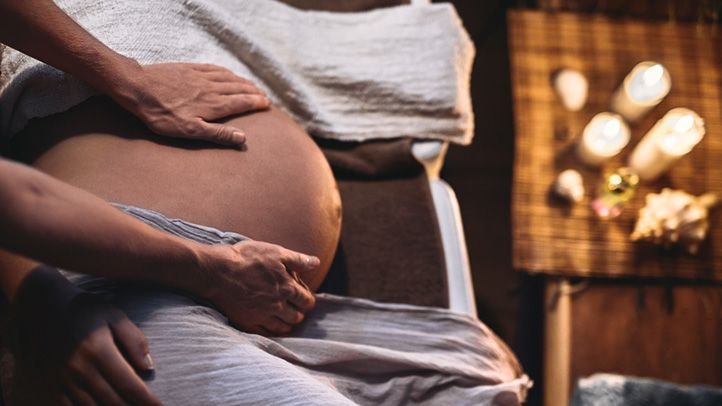
Full body massage is the most comprehensive solution for general travel fatigue. After a long journey, your muscles need to be reminded what it feels like to be in a relaxed state. A Swedish massage — gentle, flowing, non-invasive — is ideal for the first session after travel because it doesn't add more stress to already fatigued tissue. The therapist will spend extra time on your lower back and hips if you've been sitting, and on your neck and shoulders if those areas are tight.
Foot reflexology is particularly effective after travel. Your feet have been in a fixed position for hours — either on pedals, on a footrest, or dangling in a position that's not natural. The circulation in your feet has been compromised, leading to swelling and discomfort. Reflexology restores normal circulation, reduces swelling, and stimulates the nerve endings that have been under-stimulated during the period of inactivity.
Hot oil massage addresses the dehydration aspect of travel. Your skin loses moisture during travel — cabin air, train air, even car AC all have drying effects. Warm oil replenishes the skin's moisture barrier while the heat penetrates deep into the muscle tissue that has tightened up during the journey. The warmth also helps restore normal blood flow to areas that have been compressed by prolonged sitting.
For the swollen feeling — especially in the legs and feet — lymphatic drainage massage is the most effective option. This gentle, rhythmic technique manually moves the lymph fluid through your lymphatic system, reducing the swelling that accumulates during periods of inactivity. Clients consistently report an immediate feeling of lightness in their legs after a lymphatic drainage session.
When to Book Your Post-Travel Session
The timing of your post-travel massage matters. Ideally, you should book your session for the day after you arrive — not the same day. Your body needs a night of sleep to rest and rehydrate before a massage will be truly effective. Arriving at 7 AM and booking a massage for 10 AM the same day means your body is still in travel mode, and the massage won't have the same impact.
If you absolutely must have a session on the same day you arrive, make it a gentle foot reflexology or a short lymphatic drainage session instead of a full body massage. These are less demanding on the body and won't overwhelm an already stressed system.
The best window is 24 to 36 hours after arrival. By this point, you've slept, you've rehydrated, you've eaten properly, and your body has begun to normalize. A full body massage during this window will give you maximum benefit and accelerate your recovery significantly.
What Else Helps
Massage does the heavy lifting, but there are things you can do to support the process. Drink water consistently on the day of travel and the day after — aim for three litres spread across the day. Stretch as soon as you arrive — even five minutes of gentle stretching in your hotel room or at home will make a difference. Take a warm bath or shower before bed on the day of arrival — the heat helps your muscles release tension. And eat light meals — your digestive system is also affected by travel, and heavy food will add to the overall burden your body is carrying.
Avoid the temptation to go straight to the gym or for a run after a long journey. Your body needs recovery, not more work. Give it at least 24 hours before any intense physical activity. And during that 24-hour window, prioritize sleep above everything else. Sleep is when your body does its actual repair work, and nothing — not even the best massage — can replace the restorative power of a good night's sleep after travel.
If you've just arrived in Raipur and your body is telling you it needs attention, book a post-travel recovery session at Raipur SPA. We're located near Samta Colony and open 10 AM to 10 PM. WhatsApp us to schedule.
Client Scenario: Arjun's Business Trip Recovery
Arjun, a 36-year-old business consultant based in Raipur, travels frequently between Raipur, Nagpur, and Hyderabad for work. After one particularly gruelling week of back-to-back flights, hotel beds, and twelve-hour client meetings, he walked into Raipur SPA barely able to turn his neck. His shoulders were up near his ears from tension, and his lower back was in spasm from sitting through long meetings in unfamiliar chairs. We designed a three-step recovery protocol for him — a 30-minute Swedish massage to address general tension, followed by a 20-minute targeted deep tissue session on his shoulders, and finishing with a 10-minute foot reflexology to ground his nervous system. After the session, he said he felt like a different person. What impressed him most was waking up the next morning without the usual travel-related stiffness. He has since become a regular, scheduling a recovery session within 24 hours of returning from every business trip.
Scientific Insight: What Happens to Your Body During Long Travel
Prolonged sitting during travel — whether by car, train, or flight — causes a cascade of physiological changes that affect your body for days afterward. Blood pools in your lower extremities, reducing circulation by up to 40% after just two hours of uninterrupted sitting. Your hip flexors shorten and tighten, pulling your pelvis forward and creating lower back strain. Muscle fibres develop micro-adhesions from remaining static for extended periods. The sympathetic nervous system stays mildly elevated throughout travel, keeping cortisol levels higher than normal. All of these effects compound when you travel frequently. Post-travel massage directly addresses each of these issues — manual pressure restores circulation, stretches reverse muscle shortening, and the therapeutic touch brings the nervous system back into parasympathetic dominance.
Seasonal Advice: Post-Travel Recovery in Raipur's Climate
If you are arriving in Raipur during the summer months (April to June), your body is already dealing with heat stress when it steps out of your air-conditioned vehicle or train. Booking a spa session within three hours of arrival gives you the best recovery window. For monsoon travels, focus on lower body treatments as humidity tends to worsen ankle and foot swelling after long journeys. Winter arrivals benefit most from hot stone or warm oil treatments that contrast with the cool outside temperature and help your body acclimate.
FAQ: Should I Eat Before or After a Post-Travel Massage?
Try to have a light meal at least one hour before your session — a heavy meal will interfere with your body's ability to relax fully. After the massage, wait 30 minutes before eating and start with light, warm food ideally. Avoid cold drinks and alcohol for at least three hours after treatment to maintain the detoxification benefits.
People Also Ask
Related Articles
Wellness Guides, Pricing & FAQs
Benefits of Monthly Massage: Why Consistency Matters More Than You Think
8 min read · 05 May 2026
Wellness Guides, Pricing & FAQs
How Massage Improves Blood Circulation: The Science, Benefits and Best Techniques
8 min read · 05 May 2026
Wellness Guides, Pricing & FAQs
Massage for Diabetes Management: How Therapeutic Massage Supports Blood Sugar Control and Wellness
9 min read · 05 May 2026
Enjoyed This Article?
Stop reading about relaxation — come experience it firsthand at Raipur SPA.