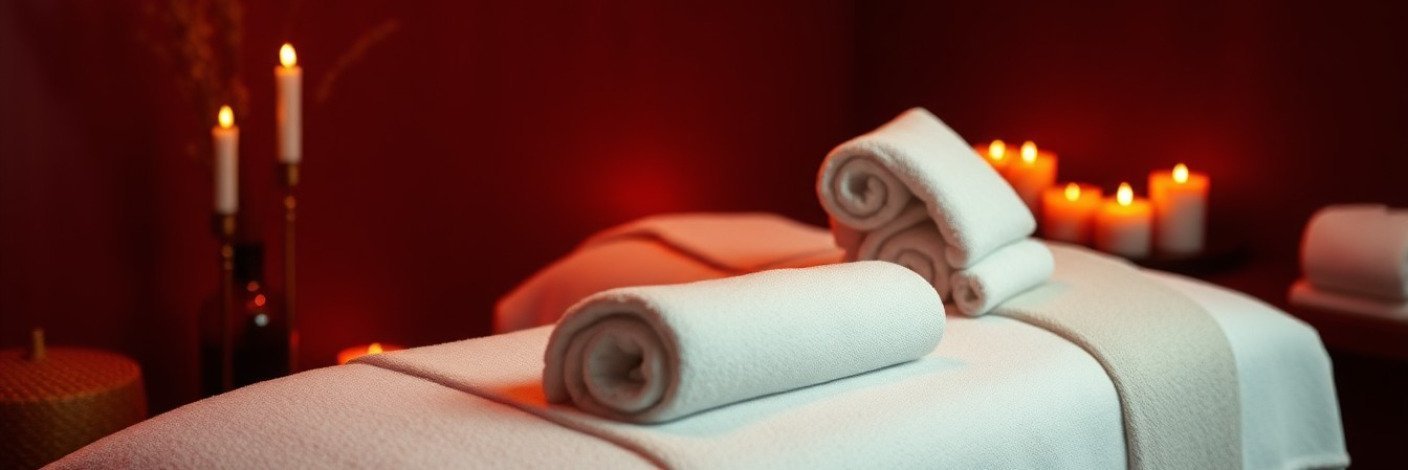
What is a post-workout recovery massage and is it available in Raipur?
A post-workout recovery massage is a sports-focused spa therapy that uses moderate pressure, assisted stretching, and targeted techniques on muscles worked during exercise. In Raipur, premium spas offer sports recovery sessions lasting 45 to 90 minutes, typically combining deep tissue work, myofascial release, and stretching to ease post-exercise tightness and support relaxation.
Key Takeaways
- • Post-workout recovery massage targets muscles used during exercise with moderate to firm pressure.
- • Sports spa therapy in Raipur usually combines deep tissue work, stretching, and myofascial techniques.
- • Sessions typically run 45 to 90 minutes depending on the areas treated.
- • Best timing is within a few hours to a day after intense training, based on personal comfort.
- • Hydration and open communication with the therapist improve the session experience.
- • Recovery massage complements rest, nutrition, and sleep rather than replacing them.
Post-workout recovery massage in Raipur is a targeted sports spa therapy designed to ease muscle soreness, improve flexibility, and speed up recovery after exercise. Using techniques like deep tissue massage, myofascial release, and assisted stretching, it helps athletes and fitness enthusiasts in Raipur recover faster and perform better. Whether you train at a local gym in Devendra Nagar, run along the Telibandha lake, play cricket at a ground in Shankar Nagar, or follow a home workout routine, recovery is the part of fitness most people skip — and it is often the part that decides whether you keep improving or plateau with nagging aches.
Key Takeaways
- Recovery massage reduces delayed onset muscle soreness (DOMS) and improves blood circulation.
- Sports spa therapy in Raipur combines deep tissue work, stretching, and relaxation techniques.
- Sessions typically last 60–90 minutes and are tailored to your fitness routine.
- Raipur SPA in Samta Colony offers expert therapists and therapies starting from ₹999.
- Open daily from 11:00 AM to 09:00 PM, making it easy to fit recovery into your schedule.
- Book via WhatsApp or call +91 7987 303 127 for a personalized recovery plan.
Why Recovery Matters After a Workout
You push hard at the gym, on the track, or on the field. But gains happen during recovery, not during the workout itself. When you train, you create tiny micro-tears in muscle fibers and deplete energy stores. The actual strengthening — the adaptation — happens in the hours and days afterward, while your body repairs tissue, replenishes glycogen, and recalibrates the nervous system. Without proper recovery, you risk overuse injuries, fatigue, and stalled progress.
Think about what a typical week looks like for a fitness enthusiast in Raipur. Maybe you lift weights four days a week, play badminton on weekends, and squeeze in a morning walk. Each session adds a little more stress. If sleep is short, hydration is poor, and there is no deliberate recovery, that stress accumulates. That is when the shoulder starts clicking, the lower back feels tight, and the knees complain on stairs. These are not random problems — they are usually the body asking for recovery it never received.
In Raipur, where fitness culture is growing rapidly, more people are discovering that recovery is not a luxury — it's a necessity. A post-workout recovery massage helps flush out metabolic waste, reduce inflammation, and restore range of motion. It also gives you something harder to measure but easy to feel: a calmer nervous system, better sleep, and a body that feels ready to train again instead of dreading the next session.
Here is a practical way to think about it. If you spend 45 minutes training, spending even 10 minutes on recovery basics — hydration, light stretching, sleep — already helps. A professional massage once a week or once a fortnight takes that to another level, especially if you are training for a specific goal like a marathon, a cricket season, or a strength milestone.
What Is Sports Spa Therapy?
Sports spa therapy is a specialized branch of massage therapy focused on athletes and active individuals. It blends modalities like deep tissue massage, trigger point therapy, myofascial release, and passive stretching. The goal is not just to make you feel relaxed for an hour — it is to restore how your muscles and joints function so your next workout feels smoother.
Unlike a relaxation massage, sports massage targets specific muscle groups used in your activity. Whether you're a runner, weightlifter, cricketer, or yogi, the therapist adapts pressure and technique to your needs. A runner with tight calves and IT bands gets very different work than a lifter with a stiff upper back or a cricketer with a fatigued bowling shoulder.
How It Differs from a Regular Massage
A regular massage aims to relax. A sports recovery massage aims to restore function. The therapist may use firmer pressure, focus on problem areas, and incorporate movement — for example, asking you to gently flex your ankle while they work on your calf, or rotate your arm while they release the shoulder.
You might feel some discomfort during deep tissue work, but it should be bearable. Always communicate with your therapist about pressure. A good therapist will check in regularly and adjust. The old idea of "no pain, no gain" in massage is outdated; effective recovery work should leave you feeling looser and lighter, not bruised and drained.
The Science Behind It (In Simple Terms)
Massage does a few practical things. It increases local blood flow, which brings oxygen and nutrients to tired tissue. It can reduce swelling and help move fluid that builds up after intense exercise. It stimulates the nervous system in a way that lowers the stress response — which is why many people sleep better after a session. And through stretching and manual pressure, it helps restore range of motion in joints that have stiffened up after repetitive training.
You do not need to understand the physiology to benefit. But knowing why it works helps you use it smartly — for example, scheduling a session after your hardest training day rather than before a big lift.
Benefits of Post-Workout Recovery Massage in Raipur
Here's what you can expect when you book a recovery massage at Raipur SPA:
- Reduced muscle soreness: Massage helps decrease DOMS by improving circulation and reducing swelling. If you have ever struggled to sit down two days after a heavy leg day, you know how valuable this is.
- Improved flexibility: Stretching and massage techniques increase range of motion. Better flexibility means better movement patterns in your next session — deeper squats, smoother running strides, less compensation.
- Faster recovery: Enhanced blood flow delivers oxygen and nutrients to tired muscles. This can mean feeling ready to train a day earlier than you otherwise would.
- Injury prevention: Regular sessions can identify tight spots before they become injuries. Therapists often notice imbalances — one hip tighter than the other, a shoulder that does not rotate fully — that you may not feel yet.
- Stress relief: Recovery is also mental. Massage lowers cortisol and boosts mood. For anyone balancing work, family, and training in a busy city, that hour of calm is genuinely therapeutic.
- Better sleep: Many clients report deeper sleep on the night of a massage, which is when most tissue repair happens.
- Improved body awareness: A session makes you notice where you hold tension. That awareness helps you correct posture and training habits between sessions.
These benefits compound. One massage helps you feel better for a few days. Regular sessions, combined with good sleep and hydration, change how your body handles training over months.
Types of Recovery Massages We Offer
At Raipur SPA, we tailor each session to your fitness routine. Here are the main options:
Deep Tissue Massage
Focused on deeper muscle layers and fascia. Ideal for heavy lifters and those with chronic tightness. The therapist uses slower strokes and sustained pressure to reach tissue that lighter massage cannot. If you sit at a desk all day and then lift heavy in the evening, this is often the best starting point. Expect some intensity, but the pressure is always adjusted to what you can comfortably tolerate.
Swedish Massage
Gentler, flowing strokes to relax and improve circulation. Great for post-cardio recovery or rest days. If you have just finished a long run or a high-energy Zumba class, Swedish massage helps calm the system without adding more intensity. It is also a good choice if it is your first massage and you are unsure about deep pressure.
Trigger Point Therapy
Targets specific knots that refer pain to other areas. Perfect for relieving stubborn tension. A trigger point in the upper back, for example, can cause headaches; one in the glutes can mimic sciatica. Therapists apply focused pressure to release these spots, often followed by stretching to keep them from returning.
Assisted Stretching
Passive stretches performed by the therapist to improve flexibility and joint mobility. This is especially useful for people who struggle to stretch effectively on their own or who have very tight hamstrings, hips, or shoulders. It pairs well with any of the massage types above.
Myofascial Release
Fascia is the connective tissue that wraps around muscles. When it tightens, it can restrict movement and cause discomfort. Myofascial release uses slow, sustained pressure to loosen these restrictions. Runners and cyclists often benefit, as do people who feel "stuck" in certain movements despite stretching regularly.
Not sure which one suits you? Our therapists will assess your needs and recommend the best approach. Many clients combine two modalities — for example, deep tissue work on the legs followed by assisted stretching — in a single session.
What to Expect During Your Session
Your first visit starts with a brief consultation. We'll ask about your workout routine, any pain points, and your goals. Be honest about your training volume — if you have jumped from three workouts a week to six, that context matters. Mention any past injuries, even old ones, because they often influence how your body moves today.
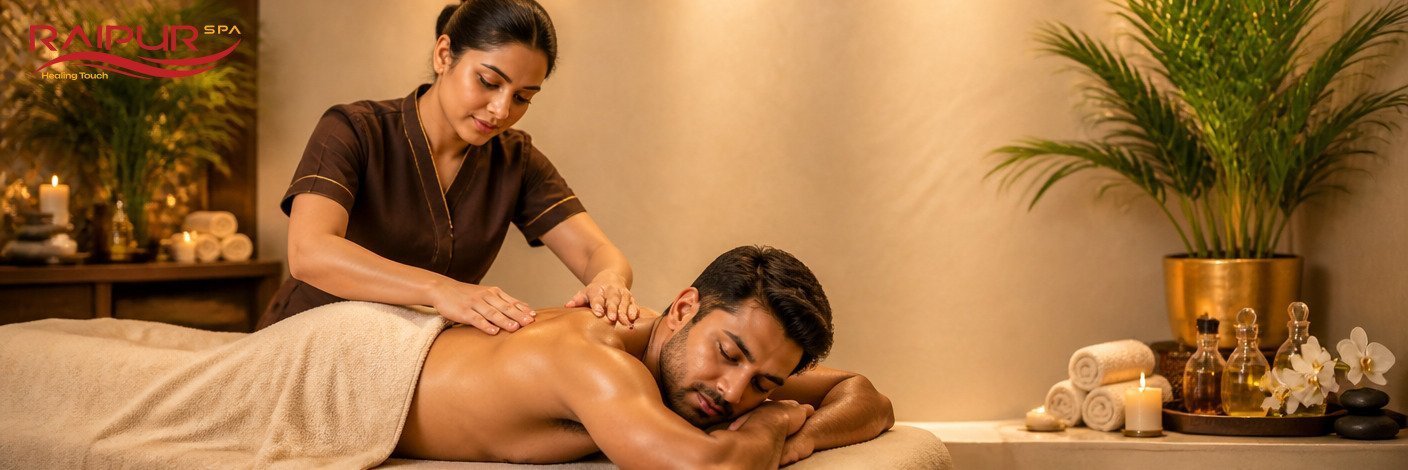
Then, you'll be escorted to a calm, private room. The therapist will use oils or lotions and adjust pressure as needed. Sessions last 60 to 90 minutes. During the massage, you may be asked to move slightly — flex a wrist, turn your head, or bend a knee — so the therapist can work effectively. This is normal and helps target the right tissue.
After the massage, you'll receive aftercare tips — like hydration and light stretching — to maximize benefits. You might feel a little drowsy or very relaxed for the rest of the day. That is a good sign; it means your nervous system has shifted into recovery mode.
How to Prepare Before Your Appointment
- Avoid a heavy meal in the hour before your session; a light snack is fine.
- Come hydrated — drink water through the day before your appointment.
- Wear comfortable clothing that is easy to change out of.
- Avoid intense training immediately before a deep tissue session; a light warm-up or a rest day is better.
- Arrive a few minutes early so you can settle in without rushing.
How Often Should You Get a Recovery Massage?
Frequency depends on your training intensity. For intense daily training, a weekly session is ideal. For moderate exercise, once every two weeks works well. If you are training for a specific event — a half marathon, a powerlifting meet, or a cricket tournament — you may benefit from more frequent sessions in the weeks leading up to it.
Listen to your body. If you're constantly sore or fatigued, increase frequency. If you feel fresh and are recovering well, you can space sessions out. A simple rule: if soreness lasts more than 48–72 hours after a workout, or if the same tight spot keeps returning, it is a signal to book a session sooner rather than later.
During competition season, more frequent sessions can help maintain peak performance. Outside of it, use massage as maintenance — a way to keep the body balanced so small issues do not turn into injuries that force you to stop training entirely.
Sample Recovery Schedule for Different Lifestyles
- Weekend warrior: One session every two to three weeks, ideally after your most demanding activity.
- Regular gym-goer (4–5 days a week): One session weekly or fortnightly, alternating deep tissue and Swedish.
- Endurance athlete (running, cycling, triathlon): Weekly sessions, with extra focus on legs and hips during high-mileage weeks.
- Strength athlete: Weekly or fortnightly deep tissue sessions, prioritizing the back, shoulders, and hips.
Practical Recovery Tips to Pair with Massage
Massage works best when it is part of a broader recovery routine. Here are simple habits that make a real difference:
- Hydrate consistently: Water supports circulation and helps your body clear metabolic waste. Keep a bottle handy through the day, not just after workouts.
- Prioritize sleep: Seven to nine hours is when most repair happens. No massage can fully compensate for chronic sleep deprivation.
- Move gently on rest days: A short walk, easy cycling, or light mobility work keeps blood flowing without adding stress.
- Stretch the areas you train most: Five to ten minutes of targeted stretching after workouts goes a long way.
- Eat enough protein: Muscle repair needs building blocks. Spread protein across meals rather than loading it all at dinner.
- Use heat and cold sensibly: A warm shower after training can help relax tight muscles; cold packs can help with acute swelling.
None of these habits are complicated. The challenge is consistency. Pairing them with a regular massage gives your body the best chance to adapt to training rather than break down under it.
Why Choose Raipur SPA for Sports Recovery?
Located in Samta Colony, Raipur SPA is a premium wellness center with certified therapists trained in sports massage. We use high-quality oils and maintain a hygienic, serene environment. Every session begins with a conversation about your training and ends with practical aftercare advice — not a rushed exit.
Our therapies start from ₹999, making professional recovery accessible. We're open daily from 11:00 AM to 09:00 PM, so you can book a session after work or training. If you train early in the morning, an evening appointment helps you wind down; if you train in the evening, a late-afternoon slot works well.
Whether you're a serious athlete or a weekend warrior, our team will help you recover smarter. We understand that people in Raipur have busy schedules, so we keep booking simple — a quick WhatsApp message or call is all it takes.
Common Mistakes to Avoid After a Workout
Recovery is as much about what you avoid as what you do. These are the mistakes we see most often:
- Skipping recovery entirely: Training hard and recovering poorly is like saving money while leaving a tap running.
- Training through sharp pain: Soreness is normal; sharp, localized pain is not. Get it checked rather than pushing through.
- Overdoing deep tissue massage: More intense is not always better. Too-frequent deep work can leave you sore and fatigued. Follow your therapist's guidance.
- Ignoring hydration: Dehydration slows recovery and makes muscles feel tighter.
- Treating massage as a substitute for sleep: It supports recovery; it does not replace the basics.
Frequently Asked Questions
What is a post-workout recovery massage?
It's a massage focused on relieving muscle tension, reducing soreness, and improving circulation after exercise. It uses techniques like deep tissue work and stretching to aid recovery.
How long does a recovery massage take?
Sessions typically range from 60 to 90 minutes, depending on your needs and the areas treated.
Is sports massage painful?
You may feel some discomfort during deep tissue work, but it should not be unbearable. Communicate with your therapist to adjust pressure.
Can I get a massage after every workout?
Not necessarily. For most people, 1–2 sessions per week are sufficient. High-intensity athletes may benefit from more frequent sessions.
What should I do after a recovery massage?
Drink plenty of water, avoid intense activity for a few hours, and do light stretching to enhance the effects.
Do I need to book in advance?
Yes, we recommend booking ahead to secure your preferred time. You can book via WhatsApp or call +91 7987 303 127.
Is a recovery massage suitable for beginners?
Absolutely. If you are new to exercise or new to massage, tell your therapist. They will use lighter pressure and focus on helping you relax while still addressing tight areas.
Can massage help with old injuries?
It can help manage tightness and scar tissue around old injuries, but it is not a substitute for medical treatment. Share your history with the therapist so they can work safely and appropriately.
Ready to Recover?
Don't let muscle soreness hold you back. Book your post-workout recovery massage at Raipur SPA today. Call or WhatsApp us at +91 7987 303 127 to schedule your session. Whether you need a single deep tissue session after a tough week or a regular recovery plan to support your training, our team in Samta Colony is ready to help you move better, feel better, and train with confidence.
Frequently Asked Questions
How soon after a workout should I get a recovery massage?
Many people book a session within a few hours to a day after training. Light recovery work right after exercise can feel soothing, while deeper sessions are often better the next day. Choose timing based on your comfort and the therapist's guidance.
What techniques are used in sports spa therapy?
Sports spa therapy typically includes deep tissue massage, myofascial release, trigger point work, and assisted stretching. Therapists adjust pressure and focus areas based on your activity and the muscles you trained. The goal is to ease tightness and support relaxation.
How long does a post-workout recovery massage take in Raipur?
Most sports recovery sessions in Raipur last between 45 and 90 minutes. Shorter sessions focus on one or two muscle groups, while longer ones cover the full body. Spas usually confirm duration when you book.
Is a recovery massage painful?
Pressure is adjusted to your comfort level, so it should feel firm but manageable. Some tight spots may feel intense briefly, and you can ask the therapist to reduce pressure at any time. Communicate openly throughout the session.
What should I do after a recovery massage?
Drink water, avoid intense training for the rest of the day, and get adequate sleep. Light movement like walking can help you feel comfortable. Follow any aftercare suggestions your therapist provides.
Do I need to book a sports massage in advance in Raipur?
Advance booking is recommended, especially on weekends and evenings when premium spas are busier. Calling ahead lets you choose your preferred therapist and session length. Same-day slots may be available but are not guaranteed.
Book Your Session
Book Your SessionPeople Also Ask
Related Articles
Massage Therapy
Pain Relief Massage in Raipur 2027: Best Therapies for Back and Joint Pain
12 min read · 23 Nov 2026

Massage Therapy
Massage Therapy Trends in Raipur 2027: What to Expect This Year
14 min read · 23 Nov 2026

Massage Therapy
Hot Stone Massage in Raipur (2027 Guide): Warm Therapy for Deep Relaxation
13 min read · 22 Nov 2026
Enjoyed This Article?
Stop reading about relaxation — come experience it firsthand at Raipur SPA.