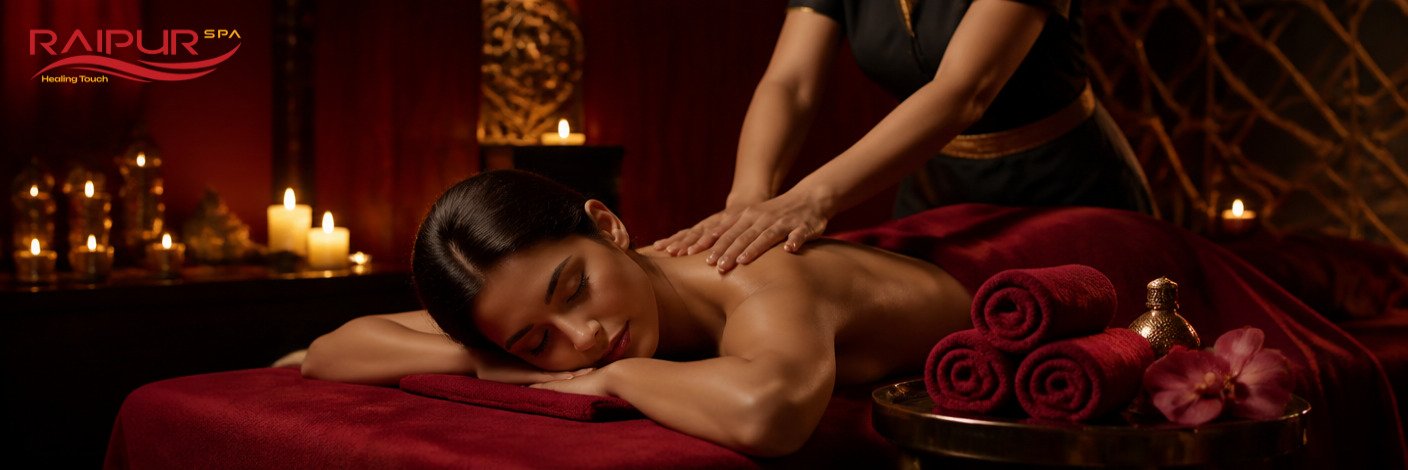
What are the benefits of post-workout recovery massage in Raipur?
Post-workout recovery massages in Raipur help reduce muscle soreness, improve flexibility, and speed up recovery by increasing blood flow and reducing inflammation. These treatments are popular among athletes for their ability to alleviate tension and promote relaxation. Regular sessions can enhance performance and prevent injuries, making them a valuable addition to any fitness routine.
Key Takeaways
- • Post-workout massage reduces muscle soreness and stiffness.
- • Improves blood circulation, aiding in faster recovery.
- • Enhances flexibility and range of motion.
- • Helps in flushing out metabolic waste from muscles.
- • Reduces stress and promotes mental relaxation.
- • Can prevent injuries by identifying and addressing tight areas.
Post-workout recovery massages are targeted spa treatments that help muscles repair, reduce soreness, and improve flexibility after exercise. For athletes in Raipur, they are not a luxury but a smart performance tool. Regular sports massage at a professional spa like Raipur SPA speeds up recovery, prevents injuries, and keeps you training at your best.
- Faster recovery: Massage increases blood flow, delivering oxygen and nutrients to tired muscles, which reduces DOMS (delayed onset muscle soreness).
- Injury prevention: Regular sessions keep muscles and connective tissues supple, decreasing the risk of strains and tears.
- Improved flexibility: Stretching and kneading release tension, improving range of motion and athletic performance.
- Mental reset: The relaxation response lowers cortisol, helping you stay calm and focused.
- Better sleep: Post-massage relaxation improves sleep quality, which is crucial for muscle repair and growth.
- Local expertise: Raipur SPA in Samta Colony offers sports-specific therapies starting at just ₹999, open daily 11 AM to 9 PM.
Why Athletes in Raipur Are Turning to Spa Therapy
Raipur's active community—runners, gym-goers, cricketers, and footballers—is discovering what pros have known for years: recovery is as important as the workout. In a city where humidity can be intense, muscles fatigue faster. A post-workout massage at Raipur SPA not only soothes tired legs but also helps your body adapt to training stress.
Local athletes often juggle jobs and training, so they need efficient recovery. A 60-minute session here can replace hours of foam rolling and ice baths. Plus, the calming environment of a spa offers a break from the city's hustle, letting your nervous system switch off.
Raipur's climate adds an extra layer of challenge. With temperatures soaring in summer and humidity lingering during monsoon, athletes sweat more and lose essential electrolytes, leading to quicker muscle fatigue and cramping. A massage after training helps rehydrate tissues by improving circulation, and the cool, air-conditioned environment of a spa provides a welcome respite from the heat. Many local athletes have shared how a session at Raipur SPA has become their secret weapon for staying consistent with their fitness goals despite the demanding weather.
Moreover, the culture of fitness in Raipur is evolving. Gyms and sports clubs are proliferating, and events like marathons and cricket tournaments are becoming regular. With this boom, there's a growing awareness that recovery is not just about rest but about active recovery techniques. Spa treatments are no longer seen as indulgent but as a necessary part of a serious athlete's routine. The word-of-mouth among Raipur's sports community is strong: those who prioritize recovery outperform those who don't.
The Science Behind Muscle Recovery
When you exercise, you create micro-tears in muscle fibers. Your body repairs these tears, making muscles stronger—but that repair takes time. Massage accelerates this by boosting circulation. More blood means more oxygen and nutrients to the damaged tissue, while waste products like lactic acid are flushed away faster.
Research shows that massage also reduces inflammation by stimulating mitochondria, the powerhouses of cells. And there's a neurological effect: pressure signals from massage decrease pain perception. So, that post-workout ache? It fades quicker with skilled hands.
Let's dive deeper into the physiology. When you engage in strenuous activity, your muscle fibers sustain microscopic damage. This triggers an inflammatory response, which is a natural part of healing. However, excessive inflammation can lead to prolonged soreness and delayed recovery. Massage helps modulate this response by promoting the release of anti-inflammatory cytokines while reducing pro-inflammatory ones. A study published in the Journal of Athletic Training found that massage performed immediately after exercise significantly reduced delayed onset muscle soreness (DOMS) and improved muscle function over the following days.
Additionally, massage stimulates the lymphatic system, which is responsible for removing metabolic waste from tissues. Unlike the circulatory system, the lymphatic system relies on external pressure to move lymph fluid. The rhythmic strokes of a massage help drain excess fluid and waste products, reducing swelling and promoting faster healing. This is particularly beneficial for athletes who train at high intensities and accumulate metabolic byproducts like hydrogen ions and urea.
Another critical aspect is the effect on the nervous system. Massage activates the parasympathetic nervous system, often called the 'rest and digest' system. This lowers heart rate, reduces blood pressure, and induces a state of deep relaxation. This shift not only helps mental recovery but also facilitates physical repair, as the body can allocate more resources to healing when it's not in a 'fight or flight' state. Regular massage has been shown to lower cortisol levels (the stress hormone) and increase serotonin and dopamine, which improve mood and overall well-being.
Best Massage Techniques for Post-Workout Recovery
Swedish Massage: Gentle yet Effective
If you're new to sports massage or just finished a light session, Swedish massage is ideal. Long, flowing strokes relax muscles, improve circulation, and ease mental stress. It's perfect for overall recovery without deep pressure.
Swedish massage employs a variety of techniques including effleurage (long gliding strokes), petrissage (kneading), tapotement (rhythmic tapping), and friction. Each technique serves a specific purpose: effleurage warms up the tissue and promotes blood flow, petrissage lifts and squeezes muscles to release tension, tapotement stimulates nerve endings, and friction breaks down adhesions. This combination makes Swedish massage an excellent choice for athletes who want to unwind after a moderate workout or for those who are new to massage and want to understand how their body responds to pressure.
For a beginner, a Swedish massage can last 30 to 60 minutes. The therapist will usually start with gentle strokes to relax the muscles, then gradually increase pressure as the body opens up. It's a great introduction to the benefits of professional massage and can be a gateway to more specialized techniques as your training intensity increases.
Deep Tissue Massage: For Knots and Tightness
For intense training days, deep tissue targets the deeper layers of muscle and fascia. Therapists use slow, firm strokes to break down adhesions and release chronic tension. It can be slightly uncomfortable but highly effective for hamstrings, quads, and back.
Deep tissue massage is not just about applying more pressure; it's about working systematically to reach the underlying muscles and connective tissue. The therapist uses their fingers, thumbs, elbows, and forearms to apply sustained pressure on specific areas, often following the muscle fibers. This technique is particularly beneficial for breaking up scar tissue and adhesions that form after repetitive motion or injury. For athletes, common problem areas include the iliotibial (IT) band, the piriformis muscle in the glutes, and the rhomboids in the upper back.
It's essential to communicate with your therapist during a deep tissue session. While some discomfort is expected, it should never be unbearable. The therapist can adjust pressure and technique to ensure you get the most out of the session without causing additional stress. After a deep tissue massage, you may feel soreness for a day or two, similar to a good workout. This is normal and indicates that the treatment is working. Hydration and light stretching can help alleviate any post-massage discomfort.
Sports Massage: Targeted and Strategic
This technique focuses on areas that are overused from repetitive motion. Whether you're a bowler with shoulder issues or a runner with tight calves, sports massage uses stretching and pressure to improve function. It's often done pre-event to warm up, and post-event to cool down.
Sports massage is a specialized form of massage that is tailored to the demands of a particular sport. It involves a thorough assessment of your training routine, muscle imbalances, and any existing injuries. The therapist then designs a session that addresses your specific needs. Techniques may include deep tissue work, stretching, compression, and joint mobilization. The goal is to enhance performance, prevent injuries, and speed up recovery.
Pre-event sports massage is typically lighter and focused on warming up the muscles and increasing blood flow. It might involve brisk strokes and passive stretching to prepare the body for activity. Post-event massage, on the other hand, is deeper and aims to reduce muscle tension, flush out metabolic waste, and promote relaxation. It's usually done within a few hours after the event to maximize benefits. Sports massage is also used during training cycles to maintain flexibility and address any developing issues before they become injuries.
When to Book a Post-Workout Massage
The ideal window is within 1-2 hours after exercise, while muscles are still warm. However, any time within 24 hours is beneficial. If you're sore, wait a day to avoid further inflammation. Regular weekly sessions work best for consistent training loads.
Timing is everything when it comes to maximizing the benefits of a post-workout massage. Immediately after a workout, your muscles are engorged with blood and metabolic waste. A massage within this window can help flush out waste products and kickstart the recovery process. If you can't book an appointment right away, don't worry—a massage later in the day is still effective. The key is to avoid massaging a muscle that is severely inflamed or injured, as this could exacerbate the problem.
For athletes with intense training schedules, such as marathon runners or competitive swimmers, a weekly massage is often recommended. This allows for consistent recovery and helps prevent overuse injuries. For those who are less active, a bi-weekly or monthly session may suffice. It's also essential to listen to your body. If you feel especially fatigued or sore, a massage can be a great way to accelerate recovery. On the other hand, if you have an acute injury, such as a muscle tear or severe sprain, it's best to consult a physiotherapist before booking a massage.
At Raipur SPA, we recommend a 45-60 minute massage for general recovery, but even a 30-minute focus session on your most worked muscles can make a difference. Listen to your body—if you feel sharp pain, skip the massage and consult a physio.
What to Expect During Your First Massage at Raipur SPA
When you walk into Raipur SPA in Samta Colony, you'll be greeted by a calm, aromatic space. After a brief consultation, a trained therapist will ask about your activity level and any problem areas. You'll be draped with sheets, and only the area being worked on is uncovered—your privacy is respected.
Your therapist will use a blend of oils or lotion to reduce friction. They'll check pressure with you, so speak up if it's too strong or gentle. After the session, drink plenty of water to flush out toxins. Many clients feel relaxed and slightly sleepy—that's normal.
Let's walk through the experience step by step. Upon arrival, you'll be offered a refreshing drink, perhaps herbal tea or infused water. The consultation is thorough: the therapist will ask about your fitness routine, any current pain or discomfort, your sleep patterns, and your goals for the session. This information is crucial for tailoring the massage to your needs. You'll then be shown to a private room, where you can undress to your comfort level. Most people choose to remove all clothing, but you can keep on undergarments if you prefer. You'll lie on a comfortable massage table, covered with a soft sheet and blanket.
The therapist will begin with a few minutes of gentle, flowing strokes to warm up the muscles. They will then focus on the areas you've identified, using appropriate pressure and techniques. Throughout the session, you can communicate with your therapist—whether you want more pressure, less pressure, or if you need to adjust your position. The environment is designed to be calming, with soft lighting, soothing music, and a warm temperature. After the massage, you'll be given time to rest for a few minutes before getting up. The therapist will then offer you a glass of water and provide aftercare advice, such as stretching tips or recommendations for future sessions.
It's normal to feel a bit tired or lightheaded immediately after a massage, especially if you had a deep tissue session. This is due to the release of toxins and the relaxation response. Taking it easy for the rest of the day and staying hydrated will help you feel refreshed by the next morning.
Complementary Spa Treatments for Athletes
Hot Stone Massage
Warm stones placed on key points help melt away deep tension. The heat penetrates muscles, increasing blood flow and easing stiffness. It's a fantastic follow-up to a workout, especially for the back and shoulders.
Hot stone massage is a deeply soothing treatment that uses smooth, heated basalt stones. The therapist places these stones on specific points on your body, such as along the spine, on the palms, or between the toes. The heat from the stones penetrates deep into the muscles, causing them to relax and allowing the therapist to work more effectively. The warmth also dilates blood vessels, enhancing circulation and promoting the removal of toxins.
For athletes, hot stone massage can be particularly beneficial for chronic tension areas like the neck, shoulders, and lower back. The heat helps to loosen tight fascia and reduce muscle spasms. Additionally, the comforting weight of the stones can have a grounding effect, reducing anxiety and promoting mental clarity. Many athletes find that combining hot stone massage with regular sports massage provides a comprehensive approach to recovery.
Aromatherapy
Essential oils like lavender and eucalyptus can enhance relaxation and ease muscle pain. Inhaled or absorbed through the skin, they add a sensory layer to your recovery.
Aromatherapy is the use of essential oils extracted from plants to improve physical and emotional well-being. When inhaled, the scent molecules travel to the brain's limbic system, which controls emotions and memories. This can trigger immediate relaxation or invigoration, depending on the oil. When applied to the skin, essential oils are absorbed into the bloodstream, where they can have anti-inflammatory, analgesic, or calming effects.
For post-workout recovery, certain oils are particularly effective. Lavender is renowned for its calming properties and can help reduce anxiety and promote sleep. Eucalyptus has a cooling effect and can help relieve muscle and joint pain. Peppermint oil is invigorating and can help soothe sore muscles. Your massage therapist at Raipur SPA can customize an aromatherapy blend to suit your specific needs, whether you're looking to relax after a tough session or energize before a competition.
Steam and Sauna
While not a massage, alternating heat and cold can boost recovery. Our spa facilities help relax muscles and improve circulation, making your massage even more effective.
Steam rooms and saunas have been used for centuries for their therapeutic benefits. The heat causes blood vessels to dilate, increasing blood flow to muscles and skin. This helps to bring oxygen and nutrients to tired tissues while removing waste products. It also induces sweating, which helps to eliminate toxins through the skin. After a workout, a session in a steam room or sauna can help to relax muscles, reduce joint stiffness, and promote a sense of well-being.
At Raipur SPA, we recommend using the steam or sauna after your massage to extend the benefits. The combination of massage and heat can be incredibly effective for recovery. Just be sure to stay hydrated—drink plenty of water before and after your steam or sauna session. If you're new to heat therapy, start with a short session of 5-10 minutes and gradually increase the time as your body acclimates.
DIY Recovery Tips to Extend the Benefits
Between spa visits, take care of your body. Hydrate well—water is essential for muscle function. Eat protein-rich meals within two hours of exercise. Stretch lightly, but avoid deep stretching on sore muscles. Use a foam roller for maintenance, but don't overdo it. And most importantly, get at least 7-9 hours of sleep—that's when your body does its deepest repair.
Let's expand on these tips. Hydration is not just about drinking water; it's about maintaining electrolyte balance. After intense sweating, you lose sodium, potassium, and magnesium. Consider adding an electrolyte drink to your post-workout routine. Foods rich in potassium, such as bananas and sweet potatoes, can also help. Protein intake is crucial for muscle repair. Aim for 20-30 grams of high-quality protein within two hours of your workout. Sources include lean meats, eggs, dairy, legumes, and plant-based proteins like tofu.
Stretching is important, but timing matters. Immediately after a workout, focus on gentle, static stretches that hold for 20-30 seconds. Avoid ballistic stretching, which can cause injury. On rest days, you can do more thorough stretching or yoga to improve flexibility. Foam rolling is a form of self-myofascial release that can help break up adhesions and improve blood flow. However, over-rolling can cause bruising or inflammation. Limit each muscle group to 1-2 minutes of rolling.
Sleep is perhaps the most underrated recovery tool. During deep sleep, your body releases growth hormone, which stimulates tissue repair and muscle growth. Aim for 7-9 hours of quality sleep per night. To improve sleep hygiene, maintain a consistent sleep schedule, avoid screens before bed, and create a cool, dark environment. If you struggle with sleep, consider relaxation techniques such as meditation or reading before bedtime.
Why Raipur Athletes Choose Raipur SPA
Raipur SPA stands out for its experienced therapists, clean environment, and reasonable pricing. We understand the local athlete's needs—whether you're training for a marathon or just love weekend sports. Our treatments start at ₹999, making regular recovery affordable. Plus, we're open daily from 11 AM to 9 PM, so you can book around your schedule.
Our therapists are trained in various modalities and can customize each session. We believe recovery is personal, and we take time to understand your body. That's why so many local athletes trust us with their performance.
Let's delve into what makes Raipur SPA unique. First, our team consists of certified therapists with years of experience in sports massage and rehabilitation. They stay updated with the latest techniques and are committed to continuous learning. Second, our facility is designed with athlete recovery in mind. We have private rooms, state-of-the-art massage tables, and a serene ambiance that promotes relaxation. Third, we offer flexible scheduling, including early morning and evening appointments, to accommodate busy training schedules. We also provide personalized recovery plans that may include a combination of massage, stretching, and heat therapy.
Our pricing is transparent and affordable. A 60-minute sports massage is ₹999, and we offer packages for regular clients. We also have membership options that include additional benefits like discounts on other treatments. Our location in Samta Colony is easily accessible from anywhere in Raipur, with ample parking available.
But don't just take our word for it. Many local athletes have shared their success stories. For example, Rohan, a marathon runner, credits regular massages at Raipur SPA for helping him shave 10 minutes off his personal best. Priya, a fitness enthusiast, says that the deep tissue sessions have resolved her chronic lower back pain, allowing her to train consistently. These testimonials reflect our commitment to quality and results.
Frequently Asked Questions
How soon after a workout should I get a massage?
Ideally, within a few hours, but even up to 24 hours later is beneficial. If you're extremely sore, wait a day to reduce inflammation.
Is a sports massage painful?
It can be uncomfortable, especially on tight areas, but it should never be unbearable. Good communication with your therapist ensures you're in control.
How often should I get a recovery massage?
For moderate training, once a week works well. Intense athletes might benefit from two sessions, while casual exercisers can go every two weeks.
Can massage replace a cool-down?
No, a light cool-down and stretching are still important. Massage complements, not replaces, proper recovery habits.
What should I wear to a massage?
Wear comfortable clothing. You'll undress to your comfort level, and you'll be covered with sheets throughout.
Are there any conditions where massage is not recommended?
Yes. If you have fever, infection, severe varicose veins, or recent fractures, it's best to avoid massage. Always consult your doctor if unsure.
Can I eat before a massage?
It's best to have a light meal or snack about an hour before your massage. Avoid heavy meals, as lying on your stomach can be uncomfortable. Also, avoid alcohol and caffeine before your session, as they can dehydrate you and interfere with relaxation.
What if I have an injury?
Always inform your therapist about any injuries before your session. They can adapt the massage to avoid affected areas or focus on supporting recovery. In some cases, they may recommend a specific type of massage or refer you to a physiotherapist if needed.
Ready to Recover Better?
Your workout deserves a proper finish. Treat your body to a professional recovery massage at Raipur SPA and feel the difference. Call or WhatsApp us at +91 7987 303 127 to book your session. Walk in refreshed, train harder, and recover smarter.
We are located in Samta Colony, Raipur. Our doors are open from 11 AM to 9 PM every day. Whether you're a seasoned athlete or just starting your fitness journey, our team is ready to support you. Book your appointment today and experience the benefits of professional recovery massage.
Frequently Asked Questions
How soon after a workout should I get a massage?
Ideally, wait 1-2 hours after a workout to allow your body to cool down and rehydrate. This ensures optimal benefits without interfering with the body's natural recovery processes.
What type of massage is best for post-workout recovery?
Sports massage or deep tissue massage are often recommended as they target specific muscle groups and deeper layers of tissue to relieve tension and promote recovery.
Can post-workout massage help with delayed onset muscle soreness (DOMS)?
Yes, massage can reduce the severity of DOMS by improving circulation and reducing inflammation, though it may not completely eliminate it.
Are there any risks associated with post-workout massage?
When performed by a professional, massage is generally safe. However, if you have certain medical conditions, injuries, or are pregnant, consult your doctor first.
How often should athletes get a recovery massage?
It depends on training intensity. Many athletes benefit from a weekly massage, while others may schedule one after intense events or competitions.
What should I do after a recovery massage to maximize benefits?
Hydrate well, rest, and consider light stretching. Avoid intense workouts for at least 24 hours to allow your muscles to recover fully.
Book Your Session
Book Your SessionPeople Also Ask
Related Articles
Massage Therapy
Ayurvedic Massage in Raipur: Dosha-Based Therapies for Balance and Energy
11 min read · 23 Oct 2026
Massage Therapy
Pain Relief Through Massage: How Spa Therapy Helps Back, Neck, and Joint Pain in Raipur
13 min read · 23 Oct 2026
Massage Therapy
Hot Stone and Aromatherapy Massage in Raipur: Which Therapy Suits Your Mood
13 min read · 22 Oct 2026
Enjoyed This Article?
Stop reading about relaxation — come experience it firsthand at Raipur SPA.