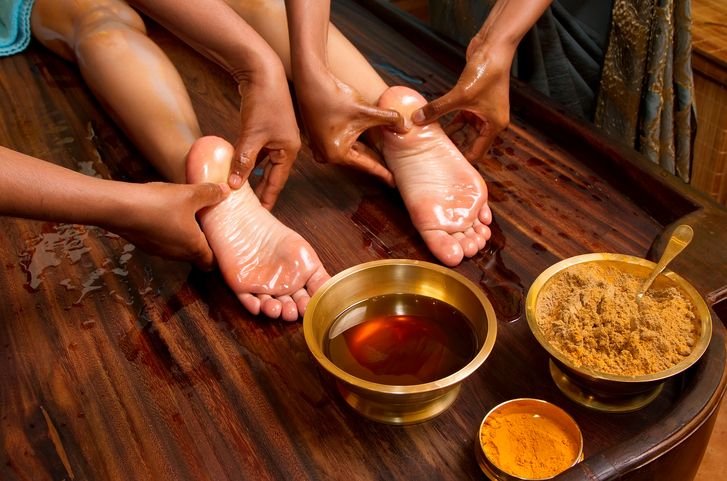
The Map of Your Body on Your Feet
Reflexology is one of those things that sounds implausible at first — the idea that specific spots on your foot correspond to specific organs and systems throughout your body, and that pressing these spots can influence those organs and systems. It has a bit of a mystical framing that puts scientifically-minded people on guard.
Let me give you a more grounded way to think about it. Whether or not every specific organ mapping in reflexology charts is precisely accurate, what is clearly true is that the foot has an extraordinarily dense network of nerve endings — roughly 7,200 — that connect to the central nervous system in complex ways. Stimulating these nerve endings produces systemic effects through neural pathways. The specific mapping may be an approximation of real neurological connections, refined over centuries of practice into a practical therapeutic system.
What is not in dispute is that reflexology foot massage produces real, measurable effects on the body — reduced cortisol, improved circulation, pain reduction, autonomic nervous system calming — that go well beyond what simple foot massage alone would produce.
The Reflexology Map: Key Zones and What They Correspond To
Understanding the major pressure point zones helps you communicate with your therapist about what you need from a session, and helps you make sense of what you feel during treatment.
The toes and top of the foot correspond to the head, face, and sinuses. People with sinus congestion or tension headaches often feel particular sensitivity in the toe zones and find significant relief when these are worked thoroughly. The big toe specifically corresponds to the head and brain — it often receives particular attention in sessions targeting mental stress and headache relief.
The ball of the foot corresponds to the chest and lung area. People with respiratory issues — asthma sufferers, people recovering from respiratory infections — often notice significant sensitivity here. Work on the ball of the foot can produce sensations of the chest opening or breathing becoming easier, which is a consistent report from reflexology clients.
The arch of the foot is one of the richest zones in the reflexology map, corresponding to the digestive organs (stomach, small intestine, large intestine, liver, pancreas). People with digestive issues — IBS, constipation, general digestive discomfort — often notice significant tenderness in the arch zones corresponding to their specific issues. Work on the arch can produce gurgling sounds and sensations in the abdomen — this is actually considered a positive sign that the digestive system is responding.
The heel corresponds to the lower back and pelvic region. This is why heel work is so significant for people with lower back pain — and why many people with lower back problems notice particular sensitivity in their heel zones. Thorough, sustained work on the heel zones frequently produces relief that is noticed in the lower back during and after the session.
The inner edge of the foot (the medial border) runs parallel to the spine — the cervical spine corresponds to the inner edge near the big toe, the thoracic spine to the mid-section of the inner foot, and the lumbar spine to the inner heel area. This spine reflex zone is one of the most clinically useful in reflexology practice.
The outer edge of the foot (the lateral border) corresponds to the shoulder, knee, and hip joints on the corresponding side of the body. Joint pain in these areas is often accompanied by tenderness in these outer foot zones.
Specific Pressure Points and Their Applications
Beyond the zone maps, several specific pressure points in reflexology deserve mention because of their consistent therapeutic utility:
Solar plexus point — located at the center of the foot, below the ball, slightly toward the inner arch. This is the reflexology equivalent of a master reset point for the nervous system. It is often described by clients as producing a wave of calm when pressed correctly. Many reflexology sessions begin and end with work on this point specifically because of its powerful autonomic nervous system calming effect.
Kidney and adrenal points — located in the arch area, roughly at the midpoint of the foot. These points are particularly relevant for people dealing with chronic stress, fatigue, and adrenal overload — the adrenal glands, which produce cortisol, are often overworked in stressed individuals. Work on these points is part of stress management reflexology protocols.
Lung and heart points — in the ball of the foot area. The heart reflex is typically on the left foot, toward the outer edge of the ball. The lung reflexes span the ball of both feet. These are relevant for cardiovascular wellness protocols and respiratory support.
Pituitary and hypothalamus points — at the tip and center of the big toe. The pituitary gland is the master regulatory gland of the endocrine system, and its reflex point is considered particularly important in reflexology for hormonal balance and overall systemic regulation.
At Raipur SPA: What a Reflexology Session Involves
A reflexology foot massage session at Raipur SPA begins with a brief intake conversation. The therapist will ask about your specific concerns — whether that is back pain, headaches, digestive issues, stress, sleep difficulty, or something else — and will use this to guide the emphasis of the session while still covering the full foot comprehensively.
The session begins with a warm soak to relax the feet and soften the tissue, then proceeds through the full foot map systematically. Therapists are trained to observe client responses to specific pressure points — increased sensitivity, involuntary muscle twitching, or color changes in the skin all give information about the body's state. Areas of particular sensitivity typically receive more sustained attention.
Sessions run 60-75 minutes for a comprehensive reflexology treatment. Many clients find the experience more meditative than regular massage because of the deep systemic effects — it is not unusual to enter a genuinely altered, deeply relaxed state during reflexology that is different from the effects of other massage modalities.
If you have not tried proper therapeutic reflexology, it is a genuinely interesting experience that may produce effects you did not expect. Book at Raipur SPA and share specifically what you are dealing with — the session will be more targeted and more useful the more specific information you bring.
Related Articles You Might Like
- Reflexology Foot Massage: Pressure Points That Heal
- Migraine Relief Through Massage Therapy: A Complete Guide
- Swedish Massage Benefits: Complete Beginner Guide for Raipur 2026
- Body Massage in Raipur: Complete Guide to Services, Prices and Benefits
- Oil Massage Types at Raipur SPA: A Complete Guide
- Massage for Blood Pressure: How Spa Therapy Supports Heart Health
Frequently Asked Questions
What is foot reflexology and how does it work?
Foot reflexology applies targeted pressure to specific reflex zones on the feet that correspond to organs and systems throughout the body. Stimulating these points improves circulation, promotes relaxation, and supports the body's natural healing processes.
How is foot reflexology different from a regular foot massage?
A regular foot massage focuses on relaxing the muscles and soft tissues of the feet. Reflexology uses precise pressure on mapped reflex points that connect to specific body organs. Reflexology provides therapeutic system-wide benefits beyond just foot relaxation.
How long is a reflexology session at Raipur SPA?
Our reflexology sessions range from 45 minutes (Rs. 799) to 90 minutes (Rs. 1,599). The 60-minute Classic Reflexology (Rs. 1,199) is our most popular option for a complete therapeutic foot treatment.
Does reflexology hurt?
Tender spots during reflexology indicate energy blockages or stressed organs. The sensation ranges from pleasant pressure to slightly tender - never sharply painful. Our therapists continuously adjust pressure based on your comfort and feedback.
What conditions can foot reflexology help with?
Reflexology effectively supports management of stress and anxiety, poor circulation, digestive issues, hormonal imbalances, insomnia, headaches, and general fatigue. It complements medical treatment as part of a holistic wellness approach.
How often should I get reflexology?
For general wellbeing, monthly reflexology sessions are beneficial. For specific health concerns, weekly sessions for 4-6 weeks are recommended initially. Regular reflexology as part of your wellness routine maintains cumulative therapeutic benefits.
Is foot reflexology safe during pregnancy?
Reflexology during pregnancy should only be performed by a therapist trained in prenatal reflexology. We do not perform reflexology during the first trimester and exercise special caution with specific pressure points in later trimesters.
Book Our Massage Services
Raipur SPA, Samta Colony | Expert therapists from Northeast India | Call to book: +91 98765 43210
People Also Ask
Related Articles
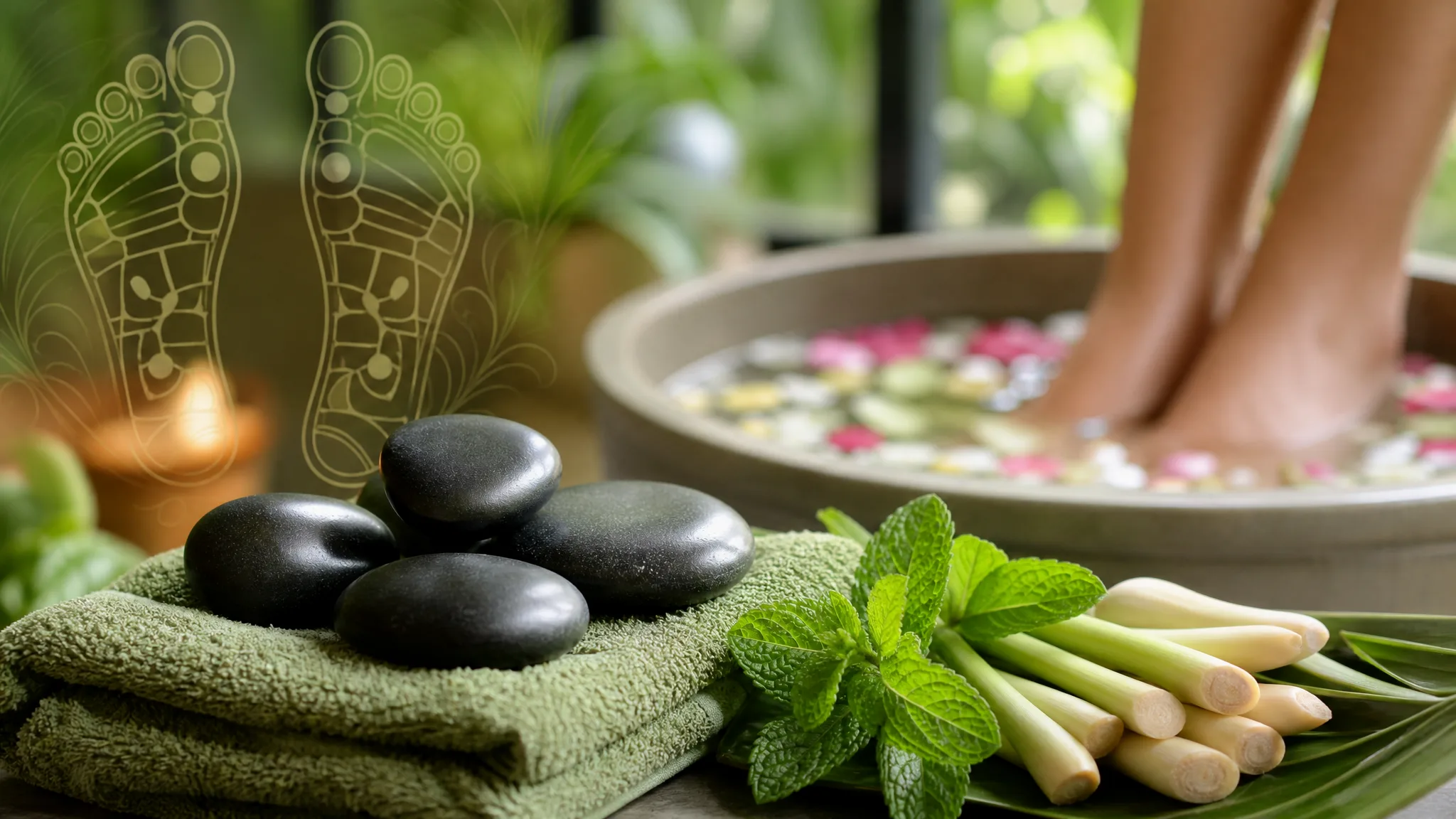
Foot Massage & Reflexology
Foot Reflexology: Pressure Points and Health Benefits – Complete Wellness Guide
8 min read · 05 May 2026
Foot Massage & Reflexology
Foot Reflexology Benefits for Daily Fatigue
1 min read · 21 Apr 2026

Foot Massage & Reflexology
Reflexology for Better Energy and Focus
1 min read · 21 Apr 2026
Enjoyed This Article?
Stop reading about relaxation — come experience it firsthand at Raipur SPA.
 Chat on WhatsApp
Chat with us
Chat on WhatsApp
Chat with us