What is the best therapeutic massage for back pain in Raipur?
Deep tissue and trigger point massages are commonly used for back pain relief. In Raipur, many spas offer these therapies. A session typically lasts 60 minutes and focuses on releasing muscle tension. Consult a qualified therapist to determine the best approach for your specific condition.
Key Takeaways
- • Therapeutic massage can help alleviate back pain by reducing muscle tension and improving blood flow.
- • Deep tissue massage targets deeper muscle layers and is effective for chronic back pain.
- • Trigger point therapy focuses on specific knots that refer pain to other areas.
- • A typical session lasts 60 minutes, but frequency depends on individual needs.
- • Always consult a healthcare provider before starting massage therapy for back pain.
- • Choose a licensed therapist with experience in treating back pain.
If you're searching for how to relieve back pain with therapeutic massage in Raipur, the answer is straightforward: a professional therapeutic massage targets deep muscle tension, improves blood flow, and releases endorphins that naturally ease pain. At Raipur SPA in Samta Colony, trained therapists use techniques like deep tissue, trigger point, and hot stone massage to address back pain at its source—not just the symptoms.
But here's what most people don't realize: back pain is rarely a simple problem with a single solution. It builds up over months or years through repeated habits—sitting hunched over a laptop, lifting heavy groceries the wrong way, sleeping on a sagging mattress, or carrying stress in your shoulders until your entire spine feels like a tightly wound spring. That's why a one-size-fits-all approach rarely works. The right therapeutic massage, delivered by a skilled therapist who understands your specific pattern of tension, can be genuinely life-changing. In this guide, we'll walk you through exactly how massage relieves back pain, which techniques work best for different types of pain, what to expect during your session, how many sessions you might need, and the self-care habits that make results last.
Key Takeaways
- Therapeutic massage relieves back pain by relaxing tight muscles, improving circulation, and reducing inflammation.
- Deep tissue, trigger point, and hot stone massages are among the most effective for chronic back pain.
- A session typically lasts 60–90 minutes; noticeable relief often occurs after the first visit.
- For lasting results, combine massage with good posture, stretching, and regular sessions.
- Raipur SPA offers therapeutic massages starting from ₹999, open daily from 11:00 AM to 09:00 PM.
- Book a consultation to get a personalised treatment plan for your specific back issue.
Why Back Pain Is So Common (and Why Massage Works)
Back pain is one of the most common reasons people visit a wellness centre—and for good reason. According to global health estimates, lower back pain is the single leading cause of disability worldwide. In a city like Raipur, where many people work long hours in offices, shops, or at home, the triggers are everywhere. Long hours at a desk, poor posture, heavy lifting, and stress all contribute to muscle tightness and spasms. Over time, these tensions restrict movement and cause chronic discomfort.
Think about what happens during a typical day. You wake up, check your phone with your neck bent forward. You sit in traffic with your shoulders raised. You spend eight hours at a desk with your lower back curved into a C-shape. You come home, slump on the sofa, and scroll. By evening, the muscles along your spine have been in a semi-contracted state for hours. They're starved of oxygen, flooded with metabolic waste products like lactic acid, and locked into knots that your body can't release on its own.
Massage therapy addresses this directly. By applying controlled pressure to specific muscle groups, a therapist helps release knots, stretch tight fascia, and increase blood flow to the affected area. This reduces pain and helps your back heal faster. More specifically, therapeutic massage triggers a cascade of physiological benefits:
- Improved circulation: Fresh, oxygen-rich blood flows into muscles that were previously deprived, carrying nutrients and removing waste.
- Endorphin release: Massage stimulates the release of endorphins—your body's natural painkillers—which create a sense of relief and well-being.
- Reduced cortisol: Stress hormones tighten muscles. Massage lowers cortisol levels, helping your entire body relax.
- Fascial release: The connective tissue that wraps your muscles can become sticky and restricted. Massage helps restore its glide.
- Breakdown of adhesions: Scar tissue and adhesions from old injuries can be gently worked out, restoring normal movement.
Unlike painkillers, which mask symptoms, massage addresses the root cause: the tight, dysfunctional muscle tissue itself. That's why so many people find that regular massage reduces their reliance on medication and gives them back control over their daily lives.
Types of Therapeutic Massage for Back Pain at Raipur SPA
Not all massages are the same. Depending on your pain—whether it's a dull ache, sharp spasm, or stiffness—the right technique makes all the difference. Here are the most effective options available at Raipur SPA, along with guidance on when each works best.
Deep Tissue Massage
Deep tissue massage uses slow, firm strokes and concentrated pressure to reach deeper muscle layers. It's ideal for chronic back pain, stiff shoulders, and areas of persistent tension. You may feel some soreness afterward, but the relief is lasting.
This technique is particularly effective for people who sit for long hours and develop tightness in the erector spinae (the muscles running along your spine), the quadratus lumborum (deep lower back muscles), and the glutes. A skilled therapist will use their forearms, elbows, and knuckles to work through layers of tension, often focusing on one area for several minutes until the tissue softens. The pressure is always adjusted to your comfort—deep tissue should feel intense but never unbearable. If you're dealing with chronic, stubborn back pain that hasn't responded to stretching or rest, deep tissue massage is often the first choice.
Trigger Point Therapy
Trigger points are tight knots in muscles that can refer pain to other areas. A therapist locates these points and applies direct pressure to release them. This technique is excellent for sharp, localised back pain.
Here's an example: a trigger point in your gluteus medius (the side of your hip) can cause pain that shoots down your leg or concentrates in your lower back. You might feel the pain in one place, but the source is somewhere else entirely. A trained therapist knows these referral patterns and can trace the pain back to its origin. Trigger point therapy involves holding sustained pressure on a knot for 30–90 seconds until it releases—a sensation that's often described as a "good hurt." Once released, the muscle relaxes, and the referred pain frequently disappears. This is one of the most precise and targeted ways to treat stubborn back pain.
Hot Stone Massage
Warm basalt stones are placed on the back and used as massage tools. The heat penetrates deep into muscles, relaxing them quickly. It's a great choice if your back pain comes with stiffness or stress.
Hot stone massage is especially helpful in Raipur's cooler winter months or for anyone whose back feels rigid and unyielding. The heat dilates blood vessels, increases circulation, and allows the therapist to work deeper with less discomfort. Many clients describe the sensation as deeply comforting—like a warm blanket melting away tension. If you're new to massage or sensitive to pressure, hot stone is an excellent entry point.
Swedish Massage
Swedish massage is gentler and focuses on relaxation. It improves circulation and reduces overall tension—helpful for mild back pain or as a maintenance therapy.
Swedish massage uses long, flowing strokes, kneading, and gentle circular movements. It's perfect if your back pain is mild, stress-related, or if you're looking for regular maintenance between more intensive deep tissue sessions. Many clients alternate between Swedish and deep tissue—using Swedish to maintain progress and deep tissue when they need focused work on a specific problem area.
Aromatherapy Massage
This variation combines Swedish or deep tissue techniques with essential oils like lavender, eucalyptus, or peppermint. The oils are chosen for their therapeutic properties—lavender for relaxation, eucalyptus for inflammation, peppermint for cooling relief. Aromatherapy massage is particularly effective for back pain that's worsened by stress and anxiety, since the scent itself can calm the nervous system while the hands-on work releases muscle tension.
Combination Therapy
At Raipur SPA, your therapist may combine techniques within a single session. For example, they might start with hot stones to warm and relax the tissue, move into deep tissue work on the lower back, and finish with trigger point release on specific knots. This tailored approach is often the most effective because it addresses multiple layers of the problem—heat for relaxation, deep pressure for chronic tension, and precision for referred pain.
What to Expect During Your Session
Your first visit begins with a short consultation. The therapist asks about your pain, lifestyle, and any medical conditions. This helps them tailor the massage to your needs.
Be prepared to answer questions like: Where exactly does it hurt? Is the pain sharp or dull? Does it radiate down your leg? How long have you had it? What makes it worse—sitting, standing, bending? Have you had any injuries or surgeries? The more honest and detailed your answers, the better your therapist can target the right areas.
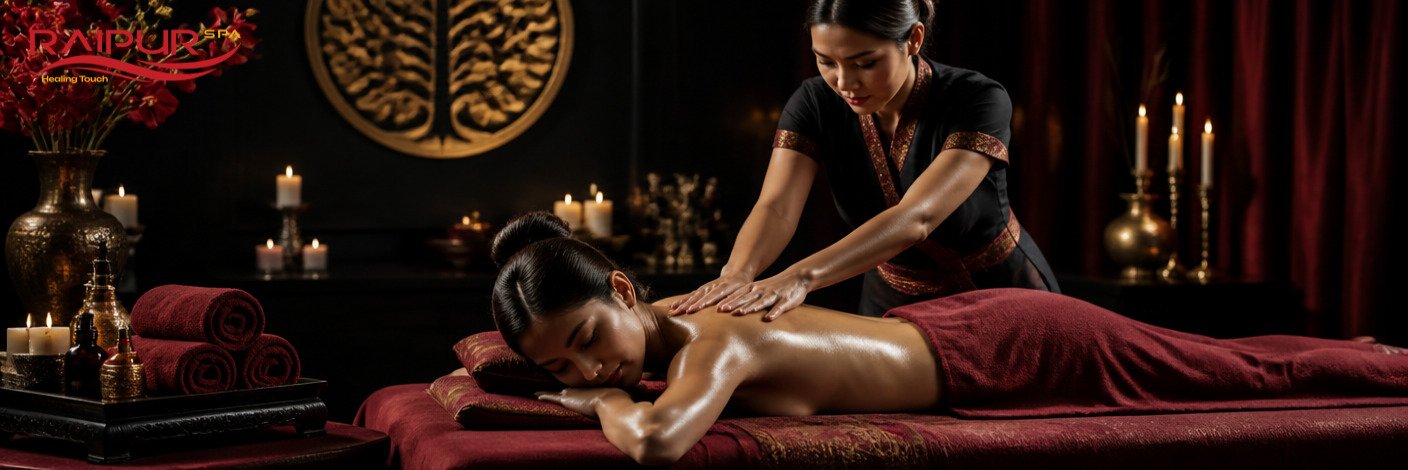
You'll lie on a comfortable massage table, and the therapist will use oils or lotions to reduce friction. The pressure is adjusted to your comfort level—always communicate if you need more or less. Most sessions last 60 to 90 minutes.
Here's a practical tip: speak up during the session. If a stroke feels too intense, say so. If you want more pressure on a specific knot, ask. A good therapist welcomes feedback and adjusts in real time. You might also be asked to change positions—lying face down, face up, or on your side—so the therapist can access different muscle groups.
After the massage, you may feel relaxed, slightly sore, or even a bit emotional. This is normal. Drink plenty of water, avoid heavy lifting for the rest of the day, and give your body time to integrate the work. Many people find that a warm bath or a gentle walk later in the day enhances the benefits.
How Many Sessions Do You Need?
Many people feel relief after just one session. For chronic pain, a series of 4–6 sessions over a few weeks is often recommended. After that, monthly maintenance massages can keep pain away.
Every body is different. Your therapist will suggest a plan based on your progress. Here's a general guideline:
- Acute pain (recent strain or spasm): 1–3 sessions, often spaced a few days apart.
- Chronic pain (lasting more than 3 months): 4–6 sessions, usually once a week, then reassess.
- Maintenance: Once every 3–4 weeks to prevent recurrence.
Keep in mind that massage works best when combined with other healthy habits. If you continue to sit poorly, skip stretching, and never strengthen your core, the pain will likely return. Think of massage as a reset button—it gives your muscles a chance to relax and heal, but you need to support that healing with daily choices.
Self-Care Tips to Complement Your Massage
Massage works best when combined with daily habits that support back health. Here are a few simple tips:
- Stretch daily: Gentle stretches like cat-cow and child's pose keep your back flexible. Hold each stretch for 20–30 seconds and breathe deeply.
- Mind your posture: Sit with your back supported and take breaks every 30 minutes. Set a timer if you tend to lose track of time.
- Stay hydrated: Water helps flush out toxins released during massage. Aim for 8–10 glasses a day, especially after a session.
- Use heat: A warm compress on tight areas can ease discomfort between sessions. A hot water bag or a warm shower works well.
- Strengthen your core: A strong core supports your spine and reduces strain. Simple exercises like planks, bird-dog, and pelvic tilts can make a big difference.
- Sleep smart: Use a medium-firm mattress and a pillow that keeps your neck aligned. Sleeping on your side with a pillow between your knees reduces lower back strain.
- Lift correctly: Bend your knees, keep the load close to your body, and avoid twisting while lifting.
- Manage stress: Stress tightens muscles. Deep breathing, meditation, or even a short walk can help keep your back relaxed.
Common Mistakes That Make Back Pain Worse
Even with the best intentions, some habits can undo the benefits of massage. Watch out for these common mistakes:
- Skipping the consultation: Rushing into a massage without explaining your pain history can lead to generic work that doesn't address your specific issue.
- Toughing it out: If a stroke feels wrong, speak up. Pain is not a sign of progress—discomfort is, but sharp pain is not.
- Ignoring aftercare: Jumping back into heavy activity or skipping water can leave you sore and stiff.
- Relying on massage alone: Massage is a powerful tool, but it's not a substitute for movement, strength, and posture.
- Waiting too long: Many people wait until the pain is unbearable. Early intervention often means fewer sessions and faster relief.
Why Choose Raipur SPA for Back Pain Relief?
Raipur SPA is a premium wellness destination in Samta Colony, Raipur. Our therapists are trained in therapeutic techniques and customise each session to your specific pain points. We use high-quality oils and maintain a calm, hygienic environment.
Whether you're dealing with desk-job stiffness or chronic back pain, we're here to help. Therapies start from ₹999, and we're open daily from 11:00 AM to 09:00 PM.
What sets us apart is our focus on understanding your body. We don't just follow a script—we listen, assess, and adapt. Our therapists have experience working with clients of all ages and fitness levels, from busy professionals to seniors and athletes. If you're unsure which massage is right for you, we'll guide you through the options and help you choose.
Frequently Asked Questions
Is massage safe for back pain?
Yes, massage is generally safe for most types of back pain. However, if you have a spinal injury, infection, or certain medical conditions, consult your doctor first. Our therapists are trained to adjust techniques accordingly.
How quickly can I expect relief?
Many clients feel relief immediately after the first session. For chronic pain, consistent sessions over 2–4 weeks often produce the best results.
Which massage is best for lower back pain?
Deep tissue and trigger point therapy are usually most effective for lower back pain. Hot stone massage can also help if stiffness is a major factor.
How long does a therapeutic massage take?
Sessions typically range from 60 to 90 minutes, depending on your needs and the technique used. We recommend 90 minutes for focused back work.
Can I get a massage if I have a slipped disc?
Only with clearance from your doctor. Massage can help surrounding muscles, but direct pressure on the affected area must be avoided. Inform your therapist beforehand.
Do I need to book in advance?
Walk-ins are welcome, but we recommend booking ahead to ensure your preferred time and therapist. You can book via WhatsApp or call at +91 7987 303 127.
What should I wear to a massage session?
You'll be asked to undress to your comfort level and will be covered with a sheet or towel throughout the session. Wear comfortable clothing that's easy to remove, and feel free to bring a change of clothes if you'd like to freshen up afterward.
Can massage help with sciatica?
Massage can be very helpful for sciatica, especially when tight glutes or piriformis muscles are contributing to nerve compression. However, it's important to inform your therapist about your condition so they can work safely around the affected area. In some cases, we may coordinate with your doctor for the best approach.
Final Thoughts
Back pain doesn't have to control your life. Therapeutic massage in Raipur offers a natural, effective way to find relief and restore mobility. Whether you choose deep tissue, trigger point, or hot stone therapy, the key is consistency and choosing a skilled therapist.
Remember, your back is part of a whole system—your posture, your stress levels, your sleep, and your daily movement all play a role. Massage is a powerful catalyst for healing, but it works best when you support it with healthy habits. Start with one session, see how your body responds, and build from there.
Ready to say goodbye to back pain? Book your session at Raipur SPA today—call or WhatsApp us at +91 7987 303 127. Your back will thank you.
Frequently Asked Questions
How does therapeutic massage relieve back pain?
Massage increases blood circulation, reduces muscle tension, and releases endorphins. This can ease pain and improve mobility. It also helps break down adhesions and scar tissue.
Which type of massage is best for lower back pain?
Deep tissue and trigger point massages are often recommended for lower back pain. They target deep muscle layers and specific pain points. Swedish massage can also help with relaxation and mild pain.
How often should I get a massage for back pain?
Frequency depends on the severity and cause of your pain. Some people benefit from weekly sessions initially, then taper to monthly. Consult your therapist for a personalized plan.
Is massage safe for chronic back pain?
Massage is generally safe for chronic back pain when performed by a trained therapist. However, it may not be suitable for certain conditions like herniated discs or fractures. Always consult a doctor first.
What should I expect during a therapeutic massage for back pain?
You will lie on a massage table while the therapist uses various techniques on your back. You may feel some discomfort during deep tissue work, but it should not be unbearable. Communicate with your therapist about pressure.
Can massage replace medical treatment for back pain?
No, massage is a complementary therapy, not a replacement for medical treatment. It can be used alongside other treatments like medication or physical therapy. Always follow your doctor's advice.
Book Your Session
Book Your SessionPeople Also Ask
Related Articles
Massage Therapy
How Often Should You Get a Massage? Advice from Raipur Spa Experts
12 min read · 12 Sep 2026
Massage Therapy
How Often Should You Get a Massage? A Complete Guide from Raipur SPA
15 min read · 12 Sep 2026

Massage Therapy
A Complete Guide to Deep Tissue Massage in Raipur: What to Expect
13 min read · 11 Sep 2026
Enjoyed This Article?
Stop reading about relaxation — come experience it firsthand at Raipur SPA.