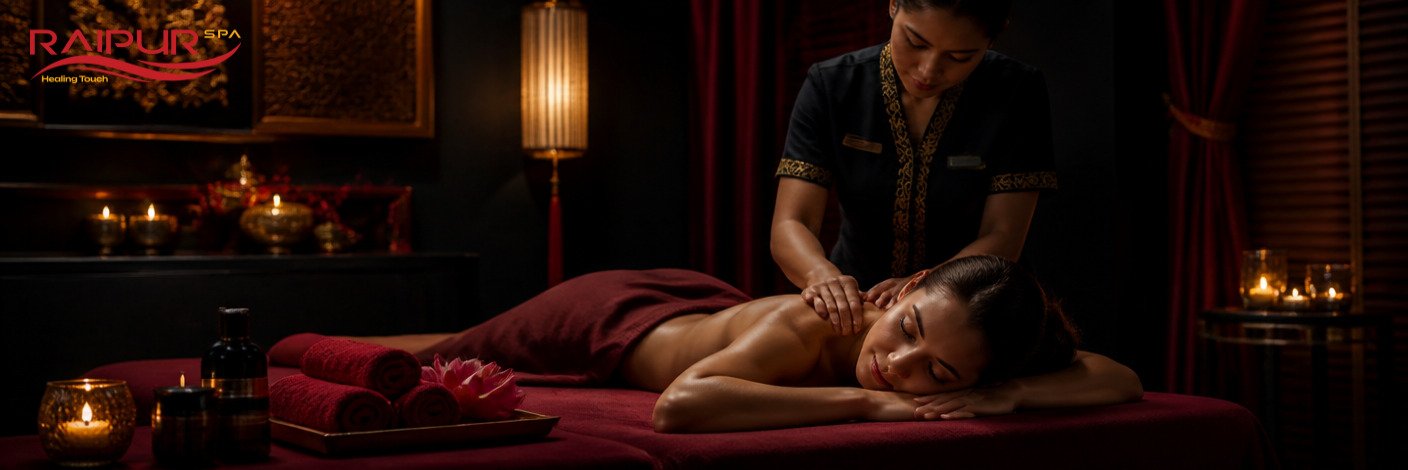
What is the proper spa etiquette before, during, and after a visit?
Before your spa visit, arrive early, avoid heavy meals, and communicate any health concerns. During the treatment, respect quiet hours, turn off your phone, and inform your therapist of any discomfort. After, hydrate well, rest, and avoid strenuous activities. Following these guidelines ensures a relaxing and beneficial experience for both you and the spa staff.
Key Takeaways
- • Arrive at least 15 minutes early to complete any paperwork and relax.
- • Avoid heavy meals or alcohol before your treatment to prevent discomfort.
- • Communicate any allergies, injuries, or preferences to your therapist beforehand.
- • Silence your phone and respect the quiet atmosphere of the spa.
- • During the treatment, provide feedback if pressure or temperature needs adjustment.
- • After the session, drink plenty of water and avoid strenuous activities to prolong benefits.
Have you ever wondered what to do before, during, and after a spa appointment to make the most of your time and money? Spa etiquette isn't about stiff rules—it's about creating a respectful, relaxing experience for yourself and others. Whether you're a first-timer or a seasoned spa-goer, this guide covers everything from punctuality to post-treatment care, ensuring you leave feeling refreshed and recharged.
Key Takeaways
- Book in advance and arrive 10-15 minutes early to complete paperwork and start relaxing.
- Communicate your preferences, health conditions, and pressure levels to your therapist.
- Silence your phone and keep conversation minimal to preserve the tranquil atmosphere.
- Shower before your treatment if you've been sweating or wearing heavy lotions.
- Drink water after your massage to flush out toxins and avoid feeling dizzy.
- Tip 15-20% if you're happy with the service, and rebook before you leave to get your preferred time slot.
Before Your Visit: Preparing for Relaxation
Booking and Arrival
Call or book online at Raipur SPA in Samta Colony to reserve your slot. Aim to arrive 10-15 minutes early—this gives you time to check in, use the restroom, and settle into the calm environment. Rushing in at the last minute defeats the whole purpose. But why is arriving early so crucial? Let's break it down. When you arrive with a buffer, you allow your body to transition from the outside world's chaos to the spa's serene atmosphere. You can enjoy a cup of herbal tea, sit in the relaxation lounge, and let your shoulders drop from their ears. If you're a first-time visitor, you'll also need to fill out a health questionnaire, which is essential for your safety. The spa staff can then tailor your treatment to your specific needs, whether you have allergies, injuries, or preferences. Additionally, arriving early ensures you don't miss a single minute of your booked time—spa schedules are tight, and if you're late, your treatment might be shortened to avoid delaying the next guest. So, plan your route, factor in traffic, and maybe even set an alarm to leave home a bit earlier. Trust us, the extra 15 minutes are worth it for the peace of mind they bring.
What to Wear and Bring
Most spas provide robes, slippers, and disposable underwear. You'll undress to your comfort level—therapists are trained to drape you properly to respect your privacy. Leave valuables at home or in the locker provided. If you have long hair, bring a hair tie to keep it off your neck. But what about specific treatments? For a massage, you'll typically undress completely, but you'll be covered with a sheet or towel at all times except for the area being worked on. For a facial, you'll stay clothed, but you might want to remove your jewelry and tie your hair back. For a body scrub, you'll be undressed, but the therapist will ensure you're covered until the moment of application. As for what to bring, think minimal: a change of underwear (if you prefer), a hair tie, and maybe a lip balm. Avoid wearing heavy makeup to a facial—it's best to arrive with a clean face so the esthetician can properly analyze your skin. And if you're coming from the gym or a sweaty commute, a quick shower at the spa (if available) is a courtesy to your therapist and yourself. Many spas have showers on-site, so take advantage of them if you need to freshen up.
Communication is Key
Before your treatment, fill out the intake form honestly. Mention any allergies, injuries, or areas you want extra attention on. Tell your therapist if you prefer light, medium, or firm pressure. It's your session—speak up. But communication goes beyond just the form. When you meet your therapist, have a brief conversation about your expectations. Are you looking for relaxation, pain relief, or stress reduction? Do you have any specific problem areas, like tight shoulders or lower back pain? Are you pregnant, have high blood pressure, or any medical conditions that might affect the treatment? Your therapist is a trained professional, and they can adapt the treatment to your needs if you're transparent. For example, if you have a sunburn, they'll avoid that area; if you're pregnant, they'll use special positioning and avoid certain pressure points. Also, don't be shy about asking questions. If you're unsure about the type of massage or the products used, ask. A good spa will welcome your curiosity. Remember, the more information you provide, the better your experience will be. And if you feel uncomfortable at any point, you have the right to say so. Your comfort is paramount.
During Your Visit: Mind Your Manners
Silence Your Phone
Set your phone to silent or off. The spa is a sanctuary from the buzzing digital world. If you're expecting an urgent call, let the front desk know—they'll take a message. Otherwise, disconnect to fully recharge. In today's hyper-connected world, it's tempting to check emails or scroll through social media while waiting for your treatment. But that defeats the purpose of a spa visit. The sounds of notifications, even on vibrate, can disturb the tranquility for you and others. Moreover, the blue light from your screen can overstimulate your mind, making it harder to relax. So, make a conscious effort to power down. If you're worried about emergencies, inform the front desk and they'll handle it discreetly. Many spas even have lockers where you can store your phone, so you're not tempted. Use this time to disconnect from the outside world and reconnect with yourself. You'll be amazed at how much more restorative your treatment is when you're fully present.
Keep Conversation Low
This is your time to unwind, not to chat about work. A soft 'hello' and 'thank you' are enough. If you're with a friend, save the catch-up for after your treatments. Respect the quiet for everyone's benefit. The spa environment is designed to be a haven of silence, with soft music, dim lighting, and calming aromas. When you talk, you break that spell, not only for yourself but for others who are trying to drift into relaxation. Some people even fall asleep during treatments—imagine being woken up by a loud conversation. So, embrace the quiet. If you're naturally chatty, try to channel that energy into deep breathing or focusing on the sensations of the treatment. If you're with a companion, agree beforehand to keep talk minimal and save your chat for the relaxation lounge afterward. This way, you both can fully enjoy the experience. And remember, your therapist is not there to socialize; they're there to help you relax. So, let them do their job in silence.
Follow Your Therapist's Lead
During a massage, you might be asked to breathe deeply or adjust your position. Trust the professional—they know how to help you relax. If something feels uncomfortable or painful, say so immediately. They can adjust pressure or technique. Therapists are trained to read body language, but they're not mind readers. If you're too cold, too hot, or the pressure is too intense, speak up. A simple 'a little lighter' or 'a bit more pressure' is all it takes. Also, don't be afraid to ask for a break if you need to cough, sneeze, or adjust your position. It's your session, and your comfort is key. Additionally, be open to trying new techniques. If your therapist suggests a hot stone addition or a scalp massage, consider it—you might discover a new favorite. They're experts in their field, and they know what works best for different bodies. So, relax, let go of control, and trust the process. You're in good hands.
After Your Visit: Extend the Benefits
Hydrate and Rest
Drink plenty of water post-treatment to flush out metabolic waste released from your muscles. Avoid caffeine and alcohol for a couple of hours. If you can, take it easy for the rest of the day—your body is in a state of deep relaxation. But why is hydration so important? During a massage, your muscles are manipulated, which releases toxins and lactic acid that have been stored in the tissues. Water helps your body flush these out, reducing soreness and promoting healing. Aim for at least 2-3 glasses of water in the hour after your treatment, and keep sipping throughout the day. Caffeine and alcohol are diuretics, which can dehydrate you and counteract the benefits of the massage. So, swap that coffee for herbal tea or infused water. Also, give yourself permission to rest. If you can, avoid strenuous activities, heavy lifting, or intense workouts for the rest of the day. Your body is in a state of deep relaxation, and rushing off to a high-energy activity can be jarring. Instead, take a gentle walk, do some light stretching, or simply lounge around. This extended rest will help you maintain that post-spa glow for longer.
Skincare and Showering
If you received a facial or body scrub, wait at least a few hours before showering to let the products absorb into your skin. For massages, a warm (not hot) shower is fine, but skip the hot tub or sauna immediately after. Why the wait? After a facial, your skin is more permeable, and the active ingredients in the serums and masks need time to penetrate deeply. Showering too soon can wash them away, reducing the effectiveness. Similarly, after a body scrub, your skin is freshly exfoliated, and the moisturizing oils need time to soak in. If you must shower, use lukewarm water and avoid harsh soaps on the treated areas. For massages, you might have oil or lotion on your skin. While it's fine to shower, a hot shower can strip the oils and irritate your skin. A warm rinse is best, and you can skip soap if you want to maintain the benefits of the massage oils, which often contain nourishing ingredients like jojoba or almond oil. Also, avoid hot tubs, saunas, or steam rooms immediately after a massage or facial. The heat can cause excessive sweating, which not only dehydrates you but also increases inflammation and might undo the benefits of your treatment. Wait at least a few hours, or even better, schedule your sauna session for a different day.
Feedback and Tipping
If you loved your therapist, let the front desk know—they'll appreciate the feedback. Tipping is customary at spas, usually 15-20% of the service price. You can also show appreciation by rebooking your next appointment before you leave. But how do you tip? Most spas allow you to add a tip to your card payment, or you can hand cash directly to the therapist. If you're unsure, ask the front desk. Tipping is not mandatory, but it's a nice gesture that shows your gratitude for excellent service. If you received exceptional care, you might tip more, but 15-20% is the standard. Also, consider leaving a review online—this helps the spa and helps other customers make informed decisions. And if you're planning to return, rebooking before you leave is a win-win. You secure your preferred time slot, and the spa can better plan their schedule. Many spas even offer a discount or a free add-on for rebooking on the spot, so it's worth asking.
Special Considerations and Common Mistakes
Don't Overbook
Keep your schedule light after a spa day. Don't rush off to a stressful meeting or a heavy workout. Give yourself time to enjoy the post-treatment glow. It's tempting to squeeze a spa visit into a busy day, but that's counterproductive. The benefits of a massage or facial are cumulative, and if you immediately jump back into chaos, you'll undo all the good. Instead, treat your spa day as a mini-retreat. Clear your calendar for the rest of the day, or at least a few hours. If you have to work, try to schedule your appointment at the end of the day so you can go home and relax. Avoid booking back-to-back appointments, especially if you're trying multiple treatments. Your body needs time to process each one. Also, be mindful of the days following your treatment. If you've had a deep tissue massage, you might feel sore for a day or two. That's normal, but it means you should avoid intense physical activity. So, plan your week accordingly.
Be Mindful of Sensitivity
If you have sensitive skin, let your therapist know so they can choose appropriate products. For pregnant women, always consult your doctor and inform the spa—we offer prenatal massages with proper certifications. But sensitivity isn't just about skin. Some people are sensitive to certain essential oils, fragrances, or even the pressure applied during massage. Always communicate your concerns. For pregnant women, prenatal massages are specially designed to be safe and comfortable, with positioning that avoids pressure on the abdomen and certain reflexology points. If you have any medical conditions like high blood pressure, diabetes, or heart disease, consult your doctor before booking a spa treatment. Also, if you're on medication, let your therapist know, as some treatments might interact. It's always better to be safe than sorry. And if you're unsure about whether a particular treatment is right for you, call the spa and ask. They'll be happy to advise you.
Don't Forget to Breathe
Throughout your treatment, focus on deep, slow breaths. This enhances relaxation and helps your muscles release tension more effectively. Breathing is a powerful tool that many people overlook. When you're stressed, your breathing becomes shallow and rapid, which signals your body to stay in 'fight or flight' mode. By consciously slowing your breath and taking deep, diaphragmatic breaths, you activate your parasympathetic nervous system, which promotes relaxation. During a massage, deep breathing can help your muscles relax, making it easier for the therapist to work out knots. It also increases oxygen flow to your tissues, which aids in healing. So, as you lie on the table, focus on inhaling deeply through your nose, letting your belly rise, and exhaling slowly through your mouth. You can even coordinate your breath with the therapist's strokes—inhale as they work on one area, exhale as they move to another. This mindful breathing not only enhances the physical benefits but also calms your mind, making your spa experience truly holistic.
Frequently Asked Questions
How early should I arrive for my spa appointment?
Arrive at least 10-15 minutes early to complete any necessary paperwork and start unwinding. This also helps you avoid feeling rushed. If you're a first-timer, you might need extra time to fill out forms and get a tour of the facilities. So, aim for 15 minutes to be safe.
What should I wear to a spa?
Most spas provide robes and slippers. You'll undress to your comfort level for your treatment, but you'll remain properly draped at all times. For massages, you'll typically be nude under the sheet, but for facials, you can stay in your underwear or a robe. If you're unsure, call ahead and ask.
Can I talk during my massage?
It's best to keep conversation minimal to maintain a tranquil atmosphere. You can always speak up if you need to adjust pressure or temperature. Some people like to chat to ease nerves, but it's generally more relaxing to stay quiet. If you need to communicate, a simple phrase like 'a little more pressure' is enough.
Should I shower before or after a massage?
Shower before if you've been sweating or wearing strong lotions. After a massage, wait a few hours if you've had oils applied, or take a lukewarm rinse if needed. If you have a sensitive nose, you might want to shower after to remove the scent of oils, but be gentle with your skin.
Is it okay to tip my therapist?
Yes, tipping 15-20% is customary, but not obligatory. It's a nice way to show appreciation for excellent service. If you're on a budget, a smaller tip or a heartfelt thank-you note is also appreciated.
What if I'm running late?
Call the spa immediately. If you're more than 15 minutes late, we may need to shorten your treatment to avoid delaying the next guest. It's better to reschedule than to rush through a treatment.
Can I eat before a spa treatment?
It's best to have a light meal about 1-2 hours before your treatment. A heavy meal can make you feel uncomfortable during a massage, and a completely empty stomach might make you feel lightheaded. Opt for something like a salad or a fruit smoothie.
What if I have a medical condition?
Always inform the spa about any medical conditions, allergies, or medications you're taking. This helps the therapist customize your treatment and avoid any adverse reactions. For pregnant women, we recommend prenatal massages and advise you to get your doctor's approval first.
Embrace the Etiquette, Enjoy the Experience
Spa etiquette is simply about mindfulness—being considerate of yourself, your therapist, and other guests. At Raipur SPA, we believe that when you follow these simple guidelines, your visit becomes more than a treatment; it's a ritual of self-care. Ready to unwind? Book your session today, starting from just ₹999. We're open daily from 11:00 AM to 09:00 PM. Call or WhatsApp us at +91 7987 303 127 to reserve your spot. We can't wait to help you relax!
Frequently Asked Questions
Should I tip my spa therapist?
Tipping is customary in most spas, typically 15-20% of the service price. Check if a gratuity is already included in the bill. If you're unsure, ask the front desk.
What should I wear during a spa treatment?
You can wear comfortable clothing to the spa. For most treatments, you'll be asked to undress to your comfort level, and the therapist will drape you with towels or sheets. Underwear can be kept on if you prefer.
Can I eat before a massage?
It's best to have a light meal 1-2 hours before your massage. Avoid heavy or greasy foods, as they can cause discomfort during the treatment. Also, avoid alcohol.
What if I need to cancel my appointment?
Most spas require at least 24 hours' notice for cancellations to avoid a fee. Check the spa's policy when booking. If you have an emergency, call as soon as possible to reschedule.
Is it okay to talk during a massage?
Yes, it's your time. If you need to communicate something, feel free. However, many people prefer silence to relax. You can let your therapist know if you prefer quiet or conversation.
What should I do after a spa treatment?
After your treatment, take your time getting up, drink water to hydrate, and rest if needed. Avoid strenuous activities or alcohol for the rest of the day to maximize the benefits.
Book Your Session
Book Your SessionPeople Also Ask
Related Articles
Spa Etiquette
Spa Etiquette 101: First-Time Spa Tips for Raipur Visitors
8 min read · 18 Oct 2026
Spa Etiquette
Luxury Spa Etiquette in Raipur: What to Expect at a Premium Wellness Center
13 min read · 15 Oct 2026
Spa Etiquette
Top 7 Spa Etiquette Tips for First-Timers in Raipur
16 min read · 11 Oct 2026
Enjoyed This Article?
Stop reading about relaxation — come experience it firsthand at Raipur SPA.