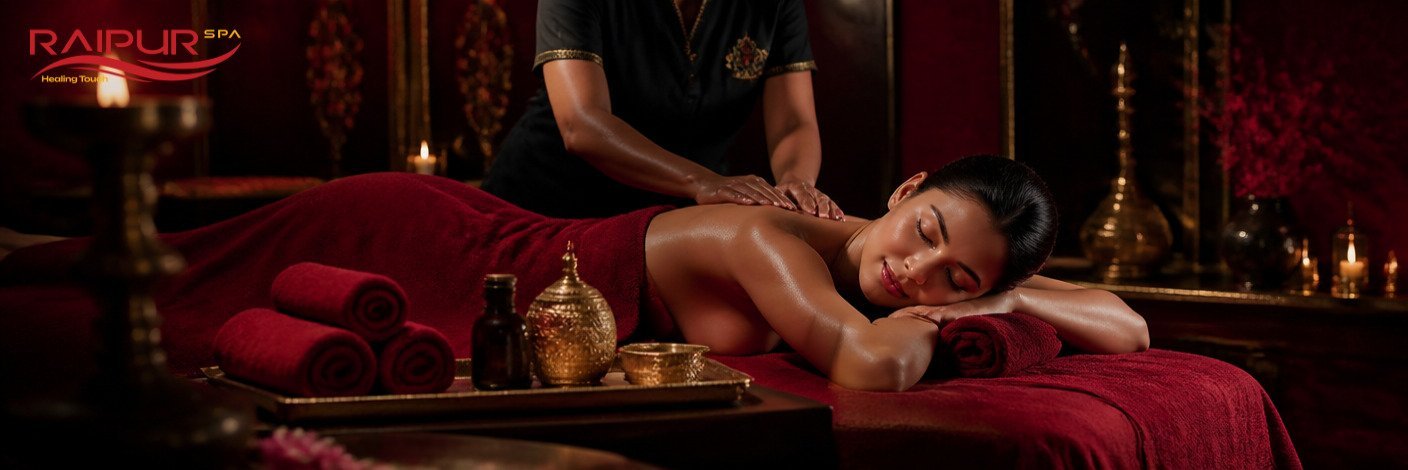
How does spa therapy help with stress relief for working professionals in Raipur?
Spa therapy helps working professionals in Raipur manage stress through massage, heat therapy, and relaxation techniques that ease muscle tension and encourage calm. A typical session lasts 60 to 90 minutes and combines aromatherapy, warm oils, and controlled breathing. Regular visits, often monthly, support better sleep and a more balanced routine alongside work and daily life.
Key Takeaways
- • Spa therapy combines massage, aromatherapy, and heat to ease everyday muscle tension.
- • Sessions usually run 60 to 90 minutes, fitting around work schedules in Raipur.
- • Regular monthly visits support relaxation and a more balanced daily routine.
- • Deep tissue and Swedish massages are common choices for work-related stiffness.
- • Booking off-peak weekday slots helps working professionals avoid weekend crowds.
- • Spa visits complement, but do not replace, medical care for health conditions.
Stress Relief in Raipur: How Spa Therapy Helps Modern Work Life
Stress relief in Raipur through spa therapy works by combining therapeutic massage, warm-oil techniques, aromatherapy and quiet downtime to calm the nervous system, ease muscle tension and improve sleep. For professionals juggling deadlines, traffic and long screen hours, a structured spa session offers measurable recovery for both body and mind.
Raipur is no longer the sleepy capital it was twenty years ago. It is a working city now — with IT parks, coaching hubs, showrooms, hospitals, banks, logistics offices and a steady stream of young professionals who moved here for work. That growth is good for careers. It is harder on bodies. The average desk worker in Raipur now spends eight to ten hours seated, another hour or more in traffic, and the rest of the day on a phone. The result is a slow, quiet build-up of tension that most people only notice when it turns into a headache, a stiff neck or a week of bad sleep.
This guide explains how spa therapy actually helps, what happens in a session, which therapies suit which problems, and how to turn an occasional treat into a genuine stress-management routine that fits a normal Raipur work schedule and budget.
Key Takeaways
- Spa therapy lowers stress hormones like cortisol while boosting mood-regulating serotonin and dopamine.
- Desk workers in Raipur commonly carry tension in the neck, shoulders and lower back — targeted massage addresses these zones directly.
- Sessions at Raipur SPA start from ₹999, so regular stress relief fits a normal monthly budget.
- Even one 60-minute session can improve sleep quality and reduce perceived stress the same evening.
- Booking a fixed weekly or fortnightly slot turns relaxation into a habit rather than an occasional treat.
- The spa is open daily from 11:00 AM to 09:00 PM, making after-work appointments easy to schedule.
- Consistency matters more than intensity — a fortnightly session beats a once-a-year splurge.
- Simple daily habits like stretch breaks and a phone-free treatment room multiply the benefits of every session.
Why Work Stress Hits Raipur Professionals So Hard
Raipur has changed quickly. New offices, expanding IT teams, growing retail and a busy service economy mean longer commutes and more screen time than a decade ago. Add family responsibilities and Chhattisgarh's hot summers, and the body rarely gets a genuine pause.
Consider a typical day for a mid-level professional in the city. They leave home around 9:00 AM, sit through traffic on a route that has more vehicles every year, spend the morning answering emails and attending calls, eat lunch at their desk, push through an afternoon of meetings, and drive home in the evening heat. By the time they reach home, they are physically tired but mentally wired. Sleep comes late. The next morning starts the same way.
Repeat that for months and the body adapts — but not in a good way. It adapts by staying slightly tense all the time. The shoulders creep upward. The jaw tightens. Breathing becomes shallow and chest-based rather than deep and abdominal. Digestion slows. The person may not feel "stressed" in a dramatic sense, but they feel flat, irritable and permanently tired.
Stress isn't just a feeling. When it lingers, the body stays in a low-grade fight-or-flight mode. Muscles tighten, breathing becomes shallow, digestion slows and sleep turns restless. Most people notice the symptoms — stiff shoulders, tension headaches, irritability — but treat them as normal.
They aren't normal. They're signals. And spa therapy is one of the few interventions that addresses the physical and mental sides at once.
There is also a cultural factor. Many professionals in Raipur grew up in households where rest was seen as laziness and "pushing through" was praised. Taking an hour purely for recovery can feel self-indulgent. It isn't. It is the same logic as servicing a vehicle — you do it before something breaks, not after.
What Actually Happens During a Spa Therapy Session
A good spa visit isn't just a luxury hour. It's a guided physiological reset. Here's what unfolds during a typical session.
The nervous system shifts gears
Warm oil, slow rhythmic strokes and a dim, quiet room activate the parasympathetic nervous system — the "rest and digest" mode. Heart rate drops, blood pressure eases and cortisol levels fall. Many clients describe the effect as "my brain finally went quiet."
This is not a metaphor. The parasympathetic response is measurable. Breathing slows, blood vessels dilate slightly, and the muscles around the spine release their protective grip. For someone whose nervous system has been stuck in "on" mode for weeks, that shift can feel almost unfamiliar at first — and deeply welcome.
Muscular tension gets released
Deep tissue and Swedish massage techniques work on the knots that build up from sitting at a desk. Therapists focus on the cervical spine, trapezius and lumbar region — the three areas where work stress hides. Improved circulation also helps clear metabolic waste from overworked muscles.
What most people don't realise is that a knot in the shoulder is often a chain reaction. Tight hips pull on the lower back. A compressed neck refers pain into the head. A therapist trained to read these patterns doesn't just press on the sore spot — they work upstream and downstream to release the whole line of tension.
Sleep quality improves
One of the most underrated benefits. People who struggle to fall asleep often find that a massage session that evening helps them settle faster. Over a few weeks, consistent sessions can support a healthier sleep cycle.
The mechanism is simple. Falling asleep requires the nervous system to downshift. If you arrive home wound up from work, that downshift can take hours. A massage does the downshifting for you, so by the time you reach bed, your body is already in rest mode.
Mental clarity returns
When the body relaxes, the mind follows. Clients frequently report better focus the next working day — not because of caffeine, but because their baseline stress load is lower.
Think of it like a phone running too many background apps. The battery drains faster and everything feels slow. A spa session closes some of those apps. The device isn't new, but it runs better.
How Spa Therapy Helps Modern Work Life Specifically
Let's be practical. Most professionals in Raipur aren't dealing with dramatic burnout. They're dealing with a slow accumulation — the Tuesday afternoon slump, the Sunday-night dread, the shoulders that never quite relax.
Spa therapy helps in ways that map directly onto work life:
- Posture recovery: Desk posture compresses the spine and shortens hip flexors. Massage and stretching counter this.
- Headache reduction: Many tension headaches originate in the neck and jaw. Releasing those muscles reduces frequency.
- Emotional decompression: A quiet hour with no phone, no notifications and no demands is genuinely rare. That silence is therapeutic in itself.
- Better boundary-setting: Booking a recurring appointment forces you to protect one hour for yourself. That habit spills into other areas.
- Improved focus: A calmer nervous system means fewer distraction loops and better sustained attention during the workday.
- Reduced irritability: When physical tension drops, so does the short fuse that makes meetings and family evenings harder than they need to be.
It's not a replacement for medical care if you're dealing with clinical anxiety or depression. But as a complementary routine, it's remarkably effective.
Which Therapies Work Best for Work Stress
Swedish massage
Gentle, flowing strokes that calm the nervous system. Ideal if you're new to massage or prefer relaxation over deep pressure. Swedish massage is the standard starting point for anyone whose main complaint is mental fatigue, poor sleep or general tension rather than a specific painful knot.
Deep tissue massage
Firmer pressure focused on chronic knots. Best for people with persistent neck, shoulder or lower-back tightness from long desk hours. If you've been carrying the same stiff shoulder for months, this is usually the right choice. Expect some tenderness the next day — that's normal and fades within 24 to 48 hours.
Aromatherapy sessions
Essential oils like lavender, eucalyptus and sandalwood are used alongside massage to deepen relaxation. Helpful for people whose stress shows up as restlessness or poor sleep. The scent itself becomes a cue over time — after a few sessions, simply walking into the room can start the relaxation response.
Head and foot therapy
Shorter sessions focused on reflex points in the feet and scalp. A smart choice for a lunch-break reset or when you're short on time. Head massage in particular is excellent for people who spend the day staring at screens and carry tension in the temples, forehead and jaw.
At Raipur SPA, therapists help you choose based on your specific symptoms rather than pushing a fixed package. That matters — the right therapy for a stiff neck is not the same as the right therapy for mental fatigue.
How to Choose the Right Session Length
Session length matters as much as therapy type. A 30-minute session is enough for a focused head and shoulder release, but not for full-body work. A 60-minute session is the sweet spot for most working professionals — enough time to cover the back, shoulders, neck and legs without rushing. A 90-minute session suits people with widespread tension, chronic lower-back issues or those who simply want a deeper reset at the end of a heavy month.
If you're unsure, start with 60 minutes. It's the most flexible option and gives the therapist room to work on your main problem areas plus a general relaxation pass.
Making It a Habit, Not an Occasion
The biggest mistake people make is treating a spa visit as a once-a-year birthday treat. Stress relief works best when it's regular.
A fortnightly 60-minute session is enough for most people to notice a real difference in sleep, mood and muscle tension. Some prefer weekly during heavy work phases and monthly when things are calmer. The key is consistency, not intensity.
With therapies starting from ₹999 and the spa open daily from 11:00 AM to 09:00 PM, it's realistic to slot a session into a weekday evening. Many clients book the 7:00 PM slot and head home relaxed instead of wired.
A practical way to build the habit is to anchor it to something already fixed in your calendar. If you know the last Friday of every fortnight is a lighter workday, book that evening. If your team has a predictable post-deadline lull, use it. The appointment becomes a marker in the month — something to look forward to rather than something to squeeze in.
It also helps to think about cost differently. A fortnightly session at ₹999 works out to roughly ₹2,000 a month — less than many people spend on weekend food delivery, and with a far more direct effect on how they feel on Monday morning.
What to Expect on Your First Visit
If you've never been to a spa, the idea can feel intimidating. It shouldn't. A good spa keeps things simple.
You'll be asked a few questions about your health, problem areas and pressure preference. You'll change into comfortable clothing or disposable wear, and the therapist will explain the session before starting. Throughout, you can ask for lighter or firmer pressure at any time.
The Raipur SPA team in Samta Colony keeps the environment calm, clean and professional — no upselling, no rush. Just a proper session.
A few small things make the first visit smoother. Arrive five to ten minutes early so you're not rushing in. Mention any injuries, recent surgeries or areas you'd rather avoid. Speak up during the session if the pressure feels wrong — therapists adjust without hesitation and would much rather hear it than have you lie there uncomfortable. And don't feel obliged to chat. Silence is part of the treatment.
Small Habits That Multiply Spa Benefits
Spa therapy works better when it's supported by a few everyday choices:
- Take a five-minute stretch break every 90 minutes at your desk.
- Keep your phone out of the treatment room — the digital detox is part of the therapy.
- Drink water after your session to help flush out metabolic waste released from muscles.
- Avoid a heavy meal right before your appointment.
- Try to keep the evening after your session low-key — the relaxation lasts longer.
- Adjust your monitor height so the top of the screen sits at eye level, reducing neck strain.
- Use a small cushion behind your lower back when sitting for long stretches.
- Take the stairs or a short walk after lunch instead of scrolling through the break.
None of these are dramatic. But together they turn a single spa visit into a genuine stress-management routine.
Common Mistakes That Undo the Benefits
Even people who book regularly sometimes sabotage their own results. The most common mistake is treating the session as one more task to tick off — rushing in late, checking the phone mid-way, then heading straight back into work mode. The relaxation response needs a runway. Give it one.
Another mistake is skipping sessions during busy periods. This is exactly backwards. Busy weeks are when the body needs recovery most. A 60-minute session during a heavy deadline week often saves more productive hours than it costs.
Finally, some people expect a single visit to fix months of accumulated tension. Massage is cumulative. The first session helps. The fourth session is where most people really notice the difference in sleep and baseline mood.
Frequently Asked Questions
How often should I get a spa therapy session for stress relief?
For most working professionals, once every two weeks is a good starting point. If your stress is high or you have chronic muscle tension, weekly sessions for a month can help establish a baseline. After that, monthly maintenance works well for many people.
Is spa therapy safe if I have a desk job and no major health issues?
Yes. Massage and relaxation therapies are generally safe for healthy adults. If you have a medical condition, are pregnant or have recent injuries, inform the therapist beforehand so the session can be adjusted appropriately.
How long does a stress relief session take?
Most sessions range from 45 to 90 minutes depending on the therapy. A 60-minute massage is the most common choice for work stress, giving enough time to address the back, shoulders and neck without feeling rushed.
Do I need to book in advance at Raipur SPA?
Booking ahead is recommended, especially for evening slots after 6:00 PM, which fill up quickly. You can reserve a session by calling or messaging +91 7987 303 127 on WhatsApp.
Can spa therapy actually reduce stress, or does it just feel good temporarily?
Both. The immediate relaxation is real, but research consistently shows that regular massage lowers cortisol and supports better sleep and mood over time. The lasting benefit comes from consistency, not a single visit.
What should I wear or bring for my first spa visit?
Nothing special. Wear comfortable clothing and arrive a few minutes early. The spa provides everything you need during the session. Just avoid coming straight from a heavy meal or an intense workout.
Will a massage hurt if my muscles are very tight?
Deep tissue work can feel intense, especially on chronic knots, but it should never be sharp or unbearable. Tell the therapist if the pressure is too much — they will adjust. Some mild soreness the next day is normal; sharp pain is not.
Can I book a session during a lunch break?
Yes. Shorter head and foot therapy sessions fit comfortably into a lunch break, and the spa is open from 11:00 AM. For a full-body massage, an evening slot usually works better so you can head home relaxed afterwards.
Final Thoughts
Work stress in Raipur isn't going away. Deadlines, traffic and family duties will keep showing up. What you can change is how much space you give your body and mind to recover.
Spa therapy is one of the simplest, most reliable ways to do that. It's not indulgence — it's maintenance. And with sessions starting at ₹999 at Raipur SPA, it's more accessible than most people assume.
If your shoulders have been tight for weeks or your sleep hasn't felt restful in months, that's your cue. Book a session by calling or sending a WhatsApp message to +91 7987 303 127. One hour is all it takes to start feeling like yourself again.
Frequently Asked Questions
What is the best massage for stress relief in Raipur?
Swedish massage suits general relaxation, while deep tissue massage targets work-related stiffness in the back and shoulders. Many Raipur spas offer both, and therapists can recommend one based on your comfort level and preferences.
How long does a stress relief spa session take?
Most stress relief massages last 60 to 90 minutes, including consultation and relaxation time. Shorter 30 to 45 minute options are also available for busy professionals.
How often should working professionals get a spa massage?
Once or twice a month is a common routine for managing work-related stress. Frequency depends on individual needs, and therapists can suggest a suitable schedule.
Do I need to book an appointment in advance in Raipur?
Advance booking is recommended, especially on weekends and evenings when demand is higher. Weekday slots are usually easier to secure at short notice.
What should I expect during a first spa visit?
A first visit typically includes a brief consultation about preferences and any areas of tension. The therapist then explains the chosen treatment before the session begins.
Can spa therapy replace medical treatment for stress?
No, spa therapy is a relaxation and wellness practice, not a medical treatment. Anyone with persistent stress or health concerns should consult a qualified doctor.
Book Your Session
Book Your SessionPeople Also Ask
Related Articles
Stress & Mental Health
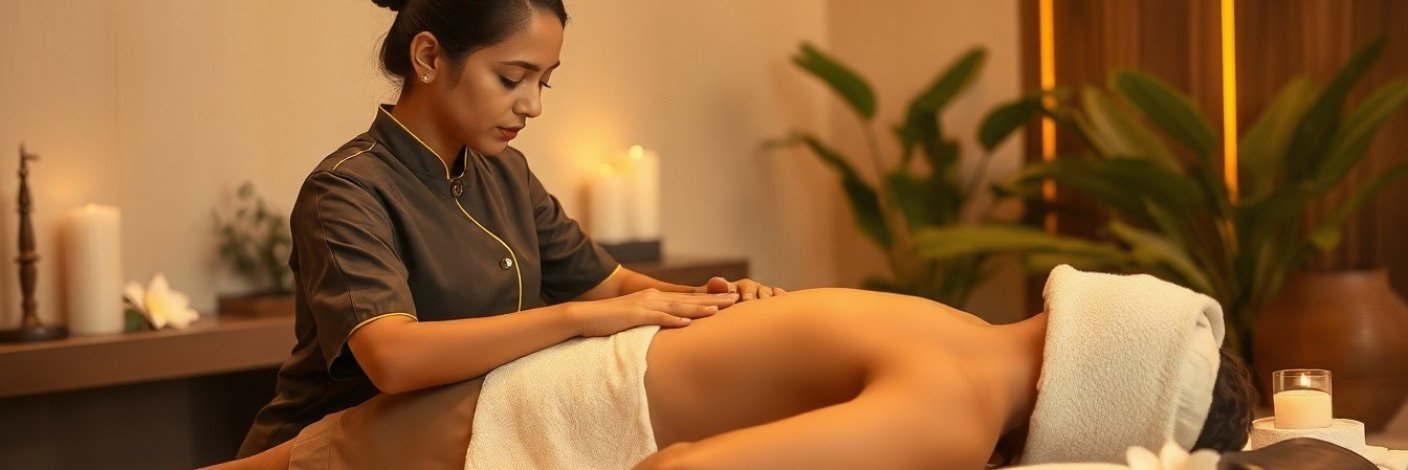
Why Raipur Professionals Are Choosing Spa Memberships for Stress Relief (2027 Guide)
11 min read · 22 Nov 2026
Stress & Mental Health
Stress Relief in Raipur: Top Spa Therapies for Busy Professionals
7 min read · 19 Nov 2026
Stress & Mental Health
Stress Relief in Raipur: 7 Spa Therapies That Actually Work
13 min read · 18 Nov 2026
Enjoyed This Article?
Stop reading about relaxation — come experience it firsthand at Raipur SPA.