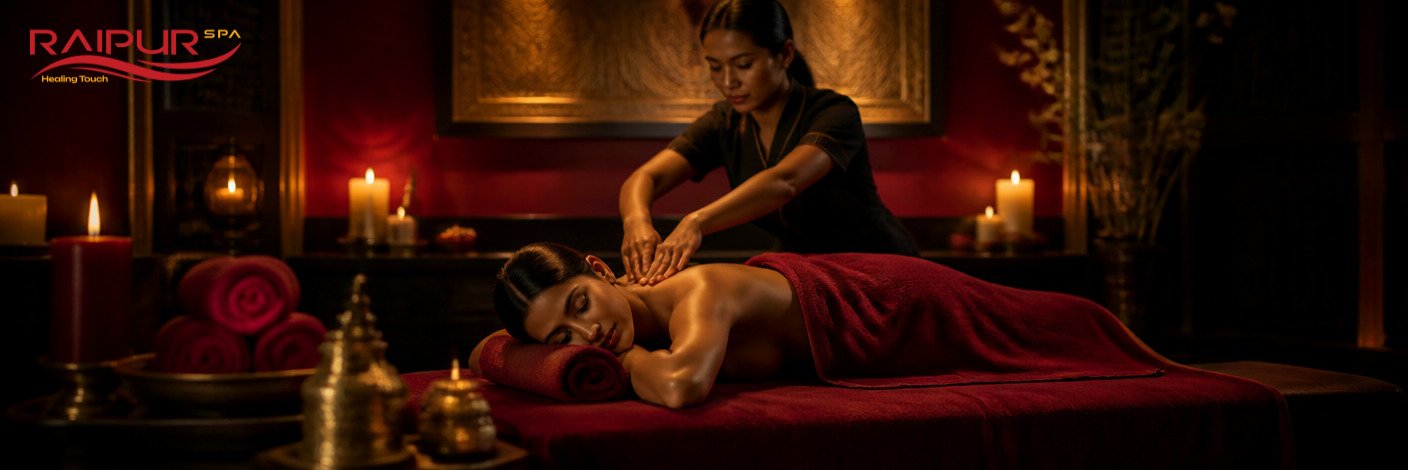
What is the best spa treatment for stress relief in Raipur?
A full-body Swedish massage is often recommended for stress relief in Raipur. It uses gentle strokes to promote relaxation and lower cortisol levels. Deep tissue massage and aromatherapy with lavender or eucalyptus are also effective. Many Raipur spas offer 60- or 90-minute sessions. For best results, combine with hydration and rest.
Key Takeaways
- • Swedish massage is a popular choice for stress relief due to its gentle, flowing strokes.
- • Deep tissue massage targets muscle tension and can help with chronic stress.
- • Aromatherapy enhances relaxation by using essential oils like lavender and eucalyptus.
- • Regular spa visits, such as monthly, can help manage stress long-term.
- • Hydration and rest after a treatment can maximize stress-relief benefits.
- • Raipur spas often provide customized packages for stress relief.
Stress Relief in Raipur: Spa Treatments That Actually Work refers to science-backed therapies like deep tissue massage, aromatherapy, and shirodhara that calm your nervous system, lower cortisol, and restore energy. At Raipur SPA in Samta Colony, these treatments start from ₹999 and are available daily from 11:00 AM to 09:00 PM.
Key Takeaways
- Chronic stress responds best to hands-on therapies that activate the parasympathetic nervous system.
- Deep tissue massage, aromatherapy, and shirodhara are among the most effective for stress relief in Raipur.
- Regular sessions (every 2–4 weeks) work better than one-off treatments.
- Raipur SPA offers all these therapies from ₹999, open daily 11 AM–9 PM.
- Combine massage with breathwork and hydration for lasting calm.
- Book via WhatsApp or call +91 7987 303 127 to schedule your session.
Why Stress Hits Harder in Raipur (and What It Does to Your Body)
Raipur is a growing city—traffic on Telibandha road, long work hours, family responsibilities, and the constant hum of notifications. Your body doesn't distinguish between a deadline and a tiger. It releases cortisol and adrenaline, your heart rate climbs, muscles tense, and digestion slows.
Over time, that chronic stress shows up as headaches, poor sleep, irritability, and even lower immunity. A spa treatment isn't a luxury; it's a reset button for your nervous system.
What makes Raipur particularly stressful? The city's rapid expansion means longer commutes, more construction noise, and a competitive work culture. Add the summer heat—temperatures often cross 40°C—and your body is already in a state of physical stress before mental pressure even begins. Heat raises cortisol, disrupts sleep, and makes you feel drained. Then there's the festive season: while celebrations are joyful, they also bring extra social obligations, shopping, and travel. Many clients tell us they feel guilty for being stressed when life looks good on paper. That guilt only deepens the tension.
From a physiological standpoint, chronic stress keeps your sympathetic nervous system (fight-or-flight) switched on. Your blood vessels constrict, blood pressure rises, and your muscles stay contracted. Over months, this can lead to tension headaches, jaw clenching, lower back pain, and even digestive issues like acidity or IBS. Sleep becomes lighter and less restorative because your brain stays alert. You may notice you catch colds more often—cortisol suppresses immune function. Emotionally, you might feel irritable, unmotivated, or anxious without a clear reason.
The good news: your body has a built-in relaxation response, the parasympathetic nervous system. Spa therapies are designed to trigger it deliberately. When you receive a massage, your vagus nerve activates, heart rate variability improves, and cortisol drops. It's not just pampering—it's a physiological intervention.
Spa Treatments That Actually Work for Stress Relief
Not all spa therapies are equal. Some are purely relaxing, while others create measurable shifts in heart rate variability and cortisol levels. Here are the ones that consistently deliver.
1. Deep Tissue Massage
Deep tissue massage targets the deeper layers of muscle and fascia. It breaks down adhesions and releases chronic tension—especially in the neck, shoulders, and lower back where stress accumulates. You may feel sore for a day, but the relief lasts.
Best for: people with desk jobs, physical tension, or trouble sleeping.
What actually happens during a deep tissue session? Your therapist uses slow, firm strokes and sustained pressure with fingers, knuckles, and sometimes elbows. They work along the muscle fibers, not across them, to avoid injury. You might be asked to breathe deeply through tender spots—this helps your muscles release instead of guarding. A common mistake is tensing up when pressure hits a knot. Instead, exhale slowly and let the therapist know if the pressure is too much. Communication is key: “a little lighter” or “more pressure here” is always welcome. Afterward, drink plenty of water to flush out metabolic waste. A warm shower or heating pad can ease next-day soreness. Many clients schedule deep tissue on a Friday evening so they can rest over the weekend.
How often? For chronic tension, once every 2–3 weeks. If you're new to deep tissue, start with a 60-minute session and ask for medium pressure. You can always go deeper next time.
2. Aromatherapy Massage
This combines gentle Swedish massage strokes with essential oils like lavender, chamomile, or sandalwood. The oils are absorbed through the skin and inhaled, directly affecting the limbic system—the brain's emotional center. It's a powerful way to reduce anxiety and improve mood.
Best for: emotional stress, anxiety, or when you feel mentally drained.
Not all aromatherapy is created equal. Low-quality oils may smell nice but lack therapeutic compounds. At Raipur SPA, we use pure, cold-pressed oils blended for specific concerns: lavender and bergamot for anxiety, eucalyptus and peppermint for fatigue, sandalwood and vetiver for grounding. During the massage, your therapist will ask if you prefer a lighter or firmer touch. The strokes are rhythmic and flowing, designed to synchronize with your breathing. You might notice your thoughts slowing down within 10 minutes. That's the limbic system responding. For best results, avoid wearing strong perfume or deodorant before your session—it competes with the oils. Afterward, the scent lingers on your skin for hours, gently reminding your brain to stay calm.
Can you do aromatherapy at home? Yes—a few drops of lavender on your pillow or in a diffuser can help. But the hands-on component is what makes the spa version so effective. Human touch releases oxytocin, the bonding hormone, which counteracts cortisol.
3. Shirodhara
An Ayurvedic classic: a steady stream of warm oil poured over your forehead. It sounds simple, but it induces a deep meditative state. Studies show it can significantly reduce cortisol and improve sleep quality. Many clients describe it as "hitting the reset button" for their mind.
Best for: insomnia, migraines, and burnout.
Shirodhara is not a massage—you lie still while the oil flows continuously for 30–45 minutes. The stream is kept at a constant temperature and rhythm, which entrains your brainwaves toward alpha and theta states. You may lose track of time or even fall asleep. That's normal and beneficial. The oil is usually herbalized sesame or coconut oil, chosen based on your dosha or concern. After the session, your therapist may gently massage your scalp and neck. You'll want to rest for 15 minutes before driving. Because oil remains in your hair, plan to shampoo later—many clients bring a cap or schedule shirodhara on a day they don't have meetings. For chronic insomnia, a series of 3–7 sessions on consecutive or alternate days is often recommended. One session can improve sleep for a few nights, but the cumulative effect is where the magic lies.
Is it messy? A little, but we protect your clothing and provide a headrest. The relaxation is worth it.
4. Hot Stone Therapy
Smooth, heated basalt stones are placed on key points along your spine and used as massage tools. The heat penetrates deep into muscles, melting tension faster than manual pressure alone. It's deeply comforting, especially in Raipur's winter months.
Best for: muscle stiffness, poor circulation, and cold-weather stress.
Hot stone therapy is especially helpful if you find deep tissue too intense. The stones are heated to about 130–145°F (54–63°C)—warm enough to relax but not burn. Your therapist will test the temperature on your skin first. Stones are placed on your back, palms, and between toes, while others are used to glide along muscles. The heat causes blood vessels to dilate, increasing circulation and delivering oxygen to tight tissues. You may feel a pleasant heaviness as your muscles let go. In Raipur's summer, we sometimes use cool marble stones instead for a refreshing contrast. Always tell your therapist if you have diabetes, neuropathy, or sensitive skin—heat perception may be altered. Avoid hot stone if you have high blood pressure that's uncontrolled or are pregnant (unless cleared by your doctor). After the session, drink water and avoid immediate exposure to cold air.
5. Reflexology
Pressure applied to specific zones on your feet corresponds to organs and systems throughout the body. It's not just a foot rub—it triggers relaxation and can improve sleep and digestion. Many clients feel lighter after just one session.
Best for: people who stand a lot, or those who find full-body massage too intense.
Reflexology is based on the idea that the foot is a map of the body. For example, the ball of the foot relates to the chest and lungs, the arch to the digestive organs, and the heel to the lower back. Your therapist uses thumb-walking and finger pressure on these zones. You may feel a sharp sensation or a “crunchy” texture under the skin—that's often a sign of tension or imbalance. The pressure should be firm but not painful. A full session lasts 45–60 minutes and covers both feet. It's deeply relaxing; many people drift off. If you're ticklish, don't worry—the pressure is deliberate and most ticklishness fades within minutes. Afterward, you might feel thirsty or need to urinate more—that's a sign your body is detoxifying. Drink water and rest. Reflexology is safe for most people, but avoid it if you have foot injuries, fractures, or severe circulatory problems.
6. Couples Massage
Stress often strains relationships. A side-by-side massage lets you and your partner relax together, release tension, and reconnect without words. It's a shared experience that lowers stress for both of you.
Best for: couples, friends, or anyone who feels isolated by stress.
At Raipur SPA, our couples room is dimly lit with soft music and two massage tables side by side. You can choose the same or different treatments—many couples pick one deep tissue and one aromatherapy to suit individual needs. The shared silence is powerful; you're both focusing on your own breath and sensations, yet you're together. Afterward, we serve herbal tea in a private lounge where you can talk or simply sit. It's a gentle way to reconnect without the pressure of a “date night.” We also offer couples shirodhara for a deeper experience. Book at least a day in advance, especially on weekends, as couples slots fill quickly.
How to Choose the Right Treatment for Your Stress
Ask yourself: is your stress more physical or mental?
- Physical tension (tight shoulders, back pain) → Deep tissue or hot stone.
- Mental overwhelm (racing thoughts, anxiety) → Aromatherapy or shirodhara.
- Both → Combine a 60-minute massage with 30 minutes of shirodhara.
At Raipur SPA, our therapists assess your needs before recommending a plan. We don't upsell—we match you with what works.
Still unsure? Consider these scenarios:
- You wake up with a clenched jaw and headaches. That's physical tension—deep tissue or hot stone will help most.
- You feel anxious but your body isn't sore. Aromatherapy or reflexology can calm your mind without deep pressure.
- You're exhausted but can't sleep. Shirodhara is your best bet—it directly targets insomnia.
- You and your partner are both stressed. A couples massage addresses both your needs simultaneously.
Also consider your schedule. Shirodhara leaves oil in your hair, so plan for a shower afterward. Deep tissue may leave you slightly sore for a day—avoid scheduling it right before a big event. Aromatherapy and reflexology are gentle enough for same-day activities. If you have only 30 minutes, reflexology is a great quick reset. For 60–90 minutes, you can combine therapies or go deeper.
What to Expect at Raipur SPA
Located in Samta Colony, Raipur, our spa is designed as a quiet escape. Soft lighting, calming music, and skilled therapists who understand stress. Every session begins with a brief consultation and ends with herbal tea.
We use premium oils and maintain strict hygiene. Therapies start from ₹999, and we're open daily from 11:00 AM to 09:00 PM. Walk-ins are welcome, but booking ahead ensures your preferred time.
Here's a typical visit: You arrive 10 minutes early to fill out a short health form and change into comfortable clothing. Your therapist will ask about your stress levels, areas of tension, and any injuries or medical conditions. You'll be left alone to undress to your comfort level and lie on a warm, padded table. During the session, you can ask for adjustments anytime. Afterward, you'll be given water and guided to a relaxation area for herbal tea. We never rush you out. Payment can be made by cash, card, or UPI. If you're booking via WhatsApp, we'll confirm your slot and send a reminder the day before.
What about hygiene? All linens are changed after every client. Oils are dispensed fresh, and tools like stones are sanitized. Our therapists wash hands before and after each session. If you have allergies or skin sensitivities, tell us—we can use hypoallergenic products.
Making Stress Relief a Habit
One massage feels great, but consistency is where the real change happens. Aim for a session every two to four weeks. Between visits, practice simple habits:
- 5 minutes of deep breathing when you wake up.
- 10-minute walk after lunch.
- Limit screens an hour before bed.
- Stay hydrated—dehydration amplifies stress.
Think of spa treatments as maintenance, not emergency repair.
To make it stick, pair your spa day with something you enjoy—a favorite cafe, a walk in a park, or listening to a podcast. This creates a positive association. Set a recurring reminder on your phone every 3 weeks. If budget is a concern, alternate between a full 90-minute session and a 60-minute one. Many clients find that a monthly membership or package reduces cost and ensures they don't skip. At Raipur SPA, we offer package deals for regular clients—ask us for details.
Also, track your stress levels. On a scale of 1–10, note how you feel before and after each session. Over time, you'll see patterns: maybe your stress spikes during month-end work deadlines or festive weeks. You can then schedule sessions proactively. Remember, stress relief is not selfish—it's preventive healthcare. When you're calm, you sleep better, eat better, and show up better for your family and work.
Common Mistakes to Avoid When Getting a Spa Treatment
Even a good treatment can be less effective if you make these mistakes:
- Not communicating. If the pressure is too light or too firm, speak up. Therapists aren't mind readers.
- Eating a heavy meal right before. This diverts blood to digestion and can make you uncomfortable. Eat light 1–2 hours before.
- Drinking alcohol before or after. Alcohol dehydrates and interferes with relaxation. Save the wine for another day.
- Rushing out immediately. Give yourself 10–15 minutes to sit quietly after. Rushing back to traffic undoes the calm.
- Skipping water. Massage releases toxins; hydration helps flush them out.
- Expecting one session to fix everything. Chronic stress took months to build; give your body time to reset.
Frequently Asked Questions
How often should I get a spa treatment for stress relief?
Every 2–4 weeks is ideal for ongoing stress management. If you're in acute stress, weekly sessions for a month can help reset your system.
Which massage is best for anxiety?
Aromatherapy massage and shirodhara are most effective for anxiety. They calm the nervous system and reduce cortisol levels.
Do spa treatments really lower stress hormones?
Yes. Studies show massage and shirodhara can reduce cortisol and increase serotonin and dopamine, the feel-good neurotransmitters.
How long does a stress relief session last?
Most sessions run 60–90 minutes. Shirodhara is typically 45 minutes. We recommend at least 60 minutes to allow full relaxation.
Is it safe to get a massage if I have high blood pressure?
Generally yes, but inform your therapist. We can adjust pressure and avoid certain areas. If your BP is uncontrolled, consult your doctor first.
What should I do after a spa treatment?
Drink water, avoid caffeine and alcohol, and rest. Gentle stretching or a warm bath can extend the benefits.
Can I get a spa treatment during pregnancy?
Some treatments like prenatal massage and reflexology can be safe after the first trimester, but always consult your doctor first. Avoid hot stone and deep tissue on certain areas. Inform your therapist so they can adapt.
What if I'm ticklish or uncomfortable with touch?
Tell your therapist. They can use firmer pressure (which reduces ticklishness) or focus on areas you're comfortable with. Reflexology is a good alternative if full-body massage feels too invasive.
Final Thoughts
Stress is unavoidable, but suffering isn't. The right spa treatment can shift your body from fight-or-flight to rest-and-repair. If you're in Raipur, you don't have to travel far—Raipur SPA in Samta Colony offers effective, affordable therapies starting at ₹999.
Ready to feel better? Book your session today via WhatsApp or call +91 7987 303 127. We're open daily from 11:00 AM to 09:00 PM.
Frequently Asked Questions
How often should I get a massage for stress relief?
For ongoing stress management, once or twice a month is common. However, frequency depends on individual needs and lifestyle. Consult with a spa therapist to determine a suitable schedule.
Which massage is best for anxiety and stress?
Swedish massage and aromatherapy massage are often recommended for anxiety and stress. They promote relaxation and calm the nervous system. Deep tissue may be better for tension-related stress.
Can spa treatments help with work-related stress?
Yes, spa treatments can help reduce work-related stress by inducing relaxation and lowering stress hormones. Regular sessions can improve mood and sleep. Combining with other stress-management techniques is ideal.
What should I do after a stress-relief massage?
After a massage, drink plenty of water to flush out toxins. Rest and avoid strenuous activities for the day. Gentle stretching or a warm bath can prolong relaxation.
Are there any side effects of deep tissue massage for stress?
Deep tissue massage may cause soreness for a day or two. It is generally safe, but consult a doctor if you have injuries or medical conditions. Staying hydrated can reduce soreness.
How long does a stress-relief spa session last?
Sessions typically last 60 to 90 minutes, depending on the treatment. Some spas offer shorter 30-minute options. It's best to choose a duration that allows you to fully relax.
Book Your Session
Book Your SessionPeople Also Ask
Related Articles
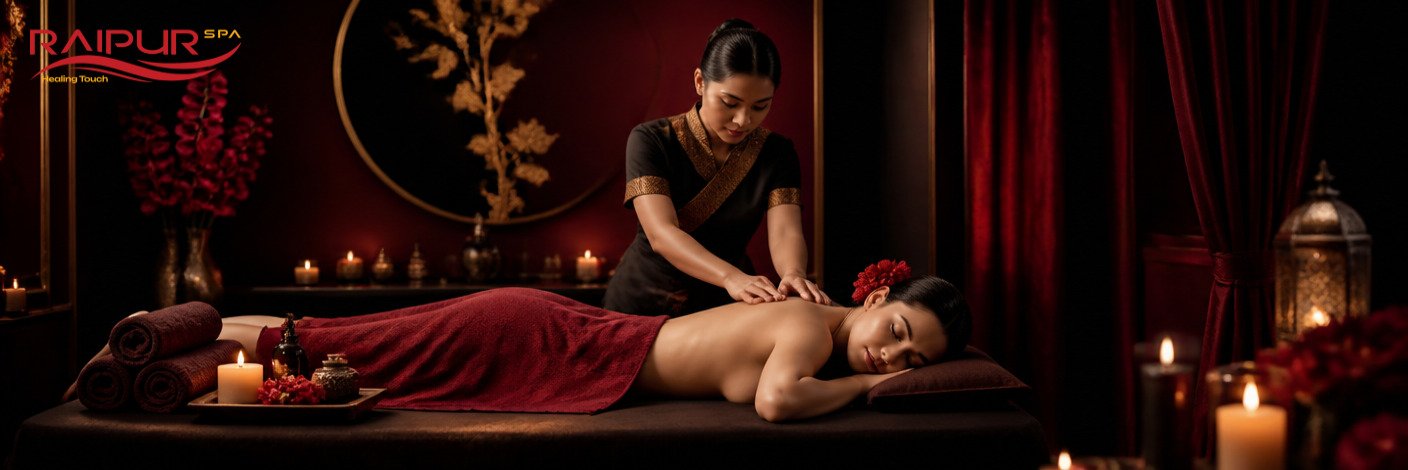
Stress & Mental Health
Stress Relief in Raipur: How Spa Therapy Helps Busy Professionals
14 min read · 30 Sep 2026
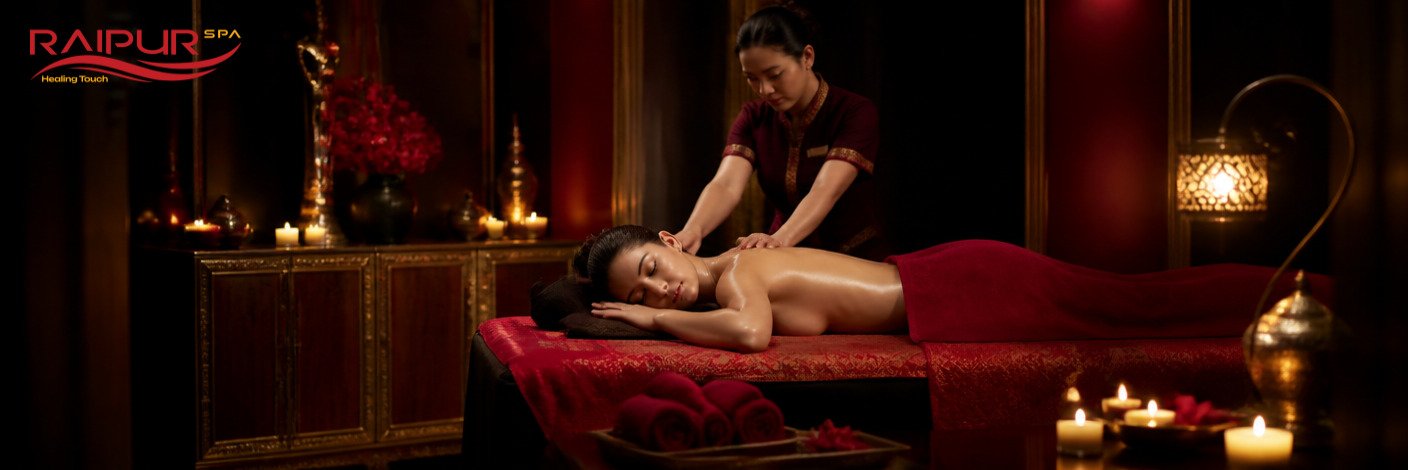
Stress & Mental Health
From Stress to Serenity: The Science Behind Spa Therapies in Raipur
7 min read · 30 Sep 2026
Stress & Mental Health
Why Raipur Residents Are Choosing Wellness Spa Retreats for Stress Relief
14 min read · 28 Sep 2026
Enjoyed This Article?
Stop reading about relaxation — come experience it firsthand at Raipur SPA.