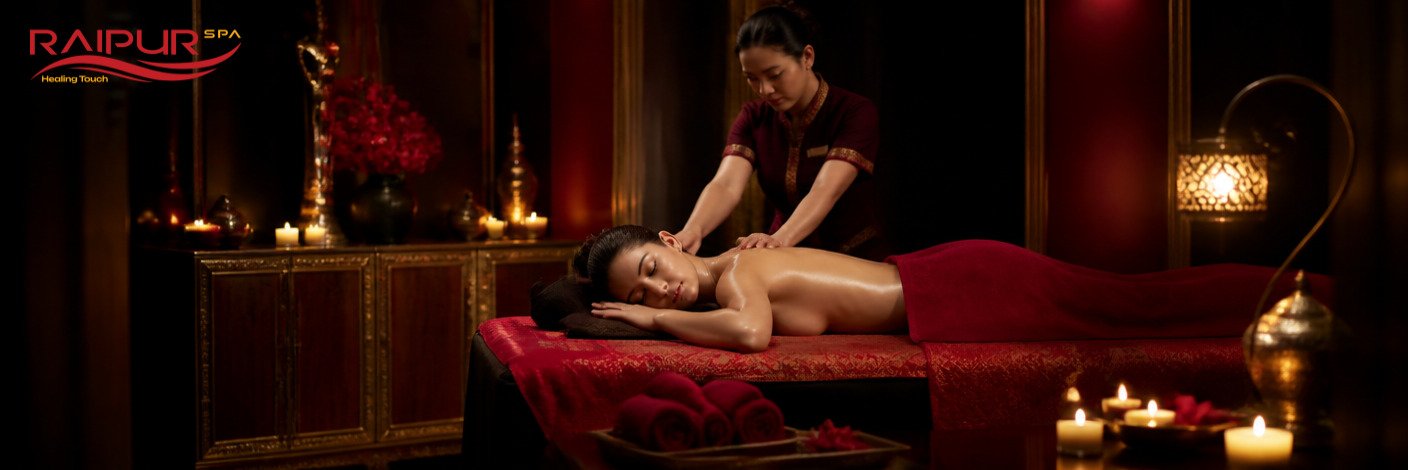
What is the best massage for stress relief in Raipur?
A deep tissue or Swedish massage is often recommended for stress relief. These therapies reduce cortisol and increase serotonin, promoting relaxation. In Raipur, many spas offer these massages, with session lengths of 60 or 90 minutes. For best results, combine with regular exercise and adequate sleep.
Key Takeaways
- • Massage therapy lowers cortisol, the body's primary stress hormone.
- • Swedish massage uses gentle strokes to improve circulation and relaxation.
- • Deep tissue massage targets chronic muscle tension and knots.
- • Aromatherapy enhances relaxation by stimulating the limbic system.
- • Regular spa visits can improve sleep quality and mood.
- • Always consult a healthcare provider before starting new therapies.
What is the science behind spa therapies in Raipur? Spa therapies in Raipur combine physiological and psychological techniques—like massage, heat, and aromatherapy—to reduce cortisol, boost endorphins, and activate the parasympathetic nervous system, shifting your body from stress to serenity.
Key Takeaways
- Spa therapies lower stress hormones like cortisol and increase feel-good endorphins.
- Massage, heat, and aromatherapy work together to calm the nervous system.
- Regular spa sessions improve sleep, mood, and overall well-being.
- Raipur SPA offers therapies starting from ₹999, open daily 11 AM to 9 PM.
- Booking is easy via WhatsApp or call at +91 7987 303 127.
How Stress Affects Your Body
Stress isn't just a mental weight—it's a full-body response. When you're under pressure, your body releases cortisol and adrenaline, preparing you to fight or flee. In small doses, that's helpful. But chronic stress keeps these hormones elevated, leading to muscle tension, headaches, poor sleep, and even weakened immunity.
In a bustling city like Raipur, where work and family demands often collide, many people live in a constant state of low-grade stress. Think about a typical day: you wake up to traffic on the way to an office near Jaistambh Chowk, juggle deadlines, rush home through the evening rush hour, and then deal with household responsibilities. Your body never fully gets the signal that the danger has passed. Over weeks and months, that unresolved stress quietly erodes your health.
The signs of chronic stress are easy to dismiss as "just being tired." You might notice:
- Physical symptoms: Tight shoulders and neck, frequent headaches, jaw clenching, digestive issues like acidity or bloating, and a racing heart even when you're sitting still.
- Emotional symptoms: Irritability, feeling overwhelmed, difficulty concentrating, and a sense of dread about the day ahead.
- Behavioral symptoms: Poor sleep, changes in appetite, procrastination, and withdrawing from people you enjoy.
What makes chronic stress especially tricky is that it becomes your new normal. You adapt to feeling tense, so you stop noticing it—until your body forces you to pay attention with a migraine, a stiff back, or a night of staring at the ceiling. The good news? Spa therapies are designed to interrupt that cycle—gently and effectively—by working directly on the nervous system rather than just masking symptoms.
The Science of Relaxation: What Happens During a Spa Therapy
When you step into a spa, you're not just treating yourself—you're triggering a cascade of physiological changes. Here's what happens under the surface.
1. Massage Therapy: More Than Just Knots
Massage is one of the most studied spa therapies. Research shows it reduces cortisol by up to 30% and increases serotonin and dopamine—neurotransmitters that regulate mood and happiness. The pressure of skilled hands also stimulates pressure receptors, which send signals to the brain to slow heart rate and relax muscles.
There's also a mechanical explanation. When muscles are held in a tense position for hours—say, hunched over a laptop—the fascia (the connective tissue around muscles) becomes sticky and restricted. Massage physically separates these layers, restoring glide and reducing that "locked up" feeling. It also flushes out metabolic waste products like lactic acid that accumulate in overworked tissues.
Different massage styles target different stress patterns:
- Swedish massage: Long, flowing strokes that promote overall relaxation and improve circulation. Ideal if you're new to massage or want gentle relief.
- Deep tissue massage: Slow, firm pressure that reaches deeper muscle layers. Best for chronic knots, postural pain, and athletes.
- Aromatherapy massage: Combines Swedish techniques with essential oils selected for your mood—lavender for anxiety, citrus for low energy, eucalyptus for congestion.
- Hot stone massage: Smooth heated stones are placed on key points and used as tools, combining heat and pressure for deep relaxation.
At Raipur SPA, our therapists are trained in Swedish, deep tissue, and aromatherapy massage, each targeting different stress patterns. During your consultation, we'll ask about your pressure preference, problem areas, and any injuries so the session is tailored to you.
2. Heat Therapy: The Power of Warmth
Heat—whether from a steam room, sauna, or hot stone massage—dilates blood vessels, improving circulation and delivering oxygen to tired tissues. It also relaxes muscle fibers, easing stiffness and pain. The warmth triggers the release of endorphins, your body's natural painkillers.
Heat therapy has a fascinating effect on the cardiovascular system. As your blood vessels widen, your heart rate temporarily rises, mimicking the benefits of light exercise. Then, as you cool down, your heart rate drops and you enter a deeply relaxed state. This "vascular workout" can improve blood pressure over time when practiced regularly.
Steam and sauna sessions also promote detoxification through sweating, open pores, and clearer skin. The heat loosens mucus in the respiratory tract, which is why many people find steam inhalation relieves congestion during Raipur's changing seasons.
For those in Raipur dealing with desk-job stiffness or workout soreness, heat therapy is a game-changer. A 15-minute steam session before a massage primes your muscles, making the massage more effective and comfortable. If you have sensitive skin or low blood pressure, tell your therapist—we'll adjust the temperature and duration.
3. Aromatherapy: Scent and the Limbic System
Essential oils like lavender, chamomile, and eucalyptus interact with your limbic system—the brain's emotional center. Inhaling these scents can lower anxiety, improve mood, and even enhance sleep quality. It's why a whiff of lavender can feel like a deep breath of calm.
The science is straightforward: your olfactory nerve connects directly to the limbic system, bypassing the thalamus where other senses are processed. That means scent reaches your emotional brain faster than touch or sound. Within seconds of inhaling, essential oil molecules can influence heart rate, breathing, and stress hormone levels.
Here's a quick guide to common oils and their effects:
- Lavender: Calming, reduces anxiety, supports sleep.
- Chamomile: Soothing, anti-inflammatory, good for sensitive skin.
- Eucalyptus: Refreshing, clears sinuses, boosts mental clarity.
- Peppermint: Energizing, relieves headaches and muscle tension.
- Ylang-ylang: Uplifting, balances mood, often used for stress relief.
- Sandalwood: Grounding, meditative, popular in Ayurvedic treatments.
At Raipur SPA, we use high-quality oils and can blend a custom scent for your session. If you have allergies or sensitive skin, let us know—we'll do a patch test or choose a gentler option.
4. The Parasympathetic Switch: Rest and Digest
All these therapies converge on one goal: activating the parasympathetic nervous system. This is your body's "rest and digest" mode, opposite to the stress-driven "fight or flight." When activated, your heart rate slows, digestion improves, and your mind quiets. That's the serenity you feel after a good spa session.
The vagus nerve—the main highway of the parasympathetic system—runs from your brainstem to your abdomen, touching your heart, lungs, and digestive organs. Massage, deep breathing, and warmth all stimulate the vagus nerve, increasing what scientists call "vagal tone." Higher vagal tone is linked to better emotional regulation, lower inflammation, and greater resilience to stress.
You can actually feel the switch happen. Your breathing becomes slower and deeper. Your shoulders drop. Your jaw unclenches. Your thoughts stop racing. This isn't just subjective—measurable changes occur in heart rate variability, blood pressure, and cortisol levels. Regular spa sessions essentially train your nervous system to find this state more easily, even outside the spa.
5. The Mind-Body Connection: Why Touch Matters
Human touch has a profound effect on well-being. Skin-to-skin contact releases oxytocin—the "bonding hormone"—which counteracts cortisol and creates feelings of trust and safety. In a world where many of us spend hours alone with screens, therapeutic touch fills a basic biological need.
This is why a spa session can feel emotionally releasing, not just physically relaxing. Some guests find themselves tearing up during a massage—that's a sign of pent-up tension finally letting go. Our therapists are trained to create a safe, non-judgmental space where that release can happen naturally.
Why Spa Therapies Work So Well in Raipur
Raipur's unique blend of urban energy and cultural warmth makes spa therapies particularly effective. The city's pace—busy but not chaotic—means stress accumulates steadily. A spa break offers a structured way to reset.
Consider the specific stressors of life in Raipur. The summer heat can be draining, keeping you indoors and sedentary. The monsoon brings humidity and traffic snarls. Winter is pleasant but short. Add to that the demands of business, education, and family in a growing city, and it's easy to see why so many people feel depleted.
Moreover, local spas like Raipur SPA in Samta Colony integrate traditional Indian wellness practices, such as Ayurvedic oils and herbal steam, with modern techniques. This holistic approach addresses both body and mind.
Ayurveda, India's ancient system of medicine, has been refining relaxation techniques for thousands of years. Practices like Shirodhara (a steady stream of warm oil poured on the forehead), Abhyanga (full-body oil massage), and Swedana (herbal steam) are designed to balance the doshas—Vata, Pitta, and Kapha—that govern your physical and mental state. When combined with modern understanding of cortisol and the nervous system, these traditions become even more powerful.
Raipur also has a culture of hospitality and care. In local spas, you're not just a customer—you're a guest. That warmth amplifies the relaxation response, making the experience feel personal and restorative.
Choosing the Right Therapy for Your Stress
Not all stress is the same, and neither are spa therapies. Here's a quick guide:
- Muscle tension and aches: Deep tissue or hot stone massage.
- Anxiety and racing thoughts: Aromatherapy massage or Shirodhara.
- Fatigue and low energy: Swedish massage or body scrub.
- Insomnia: Head massage or foot reflexology.
- Digestive issues: Abdominal massage or gentle Swedish techniques.
- Emotional overwhelm: Shirodhara or a longer aromatherapy session.
Our therapists at Raipur SPA can help you choose based on your needs. But it's also worth listening to your body. If you're drawn to heat, try a steam room or hot stone massage. If you crave quiet and stillness, Shirodhara might be the answer. If you want to feel energized, a body scrub followed by a Swedish massage can leave you refreshed.
Don't be afraid to mix therapies. Many guests book a 90-minute session that combines a 15-minute steam, a 60-minute massage, and a 15-minute relaxation period. This layered approach addresses stress from multiple angles.
What to Expect During Your Visit
Your first spa visit can feel unfamiliar, but it's simple. You'll be greeted with a consultation to discuss your concerns and preferences. Then, you'll change into comfortable robes and be guided to a treatment room. The therapist will explain the process and adjust pressure to your comfort.
Sessions typically last 60 to 90 minutes. Afterward, you can relax in our quiet lounge with herbal tea. Many guests notice improved mood and sleep immediately.
Here's a more detailed walkthrough so you know exactly what to expect:
- Arrival (15 minutes before): Arrive early to fill out a brief health form and sip water. This buffer also helps you transition from "city mode" to "spa mode."
- Consultation (5–10 minutes): Your therapist asks about stress levels, problem areas, injuries, allergies, and pressure preference. This is your chance to speak up—there's no such thing as a silly question.
- Changing: You'll be given a locker, robe, and disposable undergarments. You undress to your comfort level; therapists use draping to keep you covered except for the area being worked on.
- Therapy (60–90 minutes): The therapist works systematically, checking in about pressure. Music, lighting, and temperature are adjusted for your comfort.
- Post-therapy rest (10–15 minutes): You're guided to a lounge for herbal tea and relaxation. This integration period is important—it lets your nervous system settle into the relaxed state.
- Aftercare advice: Your therapist may suggest stretches, hydration, or follow-up sessions.
If you're nervous about being touched, communicate that. Therapists are professionals who prioritize your comfort and can adjust techniques or focus on areas you're comfortable with.
Making Spa Therapy a Habit
One spa day is a treat; regular sessions are a lifestyle. Studies suggest that monthly massage can sustain lower cortisol levels and better sleep. Think of it as preventative care for your mind and body.
Habits are built on consistency, not intensity. You don't need a three-hour luxury retreat every week. A monthly 60-minute massage, paired with simple at-home practices, can transform how you handle stress. Here are some practical tips to make it stick:
- Schedule it like any appointment: Put your spa session in your calendar a month in advance. Treat it as non-negotiable as a dentist visit.
- Pair it with a routine: Book your session for the same time each month—say, the first Saturday—so it becomes automatic.
- Bring a friend or partner: Shared spa time is a bonding experience and makes you more likely to follow through.
- Track how you feel: Note your sleep quality, mood, and tension levels before and after. Seeing the benefits in writing reinforces the habit.
- Use at-home micro-practices: Between sessions, try 5 minutes of deep breathing, a warm foot soak, or self-massage with a tennis ball against a wall.
To make it easier, Raipur SPA offers packages starting at ₹999. We're open daily from 11:00 AM to 09:00 PM, so you can fit a session around work or weekends.
Common Myths About Spa Therapies
Even with growing awareness, some myths keep people from experiencing the benefits. Let's clear them up.
Myth 1: Spa therapies are only for women.
Not true. Men benefit just as much—especially those in high-stress jobs, athletes, and anyone with physical tension. Many of our regular guests are men who come for deep tissue work and steam therapy.
Myth 2: You need to be flexible or fit to get a massage.
Massage adapts to your body. Therapists work around injuries, limited mobility, and sensitivities. You don't need to be in shape to benefit.
Myth 3: A single session fixes everything.
One session can provide significant relief, but chronic stress took months or years to build. Regular sessions, combined with lifestyle changes, produce lasting results.
Myth 4: Spa therapies are too expensive.
With sessions starting at ₹999, it's comparable to a dinner out—but the benefits last longer. Think of it as an investment in your health.
Frequently Asked Questions
How often should I get a spa therapy for stress relief?
For ongoing stress, once or twice a month is ideal. If you're dealing with acute stress, weekly sessions for a few weeks can help reset your system. After that, you can taper to a maintenance schedule.
Are spa therapies safe for everyone?
Most therapies are safe, but if you have a medical condition, are pregnant, or have skin allergies, consult your doctor first. Our therapists can also adapt treatments to your needs. For example, we avoid deep pressure on varicose veins, recent injuries, or areas with skin infections.
What should I do before my spa appointment?
Avoid heavy meals and alcohol beforehand. Arrive 15 minutes early to relax. Drink water to stay hydrated. If you're booking a steam or sauna session, avoid alcohol for at least 24 hours before, as it increases dehydration risk.
How long does a typical spa session last?
Most sessions run 60 to 90 minutes. You can also book shorter express treatments if you're short on time. A 30-minute head, neck, and shoulder massage can still deliver noticeable relief.
Can spa therapies help with sleep problems?
Yes. Massage and aromatherapy can improve sleep by reducing cortisol and promoting relaxation. Many people report better sleep after just one session. For chronic insomnia, a combination of regular massage, Shirodhara, and good sleep hygiene works best.
Do I need to book in advance?
We recommend booking ahead, especially on weekends. You can easily book via WhatsApp or call at +91 7987 303 127.
What if I'm uncomfortable during a session?
Speak up immediately. Whether it's pressure, temperature, music, or anything else, your therapist can adjust. Your comfort is the priority, and there's no need to endure anything.
Can I combine multiple therapies in one visit?
Absolutely. Many guests combine steam, massage, and a body scrub in a single 90-minute session. We can design a package that fits your time and goals.
Conclusion
Spa therapies aren't just luxury—they're science-backed tools for managing stress. By understanding how massage, heat, and aromatherapy work, you can choose the right treatment and make relaxation a regular part of your routine. In Raipur, Raipur SPA is your trusted partner in this journey. Ready to shift from stress to serenity? Book your session today by calling or WhatsApp at +91 7987 303 127.
Frequently Asked Questions
How does massage reduce stress?
Massage reduces stress by lowering cortisol levels and increasing serotonin and dopamine. It also promotes relaxation through the parasympathetic nervous system.
Which massage is best for anxiety?
Swedish massage is often recommended for anxiety due to its gentle, flowing strokes. Aromatherapy massage can also be effective when using calming essential oils.
How often should I get a massage for stress relief?
For ongoing stress relief, a massage every two to four weeks is common. However, frequency depends on individual needs and lifestyle.
Are spa therapies in Raipur effective for stress?
Yes, many spas in Raipur offer professional massage and wellness therapies that can help reduce stress. Effectiveness varies by individual and therapist skill.
What should I expect during a stress-relief massage?
You can expect a quiet environment, gentle to moderate pressure, and focus on areas like the back, neck, and shoulders. Communicate with your therapist about pressure preferences.
Can spa therapies replace medical treatment for stress?
No, spa therapies are complementary and not a substitute for medical treatment. If you have chronic stress or anxiety, consult a healthcare professional.
Book Your Session
Book Your SessionPeople Also Ask
Related Articles
Stress & Mental Health
Stress Relief in Raipur: How Spa Therapy Helps Busy Professionals
14 min read · 30 Sep 2026
Stress & Mental Health
Why Raipur Residents Are Choosing Wellness Spa Retreats for Stress Relief
14 min read · 28 Sep 2026
Stress & Mental Health
Stress Relief in Raipur: The Science Behind Spa Therapy
14 min read · 26 Sep 2026
Enjoyed This Article?
Stop reading about relaxation — come experience it firsthand at Raipur SPA.