Thai Massage vs Balinese Massage: The Short Answer
Thai massage is an active, stretch-based therapy performed on a floor mat with the client fully clothed, using assisted yoga-like stretches and rhythmic compression along energy lines, while Balinese massage is a slower, oil-based massage performed on a table that combines long strokes, kneading, and gentle acupressure for deep relaxation. If you want something closer to assisted stretching and are comfortable with more physical, hands-on manipulation of your body, Thai massage is the better fit. If you want a traditional, oil-based relaxation massage with a warm, soothing feel, Balinese massage is generally the better choice. Both are available at Raipur SPA in Samta Colony, and understanding the difference upfront helps you book the one that actually matches what you are looking for.
Where Each Style Originates
Thai massage traces its roots back over two thousand years to traditional Thai medicine, influenced by Ayurvedic and Chinese medical traditions, and was historically practiced in temples alongside meditation and healing practices. Balinese massage originates from Indonesia, particularly the island of Bali, and blends techniques from acupressure, reflexology, and aromatherapy, developed as part of a broader Indonesian wellness tradition that emphasizes balance between body and mind.
How Thai Massage Actually Works
Thai massage is performed on a padded mat on the floor rather than a massage table, and the client remains fully clothed in loose, comfortable clothing throughout. The therapist uses their hands, knees, legs, and feet to apply rhythmic pressure and guide the client's body through a series of assisted stretches, similar to passive yoga. No oil is used in traditional Thai massage, since the technique relies on compression and movement rather than gliding strokes. Sessions often work along what are described as energy lines running through the body, applying pressure at specific points believed to correspond to different organs and systems.
How Balinese Massage Actually Works
Balinese massage takes place on a standard massage table, with the client unclothed and draped, similar to most Western massage styles. It uses a generous amount of aromatic oil and combines several techniques within a single session, including long gliding strokes, kneading, rolling, and gentle acupressure at specific points to relieve tension. The pace is generally slow and rhythmic, designed to induce deep relaxation, and the addition of aromatherapy oils is a signature part of the Balinese experience, often using ingredients like frangipani, ginger, or sandalwood.
Physical Intensity: What to Expect
Thai massage tends to be more physically involved for both the client and the therapist. The stretching component means your body is actively moved into different positions, and some of the compression techniques can feel quite firm, particularly along the legs and back. Balinese massage, in contrast, keeps the client passive throughout, lying still while the therapist works with oil-based strokes. If you are looking for a purely passive, deeply relaxing experience, Balinese massage delivers that more directly. If you want something that feels more like active bodywork with a therapeutic, stretching component, Thai massage is the better fit.
Clothing and Setting Differences
One of the most immediately noticeable differences is what you wear and where the massage happens. Thai massage requires loose, comfortable clothing since you remain dressed throughout and your body is moved through various stretch positions on a floor mat. Balinese massage follows the standard spa convention of being unclothed and draped with a sheet or towel on a massage table, with oil applied directly to the skin. If modesty or personal comfort around undressing is a concern, Thai massage may feel more comfortable for a first-time visit, since there is no need to disrobe at all.
Which One Helps With Flexibility and Mobility?
Thai massage has a distinct advantage here, since the assisted stretching directly targets joint mobility and muscle flexibility in a way that oil-based massage does not. People dealing with stiffness, limited range of motion, or those who want a massage that doubles as a flexibility session often prefer Thai massage for this reason. Balinese massage can still ease muscle tightness through kneading and pressure, but it does not include the same active stretching component.
Which One Is More Relaxing?
This depends on what "relaxing" means to you personally. Balinese massage is more universally associated with pure, passive relaxation, thanks to its slow pace, warm oils, and aromatherapy elements. Thai massage can also be deeply relaxing, but in a different way, since the active stretching and rhythmic compression create a distinct sense of release in the muscles and joints rather than the purely calming sensation of oil-based strokes. Many regular clients at Raipur SPA alternate between the two depending on their mood and physical needs on a given day.
Pain Tolerance and Who Should Be Cautious
Thai massage involves more direct pressure and stretching, so anyone with joint issues, recent injuries, osteoporosis, or limited mobility should approach it cautiously and inform their therapist beforehand, since certain stretches may not be appropriate. Balinese massage, being gentler and using more conventional strokes, is generally suitable for a wider range of people, including those who are new to massage or have mild physical limitations. Pregnant clients should generally avoid Thai massage due to the stretching positions involved, and should opt for a pregnancy-safe massage style instead.
Duration and What a Typical Session Looks Like
Thai massage sessions commonly run sixty to ninety minutes, since the process of working through a full sequence of stretches and compression points across the entire body takes time. Balinese massage is commonly offered in sixty or ninety minute formats as well, with the option to focus more time on specific areas if there is a particular zone of tension. Neither style is typically offered in very short sessions, since both are designed as a complete, full-body experience rather than a quick, targeted treatment.
Cost Comparison Between the Two
Pricing for Thai and Balinese massage at most spas in Raipur, including Raipur SPA, tends to be broadly similar, though Thai massage occasionally costs slightly more due to the physical demands placed on the therapist during an active stretching session. The difference is generally modest, so it should not be the primary factor in your decision. Choosing based on what your body needs, whether that is flexibility work or pure relaxation, will generally lead to a more satisfying experience than choosing based on a small price difference.
Can First-Timers Try Either Style Comfortably?
Yes, both styles are approachable for first-time clients, though the experience feels quite different. First-timers who are nervous about undressing or unfamiliar with massage in general sometimes find Thai massage a gentler introduction, since remaining clothed removes one layer of unfamiliarity. Those looking for a classic, universally recognizable "spa massage" experience often gravitate toward Balinese massage instead, since it aligns more closely with what most people picture when they imagine a relaxing massage.
How Raipur SPA Therapists Are Trained in Each Style
Therapists at Raipur SPA who perform Thai massage are trained specifically in the stretch sequences and compression techniques unique to the style, which require a different skill set from standard Western massage. Balinese massage therapists are trained in the specific blend of long strokes, kneading, and acupressure that defines the technique, along with proper use of aromatherapy oils. Both are treated as specialized skills at Raipur SPA rather than variations of a single generic massage, which is part of why booking the right one for your needs matters.
The Role of Aromatherapy in Balinese Massage
Aromatherapy is not an optional add-on in Balinese massage, it is a core part of the technique itself. The specific blend of oils used, often combining ingredients like frangipani, coconut, ginger, or sandalwood, is chosen to enhance the sensory experience alongside the physical strokes, engaging both smell and touch to deepen the sense of relaxation. Different oil blends are sometimes offered depending on the mood you want to create, whether that is something energizing and citrus-based or something warmer and more grounding. This is part of why Balinese massage is often described as a more immersive, multi-sensory experience compared to massage styles that focus purely on muscle manipulation.
Why Thai Massage Is Sometimes Called "Lazy Person's Yoga"
Thai massage has earned the nickname "lazy person's yoga" because the therapist essentially guides your body through a sequence of stretches you would otherwise have to do yourself in a yoga practice. Instead of actively holding poses, you remain relaxed while the therapist moves your limbs, applies compression, and guides your body into positions that open up the hips, shoulders, spine, and hamstrings. This makes Thai massage a good option for people who know they would benefit from stretching and improved flexibility but do not have a consistent yoga practice of their own, since the therapist does the active work for you.
Combining Both Styles Over Multiple Visits
Since Thai and Balinese massage offer genuinely different benefits, some regular clients at Raipur SPA choose to alternate between the two rather than picking one permanently. A common pattern is booking Thai massage during periods of stiffness or after long stretches of inactivity, when flexibility and mobility are the priority, and switching to Balinese massage during periods of high stress or mental fatigue, when pure relaxation is the goal. There is no rule requiring you to stick with a single style, and trying both over separate visits is a good way to discover which one your body responds to better, or whether you prefer alternating based on how you are feeling that week.
Frequently Asked Questions
Do I need to undress for a Thai massage?
No. Thai massage is performed fully clothed in loose, comfortable clothing, unlike most other massage styles which require you to undress and be draped with a sheet or towel.
Is Thai massage more painful than Balinese massage?
Thai massage generally involves more intense pressure and stretching, which can feel more physically demanding, though it should never cross into sharp pain. Balinese massage is gentler and more consistently relaxing throughout.
Which is better for stress relief, Thai or Balinese massage?
Balinese massage is generally considered better for pure stress relief and relaxation, due to its slow pace, oil-based strokes, and aromatherapy elements.
Can Thai massage improve my flexibility?
Yes. The assisted stretching component of Thai massage directly targets joint mobility and muscle flexibility, making it a good option for people dealing with stiffness or limited range of motion.
Is Balinese massage safe during pregnancy?
Certain modifications are typically needed during pregnancy for any massage style. It is best to inform your therapist of your pregnancy so they can adjust positioning and pressure appropriately, or recommend a dedicated prenatal massage instead.
Which massage uses oil, Thai or Balinese?
Balinese massage uses a generous amount of aromatic oil throughout the session. Traditional Thai massage typically uses no oil at all, relying on compression and stretching instead.
What Regular Clients at Raipur SPA Tend to Prefer
Preferences among regular clients at Raipur SPA vary quite a bit, but a rough pattern does emerge over time. Clients with desk jobs and general daily stiffness often gravitate toward Thai massage once they experience the flexibility benefits firsthand, since it addresses the specific tightness that comes from sitting for long hours. Clients primarily seeking a calming escape from a stressful week, or those celebrating an occasion like a birthday or anniversary, tend to prefer the more classically indulgent feel of Balinese massage. Neither preference is more "correct" than the other, and many clients end up enjoying both depending on their mood and physical state at the time of booking.
Final Thoughts
Thai and Balinese massage offer genuinely different experiences, and neither is inherently better than the other. Thai massage suits people looking for active stretching, improved flexibility, and a more physically involved session performed fully clothed, while Balinese massage suits people looking for a classic, oil-based, deeply relaxing experience on a massage table. At Raipur SPA in Samta Colony, both are offered by therapists trained specifically in each technique, so the right choice really comes down to what your body needs on the day you book. If you are unsure which one to try first, describing your goals, whether that is flexibility, relaxation, or general stress relief, to your therapist before booking will help you land on the right option.
Book Your Session
Book Your SessionPeople Also Ask
Related Articles
Massage Therapy
Full Body Massage Benefits: What Happens to Your Body After 60 Minutes of Relaxation
15 min read · 27 Oct 2026
Massage Therapy
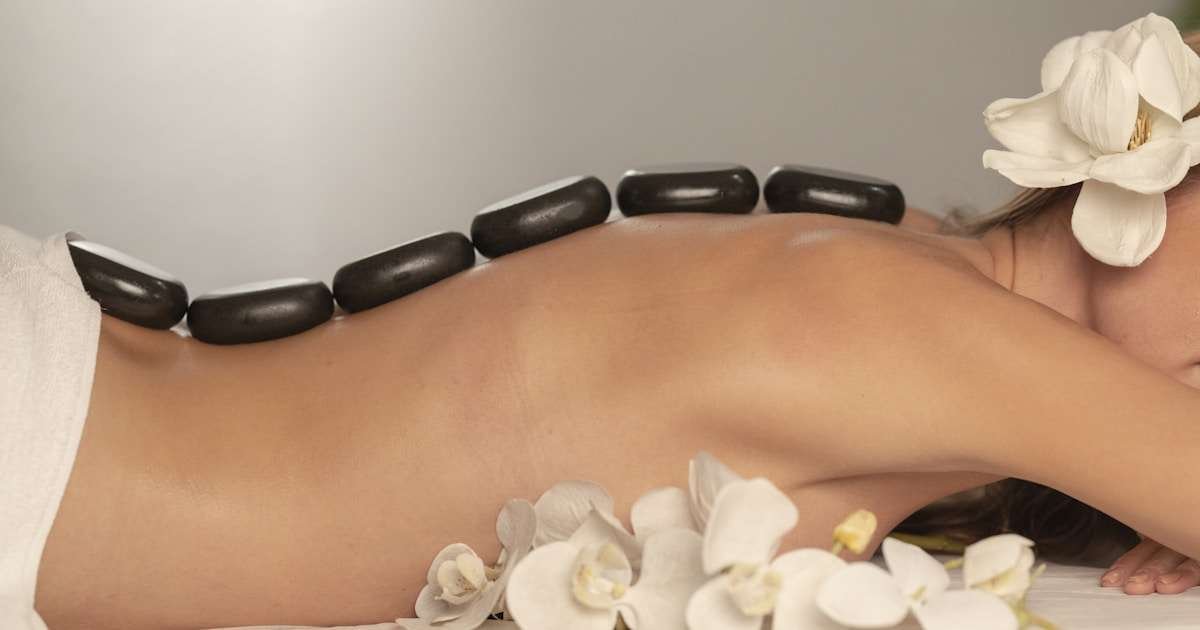
Aromatherapy Massage in Raipur: Essential Oils That Calm Your Mind and Body
11 min read · 27 Oct 2026
Massage Therapy
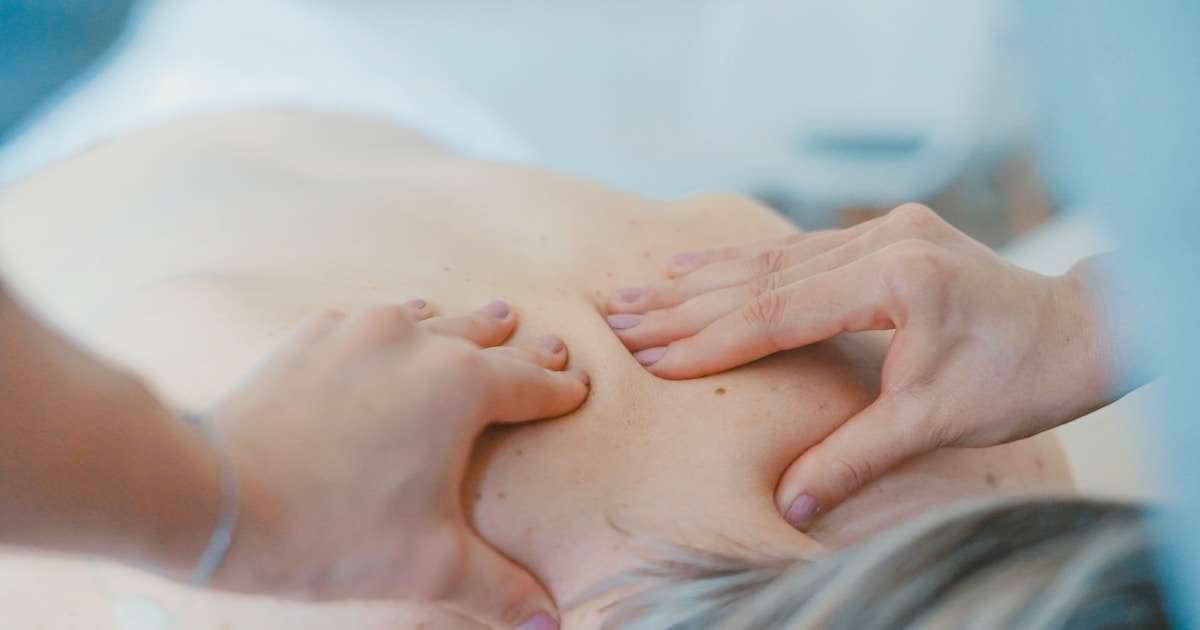
The Science of Pain Relief: How Therapeutic Massage Helps Back, Neck, and Joint Pain
7 min read · 27 Oct 2026
Enjoyed This Article?
Stop reading about relaxation — come experience it firsthand at Raipur SPA.