What Ayurvedic therapies are available in Raipur for modern wellness?
Raipur spas and wellness centres offer traditional Ayurvedic therapies including Abhyanga (warm oil massage), Shirodhara (continuous oil flow on the forehead), Swedana (herbal steam therapy), and Padabhyanga (foot massage). These treatments use herbal oils and follow classical Ayurvedic protocols, and are typically offered as relaxation and wellness experiences rather than medical treatment.
Key Takeaways
- • Ayurveda is a traditional Indian wellness system that emphasizes balance through diet, lifestyle, and herbal therapies.
- • Abhyanga, Shirodhara, Swedana, and Padabhyanga are among the most commonly offered Ayurvedic therapies in Raipur.
- • Ayurvedic treatments typically use warm herbal oils selected according to the therapy and individual constitution.
- • Sessions usually last 45 to 90 minutes and are best booked in advance at reputable spas.
- • Ayurvedic spa therapies are wellness experiences and are not a substitute for medical diagnosis or treatment.
- • Consult a qualified practitioner or doctor before trying Ayurvedic therapies if you have health conditions or are pregnant.
Ayurveda in Raipur: Traditional Healing Therapies for Modern Wellness
Ayurveda in Raipur means traditional Indian healing adapted to city life — herbal oil massages, Shirodhara, and dosha-based therapies offered at premium spas like Raipur SPA in Samta Colony. These treatments combine 5,000-year-old wisdom with clean, modern spa settings, starting from ₹999, to relieve stress, body pain, and fatigue.
If your week runs on deadlines, traffic on the Ring Road, and late-night screen time, your body is probably asking for something older and gentler than another painkiller. That is where Ayurveda quietly steps in.
What makes Ayurveda different from a standard spa massage is intent. A conventional massage often aims at relaxation alone; an Ayurvedic session is built around your body's constitution, your current complaints, and a specific outcome — whether that is sleeping better, loosening a locked lower back, or simply calming a nervous system that has been running on caffeine and urgency for months. In a city like Raipur, where the pace has accelerated faster than most people's recovery habits, that distinction matters more than ever.
Key Takeaways
- Ayurveda in Raipur blends classical therapies like Abhyanga and Shirodhara with modern spa comfort.
- Most sessions are built around your dosha — Vata, Pitta, or Kapha — so no two treatments feel the same.
- Prices at Raipur SPA start from ₹999, making authentic Ayurvedic care accessible for regular self-care.
- The spa is open daily from 11:00 AM to 09:00 PM, which suits both lunch-hour breaks and post-work visits.
- Ayurvedic massage supports stress relief, better sleep, and easier muscle recovery when done consistently.
- Always share health conditions and pregnancy status before booking, so the therapist can adjust oils and pressure.
- One session per month is a realistic starting rhythm; weekly series help for chronic stiffness or high stress.
- A short consultation before treatment is what separates genuine Ayurvedic care from a generic rubdown.
Why Ayurveda Still Makes Sense for Modern Chhattisgarh
Raipur has changed fast. IT offices, coaching hubs, and long commutes have reshaped daily routines, and with them came stiff shoulders, disturbed sleep, and that constant low-grade tiredness nobody talks about.
Think about a typical Tuesday for a working professional in the city. You wake up to an alarm, sit through a commute from Shankar Nagar or Pandri, spend eight hours at a desk or in meetings, grab a late lunch, and then spend the evening scrolling. By Friday, your neck is tight, your eyes are dry, and your sleep is shallow. None of this is dramatic enough to visit a doctor, but it accumulates. Ayurveda was designed precisely for this kind of slow, lifestyle-driven imbalance — the sort that builds over months rather than appearing overnight.
Ayurveda does not ask you to quit your job or move to a Himalayan ashram. It simply offers time-tested tools — warm oils, rhythmic strokes, herbal steam — that help the nervous system settle. That is why so many working professionals in Chhattisgarh now book Ayurvedic therapies alongside their gym memberships and physiotherapy sessions.
There is also a cultural comfort to it. For many families in Raipur, oil massages and herbal remedies are already part of the household vocabulary — grandmothers who insisted on warm coconut oil for a headache, or a teaspoon of something bitter for digestion. Ayurveda at a professional spa simply formalises that inherited knowledge, adds hygiene and trained hands, and makes it something you can schedule rather than improvise.
Traditional Roots, Practical Application
Classical texts describe therapies in detail, but good modern practitioners translate them for real life. A therapist at a quality spa will ask about your sleep, digestion, and stress levels before choosing oils. That small conversation is what separates genuine Ayurvedic care from a generic rubdown.
For example, a person who reports dry skin, restless sleep, and a racing mind will usually be steered toward a warm, slow, sesame-based Abhyanga. Someone who complains of acidity, irritability, and hot flushes might get a cooling oil with coconut or sandalwood. A person who feels heavy, foggy, and sluggish after meals is often better served by a firmer, more stimulating massage followed by herbal steam. Same spa, same hour, three entirely different experiences — that is the practical value of the dosha framework.
Understanding Your Dosha Before You Book
Ayurveda works on the idea of three doshas — Vata (air and movement), Pitta (heat and metabolism), and Kapha (earth and structure). Most people are a mix, with one usually dominant.
- Vata types tend to feel anxious, dry-skinned, and restless. Warm, slow oil massages suit them best.
- Pitta types run hot — literally and emotionally. Cooling oils and calming therapies help.
- Kapha types feel heavy and sluggish. Stimulating massage and steam work well.
You do not need a formal diagnosis to begin. A short consultation before your session is usually enough to point the therapist in the right direction. But it helps to arrive with a little self-awareness. Ask yourself a few simple questions the night before: Do I feel cold or warm most of the time? Is my skin dry or oily? Do I skip meals and forget to drink water, or do I feel heavy after eating? Do I fall asleep easily but wake up groggy, or lie awake with a busy mind? Your answers will be surprisingly close to your dominant dosha.
What a Dosha Mix Looks Like in Practice
Most people are not a single pure type. A Vata-Pitta professional might be lean, quick-thinking, and prone to both anxiety and acidity. A Kapha-Vata person might carry extra weight yet feel restless and dry. This is why a good therapist does not rely on a chart alone — they read your skin, ask about digestion, and adjust the oil blend and pressure as they go. If you have ever had a massage that felt too rough or too gentle, you already understand why this calibration matters.
Core Ayurvedic Therapies You Can Experience in Raipur
Abhyanga: The Full-Body Oil Massage
Abhyanga is the heart of Ayurvedic bodywork. Warm herbal oil is applied in long, deliberate strokes that follow your muscles and joints rather than fighting them. Expect improved circulation, softer skin, and a deep sense of calm that lingers for hours.
The strokes are not random. They typically move upward and outward on the limbs, following the direction of muscle fibres and lymph flow, and circular motions are used over joints. The oil is warmed before application — that warmth alone relaxes tense muscles more effectively than a cold oil ever could. Sessions usually run 45 to 60 minutes, and many people describe the after-effect as feeling "oiled from the inside," a softness that lasts into the next day. It is an excellent choice for desk workers with tight shoulders, runners recovering from training, and anyone who simply cannot switch off.
Shirodhara: The Continuous Oil Stream
Warm oil flows in a steady stream onto the forehead for 30 to 45 minutes. It sounds unusual until you try it — then it becomes the therapy people return for. Shirodhara is especially popular for insomnia, anxiety, and mental fatigue.
The mechanics are simple: a vessel is suspended above your head, and oil drips in a continuous, rhythmic stream onto the forehead, specifically around the area Ayurveda associates with the nervous system. The effect is almost hypnotic. Many clients report that their thoughts slow down within the first ten minutes, and some drift into a light sleep. If you have ever struggled to meditate because your mind will not stop talking, Shirodhara offers a shortcut — the rhythm does the work for you. It is particularly recommended for people dealing with screen fatigue, chronic overthinking, or the kind of tension headaches that settle behind the eyes.
Padabhyanga: Foot Therapy for Tired Legs
If you stand all day or spend hours in traffic, foot therapy is underrated. Focused work on the soles and ankles eases heaviness and supports better sleep. It is also a gentle entry point if you are new to Ayurveda.
Teachers, shopkeepers, security staff, and anyone who spends long hours on their feet often find Padabhyanga more immediately satisfying than a full-body massage, because it targets exactly where the fatigue lives. The therapist works on pressure points in the soles, stretches the ankles gently, and finishes with warm oil around the calves. A 30-minute session in the evening can genuinely change how well you sleep that night.
Swedana: Herbal Steam
Herbal steam follows many oil therapies to help the body release stiffness and toxins. It feels a little like a sauna but with medicinal herbs in the air. Fifteen minutes is often enough.
Swedana is usually done in a wooden steam chamber with your head outside, so you breathe cool air while your body absorbs the herbal steam. The herbs used vary — eucalyptus, tulsi, and other aromatic plants are common — and the heat opens pores, loosens congestion, and helps the oil from a preceding massage penetrate deeper. It is especially useful in Raipur's colder winter months or after a long week of physical strain. If you feel lightheaded easily, tell your therapist; the duration can be shortened.
Other Therapies Worth Asking About
Depending on the spa, you may also find treatments like Kati Basti (warm oil pooled over the lower back for stiffness), Nasya (herbal nasal drops for congestion and sinus issues), and Mukha Lepam (herbal face packs for skin health). These are more targeted and are usually recommended after a consultation rather than booked blindly.
What a Typical Session Looks Like at Raipur SPA
Walk into Raipur SPA in Samta Colony and the first ten minutes are conversation, not treatment. A therapist notes your concerns, checks for allergies or injuries, and recommends a therapy and oil blend.
Then comes the session itself — clean rooms, warm towels, and pressure adjusted to your comfort. Afterwards, you are usually offered warm water and a few minutes to sit quietly. Rushing out immediately defeats the purpose.
Therapies start from ₹999, and the spa is open daily from 11:00 AM to 09:00 PM, so you can slot a session into a lunch break or an evening after work.
A Step-by-Step Walkthrough
- Arrival and consultation: You discuss sleep, stress, digestion, and any pain points. This is where you mention injuries or medical conditions.
- Preparation: You change into spa attire, and the therapist prepares warm oil based on your dosha and concerns.
- The therapy: Depending on what you booked, this runs 45 to 90 minutes. Pressure is adjusted throughout — speak up if something feels too firm or too light.
- Post-therapy rest: A short quiet period with warm water helps your body settle before you head back into the city.
- Aftercare advice: The therapist may suggest avoiding cold drinks, heavy meals, or intense workouts for a few hours.
One practical tip: arrive ten minutes early. Rushing in from traffic and immediately lying down means your muscles are still braced. A few minutes of sitting quietly with water before the session makes a noticeable difference to how deeply you relax.
Ayurveda for Stress, Sleep, and Screen Fatigue
Most people who walk into a spa are not chasing perfect health. They just want to feel normal again. Ayurveda addresses that honestly — through touch, warmth, and rhythm rather than quick fixes.
Regular sessions support better sleep quality, reduced muscle tension, and a calmer nervous system. Combine that with basic habits — earlier dinners, fewer late-night screens, a short daily walk — and the difference becomes noticeable within a few weeks.
There is a reason sleep is often the first thing to improve. The nervous system responds to slow, predictable touch by shifting out of fight-or-flight mode. When you spend an hour receiving warm oil in rhythmic strokes, your body gets a clear signal that it is safe to rest. People who struggle to fall asleep because their mind keeps replaying the day often find that an evening session breaks that cycle — even if only for a night or two at first.
How Often Should You Go?
For general wellness, once or twice a month is realistic. If you are recovering from chronic stiffness or high stress, a short weekly series over three to four weeks often works better. Your therapist can suggest a rhythm that fits your schedule and budget.
A useful way to think about it: Ayurveda is closer to physiotherapy than to a one-off treat. One session feels good, but a series builds on itself. If you have been carrying shoulder tension for a year, expecting a single massage to resolve it is unrealistic. Three or four sessions spaced a week apart, combined with small daily changes like stretching at your desk, tend to produce results that actually last.
Complementary Habits That Multiply the Benefits
- Drink warm water through the day rather than chilled drinks, especially after a session.
- Eat dinner at least two hours before sleeping.
- Keep screens out of the last 30 minutes before bed.
- Take a ten-minute walk after lunch, even if it is just around the office block.
- Do two minutes of gentle neck and shoulder stretches each morning.
None of these are dramatic. That is the point. Ayurveda works best as a series of small, consistent choices rather than a single heroic effort.
Safety, Hygiene, and What to Tell Your Therapist
Ayurvedic therapies are gentle, but transparency matters. Mention pregnancy, skin conditions, recent surgery, blood pressure issues, or any medication you take. Good spas welcome these details because they change the plan.
For instance, if you are pregnant, certain oils and pressure points are avoided entirely, and the therapist may recommend a gentler side-lying position. If you have uncontrolled blood pressure, very hot steam may be skipped. If you have a skin infection or open wound, the therapist will work around it or suggest postponing. None of this is a reason for embarrassment — it is simply how a professional session is customised.
Hygiene is equally important. Look for fresh linen, sanitised rooms, and therapists who explain what they are doing. At a premium spa, these are non-negotiables, not extras. You should see clean towels, covered massage tables, and therapists who wash their hands before beginning. If something feels off, it is perfectly reasonable to ask questions.
Signs You Are in Good Hands
- The therapist asks about your health history before starting.
- Oils are warmed and clearly explained.
- Pressure is adjusted when you ask, without hesitation.
- The room is clean, quiet, and properly heated or cooled.
- You are given time to rest afterwards rather than being hurried out.
Making Ayurveda Part of Your Routine
You do not need a complete lifestyle overhaul. Start with one monthly session, drink enough water, and pay attention to how your body responds. Ayurveda rewards consistency far more than intensity.
For readers in Raipur, the easiest first step is simply booking a trial session and seeing how you feel the next morning. Most people notice the difference in their sleep before anything else.
If you are unsure where to begin, start with a 60-minute Abhyanga. It is the most universally suitable therapy, gives you a feel for the spa and the therapist, and often reveals what your body actually needs. From there, you can branch into Shirodhara for stress, Padabhyanga for tired legs, or a series of sessions if you are dealing with long-standing stiffness. Think of the first visit as a conversation rather than a commitment.
Frequently Asked Questions
What is Ayurveda in Raipur and how does it work?
It refers to traditional Ayurvedic therapies offered at local spas and wellness centres, including oil massages, Shirodhara, and herbal steam. Therapists assess your body type and concerns, then choose oils and techniques accordingly.
How much does an Ayurvedic therapy cost in Raipur?
At Raipur SPA, therapies start from ₹999. Final pricing depends on the treatment type and duration, so it is best to confirm while booking.
Is Ayurvedic massage safe for everyone?
It is generally safe for most adults, but you should inform the therapist about pregnancy, injuries, skin conditions, or medical treatment. They will adjust or recommend an alternative therapy.
How long does a session take?
Most therapies run between 45 and 90 minutes, including a brief consultation. Shirodhara typically takes around 45 minutes on its own.
Do I need to book in advance?
Advance booking is recommended, especially on weekends and evenings. You can call or message +91 7987 303 127 to check availability.
What should I do after an Ayurvedic massage?
Rest for a while, drink warm water, and avoid heavy meals or intense workouts for a few hours. This helps the body absorb the benefits of the therapy.
Can I combine Ayurvedic therapy with physiotherapy or gym training?
Yes, and many people do. Ayurvedic massage complements both by easing muscle tension and improving circulation. Just let your therapist know about your training schedule so they can adjust pressure, and avoid scheduling a deep session immediately before an intense workout.
Is it okay to book a session if I have never tried Ayurveda before?
Absolutely. First-timers are common, and a good therapist will explain each step before it happens. Starting with a shorter session like Padabhyanga or a 60-minute Abhyanga is a comfortable introduction.
The Bottom Line
Ayurveda in Raipur is no longer a niche interest — it is becoming a practical part of modern wellness for people who want relief without side effects. Whether you are dealing with stress, stiffness, or simply need an hour of quiet, traditional therapies offer a sensible starting point.
Ready to experience it? Book your session at Raipur SPA in Samta Colony by calling or messaging +91 7987 303 127 on WhatsApp. Open daily, 11:00 AM to 09:00 PM.
Frequently Asked Questions
What is Shirodhara and why is it popular?
Shirodhara is an Ayurvedic therapy where warm herbal oil is poured in a steady stream onto the forehead. It is popular as a deeply relaxing treatment often chosen for stress relief and calm.
How long does an Ayurvedic massage take in Raipur?
Most Ayurvedic massage sessions in Raipur last between 45 and 90 minutes, depending on the therapy chosen. Spas often recommend arriving early for consultation and preparation.
Do I need to book Ayurvedic therapies in advance?
Yes, advance booking is recommended, especially on weekends and holidays. Reputable spas in Raipur usually confirm the therapist, therapy type, and duration at the time of booking.
Are Ayurvedic oils safe for sensitive skin?
Herbal oils are generally well tolerated, but sensitivities vary. Inform your therapist about allergies or skin conditions beforehand, and request a patch test or lighter oil if needed.
Can Ayurvedic therapies be combined in one session?
Yes, many spas offer combination packages such as Abhyanga followed by Swedana. Discuss your preferences and any health concerns with the therapist so the session is tailored appropriately.
What should I do after an Ayurvedic therapy session?
Rest briefly, stay hydrated, and avoid immediate exposure to cold or strenuous activity. Follow any aftercare guidance provided by the spa therapist.
Book Your Session
Book Your SessionPeople Also Ask
Related Articles
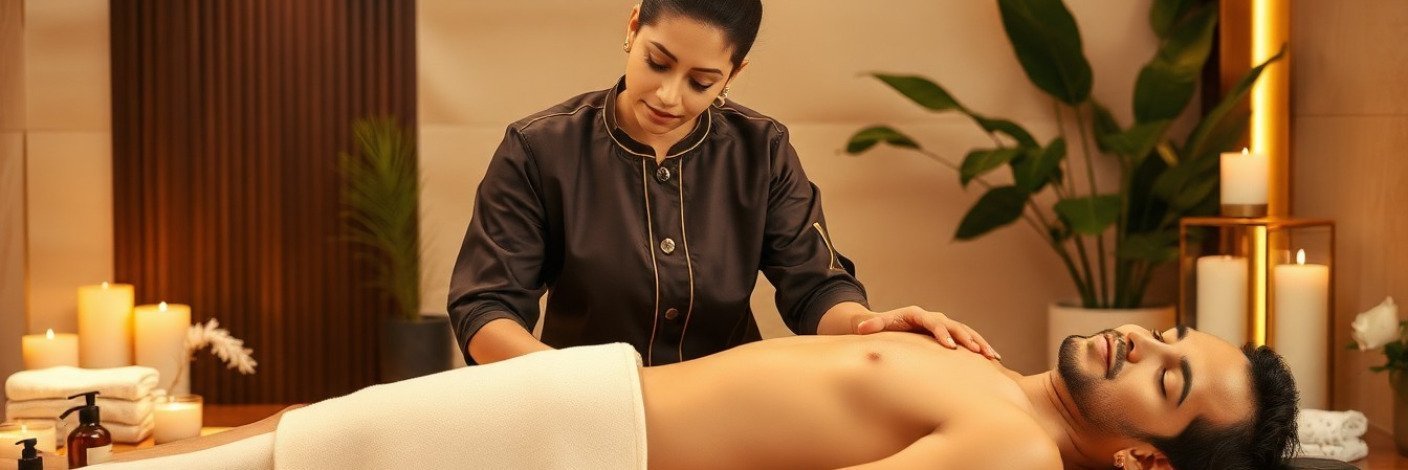
Health & Wellness
Pregnancy-Safe Spa Treatments in Raipur: What Expecting Mothers Should Know (2027 Guide)
14 min read · 22 Nov 2026
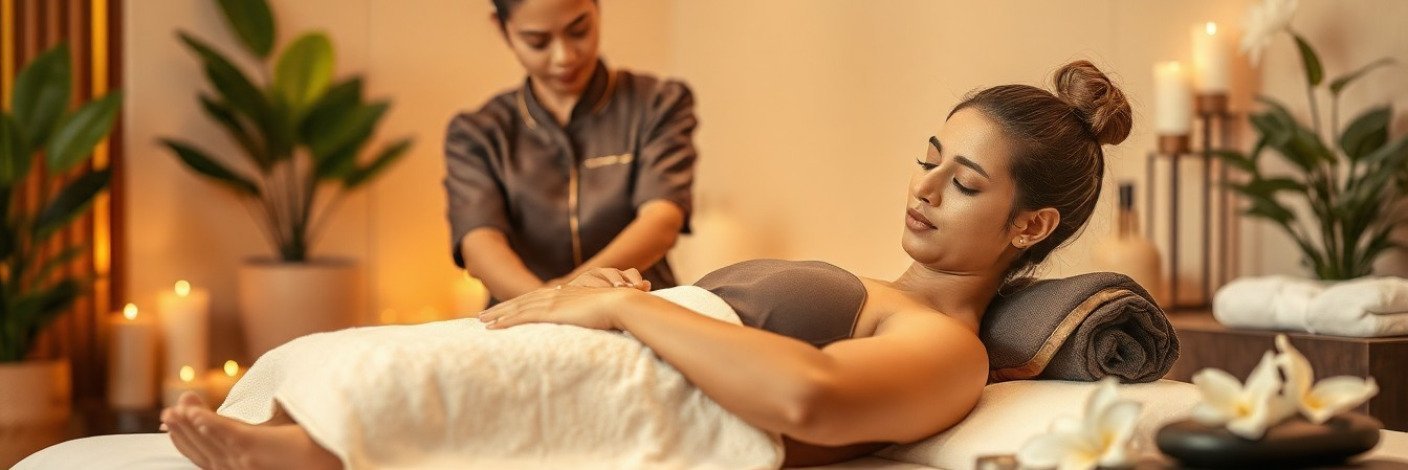
Health & Wellness
Detox Body Wraps and Cleansing Treatments at Raipur Spas (2027 Guide)
14 min read · 22 Nov 2026
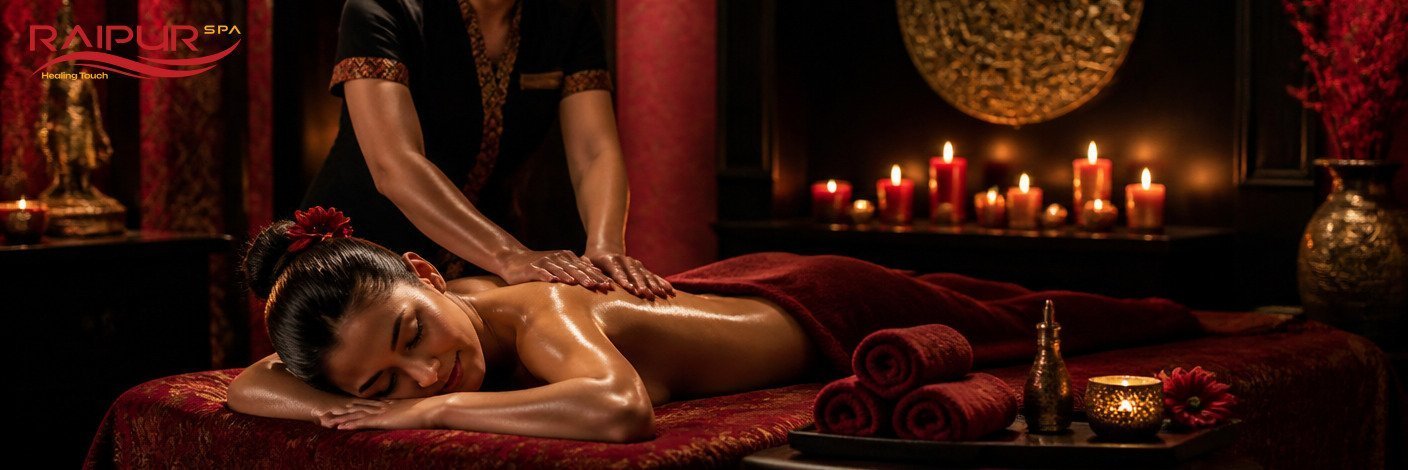
Health & Wellness
How to Relieve Joint and Muscle Pain with Ayurvedic Spa Therapy in Raipur (2027 Guide)
11 min read · 22 Nov 2026
Enjoyed This Article?
Stop reading about relaxation — come experience it firsthand at Raipur SPA.