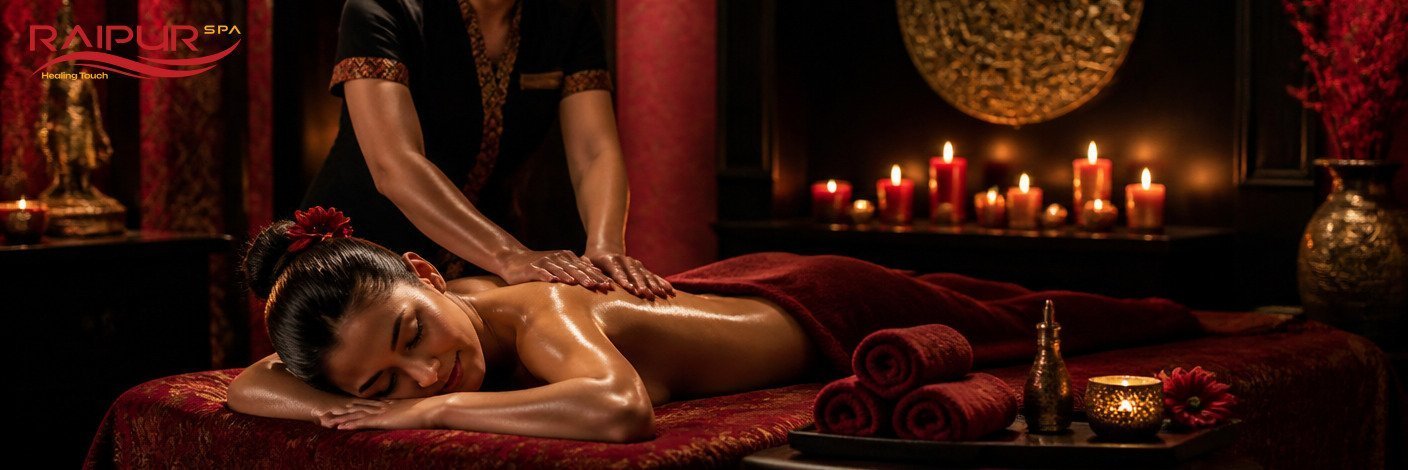
How can Ayurvedic spa therapy help relieve joint and muscle pain in Raipur?
Ayurvedic spa therapy in Raipur typically combines warm herbal oil massage (abhyanga), steam therapy, and gentle stretching to ease muscle stiffness and support joint comfort. Therapies often use oils infused with herbs such as sesame, ashwagandha, and mahanarayan. Sessions usually last 60–90 minutes and are best chosen after a consultation, especially for people with existing health conditions.
Key Takeaways
- • Ayurvedic spa therapy often combines warm herbal oil massage, steam, and gentle stretching.
- • Herbal oils such as sesame, ashwagandha, and mahanarayan are commonly used in these therapies.
- • Sessions usually run 60–90 minutes, with benefits often described as relaxation and improved comfort.
- • A consultation before booking helps match the therapy to your needs and health history.
- • Regular sessions may support mobility and relaxation, but results vary by individual.
- • People with medical conditions should consult a doctor before starting spa therapy.
Ayurvedic spa therapy relieves joint and muscle pain by combining warm herbal oils, medicated steam, and hands-on massage techniques that loosen stiff tissue, improve circulation, and calm inflammation. In Raipur, this approach works especially well for desk workers, older adults, and anyone living with chronic knee, back, or shoulder discomfort. In this 2027 guide, you'll learn exactly which therapies help, how they work, and where to find authentic care in the city.
Key Takeaways
- Ayurvedic spa therapy targets pain at three levels: circulation, muscle tension, and inflammation.
- Warm medicated oils (such as sesame, mahanarayan, and karpooradi) penetrate deeper than standard massage lotions.
- Abhyanga, kati basti, and potli massage are the most effective options for joint and muscle pain.
- A single session brings relief; a short series of 3–6 sessions gives lasting results for chronic issues.
- Sessions at Raipur SPA start from ₹999 and run daily from 11:00 AM to 09:00 PM.
- Consistency, hydration, and gentle stretching between sessions matter as much as the therapy itself.
Why Joint and Muscle Pain Is So Common in Raipur
Think about a typical day here. Long hours at a laptop, a commute through traffic, and very little stretching in between. Add Raipur's hot summers and the sudden cool spells in winter, and you get muscles that tighten up without warning.
Most people ignore the early signals — a stiff neck in the morning, a dull ache in the lower back after sitting, knees that complain on stairs. Over months, these small discomforts settle in as chronic pain.
What makes Raipur a little different from a metro is the pace. Many people here work in offices, showrooms, coaching centres, or family businesses where they sit or stand in one position for hours. There's no long walk to a train station to naturally loosen the hips, and no cool coastal breeze to ease the heat. The body simply doesn't get the small movements it needs across the day.
There's also the seasonal swing. Summers push people indoors into air conditioning, where cold air stiffens shoulders and necks. Winters bring dry, cool mornings that make knees and lower backs feel older than they are. And the monsoon adds humidity, which many people with old injuries describe as the time their joints ache most.
Ayurveda looks at this differently from a painkiller. Instead of simply muting the signal, it asks why the tissue is stiff, undernourished, or inflamed in the first place — and treats that root. A painkiller quiets the alarm; Ayurvedic therapy tries to fix what set the alarm off.
How Ayurvedic Spa Therapy Works on Pain
Ayurvedic massage isn't just relaxation with nice-smelling oil. The therapy follows a clear logic, and understanding it helps you choose the right treatment.
1. Warm oil improves circulation
Medicated oils are heated before application. The warmth opens blood vessels, which brings oxygen and nutrients to tight, tired muscles. That's why you feel lighter almost immediately after a session. Tight muscles are often under-supplied with blood, which is part of why they stay tight — the warmth breaks that loop.
2. Herbs reduce inflammation
Oils infused with herbs like dashmool, shallaki, and rasna are traditionally used for inflammatory joint discomfort. They're absorbed through the skin during a long, rhythmic massage. The strokes matter too — they're always directed toward the heart, which supports the lymphatic system in clearing fluid that builds up around inflamed joints.
3. Steam drives the effect deeper
After the massage, a herbal steam session (swedana) helps the oil penetrate further and relaxes the muscle fibres. Most people describe this as the moment the stiffness actually releases. The steam is usually medicated with herbs like eucalyptus, tulsi, or dashmool, so it does double duty — loosening tissue and clearing the sinuses and chest.
4. Pressure points reset tension patterns
Skilled therapists work along marma points — Ayurvedic energy centres that often sit right where chronic tension builds, like the shoulders and lower back. Pressing these points isn't about force; it's about holding steady pressure until the muscle underneath lets go. Many people feel a surprising emotional release along with the physical one.
5. The nervous system shifts out of stress mode
Chronic pain and chronic stress share the same wiring. When the body is in a constant low-grade fight-or-flight state, muscles stay braced and healing slows. A slow, warm, rhythmic massage signals safety to the nervous system, which is one reason people often sleep better for several nights after a session.
Best Ayurvedic Therapies for Joint and Muscle Pain
Not every treatment suits every body. Here's how the main options compare.
Abhyanga (full-body herbal oil massage)
The foundation therapy. Two therapists work in synchronised strokes with warm medicated oil. Best for general body aches, stiffness, and stress-related muscle tension. It's also the gentlest option if you're new to Ayurvedic treatments. A typical session runs 45–60 minutes, and the oil is chosen based on your body type and complaint — sesame-based for dryness and stiffness, karpooradi for cold-related aches, mahanarayan for deeper joint work.
Kati Basti (lower back therapy)
A dough ring is placed on the lower back and filled with warm medicated oil that stays in place for 20–30 minutes. This is the go-to therapy for chronic lower back pain, especially for people who sit for long hours. The oil is periodically reheated and replaced, so the warmth keeps working. Many people describe a deep, spreading relaxation through the hips and legs during the treatment itself.
Potli massage (herbal poultice)
Cloth bags filled with heated herbs are pressed and rolled over painful areas. The dry heat works beautifully on stiff shoulders, knees, and joints affected by cold weather. Many people find it more intense — and more effective — than oil massage alone. It's especially popular in winter and for people who feel worse in damp or cold conditions.
Pizhichil (oil stream therapy)
Warm oil is poured in a continuous stream while therapists massage the body. Traditionally used for deeper joint conditions, it's a longer, more luxurious session best suited for a weekend. The steady stream of oil at a consistent temperature is deeply soothing, and it's often recommended for people with long-standing stiffness that hasn't responded to simpler treatments.
Herbal steam and patra pinda
These are often added on to a massage rather than booked alone. They're excellent finishing therapies that extend relief by a day or two. Patra pinda, in particular, uses fresh medicinal leaves tied into a poultice and is traditionally valued for joint stiffness and nerve-related discomfort.
Choosing the Right Therapy for Your Pain
If you're unsure where to start, this simple guide helps.
- Neck and shoulder stiffness from desk work: Abhyanga with focused work on the shoulders, followed by herbal steam.
- Lower back pain from long sitting: Kati basti, ideally combined with a shorter full-body massage.
- Knee pain, especially in cold weather: Potli massage on the knees and thighs, plus abhyanga for the whole body.
- Generalized body ache and fatigue: Abhyanga alone is usually enough.
- Long-standing, stubborn joint stiffness: A series of pizhichil sessions over a weekend, with maintenance afterward.
A good therapist will adjust the plan after the first session based on how your body responds. If a treatment feels wrong for your body, say so — the best results come from honest feedback, not from enduring something uncomfortable.
What a Session at Raipur SPA Actually Looks Like
At Raipur SPA in Samta Colony, Raipur, every pain-focused session begins with a short consultation. The therapist asks where it hurts, how long it's been going on, and whether you've had any injury or surgery. That conversation decides the oil, the pressure, and the therapy.
From there, the flow is simple: warm oil massage, focused work on the painful area, herbal steam, and a few minutes of quiet rest with warm water. Therapies start from ₹999, and the spa is open daily from 11:00 AM to 09:00 PM, so you can book around office hours.
One practical tip: arrive ten minutes early. Rushing in from traffic works against the whole point of the treatment. Use those minutes to sit, breathe, and let your shoulders drop before the session begins.
Another tip: tell the therapist about any tender spots even if they seem unrelated. A sore knee often traces back to a tight hip or an uneven walking pattern, and the therapist may spend time on the hip to relieve the knee.
How Many Sessions Do You Need?
This depends on whether your pain is recent or long-standing.
- Acute stiffness (from travel, a bad sleeping position, or a long week at the desk): one session usually makes a noticeable difference.
- Recurring pain (every few weeks): a series of 3 sessions over two to three weeks works well.
- Chronic joint pain: 6 sessions spread across a month, followed by monthly maintenance, gives the most consistent results.
There's no rule that says more is better. A good therapist will tell you honestly when to stop. If you feel no change after two or three sessions, it's worth checking whether the treatment is right for you or whether a medical opinion is needed.
Making the Relief Last: Simple Habits Between Sessions
Therapy opens a window. What you do in the following days decides how long it stays open.
- Drink warm water through the day — Ayurveda places real emphasis on this.
- Stretch for five minutes in the morning, especially the neck, hips, and hamstrings.
- Avoid sitting for more than 45 minutes at a stretch; stand, walk, and reset your posture.
- Keep the treated area warm for a few hours after the session — no cold showers or AC blasts right after.
- If you have a diagnosed condition like arthritis, keep your doctor in the loop. Spa therapy supports medical care; it doesn't replace it.
A few more habits that quietly help:
- Use a small cushion behind your lower back when sitting for long periods.
- Keep your screen at eye level so your neck isn't craned forward.
- Walk for ten minutes after dinner — it keeps the hips and lower back from stiffening overnight.
- Apply a little warm sesame oil to stiff knees or shoulders before bed, especially in winter.
- Avoid heavy lifting in the first day or two after a deep therapy session while the tissue is still soft and receptive.
Who Should Be Careful
Ayurvedic spa therapy is gentle, but it isn't right for everyone at every moment. Avoid booking during fever, acute infections, or within 48 hours of an injury when there's swelling. Pregnant women and people with uncontrolled blood pressure or recent surgery should consult a doctor first and inform the therapist before booking.
People with diabetes should be careful with heat-based therapies like steam and potli massage and should mention the condition upfront. Those with skin infections, open wounds, or active rashes should wait until the skin heals.
A responsible spa will ask these questions upfront. If one doesn't, that's a signal to look elsewhere.
Why Choose Raipur SPA for Pain Relief in 2027
Raipur has plenty of massage options, but pain-focused Ayurvedic work needs trained hands and genuine medicated oils. Raipur SPA focuses on exactly that — therapists who understand marma points, oils chosen for your specific complaint, and a calm space where a session doesn't feel rushed.
If you've been putting off that nagging back or shoulder pain, this is a reasonable place to start. Call or WhatsApp +91 7987 303 127 to check availability and book a slot that fits your day.
Frequently Asked Questions
How quickly does Ayurvedic spa therapy relieve joint and muscle pain?
Most people feel looser and lighter right after the first session. For chronic pain, noticeable improvement usually builds over 3–6 sessions as muscles and circulation respond.
Is Ayurvedic oil massage safe for arthritis?
Yes, warm medicated oil massage is generally safe and soothing for arthritis-related stiffness, provided it isn't done during a flare-up with active swelling. Always inform your therapist and keep your doctor informed.
How much does a pain-relief spa session cost in Raipur?
At Raipur SPA, therapies start from ₹999. Final pricing depends on the treatment type and duration, so it's best to confirm when you book.
What should I wear or bring for the session?
Just yourself. The spa provides disposable garments, towels, and shower facilities. Avoid eating a heavy meal within an hour of your appointment.
Can I book an Ayurvedic massage after office hours?
Yes. Raipur SPA is open daily from 11:00 AM to 09:00 PM, so evening slots after work are easy to arrange.
How often should I get a massage for chronic back pain?
Once a week for the first month is a sensible starting rhythm, then once every three to four weeks for maintenance. Your therapist can adjust this based on how you respond.
Can I combine Ayurvedic spa therapy with physiotherapy or medication?
Usually yes, and many people do. Let both your therapist and your doctor know what else you're doing so the plan stays coordinated. Spa therapy is complementary — it works best alongside, not instead of, medical care.
Is it normal to feel sore or sleepy after a session?
Mild soreness for a day is common, similar to after gentle exercise, and it usually fades quickly. Many people also feel deeply relaxed or sleepy, which is a sign the nervous system has settled. Drink warm water and rest if you can.
Final Word
Joint and muscle pain rarely disappears on its own — it usually just gets quieter until it doesn't. Ayurvedic spa therapy offers a gentle, drug-free way to loosen what's tight, calm what's inflamed, and restore movement without harshness. If you're in Raipur and ready to take that first step, message +91 7987 303 127 and book a session. Your back will thank you.
Frequently Asked Questions
What is Ayurvedic spa therapy for joint and muscle pain?
It is a set of traditional therapies, including warm herbal oil massage and steam, aimed at relaxation and physical comfort. It is generally used as a complementary wellness practice, not a medical treatment.
How long does an Ayurvedic spa session take in Raipur?
Most sessions last about 60 to 90 minutes, depending on the therapy chosen. Spas often recommend arriving early for a brief consultation.
Which oils are used in Ayurvedic massage for muscle stiffness?
Common choices include sesame oil and herbal preparations such as mahanarayan or ashwagandha-infused oils. The therapist selects the oil based on your needs and any sensitivities.
How often should I book Ayurvedic spa therapy for pain relief?
Frequency varies by individual and therapist recommendation, and many people book weekly or biweekly sessions. A consultation can help set a suitable schedule.
Is Ayurvedic spa therapy safe for everyone?
It is generally considered gentle, but people with medical conditions, pregnancy, or skin issues should consult a doctor first. Inform your therapist about your health history before the session.
What should I expect after an Ayurvedic spa session?
Many people report feeling relaxed and more comfortable, though responses vary. Drinking water and resting afterward is commonly advised.
Book Your Session
Book Your SessionPeople Also Ask
Related Articles
Health & Wellness
Ayurveda Spa Treatments in Raipur 2027: Ancient Rituals, Modern Luxury
13 min read · 23 Nov 2026
Health & Wellness
Pregnancy-Safe Spa Treatments in Raipur: What Expecting Mothers Should Know (2027 Guide)
14 min read · 22 Nov 2026
Health & Wellness
Detox Body Wraps and Cleansing Treatments at Raipur Spas (2027 Guide)
14 min read · 22 Nov 2026
Enjoyed This Article?
Stop reading about relaxation — come experience it firsthand at Raipur SPA.