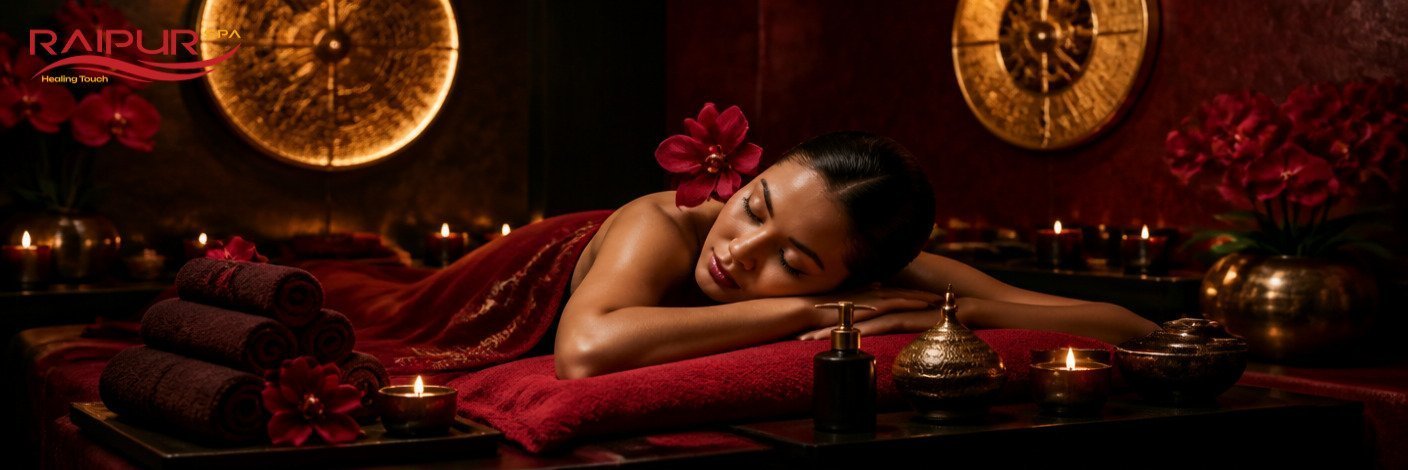
What Ayurveda spa treatments are available in Raipur in 2027?
Raipur spas in 2027 typically offer Ayurvedic treatments such as Abhyanga (warm oil massage), Shirodhara (continuous oil pouring on the forehead), Swedana (herbal steam therapy), Udvartana (herbal powder massage), and Pada Abhyanga (foot massage). Sessions are usually performed by trained therapists using herbal oils, and many premium venues combine traditional rituals with modern amenities like private suites and aromatherapy.
Key Takeaways
- • Abhyanga warm oil massage is a core Ayurvedic ritual offered at Raipur spas.
- • Shirodhara involves a steady stream of herbal oil poured over the forehead.
- • Swedana herbal steam therapy often follows oil-based treatments.
- • Udvartana uses herbal powders for exfoliation and stimulation.
- • Premium Raipur spas blend classical Ayurvedic rituals with modern luxury facilities.
- • Booking ahead is advisable for popular weekend and evening slots.
Ayurveda Spa Treatments in Raipur 2027: Ancient Rituals, Modern Luxury
Ayurveda spa treatments in Raipur 2027 blend time-honoured herbal rituals with contemporary comfort, offering therapies like Abhyanga, Shirodhara and Kizhi that balance the doshas, ease stress and restore skin and joints. In Samta Colony, Raipur SPA delivers these practices in a calm, hygienic setting with trained therapists and quality oils, with sessions starting from ₹999.
Key Takeaways
- Ayurveda spa treatments in Raipur 2027 focus on dosha balance, using warm herbal oils and traditional strokes.
- Popular therapies include Abhyanga, Shirodhara, Potli (Kizhi), Udvartana and Padabhyanga.
- Sessions at Raipur SPA start from ₹999, and the spa is open daily from 11:00 AM to 09:00 PM.
- Ayurveda is preventive wellness, not a replacement for medical treatment; share health history before booking.
- Therapists trained in classical techniques matter more than fancy interiors when choosing a spa.
- Booking ahead by phone or WhatsApp helps you get your preferred slot, especially on weekends.
Why Ayurveda Still Makes Sense in 2027
Ayurveda isn't a trend that arrived last season. It has been practised in India for centuries, and its logic is simple: the body works best when its natural rhythms are respected. In 2027, when screens and desk jobs keep us wired, that logic feels almost radical.
Think about an average weekday in Raipur. You wake to an alarm, check your phone before you've had water, sit through a commute, stare at a screen for eight hours, eat lunch at your desk, and then scroll through notifications until midnight. Your nervous system never gets a proper pause. Ayurveda's answer isn't complicated: warmth, oil, rhythm and rest. It works on the body through the skin and the senses rather than through a pill.
Modern spa luxury has learned to borrow from it. You get the soft lighting and clean linen, yes, but also the warm oil, the steady rhythm of hands, and the quiet that follows. That combination is what Ayurveda spa treatments in Raipur 2027 are really about.
What's changed is the delivery. Rooms are better designed, hygiene standards are stricter, and therapists are trained to explain each step before they begin. Ancient rituals, modern comfort. You no longer have to choose between authenticity and cleanliness, which was often the trade-off people complained about a decade ago.
There's also a shift in how people use these treatments. Earlier, a spa visit was a birthday treat. Now, many clients book a monthly session the way they'd book a dental check-up, as routine maintenance rather than an occasional splurge. That change in mindset is probably the biggest difference between 2027 and the years before it.
The Core Ayurveda Treatments You'll Find in Raipur
Abhyanga: The Full-Body Oil Massage
Abhyanga is the foundation. Warm herbal oil is applied in long, rhythmic strokes that follow the direction of hair growth and lymph flow. It's deeply calming and excellent for stiff shoulders, dry skin and poor sleep.
A good therapist adjusts pressure to your body, not to a fixed script. If you've never had one, start here. The oil is usually chosen based on your dosha or your main complaint. Someone with dry, flaky skin might get a heavier sesame-based oil, while someone who runs hot might receive a cooler coconut or brahmi blend.
Don't be surprised if the therapist works slowly at first. Classical Abhyanga is not a deep-tissue workout; it's a steady, warming rhythm designed to settle the nervous system. The pressure builds gradually, and by the time the therapist reaches your back and shoulders, your body has usually relaxed enough to receive deeper strokes without flinching.
One practical note: you'll leave with oil in your hair and on your scalp. Most spas provide a shower afterwards or at least a towel-down, so keep your post-session plans flexible. If you have an important meeting right after, book an evening slot instead.
Shirodhara: The Continuous Oil Stream
Shirodhara pours a thin, steady stream of warm oil onto the forehead. It sounds unusual until you experience it. Most people describe a drifting sensation within minutes.
It's often chosen for anxiety, headaches and insomnia. Expect to leave with oily hair; that's part of the deal, so plan your day accordingly. The oil is typically medicated with herbs like brahmi or amla, and the temperature is checked carefully before the session begins, because too hot or too cold ruins the effect entirely.
The therapist usually asks you to keep your eyes closed and stay still. Some people fall asleep; that's fine and quite common. Others find their mind races for the first ten minutes before settling. Either reaction is normal. The rhythmic stream works on the nervous system much like a lullaby works on a restless child, gradually slowing everything down.
If you have a sensitive scalp or dandruff, mention it beforehand. The therapist can adjust the oil and the pace of the stream. And if you have a head injury, recent surgery, or a history of migraines that worsen with pressure, this may not be the right treatment for you.
Potli or Kizhi: Herbal Heat Therapy
Warm cloth bundles filled with herbs are pressed gently over the body. The heat and the herbal aroma work together on muscle tightness and joint stiffness.
This one is popular with people who sit for long hours or have old sports niggles. The bundles are usually dipped in warm oil and reheated periodically so the temperature stays consistent throughout the session. You'll smell the herbs, often a mix of turmeric, ajwain, and other warming spices, before you even lie down.
Potli is especially useful in cooler months, when joints stiffen and circulation slows. Some therapists use two bundles and tap them lightly against the body in a rhythmic pattern, which adds a gentle vibration to the heat. If you've ever had a hot stone massage, think of Potli as the Ayurvedic cousin, but with a stronger herbal character.
Tell your therapist if the bundles feel too hot at any point. Good spas check the temperature on their own wrist before applying it to you, but your comfort is the final word.
Udvartana: The Invigorating Scrub
Udvartana uses herbal powders instead of oils, applied with upward strokes. It exfoliates, improves circulation and leaves skin feeling light.
Many people pair it with a lighter oil massage afterwards for balance. The powder is typically a blend of chickpea flour, turmeric and other herbs, and it has a slightly gritty texture that wakes up the skin. It's a good choice before a wedding, a festival, or any occasion where you want your skin to look fresh and even.
Because it's a drier treatment, Udvartana can feel brisk rather than soothing. That's intentional. It's meant to stimulate rather than sedate, so it's often booked in the morning or early afternoon rather than late at night. If you have very sensitive skin or eczema, ask for a patch test or choose a gentler option.
Padabhyanga: Foot Ritual
Foot massage gets overlooked, but it's one of the most grounding treatments in Ayurveda. Warm oil, focused pressure on the soles, and a warm towel finish.
If you're on your feet all day or travel often, this is a smart 30-minute reset. It's also a good add-on at the end of a longer session, because it brings your attention back to the body before you stand up and rejoin the day.
The therapist usually works on the arches, the heels and the base of the toes, where tension tends to collect. Some clients describe a tingling sensation that travels up the legs, which is a sign that circulation is improving. It's gentle enough for most people, including older clients, and it pairs well with a short head massage if you want a complete wind-down.
What Modern Luxury Adds to the Experience
Classical Ayurveda was never about marble floors. But a well-run spa in 2027 adds things that genuinely improve the experience: proper consultation before therapy, clean and private rooms, quality base oils, and therapists who check in on pressure and comfort.
At Raipur SPA in Samta Colony, the approach is straightforward. You're asked about your health, your problem areas and your preference for pressure before anything begins. That short conversation makes a real difference to the outcome.
Luxury, in this context, means feeling looked after rather than just pampered. It means the room is warm enough, the music isn't too loud, the towels are fresh, and nobody rushes you out the door the moment the timer beeps. These details sound small, but they're often the difference between a treatment you forget and one you book again next month.
Another modern touch is transparency. Good spas explain what's included in the price, how long the session actually runs, and whether a shower is available afterwards. That clarity removes the awkwardness of guessing, which used to be a common complaint among first-time spa visitors.
Choosing the Right Treatment for Your Body
Not every therapy suits every person. A quick guide:
- Stressed and sleepless: Shirodhara or a slow Abhyanga.
- Stiff back and shoulders: Potli therapy or deeper Abhyanga.
- Dull, tired skin: Udvartana followed by a light oil massage.
- Long hours standing: Padabhyanga.
- First-time visitor: A 60-minute Abhyanga is the safest start.
If you have a medical condition, are pregnant, or are recovering from surgery, tell the spa in advance. Ayurveda supports wellbeing; it doesn't replace a doctor's advice.
It also helps to think about timing. A stimulating treatment like Udvartana is better in the morning, while Shirodhara and Abhyanga suit the evening. If you're booking after a long day at work, choose something calming rather than something that wakes you up. And if you're combining treatments, ask the therapist to sequence them so the calming one comes last.
Finally, be honest about your expectations. If you have chronic back pain, one session will ease it but not cure it. A series of sessions, spaced a week or two apart, tends to work better than a single long appointment. Ask the spa for a realistic plan rather than a promise.
What Ayurveda Spa Treatments Cost in Raipur 2027
Pricing has stayed reasonable. Therapies at Raipur SPA start from ₹999, and the final cost depends on duration and the specific therapy you choose.
Be cautious of prices that seem unusually low. Quality oils and trained therapists cost money, and a cut-rate session often cuts the wrong corners. If a spa advertises a full-body oil massage at a fraction of the market rate, ask what oil they use and how long the therapist has been trained. The answers usually explain the price.
The spa operates daily from 11:00 AM to 09:00 PM, which makes it easy to fit a session after work or on a Sunday. Weekend slots fill up faster, so booking a day or two ahead is sensible if you have a specific time in mind.
It's also worth asking whether the quoted price includes taxes and whether add-ons like a head massage or foot ritual cost extra. A short phone call before you visit avoids surprises at the counter, and most reputable spas are happy to explain their pricing clearly.
How to Get the Most From Your Session
Small habits make a big difference:
- Avoid a heavy meal for at least an hour before your appointment.
- Arrive ten minutes early so you're not rushing in.
- Speak up about pressure, temperature or discomfort at any point.
- Drink water afterwards and take it easy for the rest of the evening.
- Skip the treatment if you have a fever or an active skin infection.
Also, resist the urge to check your phone immediately after. Give yourself fifteen quiet minutes. It's half the benefit.
Wear comfortable clothing that you don't mind getting a little oil on. Avoid heavy jewellery, and if you've booked a hair-related treatment, don't wash your hair immediately before; the oils work better on hair that hasn't just been stripped by shampoo.
One more tip that regulars swear by: keep a small note of how you felt the day after each session. Over a few months, you'll notice patterns, such as which therapy helps your sleep and which one leaves you energised. That record makes future bookings much easier and helps the therapist tailor your next visit.
A First-Timer's Walkthrough: What Actually Happens
If you've never been to an Ayurveda spa, the unknown can be more nerve-wracking than the treatment itself. Here's what a typical visit looks like, so you can walk in relaxed.
You'll usually start at reception, where you confirm your booking and fill a short health form. This is where you mention allergies, past injuries, pregnancy, or any medication you're taking. It takes five minutes and it genuinely matters.
Next, a therapist or consultant talks you through the treatment you've chosen, explains what oil or herbs will be used, and asks about pressure preferences. You can ask questions here without feeling awkward. Good therapists welcome them.
Then you're shown to a private room, given disposable garments and a towel, and left to change. The therapist returns, checks the oil temperature, and begins. Most people find the first ten minutes the most unfamiliar, and then the rhythm takes over.
Afterwards, you're offered water or herbal tea and a few minutes to sit before you leave. Some spas provide a shower; others offer a towel-down. Ask beforehand if a shower matters to you, especially if you're heading somewhere else afterwards.
Why Raipur Is Warming to Ayurveda
Raipur's pace has picked up over the last few years. More offices, longer commutes, later dinners. With that, the demand for genuine relaxation has grown too, and people are moving past quick massages toward therapies with real technique behind them.
Ayurveda fits that shift well. It's familiar, it's rooted in Indian tradition, and it works on the nervous system rather than just the muscles. For many Raipur residents, it also feels like a return to something their grandparents knew, now packaged with clean rooms and trained hands.
Word of mouth has played a big role. A colleague mentions that Shirodhara helped their sleep, a friend recommends a therapist who understood their shoulder pain, and suddenly the spa is on the weekend list. That organic, referral-driven growth is a good sign, because people rarely recommend a place that didn't actually help them.
Frequently Asked Questions
What are Ayurveda spa treatments in Raipur 2027?
They are traditional therapies such as Abhyanga, Shirodhara and Potli massage, delivered with modern hygiene and comfort. The aim is to balance the doshas, relieve stress and support overall wellbeing.
How much do Ayurveda spa treatments cost in Raipur?
Therapies at Raipur SPA start from ₹999. Final pricing depends on the therapy type and session length, so confirm when you book.
Do I need to book in advance?
Advance booking is recommended, particularly on weekends and evenings. You can reserve a slot by calling or messaging +91 7987 303 127.
Is Shirodhara safe for everyone?
It's generally well tolerated, but it isn't ideal during pregnancy or with certain head and neck conditions. Always disclose your health history during consultation.
How long does a typical session last?
Most treatments run between 45 and 90 minutes, depending on what you choose. First-time visitors usually start with a 60-minute session.
What should I wear or bring?
Disposable garments and towels are provided. Just bring yourself, arrive a little early, and avoid heavy meals beforehand.
Can I combine two treatments in one visit?
Yes, many clients pair a shorter treatment like Padabhyanga with a main therapy. Tell the spa when booking so the schedule allows enough time, and ask the therapist to sequence them so the calming treatment comes last.
How often should I get an Ayurveda massage?
For general stress relief, once or twice a month works well for most people. If you're addressing a specific issue like stiffness or poor sleep, a weekly series for a few weeks, followed by monthly maintenance, is a common approach. Ask your therapist for a plan suited to you.
Final Word
Ayurveda spa treatments in Raipur 2027 are less about indulgence and more about maintenance, the kind your body actually notices. One good session won't change your life, but a regular rhythm of them quietly does.
If you're ready to try, Raipur SPA is open daily from 11:00 AM to 09:00 PM. Call or WhatsApp +91 7987 303 127 to book your slot.
Frequently Asked Questions
What is Shirodhara and why is it popular?
Shirodhara is an Ayurvedic ritual where warm herbal oil is poured in a continuous stream onto the forehead. It is popular for its deeply relaxing, meditative experience and is often paired with head and shoulder massage.
How long does an Ayurvedic spa session take in Raipur?
Most Ayurvedic treatments in Raipur run between 60 and 90 minutes, depending on the therapy. Consultations and post-treatment rest may add extra time, so plan for a two-hour visit.
Do Raipur spas use authentic herbal oils?
Premium Raipur spas generally use traditional Ayurvedic oils such as sesame, coconut, and herbal-infused blends. It is reasonable to ask the therapist about the oils used before your session.
Is Ayurvedic massage suitable for everyone?
Many people enjoy Ayurvedic massage, but suitability varies by individual health condition. Those with skin issues, injuries, or medical concerns should consult a qualified healthcare professional beforehand.
Should I book an Ayurveda spa session in advance in Raipur?
Yes, advance booking is recommended, especially on weekends and evenings. Popular treatments like Shirodhara and couples' sessions fill up quickly at premium Raipur spas.
What should I wear or bring to an Ayurvedic spa session?
Most Raipur spas provide disposable garments and towels. Bring minimal personal items, and follow any pre-treatment instructions such as avoiding heavy meals right before the session.
Book Your Session
Book Your SessionPeople Also Ask
Related Articles
Health & Wellness
Pregnancy-Safe Spa Treatments in Raipur: What Expecting Mothers Should Know (2027 Guide)
14 min read · 22 Nov 2026
Health & Wellness
Detox Body Wraps and Cleansing Treatments at Raipur Spas (2027 Guide)
14 min read · 22 Nov 2026
Health & Wellness
How to Relieve Joint and Muscle Pain with Ayurvedic Spa Therapy in Raipur (2027 Guide)
11 min read · 22 Nov 2026
Enjoyed This Article?
Stop reading about relaxation — come experience it firsthand at Raipur SPA.