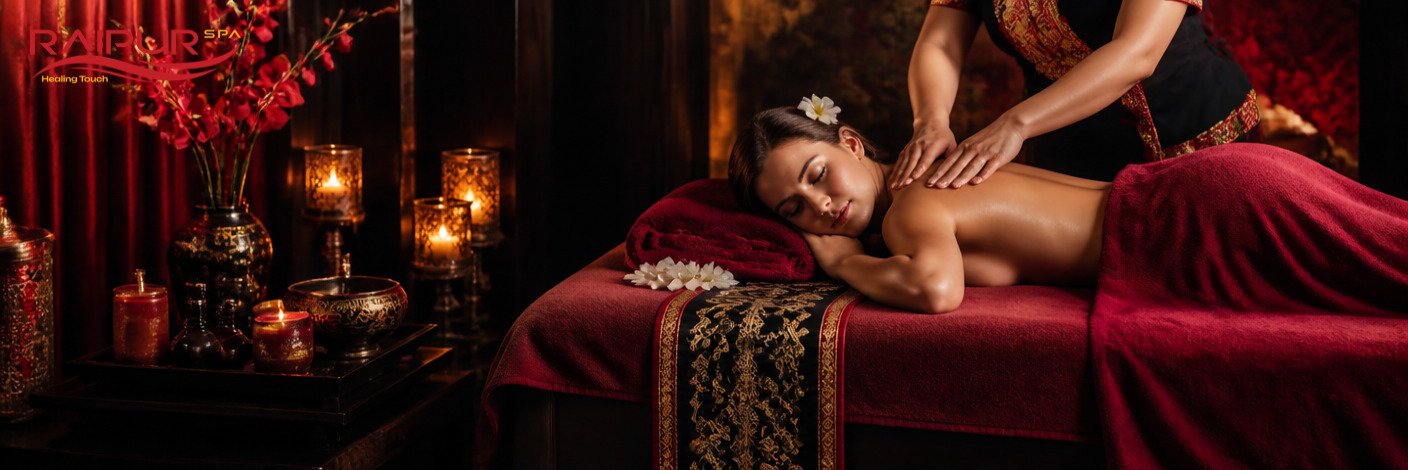
What is authentic Panchakarma treatment in Raipur?
Authentic Panchakarma in Raipur refers to traditional Ayurvedic detox therapies performed by qualified practitioners. It includes five main procedures: Vamana, Virechana, Basti, Nasya, and Raktamokshana. These treatments aim to eliminate toxins, balance doshas, and restore health. Sessions are personalized based on individual constitution and health goals, often lasting 7-21 days.
Key Takeaways
- • Panchakarma is a five-step Ayurvedic detoxification process.
- • Abhyanga is a therapeutic full-body oil massage.
- • Authentic treatments require qualified Ayurvedic doctors.
- • Raipur offers Panchakarma at specialized spas and clinics.
- • Sessions are customized based on dosha imbalances.
- • Benefits include relaxation, improved digestion, and skin health.
Ayurveda in Raipur is the practice of authentic Panchakarma and Abhyanga therapies rooted in ancient Indian wisdom, offered at Raipur SPA in Samta Colony. These treatments detoxify, balance doshas, and restore overall well-being using herbal oils, specialised massages, and time-tested protocols. In a fast-paced city where long commutes, irregular meals, and screen-heavy days are the norm, these therapies offer a grounded, natural way to reset both body and mind. Whether you are dealing with chronic fatigue, stubborn skin issues, digestive discomfort, or simply want to feel lighter and calmer, an authentic Ayurvedic approach can make a noticeable difference.
Key Takeaways
- Ayurveda in Raipur brings authentic Panchakarma and Abhyanga therapies to Chhattisgarh, with sessions starting at ₹999.
- Panchakarma is a five-step detoxification process that removes deep-seated toxins and balances the doshas.
- Abhyanga is a warm herbal oil massage that improves circulation, reduces stress, and nourishes the skin.
- Raipur SPA in Samta Colony offers these treatments daily from 11:00 AM to 09:00 PM.
- Both therapies are customised after a dosha assessment to suit your body constitution and health goals.
- Regular sessions can boost immunity, sleep quality, and mental clarity.
- Preparation matters: light meals, hydration, and honest communication with your therapist improve results.
- You can book via WhatsApp or call +91 7987 303 127, ideally a day in advance.
What Is Panchakarma and Why It Matters
Panchakarma literally means "five actions." It's a set of five cleansing procedures designed to flush out toxins (ama) from the body and restore dosha balance. Unlike a simple massage, Panchakarma works on a deeper level—it targets the root cause of chronic fatigue, digestive issues, and skin problems. In Ayurvedic thought, disease begins when ama accumulates in the body and blocks the natural flow of energy and nutrients. Panchakarma clears that blockage so the body can heal itself.
The five therapies include Vamana (therapeutic vomiting), Virechana (purgation), Basti (medicated enema), Nasya (nasal administration), and Raktamokshana (bloodletting). Not everyone needs all five; an Ayurvedic doctor selects the right combination based on your constitution and health condition. For example, a person with excess Kapha and respiratory congestion might benefit from Vamana, while someone with Pitta-driven acidity or skin inflammation may be guided toward Virechana. Vata-dominant individuals with joint pain, anxiety, or constipation often respond well to Basti, which is considered the most important of the five in many classical texts.
Panchakarma is not a one-day event. Authentic programs include three phases: Purvakarma (preparation), Pradhanakarma (the main cleansing), and Paschatkarma (post-treatment care). Purvakarma usually involves Snehana (oleation with medicated ghee or oils) and Swedana (herbal steam), which loosen toxins and move them toward the digestive tract. Skipping this step is one of the most common reasons people feel underwhelmed by Panchakarma—it is like trying to sweep a room without first loosening the dust.
Benefits of Panchakarma
- Detoxification: Removes accumulated toxins from tissues and organs, easing the burden on the liver, colon, and lymph system.
- Dosha balance: Brings Vata, Pitta, and Kapha back to equilibrium, which supports steady energy and mood.
- Improved digestion: Strengthens Agni (digestive fire) for better nutrient absorption and fewer bloating episodes.
- Mental clarity: Reduces brain fog and enhances focus, often within the first few days of a program.
- Immunity boost: Helps the body resist infections and allergies by restoring ojas (vitality).
- Better sleep: Many clients report deeper, more uninterrupted sleep after completing a course.
- Joint relief: Reduced stiffness and swelling, especially when Basti and Abhyanga are combined.
It is important to set realistic expectations. Panchakarma is not a quick fix for years of poor lifestyle habits. Results build gradually, and the benefits last longer when you follow the post-treatment diet and routine your therapist recommends. Think of it as a reset button, not a permanent shield.
Abhyanga: The Art of Herbal Oil Massage
Abhyanga is a full-body massage using warm, medicated oils tailored to your dosha. The therapist applies rhythmic strokes along energy channels (nadis) to stimulate circulation, release muscular tension, and calm the nervous system. The Sanskrit root "abhayanga" suggests something that protects and nourishes the body—and that is exactly what a well-done session feels like.
In Ayurveda, Abhyanga is not just a luxury—it's a daily ritual recommended for longevity. The oils penetrate deep into tissues, nourishing the skin and lubricating the joints. It's especially helpful for people with dry skin, arthritis, insomnia, and high stress. Classical texts even describe self-Abhyanga as a morning practice for maintaining youthfulness, though a professional session allows for deeper pressure and better oil selection.
The choice of oil matters as much as the technique. Sesame oil is warming and grounding, making it ideal for Vata types. Coconut oil is cooling and suits Pitta. Mustard or herbal blends may be used for Kapha to stimulate circulation. At Raipur SPA, oils are selected after a short consultation, so you are not getting a generic experience.
What to Expect During an Abhyanga Session
Your session begins with a brief consultation to determine your dosha and any specific concerns. The therapist then warms the herbal oil and applies it using long, flowing strokes, followed by circular motions on the joints. The massage typically lasts 60 minutes, and you'll be advised to rest for a few minutes afterwards to let the oil absorb. Many clients describe the sensation as deeply grounding—like the nervous system finally exhales.
After the massage, you may be offered a warm shower or asked to leave the oil on for a while, depending on your dosha and the therapist's recommendation. Drink warm water afterwards and avoid cold drafts. If you feel slightly sleepy or emotional, that is normal; the treatment releases stored tension and can bring up suppressed fatigue.
Who Should Consider Abhyanga
- Desk workers: Relieves neck, shoulder, and lower back stiffness from long hours of sitting.
- People with dry or dull skin: Oil massage improves texture and natural glow.
- Those with sleep issues: The calming strokes help regulate the nervous system before bedtime.
- Seniors: Gentle pressure supports joint mobility and circulation.
- Anyone under high stress: A single session can lower perceived stress significantly.
Why Choose Raipur SPA for Authentic Ayurveda
Raipur SPA is committed to delivering traditional Ayurvedic therapies with genuine herbal oils and trained therapists. Located in Samta Colony, the spa provides a serene environment that enhances the healing experience. Whether you're new to Ayurveda or a seasoned practitioner, you'll find treatments that honour the authentic protocols. The team avoids shortcuts like using mineral oils or rushing through steps, because those compromises dilute the very benefits Ayurveda is known for.
All therapies are customised after a detailed consultation, ensuring you receive exactly what your body needs. The spa maintains strict hygiene standards and uses only high-quality, natural ingredients. Fresh linens, clean therapy rooms, and properly stored oils are non-negotiable. If you have allergies or sensitivities, the staff will adjust the oil blend accordingly.
Another advantage is accessibility. With sessions starting at ₹999 and daily hours from 11:00 AM to 09:00 PM, it is easy to fit a treatment around work or family commitments. You do not need to travel to a distant retreat to experience authentic Ayurveda—it is available right here in Raipur.
How to Prepare for Your Ayurvedic Treatment
To get the most out of your Panchakarma or Abhyanga session, follow these simple guidelines:
- Eat light: Avoid heavy meals at least two hours before your appointment. A small snack is fine if you feel weak.
- Hydrate: Drink plenty of water before and after the therapy to help flush released toxins.
- Wear comfortable clothing: Loose garments are best for post-massage ease, especially if oil remains on the skin.
- Arrive early: Give yourself time to relax and fill out any health forms without rushing.
- Communicate: Inform your therapist about any injuries, allergies, or sensitivities, including recent surgeries.
- Avoid alcohol and caffeine: On the day of treatment, skip stimulants that can interfere with relaxation.
- Plan a quiet evening: If possible, avoid intense workouts or late nights after a session.
For Panchakarma, preparation is more structured. You may be asked to follow a specific diet for a few days beforehand, reduce screen time, and sleep on a regular schedule. These steps are not arbitrary—they prepare the body for cleansing and reduce the chance of discomfort during the process.
Panchakarma vs Abhyanga: Which One Is Right for You?
Panchakarma is a comprehensive detox program that may span several days or weeks, while Abhyanga is a single massage session that can be enjoyed as a standalone treatment or as part of a Panchakarma package. If you're looking for deep cleansing and long-term balance, Panchakarma is the way to go. For immediate relaxation and stress relief, Abhyanga is ideal.
Many clients start with Abhyanga and then progress to Panchakarma after consulting with our Ayurvedic doctor. Both therapies complement each other beautifully. Abhyanga is often used during the Purvakarma phase to help loosen toxins, and it continues during recovery to soothe the body.
A simple way to decide is to ask yourself what you need most right now. If you are exhausted, tense, and need relief today, book Abhyanga. If you have recurring health issues, have tried many quick fixes without lasting results, and are ready for a structured reset, Panchakarma may be the better choice. When in doubt, a consultation can clarify the path.
Practical Tips for Getting the Best Results
Ayurveda works best when it becomes part of your lifestyle, not a one-off indulgence. Here are practical ways to extend the benefits of your treatment:
- Follow the post-treatment diet: Warm, cooked, easily digestible foods are usually recommended for a few days. Avoid cold, raw, and fried foods.
- Keep a simple routine: Try to sleep and wake at consistent times. Ayurveda values rhythm over intensity.
- Use warm water: Drinking warm water through the day supports digestion and detoxification.
- Move gently: Walking, light yoga, and stretching are better than intense workouts right after Panchakarma.
- Limit screens: Give your nervous system space to integrate the treatment.
- Be patient: Some benefits appear immediately; others unfold over weeks as the body rebalances.
It also helps to note how you feel before and after each session. Tracking sleep, digestion, energy, and mood gives you real data on what is working. Share these observations with your therapist so future sessions can be fine-tuned.
Common Myths About Ayurveda in Raipur
Ayurveda is surrounded by misconceptions, and clearing them helps you make better decisions.
- Myth: Ayurveda is only for older people. Truth: It benefits all ages, from stressed professionals to athletes and students.
- Myth: Panchakarma is painful. Truth: Discomfort is minimal when done correctly; most people find it deeply relaxing.
- Myth: Any massage with oil is Abhyanga. Truth: Authentic Abhyanga follows specific stroke patterns, oil selection, and dosha considerations.
- Myth: Ayurveda takes months to show results. Truth: Many people feel calmer and lighter after a single session, though deeper changes take time.
- Myth: You can eat whatever you want after treatment. Truth: Diet and routine strongly influence how long the benefits last.
Frequently Asked Questions
What is the difference between Panchakarma and Abhyanga?
Panchakarma is a five-step detoxification program that includes internal cleansing, while Abhyanga is a herbal oil massage that focuses on relaxation and circulation. Panchakarma is more intensive and typically requires multiple sessions.
How long does a Panchakarma treatment take?
A full Panchakarma program can last from 7 to 21 days, depending on your health goals and dosha imbalance. Each session may take 1-2 hours.
Is Abhyanga safe for everyone?
Abhyanga is generally safe for most people, but it's not recommended during pregnancy, menstruation, or if you have open wounds. Always consult with a therapist first.
What oils are used in Abhyanga?
Therapists use warm, medicated oils like sesame, coconut, or herbal blends tailored to your dosha. These oils are chosen for their therapeutic properties.
How often should I get an Abhyanga massage?
For general wellness, once a week or once a month is sufficient. For specific health issues, your therapist may recommend more frequent sessions.
Do I need to book in advance?
Yes, we recommend booking at least a day in advance to secure your preferred time slot. You can book via WhatsApp or call +91 7987 303 127.
Can I eat before my Ayurvedic treatment?
Eat something light at least two hours before your session. A full stomach can cause discomfort during massage, while an empty stomach may leave you feeling weak.
Will I feel tired after Panchakarma?
Some tiredness is normal, especially in the first few days, as the body releases toxins. Rest, hydration, and warm food usually help you feel better within a day or two.
Conclusion
Ayurveda in Raipur offers a path to holistic health through authentic Panchakarma and Abhyanga treatments. At Raipur SPA, we bring these ancient therapies to you with personalised care and genuine herbal oils. Whether you seek detox, relaxation, or long-term balance, our doors are open daily from 11:00 AM to 09:00 PM. Therapies start from ₹999, making wellness accessible to all.
Ready to experience the benefits? Book your session today via WhatsApp or call +91 7987 303 127. Let us help you restore your natural state of harmony.
Frequently Asked Questions
What is the difference between Panchakarma and Abhyanga?
Panchakarma is a comprehensive detox program with five cleansing procedures, while Abhyanga is a single oil massage therapy. Abhyanga is often used as a preparatory step before Panchakarma. Both are authentic Ayurvedic treatments available in Raipur.
How long does a Panchakarma treatment take?
A standard Panchakarma program lasts 7 to 21 days, depending on individual needs and the therapies included. Some clinics offer shorter 3-day introductory packages. A consultation with an Ayurvedic doctor determines the ideal duration.
Is Panchakarma safe for everyone?
Panchakarma is generally safe when supervised by a qualified practitioner. However, it may not be suitable for pregnant women, children, the elderly, or those with certain medical conditions. A pre-treatment assessment is essential.
What should I expect during an Abhyanga session?
During Abhyanga, warm herbal oil is applied to the entire body using synchronized strokes. The session typically lasts 60 minutes and may include steam therapy afterward. You may feel relaxed and oily, so plan for rest afterward.
Where can I find authentic Panchakarma in Raipur?
Authentic Panchakarma is available at licensed Ayurvedic centers and premium spas in Raipur. Look for practitioners with formal Ayurvedic qualifications and personalized treatment plans. Raipur SPA offers traditional therapies under expert supervision.
What are the benefits of Abhyanga?
Abhyanga helps improve blood circulation, reduce stress, and nourish the skin. It also supports joint health and promotes better sleep. Regular sessions can enhance overall well-being when combined with a balanced lifestyle.
Book Your Session
Book Your SessionPeople Also Ask
Related Articles
Health & Wellness
Ayurvedic Massage in Raipur: Benefits of Shirodhara for Stress & Sleep
10 min read · 21 Sep 2026
Health & Wellness
Head Massage in Raipur for Migraine and Hair Health: What to Expect
12 min read · 20 Sep 2026
Health & Wellness
Corporate Wellness in Raipur: Spa Packages for Teams and Executives
13 min read · 20 Sep 2026
Enjoyed This Article?
Stop reading about relaxation — come experience it firsthand at Raipur SPA.