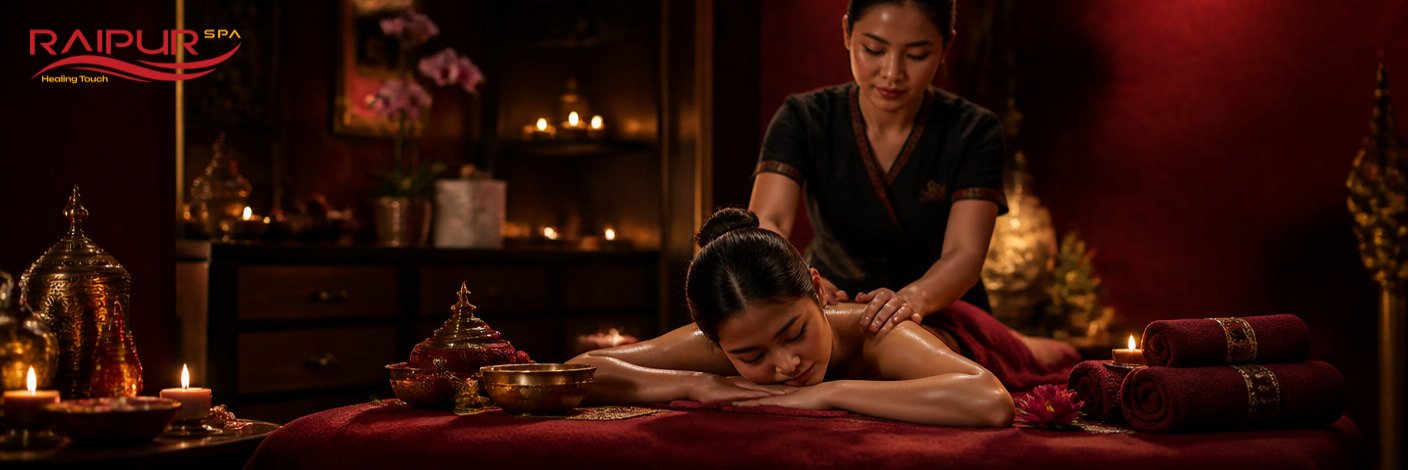
What is the best Ayurveda spa in Raipur for Panchakarma and Abhyanga treatments?
Raipur SPA offers authentic Ayurveda therapies, including Panchakarma detox and Abhyanga oil massage, performed by trained therapists. Panchakarma is a multi-step cleansing process, while Abhyanga uses warm herbal oils to relax muscles. Sessions typically last 60–90 minutes and are customized after consultation. Located in Raipur, the spa follows traditional protocols for a genuine experience.
Key Takeaways
- • Panchakarma is a traditional Ayurvedic detoxification program with five main procedures.
- • Abhyanga is a full-body warm oil massage that promotes relaxation and circulation.
- • Raipur SPA provides these treatments with qualified therapists and authentic herbal oils.
- • Sessions are personalized based on individual dosha and health goals.
- • Typical treatment durations range from 60 to 90 minutes.
- • Consultation is recommended before undergoing Panchakarma for safety and effectiveness.
An Ayurveda spa in Raipur offers authentic Panchakarma and Abhyanga treatments rooted in ancient Indian healing traditions. These therapies detoxify the body, balance doshas, and restore overall wellness. At Raipur SPA in Samta Colony, you can experience these time-honored rituals performed by trained therapists using pure herbal oils and traditional techniques. Whether you're seeking relief from chronic pain, stress, or simply want to rejuvenate, an authentic Ayurveda spa in Raipur can deliver.
Key Takeaways
- Ayurveda spa in Raipur combines Panchakarma detox and Abhyanga massage for deep healing.
- Panchakarma includes five cleansing actions: Vamana, Virechana, Basti, Nasya, and Raktamokshana.
- Abhyanga is a full-body warm oil massage that improves circulation, reduces stress, and nourishes the skin.
- Authentic Ayurvedic treatments use herbal oils tailored to your dosha (Vata, Pitta, Kapha).
- Raipur SPA in Samta Colony offers these therapies starting from ₹999, open daily 11 AM to 9 PM.
- Regular sessions support immunity, digestion, sleep, and mental clarity.
- Consultation and pulse diagnosis (nadi pariksha) are essential for personalized treatment plans.
- Preparation and post-care rituals enhance the benefits of Panchakarma and Abhyanga.
What Is Panchakarma and Why Is It Considered Ayurveda's Detox?
Panchakarma is Ayurveda's signature detoxification and rejuvenation program. It involves five primary cleansing procedures that eliminate toxins (ama) from deep tissues. Unlike a simple cleanse, Panchakarma works on the root cause of imbalances by pacifying aggravated doshas and restoring agni (digestive fire). The word "Panchakarma" comes from Sanskrit: "Pancha" means five, and "Karma" means actions. These five actions are designed to purge accumulated toxins and reset the body's natural healing mechanisms.
At an authentic Ayurveda spa in Raipur, Panchakarma is personalized. A therapist assesses your dosha and health goals before recommending therapies. The process typically includes preparatory steps like oleation (internal and external oil application) and sudation (herbal steam), followed by the main cleansing and post-care rituals. This structured approach ensures safety and efficacy, distinguishing true Panchakarma from mere spa massages.
Why is Panchakarma considered Ayurveda's detox? Because it addresses toxins at a cellular level. Over time, poor diet, stress, and environmental pollutants lead to ama—undigested metabolic waste that clogs channels (srotas) and disrupts dosha balance. Panchakarma systematically removes this ama, restoring harmony. It's not a quick fix; it's a therapeutic journey that can take days or weeks, depending on individual needs.
The Five Actions of Panchakarma
- Vamana: Therapeutic vomiting to clear excess Kapha from the chest and stomach. This is beneficial for conditions like asthma, obesity, and chronic allergies. It's typically administered after oleation and sudation to loosen mucus.
- Virechana: Purgation to expel excess Pitta from the intestines and liver. It helps with skin disorders, acidity, and jaundice. Herbal laxatives like triphala or castor oil are used under supervision.
- Basti: Medicated enemas to balance Vata and nourish the colon. Considered the most powerful Panchakarma therapy, Basti can be decoction-based (niruha) or oil-based (anuvasana). It alleviates arthritis, constipation, and neurological issues.
- Nasya: Nasal administration of herbal oils to clear the head and sinuses. Effective for sinusitis, migraines, and cervical spondylosis. Drops are instilled after facial massage and steam.
- Raktamokshana: Blood purification (often via leech therapy or venipuncture) for specific conditions like eczema, psoriasis, and varicose veins. It's the least common but highly targeted.
Each action targets specific doshas and organs. A qualified Ayurvedic practitioner decides which are suitable for you based on your constitution, imbalances, and health status. Not everyone needs all five; often, one or two are prioritized.
Preparatory Steps: Oleation and Sudation
Before the main cleansing, Panchakarma includes essential preparatory steps. Oleation (snehana) involves internal consumption of medicated ghee or oils and external application of oil to loosen toxins. Sudation (swedana) uses herbal steam to dilate channels and mobilize ama. These steps ensure the toxins are ready for elimination, making the main procedures more effective and comfortable.
At Raipur SPA, these preparatory rituals are performed with care, using traditional herbs like dashamula, triphala, and medicated ghee. The therapist monitors your responses to adjust the intensity.
Post-Care Rituals: Rasayana and Dinacharya
After Panchakarma, post-care is crucial. Rasayana (rejuvenation) therapies include herbal formulations to rebuild strength and immunity. Dinacharya (daily routine) advises on diet, sleep, and lifestyle to maintain balance. You'll be guided to avoid cold, heavy foods, and to gradually reintroduce normal activities. This phase maximizes benefits and prevents relapse.
Abhyanga: The Healing Power of Warm Oil Massage
Abhyanga is a full-body massage with warm herbal oil, performed in synchronized strokes. It's a core Ayurvedic therapy that goes beyond relaxation—it's medicine for the body and mind. The term "Abhyanga" means "to massage with oil," and it's typically done daily in Ayurvedic tradition as part of Dinacharya.
The oils used are chosen based on your dosha and season. For Vata, sesame oil is common; for Pitta, coconut or sunflower; for Kapha, mustard or safflower. Herbs like ashwagandha, brahmi, and dashamula may be infused for added benefits. At Raipur SPA, the oils are prepared in-house to ensure purity and potency.
Abhyanga is not just a surface-level massage. The warm oil penetrates deep into tissues, reaching the nervous system and joints. The rhythmic strokes follow the direction of hair follicles and lymphatic flow, enhancing detoxification. It's often combined with steam to deepen effects.
Benefits of Abhyanga
- Improves blood circulation and lymphatic drainage, helping remove toxins.
- Relieves muscle stiffness, joint pain, and fatigue, making it ideal for arthritis and sports recovery.
- Calms the nervous system, reducing anxiety and stress by lowering cortisol levels.
- Nourishes the skin, leaving it soft and glowing, while slowing signs of aging.
- Promotes better sleep and mental clarity by balancing Vata dosha.
- Enhances immunity by stimulating the lymphatic system and improving nutrient delivery.
At Raipur SPA, Abhyanga is performed by experienced therapists who follow traditional protocols. The session often includes a herbal steam afterward to deepen the effects. Clients often report a profound sense of calm and rejuvenation after just one session.
Variations of Abhyanga
While classic Abhyanga is a full-body massage, there are variations. Pizhichil involves continuous pouring of warm oil, beneficial for neurological disorders. Shirodhara is a focused oil stream on the forehead, excellent for insomnia and anxiety. Padabhyanga is foot massage, great for eye strain and sleep. At Raipur SPA, these variations are available as add-ons or standalone therapies.
Why Choose an Authentic Ayurveda Spa in Raipur?
Raipur has many spas, but authenticity matters. A genuine Ayurveda spa uses classical texts as a guide, not just trendy techniques. It employs trained therapists, pure herbal oils, and customized treatment plans. Authentic spas also follow hygiene protocols, maintain a serene environment, and offer consultations before treatments.
Raipur SPA in Samta Colony stands out for its commitment to traditional Ayurveda. The spa's serene environment, hygienic practices, and skilled staff ensure you receive an experience that honors Ayurvedic principles. The therapists are trained in Kerala-style Ayurveda, known for its expertise in Panchakarma and Abhyanga.
Moreover, an authentic spa will assess your dosha before recommending therapies. This personalization is key to effective results. Whether you seek relief from chronic pain, stress, or simply want to rejuvenate, an authentic Ayurveda spa in Raipur can deliver. Look for certifications, client testimonials, and a focus on consultation—not just walk-in massages.
How to Identify an Authentic Ayurveda Spa
- They offer a detailed consultation, including pulse diagnosis (nadi pariksha).
- Therapists are formally trained and certified in Ayurveda.
- Oils and herbs are pure, often prepared in-house or sourced from reputable Ayurvedic pharmacies.
- Treatments follow classical protocols, not just generic spa menus.
- They provide post-treatment advice on diet and lifestyle.
- The environment is clean, calm, and conducive to healing.
Raipur SPA checks all these boxes, making it a trusted choice for residents and visitors.
What to Expect During Your Visit
Your first visit begins with a consultation. The therapist asks about your health history, lifestyle, and goals. They may check your pulse (nadi pariksha) to determine your dosha imbalance. This pulse reading is a sophisticated diagnostic tool in Ayurveda, revealing subtle imbalances before they manifest as disease.
Then, a treatment plan is suggested. For Panchakarma, it might span several days or weeks. Abhyanga can be a standalone session or part of a package. You'll be informed about the duration, cost, and any dietary restrictions.
During the treatment, you'll relax on a wooden table (droni) while warm oil is applied. The strokes are rhythmic and soothing. Afterward, you may rest in a steam chamber or take a warm shower. The therapist will guide you on post-care, including hydration and rest.
Post-treatment, you'll receive dietary and lifestyle advice to maintain balance. Drink plenty of water and avoid cold, heavy foods. It's common to feel relaxed, slightly light-headed, or emotionally uplifted—all signs of detoxification.
Preparing for Your Session
- Eat a light meal 1-2 hours before; avoid heavy, oily foods.
- Wear comfortable clothing that can be easily removed.
- Avoid caffeine and alcohol on the day of treatment.
- Arrive 10-15 minutes early to relax and fill out any forms.
- Communicate any health conditions or medications to the therapist.
- For Panchakarma, follow specific pre-treatment instructions given by the practitioner.
Benefits of Regular Ayurvedic Therapies
Consistency amplifies results. Regular Abhyanga and periodic Panchakarma can transform your health. Many clients start with a single session and then commit to a monthly or seasonal routine. Ayurveda recommends seasonal detoxes (ritucharya) to align with nature's cycles.
- Detoxification: Clears toxins, boosts immunity, and improves organ function.
- Stress Reduction: Lowers cortisol, induces calm, and enhances emotional resilience.
- Pain Relief: Eases arthritis, back pain, and migraines by reducing inflammation.
- Skin Health: Reduces acne, dryness, and signs of aging through improved circulation.
- Digestive Health: Improves metabolism and nutrient absorption by balancing agni.
- Mental Clarity: Enhances focus and emotional stability by calming the mind.
- Hormonal Balance: Supports thyroid, menstrual, and metabolic health.
- Sleep Quality: Promotes deep, restorative sleep, especially with Shirodhara.
Many clients report better sleep and energy after just a few sessions. For chronic conditions, a series of 7-14 sessions is often recommended. The key is consistency and following the therapist's guidance.
Ayurveda Spa in Raipur: Pricing and Practical Info
Raipur SPA offers authentic Ayurvedic therapies starting from ₹999. The spa is open daily from 11:00 AM to 09:00 PM, making it easy to fit a session into your schedule. Pricing varies by treatment: Abhyanga starts at ₹999, while Panchakarma packages are customized based on duration and therapies included.
Location: Samta Colony, Raipur. The central location is convenient for residents and visitors. The spa is easily accessible by auto or cab, and there's parking nearby.
To book, call or WhatsApp +91 7987 303 127. Walk-ins are welcome, but appointments are recommended for Panchakarma. For couples sessions, book in advance to ensure a private room.
Payment and Cancellation Policy
Raipur SPA accepts cash, cards, and digital payments. Cancellations should be made at least 24 hours in advance to avoid charges. For Panchakarma, a deposit may be required to secure your slot.
Frequently Asked Questions
What is the difference between Panchakarma and Abhyanga?
Panchakarma is a comprehensive detox program with five cleansing actions, while Abhyanga is a single massage therapy. Abhyanga is often part of Panchakarma but can be enjoyed on its own for relaxation and pain relief.
How many sessions of Abhyanga do I need?
For general wellness, 1-2 sessions per month suffice. For chronic pain or stress, a series of 7-14 daily sessions is recommended. Your therapist will advise based on your condition.
Is Panchakarma safe for everyone?
Panchakarma is generally safe when performed by qualified practitioners. However, it may not be suitable for pregnant women, the elderly, or those with certain medical conditions. Always consult a doctor before starting.
What oils are used in Abhyanga?
Oils are selected based on your dosha: sesame for Vata, coconut for Pitta, and mustard for Kapha. Herbal oils like Brahmi or Ashwagandha may also be used for specific benefits.
How should I prepare for a Panchakarma session?
Eat light before your session, avoid caffeine and alcohol, and arrive relaxed. Wear comfortable clothing. Follow any pre-treatment instructions given by the spa.
Can I book a couples Ayurveda session?
Yes, many spas including Raipur SPA offer couples therapies. You can enjoy Abhyanga side by side in a private room. Call +91 7987 303 127 for details.
What are the side effects of Panchakarma?
When done correctly, side effects are minimal and temporary. Some may experience fatigue, mild nausea, or emotional release as toxins are eliminated. These usually subside within a day or two. Following post-care advice is crucial.
How long does a typical Abhyanga session last?
A standard Abhyanga session lasts 60-90 minutes, including consultation and steam. Shirodhara may add 30 minutes. Plan for at least 2 hours for a complete experience.
Conclusion
Ayurveda offers a holistic path to wellness, and Raipur is fortunate to have authentic centers like Raipur SPA. Whether you need Panchakarma detox or a soothing Abhyanga massage, you'll find skilled therapists and genuine care. Visit us in Samta Colony, open daily 11 AM to 9 PM, with therapies from ₹999. Book your session today by calling or WhatsApp +91 7987 303 127 and take the first step toward balance.
Frequently Asked Questions
What is the difference between Panchakarma and Abhyanga?
Panchakarma is a comprehensive detoxification program that may include multiple therapies like Vamana, Virechana, and Basti. Abhyanga is a single therapy involving full-body oil massage. Panchakarma often incorporates Abhyanga as one of its preparatory steps.
How long does a typical Abhyanga session last?
A standard Abhyanga session lasts between 60 and 90 minutes, depending on the areas treated and the individual's needs. Some spas offer shorter 45-minute versions. It is best to arrive 10–15 minutes early for a brief consultation.
Is Panchakarma safe for everyone?
Panchakarma is generally safe when performed by qualified practitioners after a proper assessment. It may not be suitable for pregnant women, children, or individuals with certain medical conditions. Always consult a certified Ayurvedic doctor before starting.
What oils are used in Abhyanga at Raipur SPA?
Raipur SPA uses traditional herbal oils such as sesame, coconut, or medicated oils tailored to your dosha. These oils are warmed before application to enhance absorption. The specific blend is chosen after a consultation.
How many Panchakarma sessions are needed for detox?
The number of sessions varies based on individual health goals and the practitioner's recommendation. A typical Panchakarma program may last 7 to 21 days. Some people opt for shorter 3-day detoxes, but full benefits often require a longer commitment.
Do I need to book an appointment in advance for Ayurveda treatments in Raipur?
Yes, it is highly recommended to book in advance, especially for Panchakarma, as it requires scheduling multiple sessions. Raipur SPA advises calling or booking online at least a few days prior. Walk-ins may be accommodated based on availability.
Book Your Session
Book Your SessionPeople Also Ask
Related Articles
Health & Wellness
Aroma Therapy in Raipur: Best Essential Oils for Anxiety & Sleep
13 min read · 17 Sep 2026
Health & Wellness
Corporate Wellness in Raipur: Desk Job Pain & Posture Fix
12 min read · 17 Sep 2026
Health & Wellness
Top 7 Spa Experiences in Raipur for Stress Relief
14 min read · 17 Sep 2026
Enjoyed This Article?
Stop reading about relaxation — come experience it firsthand at Raipur SPA.