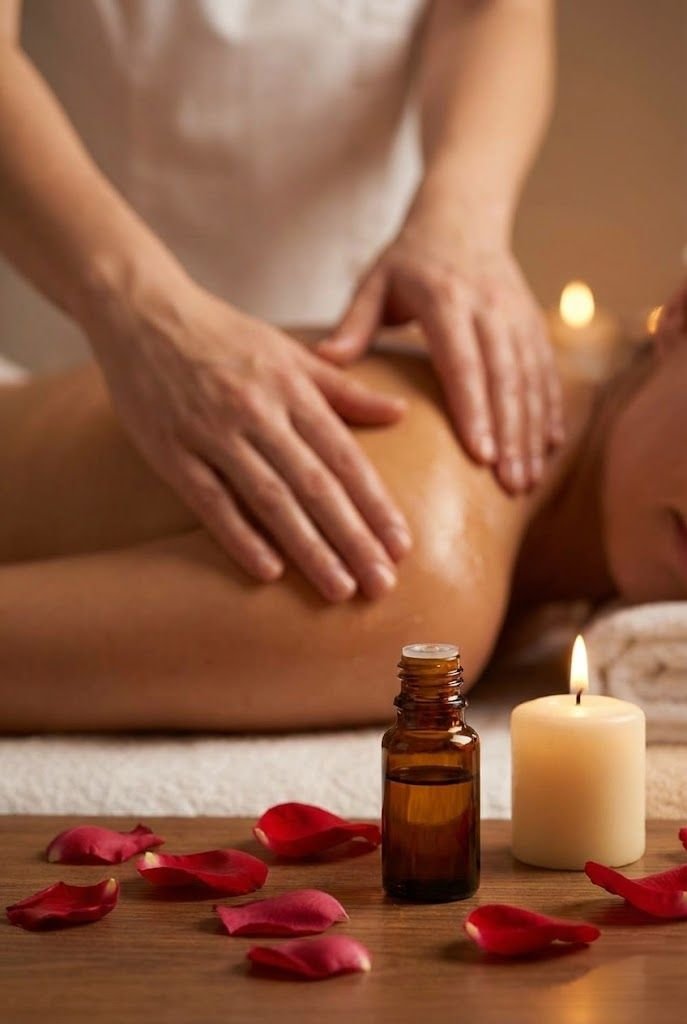
Ayurvedic Massage in Raipur - Traditional Healing
Ayurvedic massage is one of the oldest codified bodywork systems in the world, originating in India over 3,000 years ago as part of the Ayurvedic medical tradition. At Raipur Spa, we offer authentic Ayurvedic massage treatments delivered by therapists trained in the traditional techniques — not a superficial adoption of the name. This guide covers what Ayurvedic massage actually involves, the theoretical framework behind it, and the practical benefits that bring clients back regularly.
What Ayurvedic Massage Is
The central Ayurvedic massage treatment is called Abhyanga — full-body oil massage performed with warm medicated oils specific to the client's constitutional type. Abhyanga is distinct from Swedish massage in almost every dimension: the oils, the strokes, the pace, the philosophy, and the intended outcomes are all different.
Where Swedish massage focuses primarily on muscle manipulation for tension relief, Abhyanga treats the body as an integrated system — skin, nervous system, joints, and energy channels (called nadis) — with the oil as the primary therapeutic vehicle and the massage strokes as the delivery mechanism.
The treatment typically lasts 60-90 minutes and involves the therapist working systematically across the entire body: head and scalp, neck, arms, chest and abdomen, back, and legs. The volume of oil used is significantly greater than in Western massage — Abhyanga is lush and deeply nourishing in a way that standard massage is not.
The Five Elements and Tridosha System
Ayurveda's foundational theory holds that the physical world, including the human body, is composed of five elements: earth, water, fire, air, and space (ether). These elements combine in different proportions to create three physiological principles called doshas: Vata (air and space), Pitta (fire and water), and Kapha (earth and water).
Every person has all three doshas, but in a unique ratio that determines their constitutional type (prakriti) and influences everything from body build and digestion to personality and stress response patterns. Most people have one or two dominant doshas that shape their primary characteristics.
This system matters for massage because different constitutional types hold tension differently, have different sensitivities, and respond to different oil types and massage techniques. A Vata-dominant person — typically lean, creative, prone to anxiety and dry skin — needs warming, grounding, slow-rhythmed massage with heavy, sesame-based oils. A Pitta-dominant person — medium build, driven, prone to inflammation and frustration — benefits from cooling, calming massage with coconut or sunflower oil. A Kapha-dominant person — solidly built, steady, prone to heaviness and congestion — responds best to vigorous, stimulating massage with lighter, invigorating oils like mustard or eucalyptus-infused blends.
Warm Herbal Oil Selection Based on Dosha
Oil selection is where professional Ayurvedic massage diverges most clearly from what someone might do at home with a bottle of sesame oil. Authentic Ayurvedic massage oils are medicated — herbs are cooked into the oil base during preparation, infusing the carrier oil with the active compounds of the herbs.
Common herbal additions include brahmi (Bacopa monnieri) for calming and mental clarity, ashwagandha for stress and joint nourishment, bhringraj for scalp and hair health, dashamoola (ten roots formula) for Vata-related joint and nerve issues, and turmeric for its anti-inflammatory properties.
At Raipur Spa, our therapists do a brief dosha assessment during your initial consultation — a set of questions about your physical characteristics, digestion, sleep, and stress patterns — and select the most appropriate oil blend based on the result. This personalization is what distinguishes Ayurvedic massage from generic oil massage and produces more targeted results.
The oils are warmed before application. Temperature matters — warm oil penetrates more deeply and provides the nervous system calming effect that is central to Abhyanga's therapeutic action.
The Specific Techniques
Long Strokes (Effleurage Variations)
Abhyanga uses long, smooth strokes that follow the direction of blood flow toward the heart — one of the key differences from some Western massage techniques. These strokes distribute the oil evenly, warm the tissues, and begin the process of drawing blood and lymph toward the central lymph nodes. The rhythm is steady and somewhat hypnotic, which contributes significantly to the deeply relaxed state Abhyanga reliably induces.
Joint Mobilization
Ayurvedic massage includes systematic attention to all major joints — shoulders, elbows, wrists, hips, knees, ankles. The therapist applies oil around each joint and works it in with circular mobilization movements, sometimes taking the joint gently through its range of motion. This is particularly beneficial for joints that are stiff from either excessive use or prolonged inactivity, and for older clients where joint health and mobility are primary concerns.
Marma Points
Marma points are specific anatomical locations — described in Ayurvedic texts as junctions where muscles, tendons, ligaments, bones, and vessels meet — that are considered particularly significant in the body's energetic and physical functioning. There are 107 marma points in the classical texts. Ayurvedic massage includes deliberate, sustained pressure at key marma points, which produces effects similar to acupressure — local release of tension, systemic nervous system response, and sometimes a distinct sense of energy shifting in the treated area.
Whether one frames this in traditional energetic terms or in modern anatomical terms (marma points correspond closely to nerve plexi, fascial junctions, and areas of concentrated mechanoreceptors), the practical effect of skilled marma work is a distinctive quality of release that clients consistently report as one of the most memorable aspects of Ayurvedic massage.
Benefits of Ayurvedic Massage
Joint Health
The combination of warm medicated oil penetration and joint mobilization makes Abhyanga particularly effective for joint stiffness, early-stage osteoarthritis, and the general joint discomfort that comes with age or overuse. Regular Abhyanga is specifically recommended in Ayurvedic medicine as a preventive practice for joint health, not just a remedial one.
Dry Skin
The heavy, oil-rich nature of Abhyanga makes it deeply moisturizing. Clients with chronically dry skin — particularly those with Vata constitutional types, who are naturally prone to dryness — often emerge from Abhyanga sessions with visibly more supple, nourished skin that maintains improved hydration for several days. This is one of the most immediately tangible benefits for many clients.
Stress and Anxiety
Abhyanga's combination of warm oil, systematic full-body coverage, and slow rhythmic strokes produces profound parasympathetic nervous system activation. Research on Abhyanga has documented significant reductions in cortisol, adrenaline, and subjective anxiety following sessions. For stress management, Ayurvedic massage is one of the most effective treatments we offer.
Sleep Quality
Clients dealing with insomnia or poor sleep quality consistently report improved sleep duration and depth following Abhyanga sessions, particularly when the treatment includes head and scalp massage. The shiroabhyanga (head massage) component of Ayurvedic treatment has documented effects on sleep quality, likely through its effects on the vagus nerve and parasympathetic activation.
Difference from Western Massage
The clearest differences are the oil (abundant warm medicated oil vs. light application of neutral oil), the intention (holistic constitutional balance vs. targeted muscle relief), the pace (slower, more rhythmic vs. more varied and work-focused), and the inclusion of joint work and marma points. Ayurvedic massage is generally gentler than deep tissue work but more comprehensive in its coverage of the body as a whole system. Clients often describe it as more deeply relaxing than Western massage and as having effects that extend further into the following days.
Pricing
Ayurvedic Abhyanga massage at Raipur Spa is priced from Rs. 1,500 for a 60-minute session to Rs. 2,200 for the full 90-minute Abhyanga with shiroabhyanga (head massage) and post-treatment steam. Initial dosha consultation is included in the first session at no additional charge.
To book an Ayurvedic massage at Raipur Spa or to ask questions about which Ayurvedic treatment is best suited to your needs, contact us directly. Our therapists with Ayurvedic training are available for consultations before you commit to a session.
Enjoyed This Article?
Stop reading about relaxation — come experience it firsthand at Raipur SPA.
People Also Ask
Related Articles
Ayurvedic & Traditional Indian Therapies
Ayurvedic Abhyanga: Traditional Oil Massage – Ancient Wisdom for Modern Wellness
9 min read · 05 May 2026

Ayurvedic & Traditional Indian Therapies
Greeva Basti: Ayurvedic Relief for Cervical Pain
5 min read · 01 May 2026
Ayurvedic & Traditional Indian Therapies
Kati Basti for Lower Back Pain: An Ayurvedic Solution
5 min read · 01 May 2026
Enjoyed This Article?
Stop reading about relaxation — come experience it firsthand at Raipur SPA.
 Chat on WhatsApp
Chat with us
Chat on WhatsApp
Chat with us