What is the best Ayurvedic spa in Raipur for dosha-based wellness?
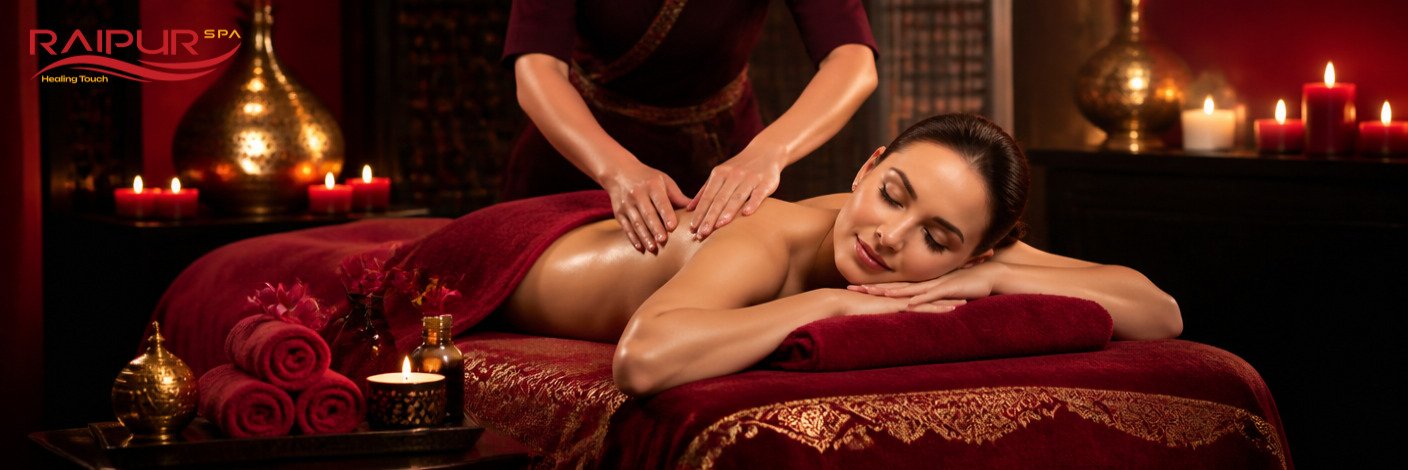
Raipur SPA is a premium Ayurvedic spa in Raipur offering dosha-based wellness therapies. Sessions begin with a short dosha assessment to identify Vata, Pitta, or Kapha balance, followed by treatments such as Abhyanga, Shirodhara, and Swedana using herbal oils. Therapists tailor pressure, oils, and duration to each guest's constitution, supporting relaxation and general well-being.
Key Takeaways
- • Dosha-based wellness matches treatments to your Vata, Pitta, or Kapha constitution.
- • A brief consultation usually precedes therapy to guide oil and technique selection.
- • Abhyanga, Shirodhara, and Swedana are common Ayurvedic therapies offered.
- • Herbal oils and warm techniques are chosen based on individual dosha balance.
- • Sessions focus on relaxation and general wellness, not medical treatment.
- • Booking ahead helps secure preferred therapists and time slots in Raipur.
Best Ayurvedic Spa in Raipur for Dosha-Based Wellness
The best Ayurvedic spa in Raipur for dosha-based wellness is a centre that designs every therapy around your personal Vata, Pitta or Kapha balance rather than offering the same massage to everyone. Raipur SPA in Samta Colony does exactly this: a short consultation, a dosha reading, and then a treatment plan built for your body and season. This guide walks you through what dosha-based wellness actually means, how to figure out your own balance, which therapies suit which constitution, and how to get the most out of a session — whether it is your first visit or your fiftieth.
Key Takeaways
- Dosha-based wellness means your treatment is chosen after assessing your Vata, Pitta and Kapha balance, not picked from a fixed menu.
- Raipur SPA in Samta Colony offers Ayurvedic therapies starting from ₹999, open daily 11:00 AM to 09:00 PM.
- Vata types usually benefit from warm, grounding oil therapies; Pitta types from cooling and calming care; Kapha types from stimulating, dry or invigorating treatments.
- A genuine Ayurvedic spa asks about sleep, digestion, stress and skin before recommending anything.
- Abhyanga, Shirodhara and Padabhyanga are the three most requested dosha-based therapies in Raipur.
- Your dominant dosha can shift with the season — Raipur's hot summers, humid monsoons and dry winters each call for different oils and pressure.
- One session helps you relax; a short series across four to six weeks is where real balance shows up.
Why Dosha-Based Wellness Feels Different
Most spas sell relaxation. You lie down, someone works on your shoulders, you leave feeling lighter. That is lovely, and there is nothing wrong with it.
Ayurvedic bodywork goes a step further. It assumes your body already knows what it needs, and the therapist's job is to support that. Two people can walk into the same room with the same complaint — say, lower back tightness — and leave with completely different treatment plans. One may need warming sesame oil and slow strokes. The other may need a cooler, lighter approach with more focus on circulation.
That is the whole idea behind dosha-based wellness. It is personal, and it changes with the seasons. Raipur's dry summers, humid monsoons and cool winters each shift your dominant dosha, which is why a good therapist will ask what month it is before choosing your oil.
There is a practical difference in how a session feels, too. In a generic spa, the therapist follows a script: back, shoulders, legs, done. In a dosha-based session, the therapist is making small decisions the whole way through — pausing longer on a tight spot, adjusting oil temperature, changing stroke direction to move energy upward or downward. You may not notice these choices in the moment, but you feel the result afterwards: less wired, more settled, and often sleeping better that same night.
It also means the experience is repeatable. Because the plan is based on your constitution rather than a fixed package, your second and third visits build on the first instead of starting from scratch each time.
Understanding Your Dosha in Simple Terms
Ayurveda groups body-mind tendencies into three doshas. You do not need to memorise Sanskrit to use this. Here is the practical version, with the everyday signs that usually give you away.
Vata — Air and Space
Vata-dominant people tend to be light, quick, creative and prone to dry skin, cold hands, restless sleep and anxiety when out of balance. Their ideal spa experience is warm, slow and oily. Think long Abhyanga strokes with sesame oil and a warm room. If you are the kind of person who has three tabs open in your head at all times, forgets to eat until 4 PM, and feels the cold before anyone else in the room, you are probably Vata-leaning. Vata responds badly to rushed, dry, fast treatments — which unfortunately describes most budget massage centres.
Pitta — Fire and Water
Pitta types are sharp, driven and warm-bodied. When imbalanced they run hot — literally. Skin irritation, acidity, irritability and burnout are common signs. They respond beautifully to cooling therapies: coconut oil, gentle Shirodhara, and treatments that avoid excessive heat. Pitta people often arrive at a spa already overstimulated from work, so the goal is not more intensity but genuine cooling and calm. A hot room and vigorous deep-tissue work can leave a Pitta type feeling worse, not better.
Kapha — Earth and Water
Kapha-dominant people are steady, calm and strong, but can feel heavy, sluggish or congested when out of balance. They benefit from stimulation — warmer oils, firmer pressure, dry brushing and invigorating massage that gets things moving. If you sleep long but still wake up groggy, feel heaviness in the limbs, or find your energy dips sharply after meals, Kapha imbalance is worth exploring. Kapha types often need the opposite of what they instinctively want: not a soft, slow, cosy massage, but something with more energy behind it.
Most people are a mix of two doshas. A trained therapist can usually tell within a few questions which one is currently dominant — and that is the one worth treating first.
What a Good Dosha Consultation Looks Like
You should not be handed an oil bottle within thirty seconds of arrival. A proper consultation takes ten to fifteen minutes and covers a handful of simple things.
- Sleep patterns — do you fall asleep easily, wake at 3 AM, or feel groggy in the morning?
- Digestion — regular, sluggish, or sensitive to certain foods?
- Skin and hair — dry, oily, sensitive, or a combination?
- Stress and energy — do you feel wired, scattered, or flat?
- Current season and climate — Raipur's summer heat changes what suits you.
From those answers, the therapist suggests a therapy, an oil and a pressure level. Nothing complicated. Just thoughtful.
A few green flags to look for during this conversation: the therapist listens more than they talk; they ask follow-up questions rather than ticking boxes; they mention the season; and they are comfortable saying a particular therapy is not right for you today. A red flag is a consultation that feels like a sales pitch, where every answer leads to the most expensive package.
You should also be asked about anything that rules out certain treatments — pregnancy, recent surgery, skin infections, uncontrolled blood pressure, or a fever. If those questions never come up, that tells you something.
The Three Core Ayurvedic Therapies You Will Find Here
Abhyanga — Full Body Oil Massage
The foundation of Ayurvedic bodywork. Warm oil is applied in rhythmic strokes along the body's energy channels. It is deeply grounding and the single best starting point for most first-timers. Vata types love it in winter; Pitta types do better with coconut oil in summer. A good Abhyanga session moves in a deliberate order — usually starting at the head and working downward, or the reverse depending on the goal — and the therapist varies pressure between the bony areas and the muscular ones. Expect to leave slightly oily and considerably calmer. It is worth leaving the oil on for an hour or two afterwards rather than showering immediately.
Shirodhara — The Continuous Oil Stream
Warm oil is poured in a steady stream onto the forehead. It sounds unusual and feels extraordinary. People describe drifting into a state between sleep and waking. It is especially helpful for racing thoughts, poor sleep and mental fatigue — making it a favourite among professionals in Raipur dealing with long workdays. The oil is usually chosen for your dosha: sesame or heavier oils for Vata, cooler coconut-based oils for Pitta. The first two minutes feel strange; by minute five, most people have stopped thinking entirely. If you have never tried any Ayurvedic therapy, Shirodhara is often the one people remember years later.
Padabhyanga — Foot Therapy
Focused work on the feet and lower legs using warm oil and pressure points. Excellent after long hours standing or travelling, and a gentle introduction if you are new to Ayurveda. It is also a practical choice for people who cannot lie on their stomach or who want something shorter than a full-body session. Many regulars pair it with a shorter back massage when time is tight.
At Raipur SPA, these therapies start from ₹999, which makes a regular practice genuinely affordable rather than a once-a-year treat.
How to Choose the Right Therapy for Your Dosha
If you want a rough starting point before you book, use this as a guide — then let the therapist refine it.
- Vata: Abhyanga with warm sesame oil, slow strokes, warm room, longer session.
- Pitta: Cooling oils, Shirodhara, gentle pressure, avoid overly hot rooms.
- Kapha: Firmer pressure, warmer oils, dry brushing, invigorating rhythms.
- Mixed types: Start with the dosha that feels most out of balance right now, not the one you were born with.
And if you are unsure? Say so. Good therapists prefer an honest "I don't know" over a guess.
It also helps to think about what you actually want from the session. If the goal is sleep, Shirodhara or a slow Abhyanga is the better pick. If the goal is feeling lighter and more energetic, a firmer, more stimulating approach suits Kapha-leaning bodies. If the goal is simply unwinding after a stressful month, almost any dosha-matched therapy will do the job — the match just makes it work better.
Why Raipur SPA Stands Out for Ayurvedic Care
Raipur has no shortage of massage options. What separates a genuine Ayurvedic spa from a generic one is consistency — trained therapists, quality oils, clean spaces and a willingness to say "this therapy isn't right for you" when it isn't.
Raipur SPA in Samta Colony has built its reputation on exactly that. Therapists take the consultation seriously, oils are chosen with purpose, and sessions are paced so you are not rushed out the door. It is open daily from 11:00 AM to 09:00 PM, which suits both lunch-hour visits and post-work appointments.
The location helps too. Samta Colony is easy to reach from most parts of the city, and the daily hours mean you can slot a session in on a weekday evening without rearranging your whole week. For anyone searching for the best Ayurvedic spa in Raipur for dosha-based wellness, the practical test is simple: does the team ask questions before they start? Here, they do.
How Dosha Balance Shifts With Raipur's Seasons
One thing most spa guides skip: your dosha needs are not fixed all year. Ayurveda places real weight on the season, and Raipur's climate gives that principle plenty to work with.
Summer (roughly March to June). Heat builds and Pitta rises with it. This is when cooling oils, gentler pressure and Shirodhara make the most sense, and when overly hot treatment rooms feel oppressive rather than comforting. If you tend to get irritable or acidic in the peak heat, that is your cue.
Monsoon (July to September). Humidity rises and Vata tends to get unsettled — joints ache more, sleep gets patchy, digestion wobbles. Warm, grounding oil therapies help here, and it is a good time to be consistent with sessions rather than sporadic.
Winter (November to February). Cooler, drier air pushes Vata up again and Kapha can accumulate. Warm sesame oil, longer sessions and firmer pressure all work well. This is the season most people book their first Abhyanga — and the one where it feels most obviously good.
You do not need to track this yourself. It is simply useful to know that if a therapy that worked beautifully in January feels slightly off in May, that is normal — and a good therapist will adjust rather than repeat the same plan.
Getting the Most From Your Session
A few small habits make a real difference.
Arrive ten minutes early. Rushing in from traffic undoes half the benefit before you lie down.
Skip the heavy meal. A light snack an hour before is ideal; a full lunch is not.
Speak up about pressure. Discomfort is not a sign of effectiveness.
Drink water afterwards. Warm water, ideally. It helps the body process the oils.
Give it a series. One session relaxes you. Four to six sessions across a month or two is where dosha balance actually shifts.
Two more worth adding: keep your phone off for the whole session, not just on silent, because even a buzzing phone pulls your attention back to work. And plan a slow half hour afterwards if you can — a session followed immediately by a stressful drive or a pile of emails loses some of its effect.
Common Mistakes First-Timers Make
Most disappointing spa experiences come from a handful of avoidable mistakes.
- Booking purely on price. The cheapest option is usually the one with no consultation and generic oil. You are paying for attention as much as for technique.
- Not mentioning health conditions. Pregnancy, recent injuries, skin issues and blood pressure problems all change what is safe and suitable.
- Expecting a deep-tissue workout. Ayurvedic massage is rhythmic and purposeful, not a sports massage. It is not meant to leave you sore.
- Judging after one session. One visit tells you whether you like the place. It does not tell you whether the therapy is working for your body.
- Ignoring the aftercare. Oil therapies work best when you rest, hydrate and avoid a cold shower straight afterwards.
Frequently Asked Questions
What is dosha-based wellness in Ayurveda?
It is a personalised approach where treatments are chosen according to your dominant Vata, Pitta or Kapha balance. Instead of a fixed menu, the therapist adjusts oils, pressure and therapy type to suit your body, current health and the season.
How do I know which dosha I am?
You can take a short online quiz as a rough guide, but a proper assessment is best done in person. A therapist will ask about sleep, digestion, skin and stress to identify which dosha is currently dominant — which can differ from your natural constitution.
How much does an Ayurvedic spa session cost in Raipur?
At Raipur SPA, dosha-based therapies start from ₹999. Final pricing depends on the therapy chosen and session length. It is worth calling ahead so you know exactly what to expect.
Is Ayurvedic massage safe for everyone?
Generally yes, but tell your therapist about pregnancy, recent surgery, skin conditions, high blood pressure or any ongoing medical treatment. Ayurvedic bodywork is complementary care and does not replace medical advice.
How many sessions will I need to feel a difference?
Most people feel noticeably calmer after a single session. For deeper shifts in sleep, digestion or stress patterns, a series of four to six sessions over several weeks is more realistic.
Do I need to book in advance?
Walk-ins are welcome, but weekends and evenings fill quickly. Booking ahead by phone or WhatsApp guarantees your preferred therapist and time slot.
What should I wear or bring?
Nothing special is required. You will be given disposable garments for the session, and the therapist will keep you covered throughout. Just arrive in comfortable clothing you do not mind getting a little oil on afterwards.
Can I combine Ayurvedic therapies in one visit?
Yes, and it is often worthwhile. A shorter Abhyanga followed by Shirodhara is a popular combination for people dealing with both physical tension and mental fatigue. Ask during your consultation and the therapist will suggest a sensible pairing rather than simply stacking treatments.
Final Thoughts
Dosha-based wellness is not mystical. It is simply good bodywork delivered with attention — the right oil, the right pressure, the right pace for your body on that particular day.
If you have been looking for the best Ayurvedic spa in Raipur for dosha-based wellness, start with a consultation and one honest session. Let your body tell you the rest.
Ready to begin? Call or WhatsApp +91 7987 303 127 to book your dosha consultation at Raipur SPA, Samta Colony. Open daily, 11:00 AM to 09:00 PM.
Frequently Asked Questions
What does dosha-based wellness mean at an Ayurvedic spa?
It means therapies are selected according to your dominant dosha, Vata, Pitta, or Kapha. The therapist adjusts oils, pressure, and technique to suit your constitution and current state.
Do I need a dosha assessment before booking a treatment?
Most dosha-based spas offer a short assessment or consultation before your first session. It helps the therapist recommend suitable oils and therapies. You can usually request it when booking.
Which Ayurvedic therapies are typically offered in Raipur?
Common options include Abhyanga oil massage, Shirodhara, Swedana, and herbal body treatments. Availability varies by spa, so confirm the menu when you book.
How long does a dosha-based spa session take?
Sessions commonly range from 60 to 90 minutes, including consultation and relaxation time. Duration depends on the therapy chosen and any add-ons.
Is dosha-based spa therapy safe for everyone?
These therapies are generally gentle wellness treatments, but suitability varies by individual. Consult a qualified healthcare professional if you have health conditions, are pregnant, or have skin sensitivities.
How do I choose the best Ayurvedic spa in Raipur?
Check therapist qualifications, hygiene standards, authentic herbal oils, and clear consultation practices. Reading recent reviews and confirming the treatment menu helps you compare options.
Book Your Session
Book Your SessionPeople Also Ask
Related Articles
Health & Wellness
Why Local Raipur Businesses and Professionals Choose Premium Spa Memberships
15 min read · 01 Nov 2026
Health & Wellness
Ayurvedic Detox in Raipur: Panchakarma and Wellness Retreats for a Full Reset
16 min read · 01 Nov 2026

Health & Wellness
How to Relieve Desk Job Back Pain: Massage and Wellness Tips for Raipur Professionals
11 min read · 31 Oct 2026
Enjoyed This Article?
Stop reading about relaxation — come experience it firsthand at Raipur SPA.