The Problem With Modern Unwinding
After a long day of work, most people do something that looks like relaxing. They sit on the couch, watch something on a screen, scroll through their phone. They call it decompressing. And while this might be rest in the sense of not working, it's not the same as actually shifting the body and mind into a genuine recovery state.
The nervous system doesn't automatically downshift when the laptop closes. Cortisol lingers. Muscular tension stays. The mind continues processing the day's inputs. What most people call "relaxing" in the evening is actually closer to distraction than genuine restoration. The body stays in a moderately activated state, sleep when it comes is lighter, and the next morning begins from a less-recovered baseline than it could.
The relaxation techniques that actually work are those that actively shift the nervous system — that do something to the body and brain that changes their state rather than just redirecting attention.
What "Genuine Relaxation" Actually Means Physiologically
Genuine relaxation — the kind that produces meaningful recovery — involves shifting the autonomic nervous system from sympathetic (alert, stress-responsive) to parasympathetic (restful, restorative) dominance. The measurable markers include: reduced heart rate, slower and deeper breathing, lower cortisol, reduced muscle tension, and a subjective shift in mental quality from busy-analytical to quiet-receptive.
Most passive activities — watching TV, social media — don't reliably produce this shift. They occupy the mind without changing its state. The techniques that actually work engage specific physiological mechanisms to initiate the parasympathetic shift actively.
Techniques That Actually Work
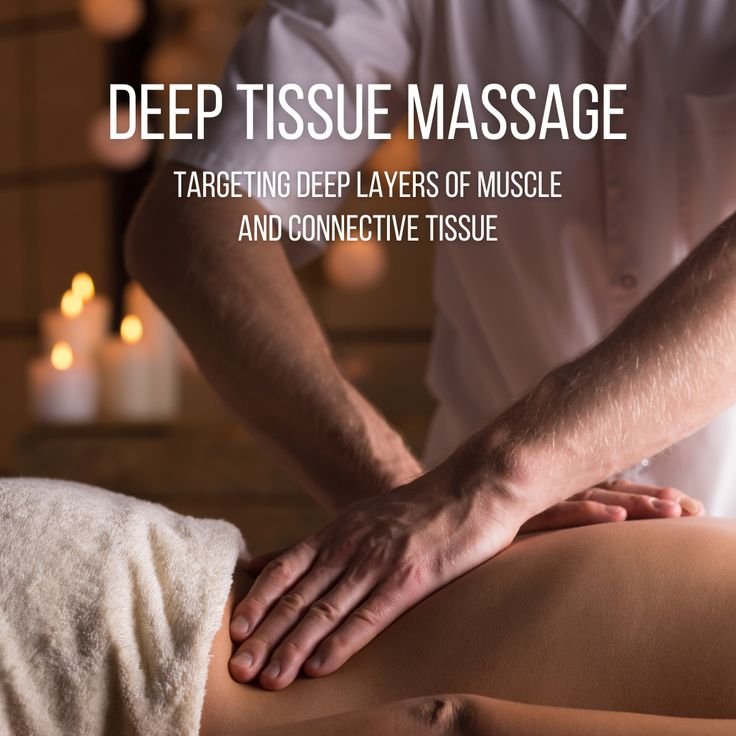
Professional Massage — The Most Comprehensive Option
A professional massage session is the most complete available intervention for post-work relaxation because it addresses multiple mechanisms simultaneously: physical tension release, cortisol reduction, direct parasympathetic activation through skin receptor stimulation, and psychological permission to be completely passive and cared for.
The quality of post-session calm is distinctive and different from what any self-care technique produces. Clients consistently describe it as a different quality — not just calmer but physically different, in a way that feels complete rather than partial. This isn't because massage is magic; it's because it addresses the physical reality of accumulated tension and neurological activation in a comprehensive way.
Weekly or bi-weekly sessions after particularly demanding workdays are the professional relaxation practice that produces cumulative benefit. Regular clients who use massage this way consistently report better sleep, lower baseline tension, and genuinely improved capacity to manage daily stress.
Diaphragmatic Breathing
The fastest available self-intervention for nervous system state: slow, full diaphragmatic breathing directly activates the parasympathetic nervous system through the vagus nerve. The mechanism is direct and the effect is rapid.
Technique: Inhale slowly through the nose for 4 counts, feeling the belly (not the chest) expand. Pause briefly. Exhale slowly through the mouth for 6-8 counts, completely emptying the lungs. The extended exhale specifically is the parasympathetic-activating component — the heart rate drops on exhale, and a long exhale produces a stronger parasympathetic signal.
Five to ten minutes of this, ideally as a transition ritual immediately when you stop work — before the screen time begins — produces a measurable shift in nervous system state. It's not as complete as a massage session, but it's available anywhere and takes five minutes.
Physical Movement (the Right Kind)
Moderate physical activity — a 20-30 minute walk, gentle yoga, swimming — after work can accelerate the clearing of stress hormones and provide a physical transition from work state to rest state. The key word is moderate. Intense exercise (hard gym sessions, intense running) is a sympathetic nervous system activator and can make the cortisol and sleep problems worse when scheduled in the evening.
A walk — particularly one with exposure to nature, natural light, and without screens — is particularly effective. The reduced cognitive demands combined with rhythmic physical movement and natural sensory input produce a gentle but genuine relaxation shift.
Hot Bath or Shower
Warmth has direct physiological relaxation effects: peripheral vasodilation, muscle relaxation, and a circadian signal to the body that temperature is dropping (important for sleep initiation). A warm bath or shower 1-2 hours before sleep is one of the more consistently supported non-pharmacological sleep interventions. The warmth of the water also provides a sensory context that's distinct from work — a clear transition marker that the day is ending.
Foot Soak
An accessible, low-effort option particularly good on days when a full bath isn't practical. Warm water foot soaks produce peripheral vasodilation, provide some of the sensory and circulatory benefits of hydrotherapy on a small scale, and are simply pleasant. Adding Epsom salt (magnesium sulfate) provides some transdermal magnesium absorption — magnesium is involved in nervous system regulation and many people are mildly deficient. Even 15 minutes changes the quality of the evening for many people.
Guided Relaxation or Meditation
For those who find meditation accessible, guided body scan or progressive muscle relaxation is particularly effective for post-work tension release. These practices systematically direct attention through the body, releasing tension area by area, and produce genuine physiological changes in muscle tension and nervous system state with regular practice. Apps like Insight Timer or Calm have accessible guided options. The key is consistency — irregular use produces inconsistent effects.
Building an After-Work Routine
The most effective approach combines a brief transition ritual (the diaphragmatic breathing or a short walk) with regular professional massage (weekly or bi-weekly) and consistent sleep hygiene practices. The ritual signals the nervous system that work is done; the massage addresses the accumulated tension that daily rituals can't fully clear; the sleep practices ensure recovery happens properly overnight.
This isn't complicated or expensive. It's consistent attention to a genuine physiological need that most people ignore until it becomes a problem — through burnout, chronic pain, persistent insomnia, or the general grinding-down that sustained stress without recovery produces.
If you're in Raipur and looking for professional support for your relaxation and recovery practice, we'd be glad to talk about what might work for your specific situation. A monthly session is a good starting point. Many clients start there and naturally increase as they feel the difference.
Related Articles You Might Like
- Parent Spa Day Ideas Raipur: Treat Mom and Dad to the Best Relaxation
- Post-Travel Recovery Massage: Revive Your Body After Long Journeys at Raipur SPA
- Full Body Massage Package Price in Raipur - Best Value Spa Packages
- Bridal Spa Packages Raipur: Look and Feel Your Best on Your Wedding Day
- Hot Stone Massage Benefits: Ultimate Relaxation in Raipur
- Body Massage in Raipur: Complete Guide to Services, Prices and Benefits
Frequently Asked Questions
Is Raipur SPA the best massage center in Raipur?
With a 4.8-star Google rating and over 500 verified reviews, Raipur SPA is consistently ranked as the top spa in Raipur. We have served over 5,000 clients across Chhattisgarh with professional therapists, premium products, and genuine therapeutic results.
Where is Raipur SPA located?
Raipur SPA is located in Samta Colony, Raipur, Chhattisgarh. We are accessible from Civil Lines (15 min), Shankar Nagar (10 min), Pandri (12 min), Telibandha (8 min), and Naya Raipur (20 min). On-premises parking is available.
What are Raipur SPA's timings and how to book?
We are open every day from 10 AM to 10 PM, including Sundays and holidays. Call +91 7987 303 127 or +91 9399 075 318 to book. Walk-ins are welcome but advance booking is recommended for weekends and special occasions.
What massage services does Raipur SPA offer?
We offer Swedish massage, deep tissue massage, aromatherapy massage, hot stone massage, four hand massage, Thai massage, Balinese massage, couples spa, prenatal massage, foot reflexology, head massage, back massage, sports massage, and full spa packages. Services start from Rs. 599.
Is Raipur SPA hygienic and safe?
Hygiene is our highest priority. We use fresh linen for every client, sanitize all equipment between sessions, use disposable undergarments, maintain professional health standards, and all therapists undergo regular hygiene training with post-COVID enhanced cleaning protocols.
Do you have separate facilities for male and female clients?
Yes, Raipur SPA maintains completely separate treatment areas, change rooms, and waiting areas for male and female clients. Male clients are attended by male therapists and female clients by female therapists. Privacy and comfort are fully guaranteed.
How much does a massage at Raipur SPA cost?
Our massage prices start from Rs. 599 for express treatments to Rs. 3,999 for premium luxury packages. Most popular treatments like full body massage (Rs. 999), couples spa (Rs. 1,999), and aromatherapy massage (Rs. 1,299) offer excellent value for the quality delivered.
Book Our Massage Services
Raipur SPA, Samta Colony | Expert therapists from Northeast India | Call to book: +91 98765 43210
People Also Ask
Related Articles
Swedish & Relaxation Massage
Pre-Event Relaxation Massage for Better Performance
1 min read · 21 Apr 2026
Swedish & Relaxation Massage
Swedish Massage: Sabse Popular Massage Therapy Ka Complete Guide
6 min read · 14 Apr 2026

Swedish & Relaxation Massage
Couple Spa in Raipur — Romantic Wellness Experience for Partners
5 min read · 13 Apr 2026
Enjoyed This Article?
Stop reading about relaxation — come experience it firsthand at Raipur SPA.
 Chat on WhatsApp
Chat with us
Chat on WhatsApp
Chat with us